
Last updated November 4, 2026
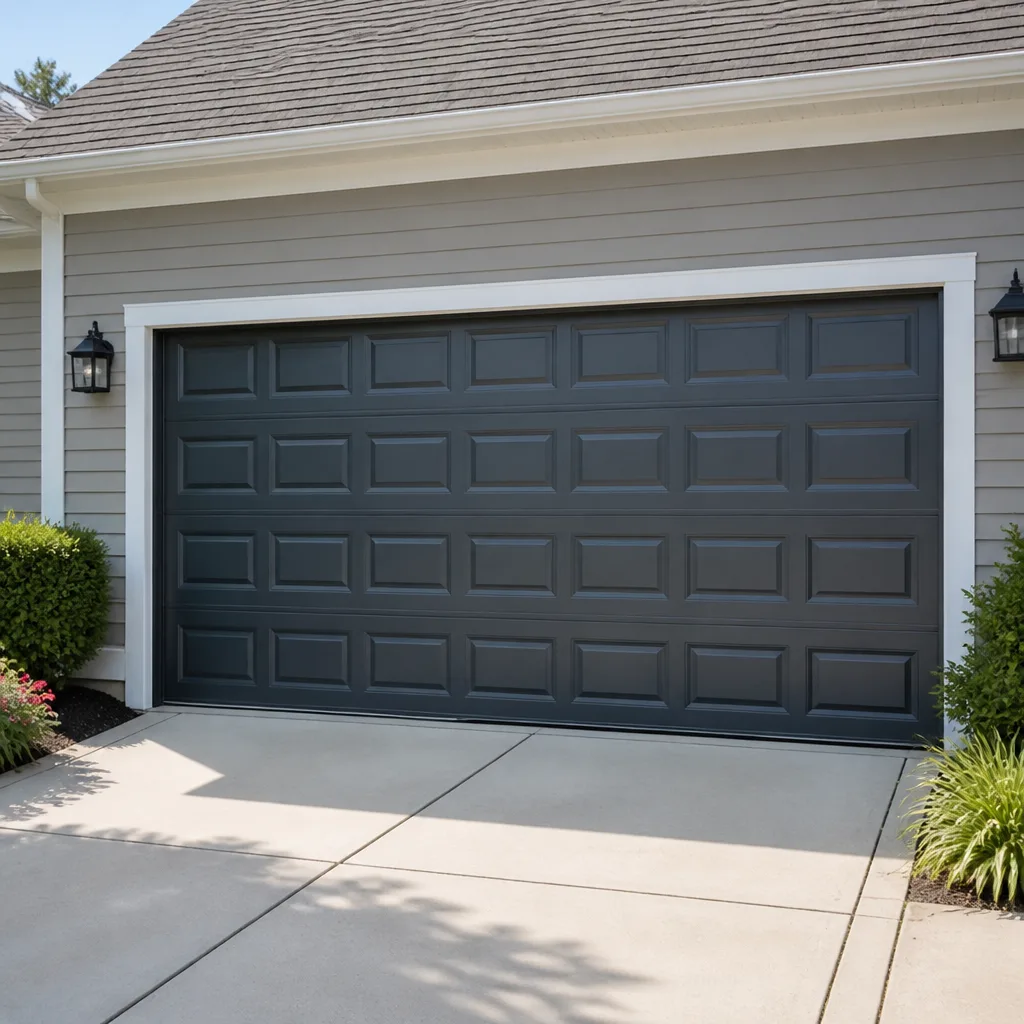 Raised-panel steel
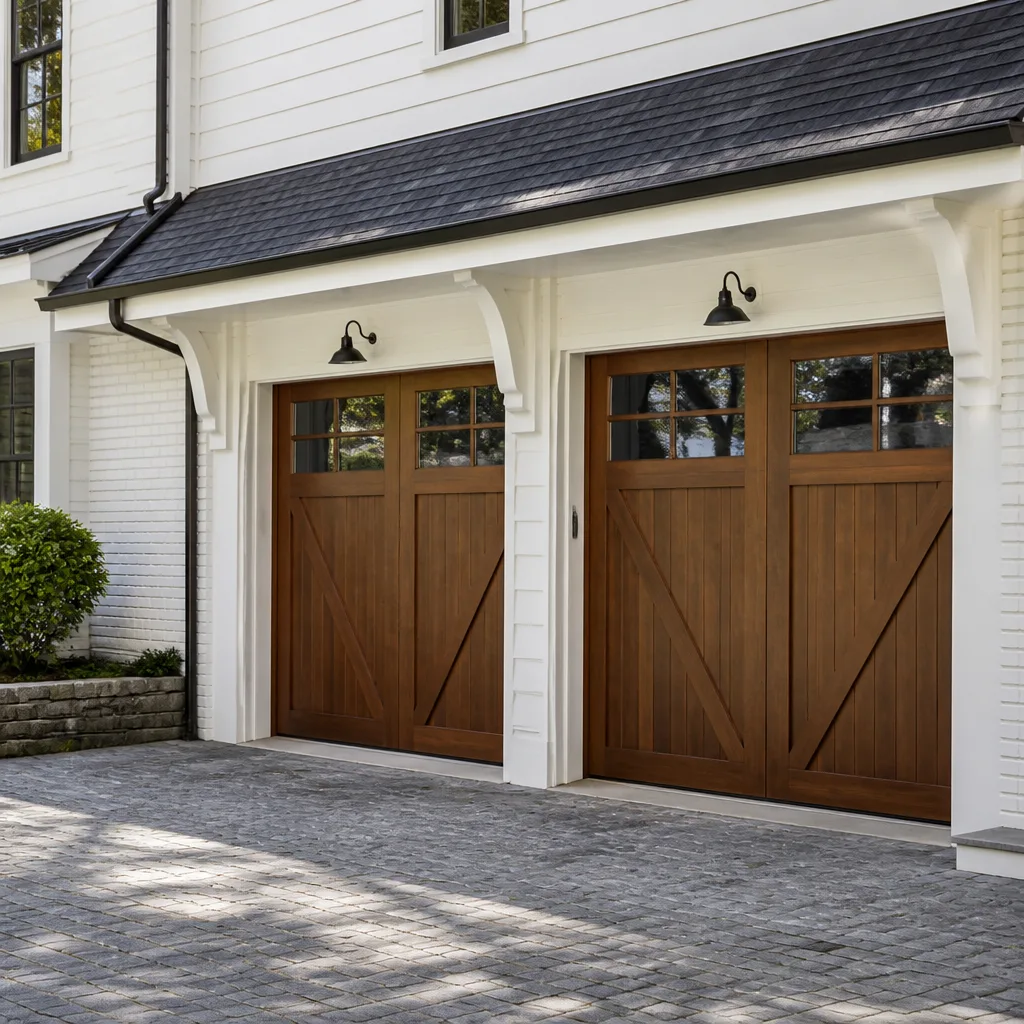 Carriage house
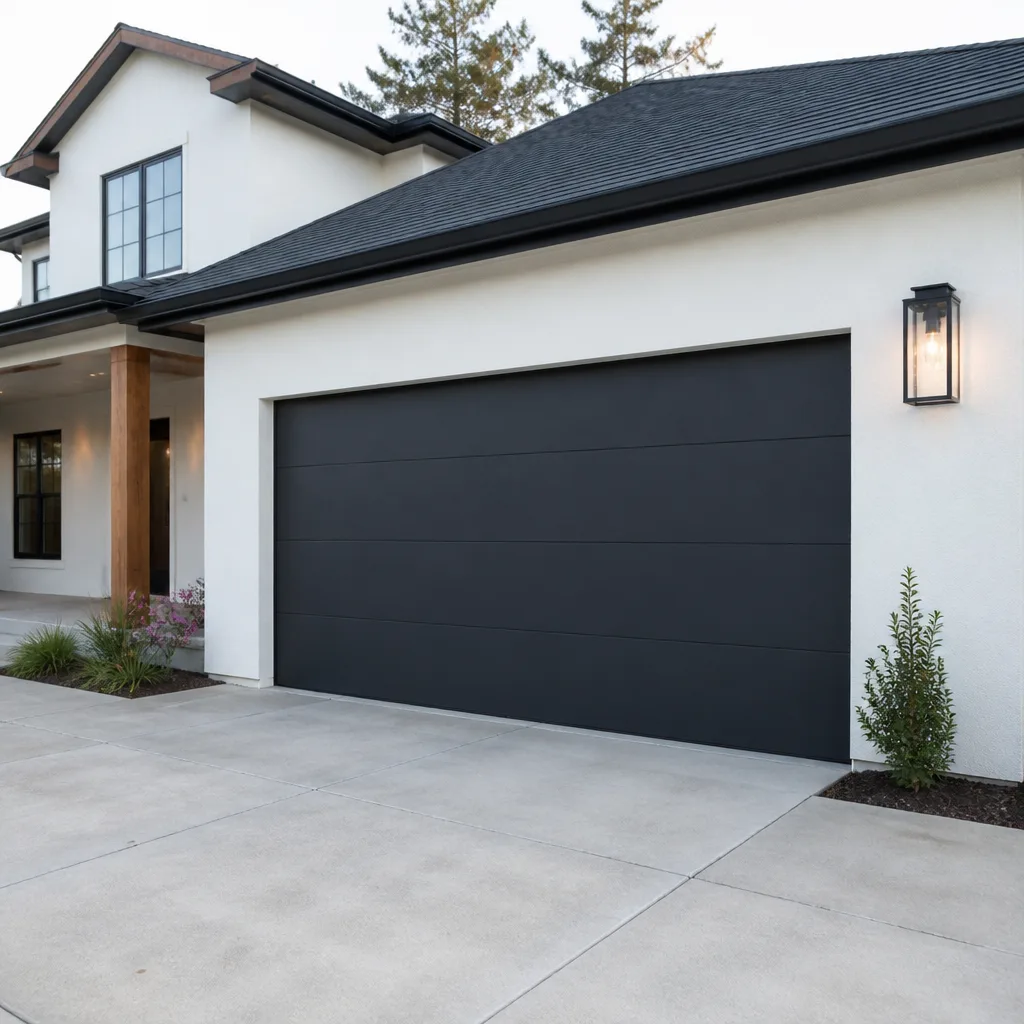 Modern flush
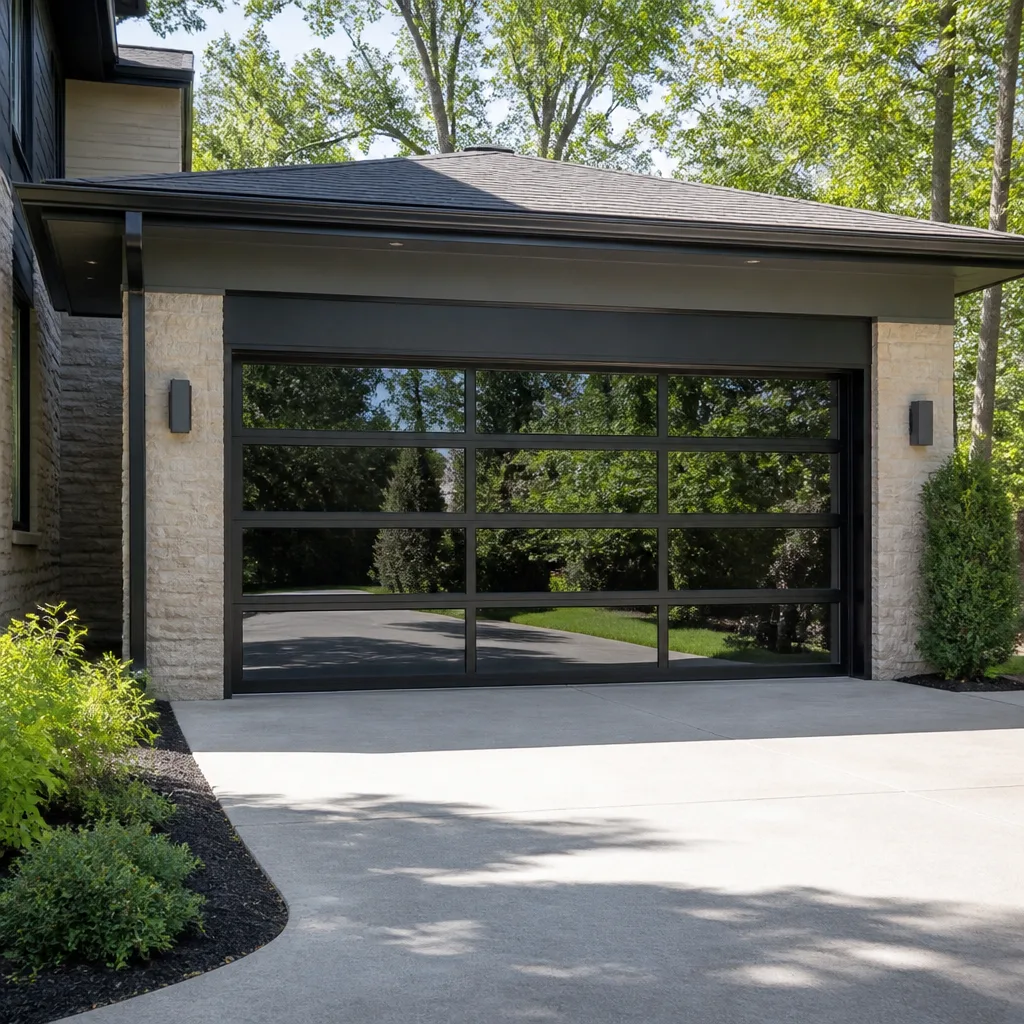 Full-view glass
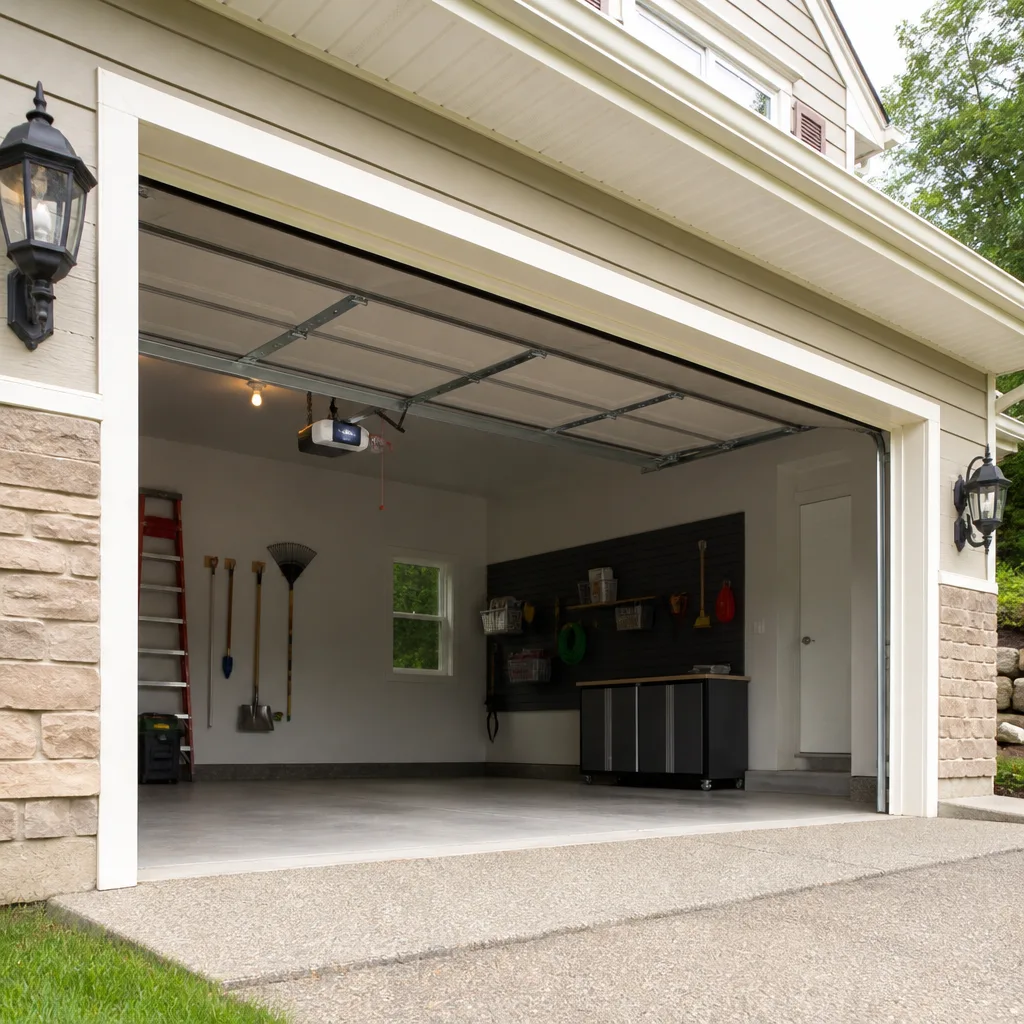 LiftMaster openers
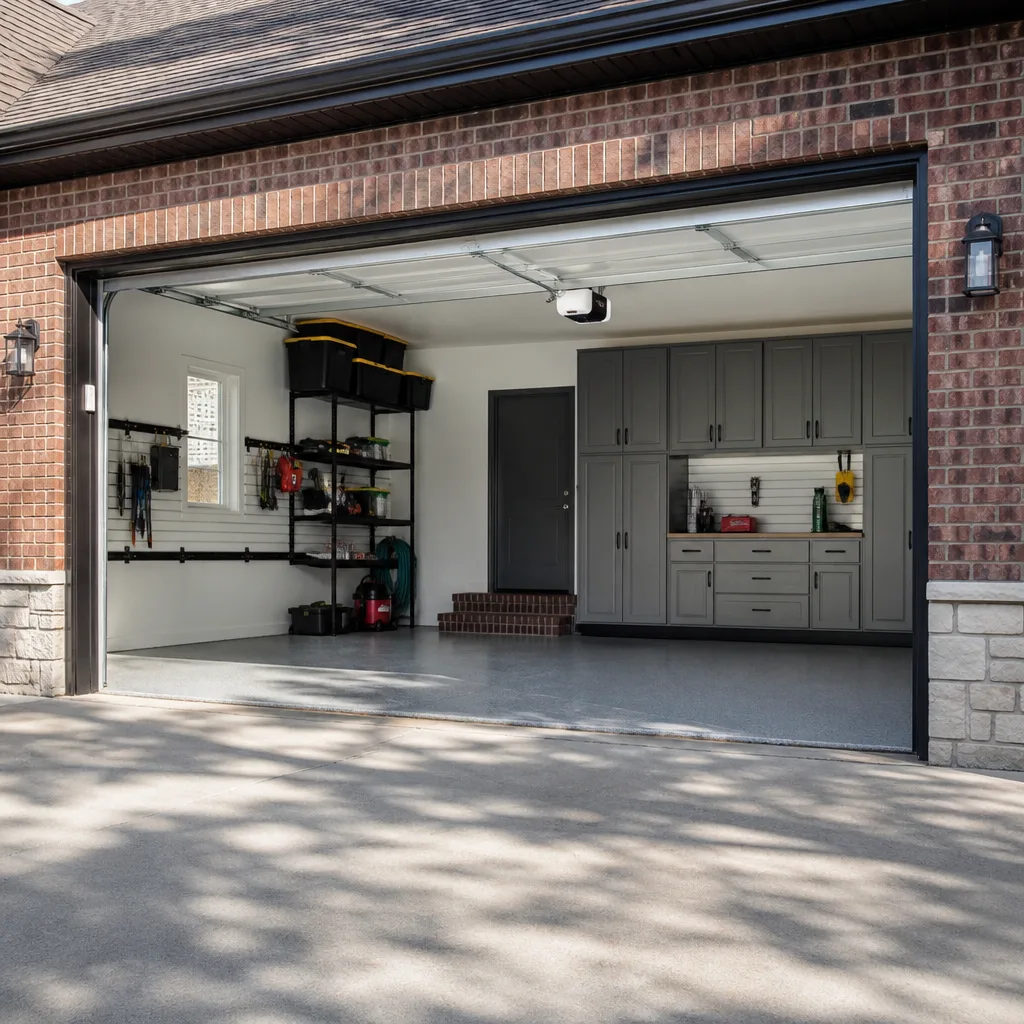 Chamberlain openers
Full 25-point door and opener safety check with every visit - springs, cables, rollers, tracks, and your LiftMaster or Chamberlain opener included
You get a price before we start. It does not change when the truck arrives.
Get your free estimateDIY vs Professional Garage Door: The Rosemead Homeowner’s Decision Guide
Most homeowners start a garage door repair video thinking the worst case is a door that still won’t open. The real worst case is a torsion spring letting go mid-turn and releasing torque through a steel winding bar into your hand. In Rosemead, where most homes have attached garages and the door gets used three or four times a day, the DIY question isn’t really about competence. It’s about knowing which tasks are maintenance and which ones are stored-energy work. This guide draws the line clearly, task by task, so you can save money where it’s safe and avoid a hospital trip where it’s not.
Quick Answer
Homeowners in Rosemead can safely handle lubrication, sensor alignment, remote programming, and weatherstripping replacement. Torsion spring repair, cable replacement, and header bracket work should always go to a professional, because the spring system holds 150 to 200 ft-lbs of torque at rest and a failure mid-repair causes serious injury. The DIY-versus-pro decision is less about skill and more about whether the component you’re touching stores enough energy to hurt you before you can react.
Styles & brands we work with
- Raised-panel steel
- Carriage house
- Modern flush
- Full-view glass
- LiftMaster openers
- Chamberlain openers
Table of Contents
- The Physics That Decides
- Safe DIY Tasks: What You Can Do This Weekend
- Professional Tasks: Where the Line Sits
- California and Warranty Implications of DIY Work
- The Real Cost of DIY: Tools, Mistakes, and Time
- The Hybrid Approach: Prep Work That Cuts the Bill
- Common Mistakes to Avoid
- When to Call a Professional
The Physics That Decides
A standard two-car garage door in Rosemead weighs between 150 and 250 pounds, depending on whether it’s a steel Clopay or a wood-framed Amarr model. You never feel that weight because the torsion spring above the door does the lifting. At rest, that spring is wound tight, holding roughly 150 to 200 ft-lbs of torque. That energy is always there, even when the door is closed and the opener is unplugged.
When a spring snaps, it releases all that torque in a fraction of a second. If you’re in the path, the winding bar becomes the dangerous part. The two most common DIY garage door injuries in California happen in two specific moments: first, when the homeowner loosens the set screws on a tensioned spring, and second, when a spring breaks unexpectedly during a door inspection and sends the winding cone or a ladder flying. Neither moment gives you time to react. We won’t tell you how to wind or unwind a spring, because the safe procedure is to not do it without the right tools and training.
This is what most DIY guides gloss over. They say “call a pro for springs” without explaining why. The why is that a torsion spring isn’t a worn-out part you remove; it’s a stored-energy device you have to decommission in a specific sequence, on a specific side, with winding bars the right diameter. Get the order wrong and the door doesn’t fall. The bar slips, and the spring takes the path through whatever is gripping it.
That’s the principle that sets the line for everything below. If a part stores energy, or moves in a way that can cut, crush, or whip, it’s a professional task. If it just needs cleaning, aligning, or reprogramming, it’s yours.
Safe DIY Tasks: What You Can Do This Weekend
Most of what keeps a garage door healthy in Rosemead is no more dangerous than checking your car’s air filter. The mild climate means you won’t deal with freeze-thaw, snow load, or rust from de-icing chemicals, so the wear parts you can reach are what need attention. Here are five tasks any homeowner with a step stool, a can of lubricant, and a little patience can do.
- Lubricating tracks, rollers, and hinges. Use white lithium grease on metal-to-metal contact points and a silicone-based spray on nylon rollers. Do this twice a year. It’s the single most effective way to reduce opener strain and extend the life of the door.
- Checking and realigning photo-eye sensors. If the door reverses when nothing is in the way, the sensors at the bottom of each track have likely drifted. Loosen the wing nut, adjust the sensor until the light turns solid, and retighten. No tools beyond a wrench.
- Programming remotes and keypads. Chamberlain, Genie, and LiftMaster openers all have a learn button on the motor unit. Press it, press the remote button, done. Programming is a menu-following task, not a repair.
- Replacing the bottom weatherstripping. The rubber strip along the bottom of the door degrades in heat and sun over time. You can buy a replacement at any hardware store in Rosemead, pull out the old one, and slide the new one in. This keeps dust, water, and pests out.
- Tightening loose track bolts. Tracks vibrate with every cycle. Check the bolts that mount the track to the wall and ceiling, snug them up, and the door will run quieter. Do not loosen or remove the track itself, and never touch a bolt on the bottom bracket where the cable attaches.
Each of these tasks is low-risk because you’re working on components that aren’t under significant tension. The worst outcome is usually a door that needs a second adjustment, not a trip to urgent care. If a task starts feeling like you’re fighting the door, stop. That’s the door telling you a spring or cable is doing more work than it should.
Professional Tasks: Where the Line Sits
We’re a garage door company, so you’d expect us to say “call us for everything.” We won’t, because that’s not honest advice and it’s not useful. But there is a short list of jobs that should never be attempted without professional training, full stop. These are the tasks where the energy stored in the door, the weight of the panels, or the tension in the cables turns a simple mistake serious.
- Torsion spring replacement. Covered above. This is the number one rule in the entire trade, and it applies whether you own a Chamberlain opener or a manual door. Call a professional.
- Extension spring replacement. Older Rosemead homes sometimes have extension springs along the horizontal tracks. They don’t store torque like torsion springs, but they stretch under load, and if one lets go it becomes a projectile. They also need safety cables run through them, which requires knowing the right anchoring points.
- Cable replacement. The lift cables run from the bottom bracket, up the sides, and onto the drum. They carry the full weight of the door whenever it’s in motion. If a cable snaps or frays, the door can drop, and a dropped 200-pound door is a crushing hazard. Cables also run on drums that sit right next to torsion springs, which is the second reason to leave it alone.
- Header bracket installation or reinforcement. The header bracket is the steel plate above the center of the door where the opener rail attaches. It takes the entire pulling force of the opener every cycle. If it’s pulling loose, the fix means lag bolts into solid framing, which requires knowing where the studs are and whether the header needs reinforcement. Do it wrong and the opener falls.
- Opener rail disassembly or motor replacement. Replacing a gear inside a Chamberlain or Genie opener is a 12-step job with tiny parts and specific torque requirements. You might get it done. You might also reassemble something one tooth off and create a door that slams on the next cycle. The line here is internal opener diagnosis. Programming is DIY; opening the case is not.
None of this is gatekeeping. It’s the same list we’d give a friend. The people who get hurt on garage doors aren’t careless. They’re capable, and they under-estimated how much energy the system holds. On a door in Rosemead that cycles 1,000 times a year, that energy never sleeps, even when the power is off.
California and Warranty Implications of DIY Work
Here’s something most DIY guides never mention: your garage door is a manufactured product under warranty, and in California, you can void that warranty with self-performed work. Clopay, Amarr, Wayne Dalton, and Raynor all publish warranty terms that require installation and repair by qualified persons. The language varies, but the principle doesn’t. If you replace a spring yourself and the spring fails, causing the door to fall and crack a panel, the manufacturer can deny the panel replacement because the root cause was non-qualified work.
Your homeowner’s insurance is a separate concern. In Rosemead and across California, a self-inflicted garage door injury is generally covered as a medical claim under most homeowners policies, but a door that fails and damages your car because of an improper spring installation might not be. Insurers commonly ask who performed the repair. If the answer is “I did, with a YouTube tutorial from a channel I don’t remember,” the claim process gets complicated.
The practical takeaway isn’t “never touch your garage door.” It’s “never touch the parts a manufacturer would look at first when denying a claim.” Lubricating your rollers doesn’t void anything. Replacing your own torsion spring might.
Beyond warranty language, Rosemead falls under Los Angeles County building codes, which require permits for structural work but not for routine garage door repair or opener replacement. The exception is if the width of the door opening changes, which is a structural modification. For that, you’d need a permit and probably a general contractor. For a like-for-like door replacement or spring repair, no permit is needed. If you’re ever unsure, ask the city’s building department before work starts.
The Real Cost of DIY: Tools, Mistakes, and Time
The math most people do is simple: the pro quoted $380, the spring kit online is $120, so DIY saves $260. But that math only works if the spring is the only thing you need to buy, the install goes perfectly the first time, and your time is free. Let’s run the actual numbers for a torsion spring job on a typical Rosemead two-car door.
Tool Costs
- Torsion spring winding bars: $30 to $45 for a pair of correct-diameter bars. Using screwdrivers or rebar is how winding bars slip.
- Vice grips: $15 to $25, and good ones make the difference between the bar staying put and the bar walking.
- Torsion spring kit (one spring): $110 to $160 for a standard pair-wound spring, depending on door weight and brand. Note that springs are replaced as a matched pair, so double it.
- Total tool and part outlay: $235 to $390 before you’ve touched the door.
Now add the first-timer mistake risk. Many homeowners loosen the set screws while the spring is still tensioned, which gouges the shaft and requires a new tube. That’s another $80 and another afternoon. Others install the wrong spring size, which means the door won’t balance, which means the opener works harder, which means an opener failure in a year. That’s another $300 to $500, and now you’re at a grand total above what the pro charged.
And then there’s the time. A professional spring replacement in Rosemead takes 60 to 90 minutes. A first-time DIY spring replacement takes four to six hours, start to finish, including two trips to the hardware store. If your earning rate is $60 an hour, you just spent $360 of your time to save $260. That’s before we count the risk.
None of this applies to safe tasks. Lubricating your door takes 20 minutes and $12 of product. Reprogramming a Genie opener takes five minutes and costs nothing. The DIY savings are real on the low-risk side and mostly illusory on the dangerous side.
The Hybrid Approach: Prep Work That Cuts the Bill
There’s a third option between “DIY everything” and “call a pro and step away.” You can do the prep work yourself, learn enough to talk intelligently with a technician, and reduce billable labor without touching a single dangerous component. We like this option because it gives you a stake in the job and transparency into the repair. Here’s a five-step hybrid plan for a typical garage door repair in Rosemead.
- Measure your door and record the brand. Look at the sticker on the inside of the track or on the top panel. Write down the model, height, width, and whether the panel is steel, aluminum, or wood. If it’s an Amarr or Clopay, the model number tells us what parts it needs. This saves a diagnosis call.
- Photograph the problem area. A clear photo of a frayed cable, a rusted spring, or a bent track helps us bring the right part on the first trip. Ten seconds on your end, no extra labor on ours.
- Clear the area around the door. Move bikes, boxes, and cars at least six feet back from the door. We bring this up because it’s the number one reason a repair takes longer than it should. Paying for labor while crew members shuffle your storage totes isn’t a good deal.
- Clean the tracks yourself. Wipe the visible grime out of the vertical tracks with a rag and some isopropyl alcohol. Do not use grease. This ten-minute job lets us see the track condition immediately.
- Confirm the opener brand and count the remotes. If a spring repair reveals an opener problem, knowing it’s a Chamberlain with three remotes lets us plan for the garage door opener repair in the same visit instead of ordering parts.
This hybrid approach works because most of the prep is information-gathering, not repair. You’re not turning a wrench on anything that could hurt you. You’re making the professional’s job faster, which is exactly the part of the bill you can control.
Common Mistakes to Avoid
- Using WD-40 on torsion springs or rollers. WD-40 is a degreaser and moisture displacer, not a long-term lubricant for a door system. It works for a week and then the door gets louder than it was. Use white lithium grease on metal and silicone spray on nylon.
- Touching the red bolts. Some doors have red-painted bolts on the bottom brackets where the lift cables anchor. Those are under constant tension. Never loosen them, even if a video says you can.
- Replacing one spring only. A matched pair of torsion springs wears at the same rate, because they share the load evenly. Replacing only the broken one guarantees a second failure within the year and throws the door balance off. Pair replacement is standard practice.
- Adjusting travel limits to compensate for a broken spring. When a spring fails, the opener strains to move the door. Some homeowners respond by cranking the opener force settings higher. That’s how you burn out a motor and mask a spring that could break your hand. Never adjust force settings as a workaround.
- Unbolting the opener rail without disengaging the carriage. If you’re replacing an opener and detach the rail while the carriage is still engaged to the chain, the chain can whip when tension releases. Disengage the carriage with the pull rope first, or better, let a professional handle the full swap.
- Assuming the door is dead weight when the opener is unplugged. The door weighs 200 pounds; the opener just assists it. If a cable comes off while you’re under the door, the door drops. Always support the door with a clamp or block before working under it, and never put your head or hands under an unsupported door.
- Calling a generalist to save money. A handyman who does garage doors, plumbing, and drywall on the same day is cheaper per visit but more expensive per mistake. Garage Door Repair Rosemead works on garage doors exclusively, and that focus is the difference between a first-try diagnosis and a parts guess.
When to Call a Professional
If the door is stuck halfway, a spring is visibly broken, a cable is frayed anywhere along its length, or the opener makes a grinding noise while the door won’t move, stop troubleshooting and call. These are symptoms of a system under fail-load. The longer it runs that way, the more likely a secondary failure follows.
If you hear a bang like a firecracker from inside the garage, that’s a spring letting go. Don’t try to operate the door manually. The opener will strain against the dead weight and the door will be dangerously unbalanced. If the door comes off its tracks, do not try to lift it back on; the panels are heavier than they look and the track edges are sharp.
This is where the specialist difference matters. A company that does only garage doors in Rosemead sees every one of these failures weekly. The diagnosis is fast because it’s pattern recognition, not guesswork. And the parts, whether for a Chamberlain opener or a Clopay door, travel on the truck because they’re the parts that fail on garage doors most often. Garage Door Repair Rosemead offers free estimates in Rosemead. Call (855) 382-3118. We answer 24/7. Fast dispatch from 7am to 7pm.
See the difference
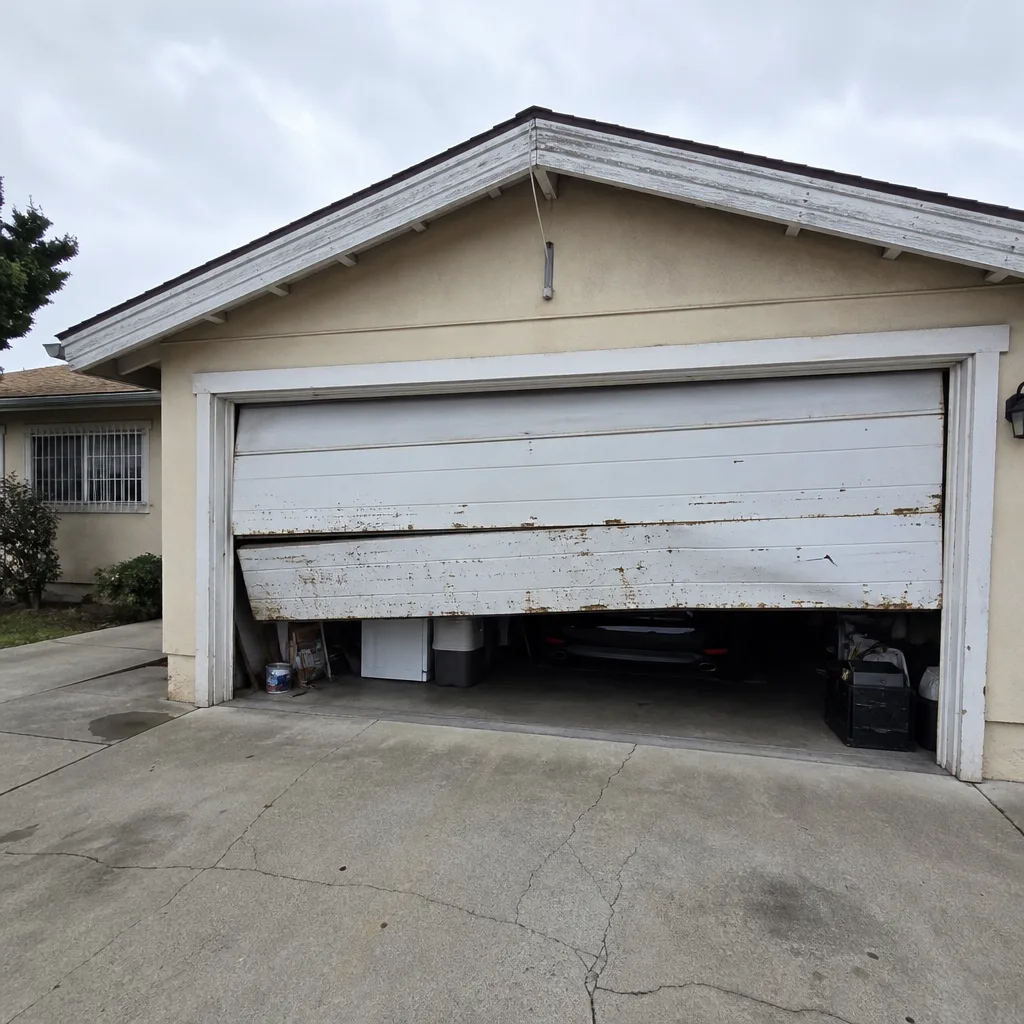 Before
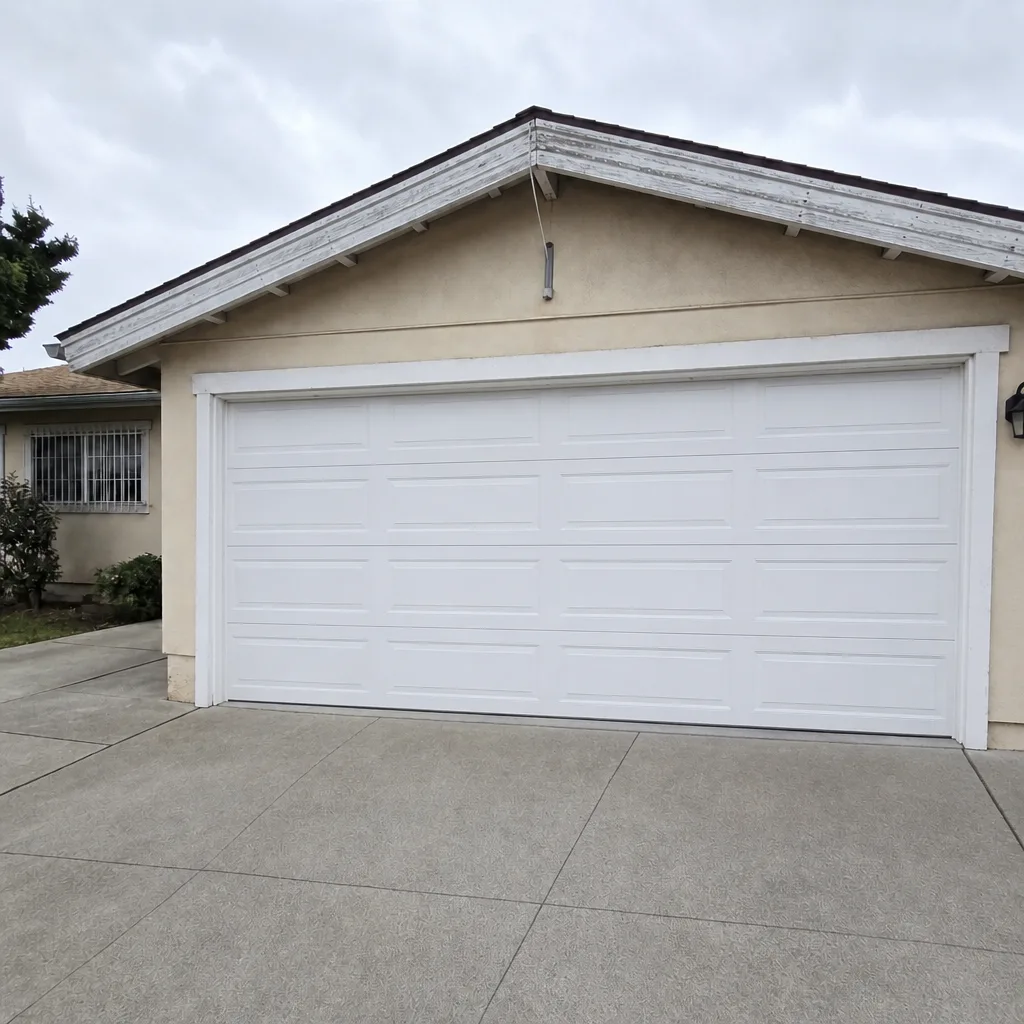 After
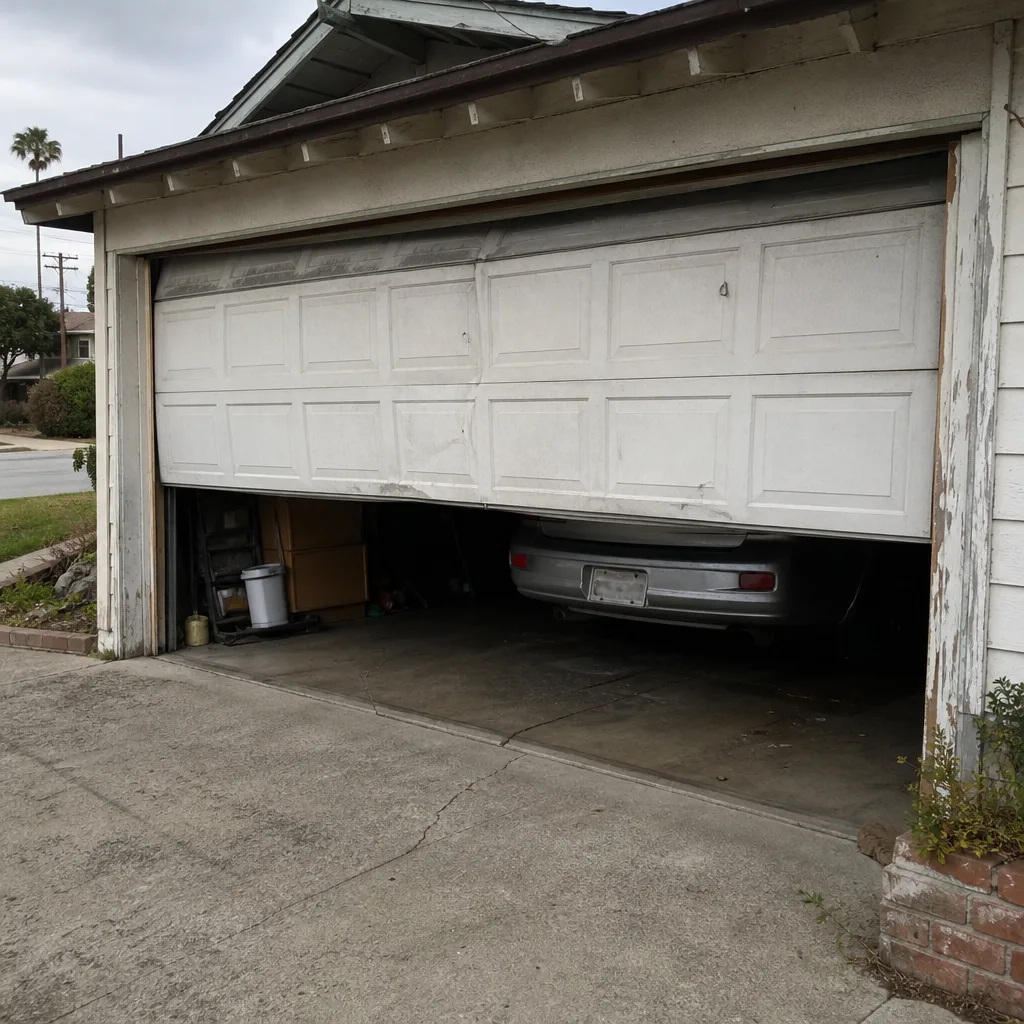 Before
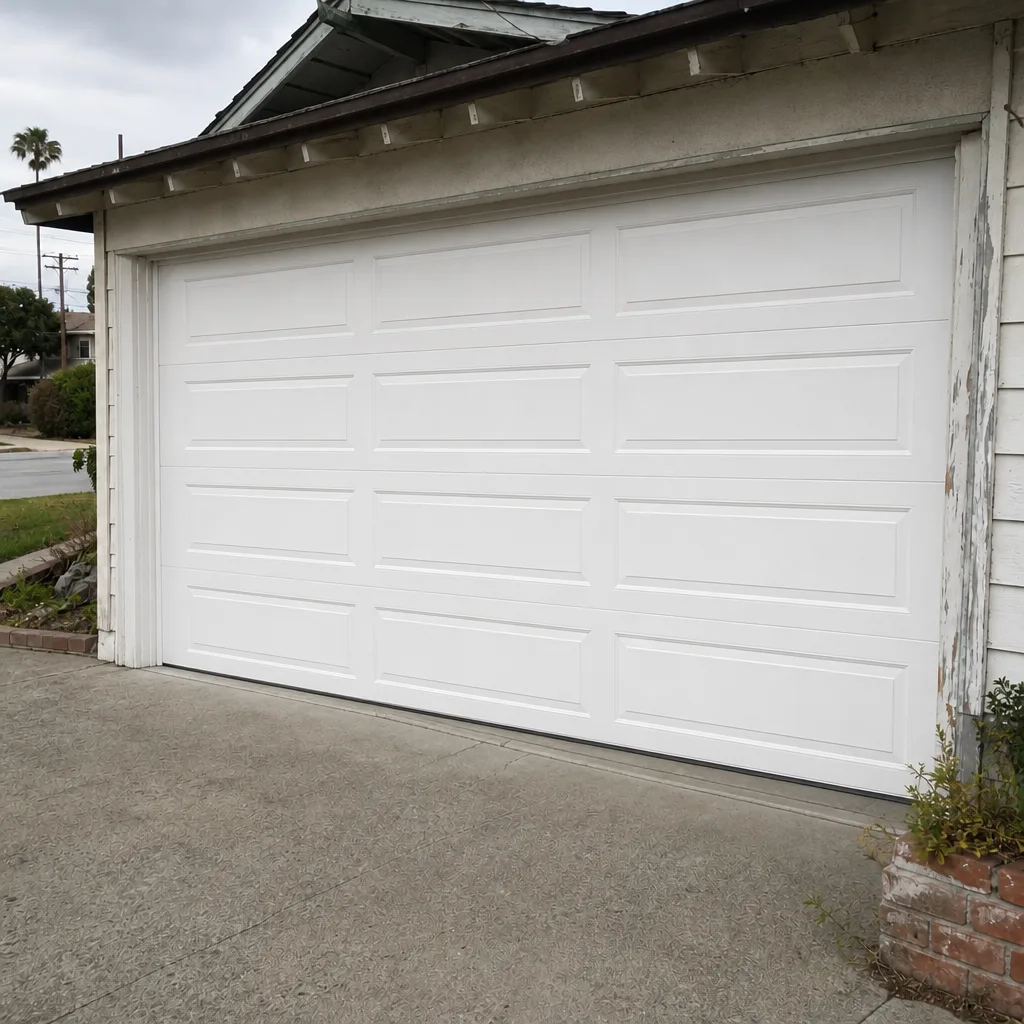 After
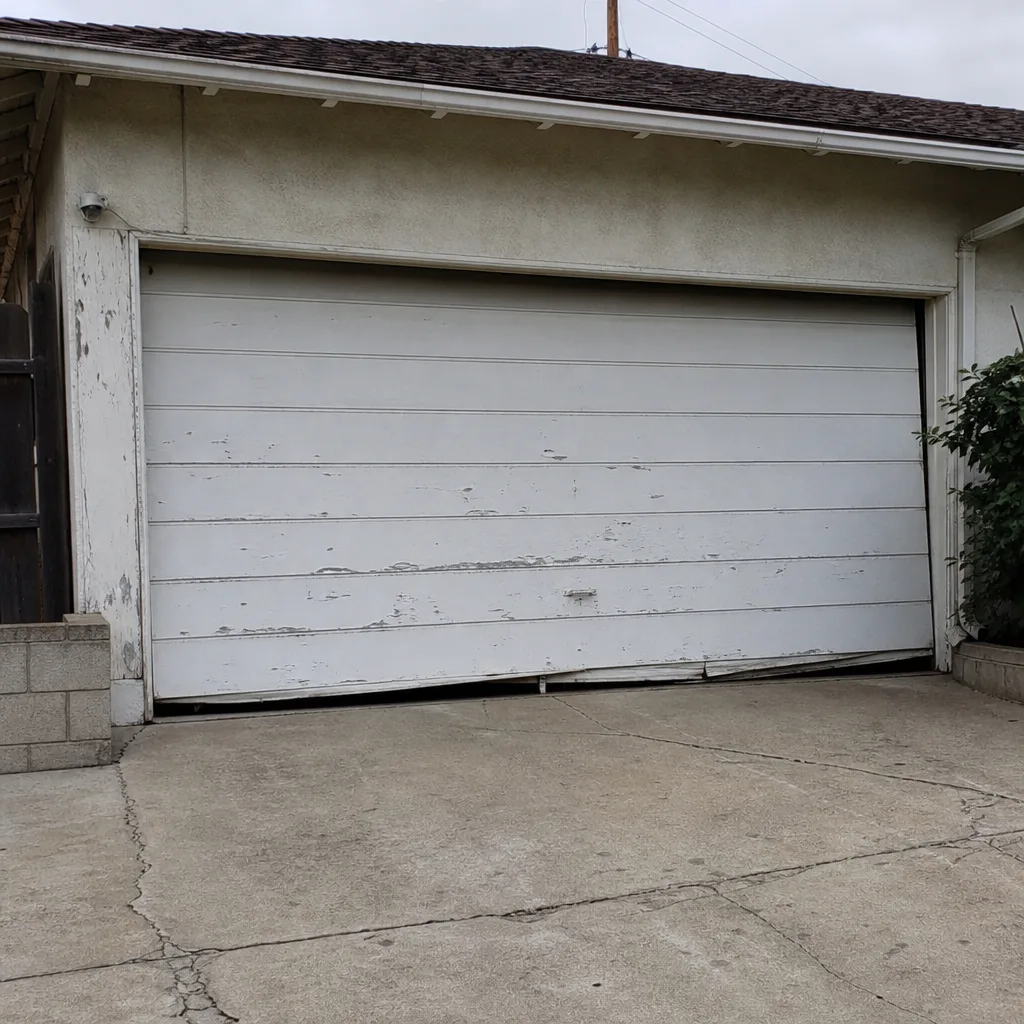 Before
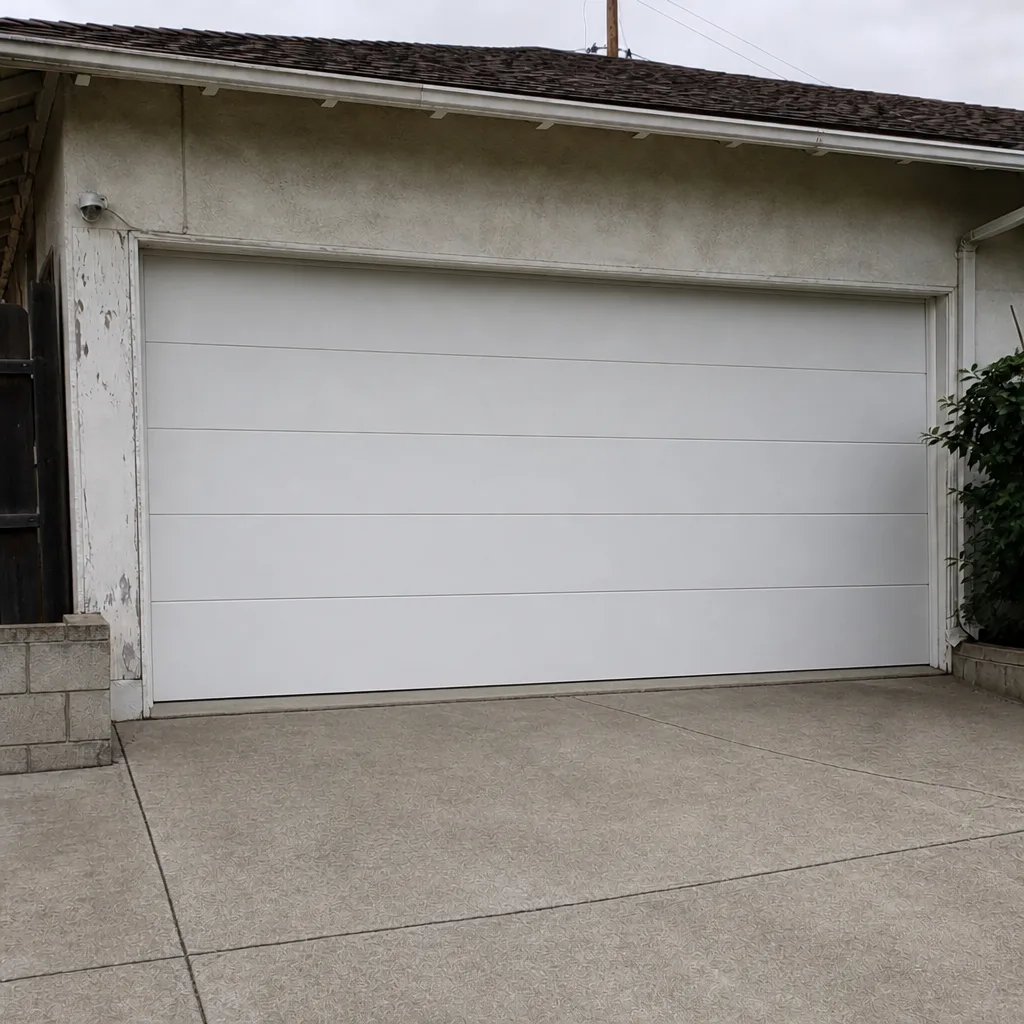 After
Frequently Asked Questions
No. Torsion springs hold 150 to 200 ft-lbs of torque at rest and release that energy instantly if the winding bar slips. The injury risk is not worth the savings, and the repair also risks voiding your door’s manufacturer warranty. Call (855) 382-3118 for an exact quote, estimates are free.
You can safely lubricate rollers and hinges, realign photo-eye sensors, reprogram remotes and keypads, replace bottom weatherstripping, and tighten loose track bolts. These tasks don’t involve stored energy and rarely cause damage or injury. Anything involving springs, cables, drums, or internal opener parts should go to a professional.
A torsion spring replacement in Rosemead typically costs $280 to $420 for the spring, pair-matched, plus $100 to $150 in labor. The final price depends on the door’s weight and spring size, and the written estimate sets the exact cost before work begins.
Potentially, yes. Clopay, Amarr, Wayne Dalton, and Raynor warranties all include language requiring qualified repair and installation. Self-performed spring, cable, or opener work can give a manufacturer grounds to deny a follow-up claim. Routine maintenance like lubrication doesn’t void anything.
In most cases, yes. We answer 24/7 and dispatch technicians from 7am to 7pm, Sunday through Friday. Spring replacements and cable repairs usually go from call to completion in under three hours, and many jobs are done the day you call. Call (855) 382-3118 to check the next opening.
No. The written estimate sets the full price, including parts, labor, and disposal. It’s agreed to before any work starts. If we find something unexpected during the repair, we stop and get your sign-off before continuing. Nothing gets added to the invoice without your approval.
Yes. Our trucks carry the springs, cables, rollers, hinges, and opener parts most commonly needed for Chamberlain, Genie, Clopay, and Amarr doors in the Rosemead area. That’s one reason most repairs finish in a single visit. If a specialty part must be ordered, we handle that and schedule the follow-up before we leave.
The Bottom Line
The DIY-versus-professional question for garage doors isn’t a spectrum of skill. It’s a bright line drawn by stored energy. Lubrication, sensors, remotes, weatherstripping: yours. Torsion springs, extension springs, cables, header brackets, opener internals: ours. In Rosemead, where doors cycle daily in mild, dusty conditions, the maintenance side of that line keeps your door quiet and your opener alive. The professional side keeps you out of the emergency room and your warranty intact. Most jobs, you’ll do some of the first and call for the second. That’s the right split, and it’s the one honest mechanics of every trade live by.
Written by the team at Garage Door Repair Rosemead, serving Rosemead since 2015.