
Last updated November 4, 2026
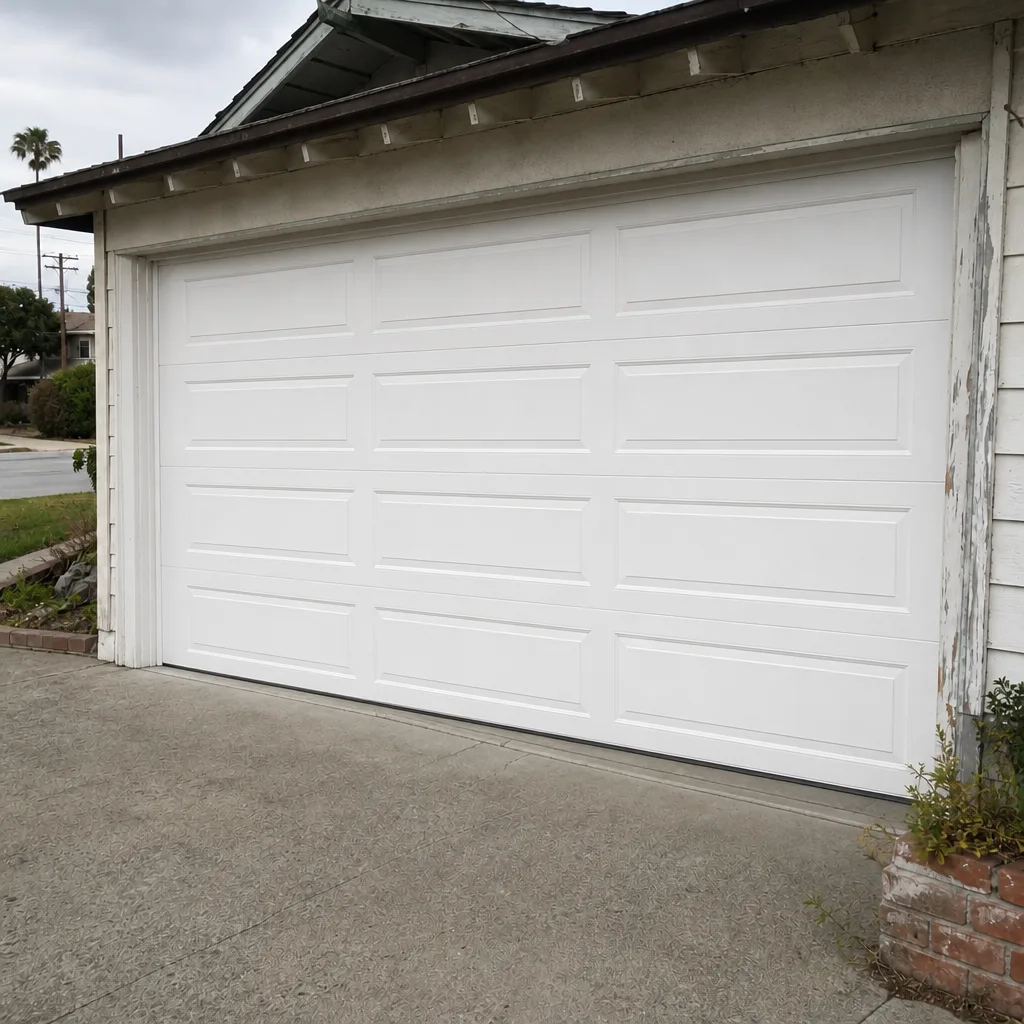
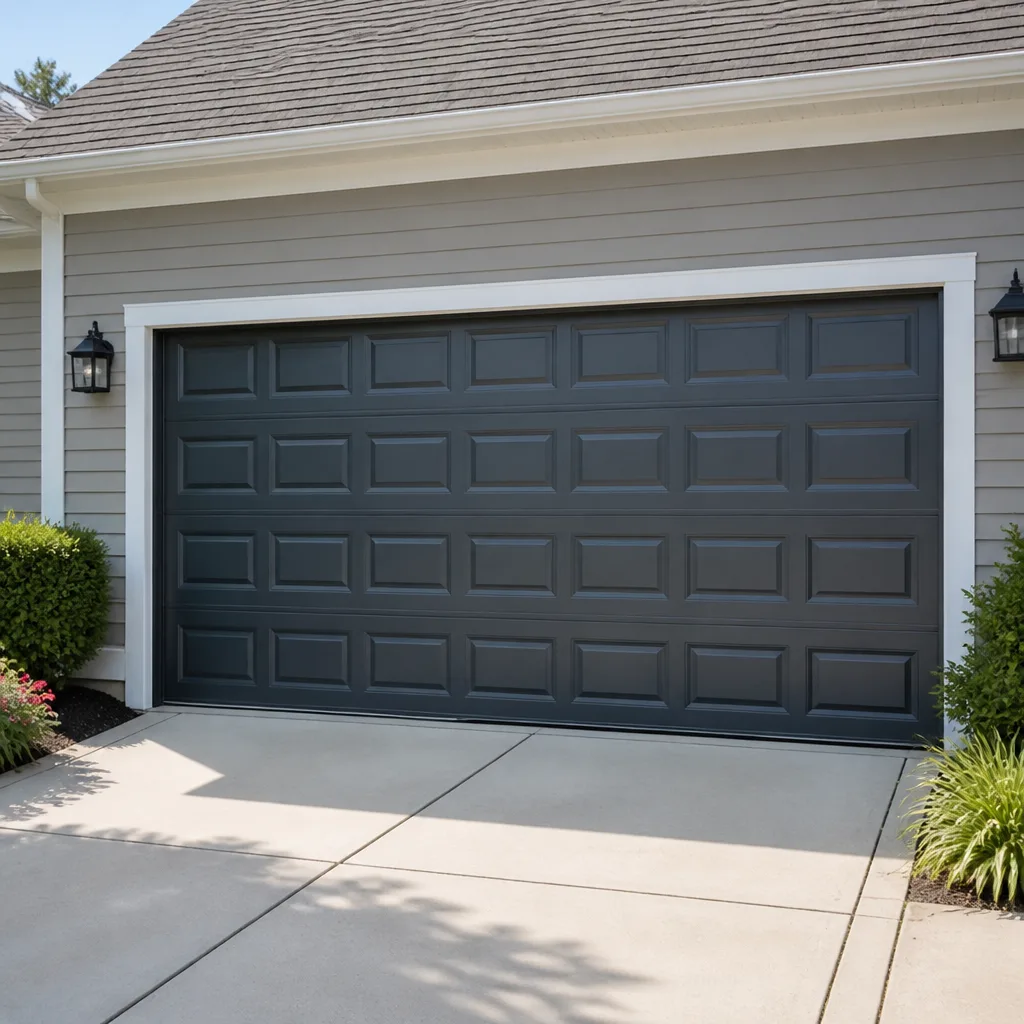 Raised-panel steel
 Carriage house
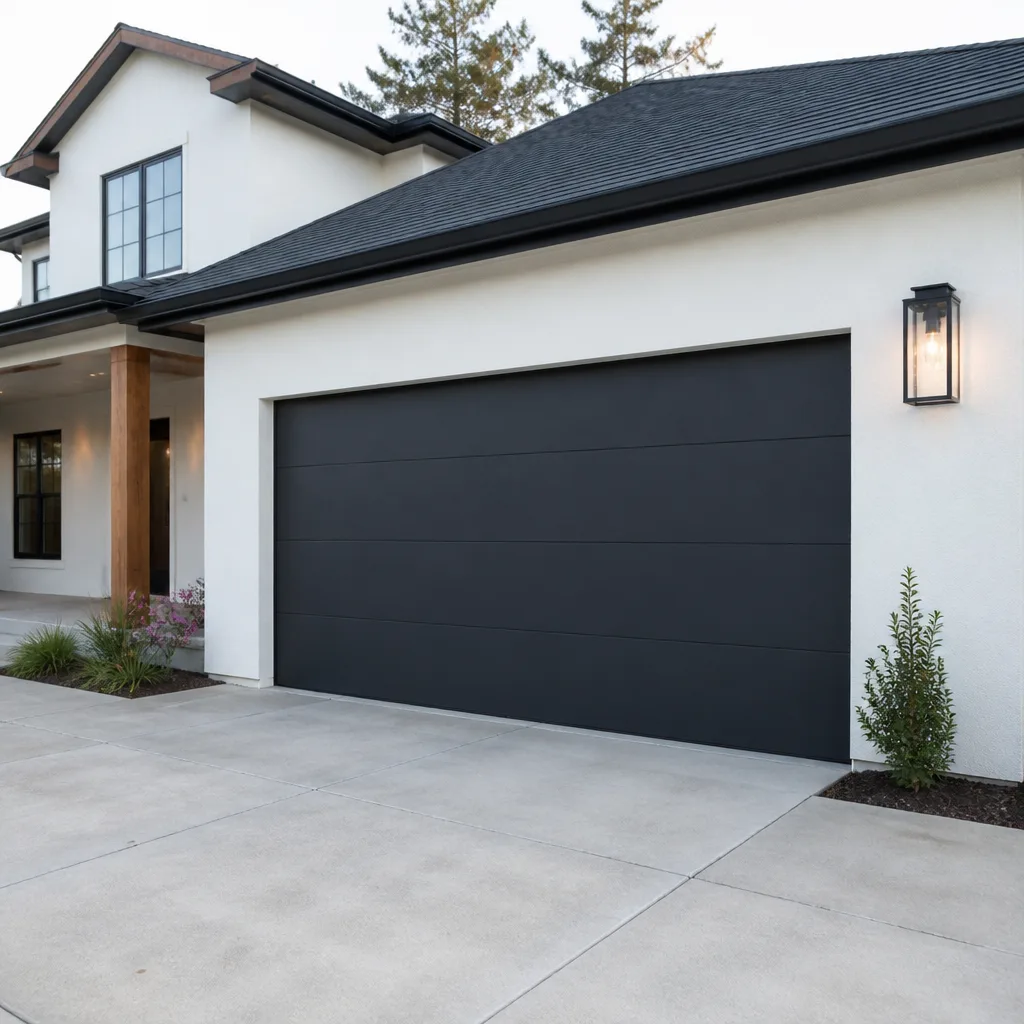 Modern flush
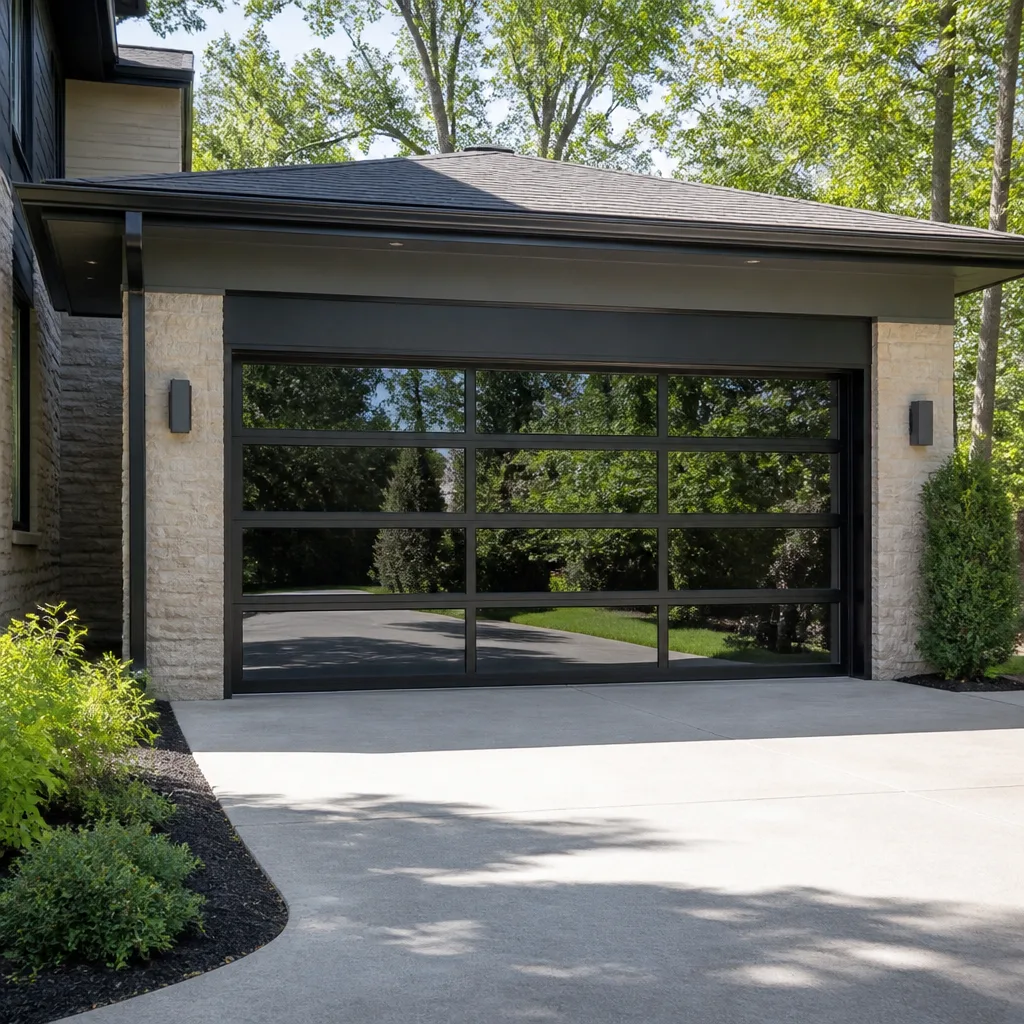 Full-view glass
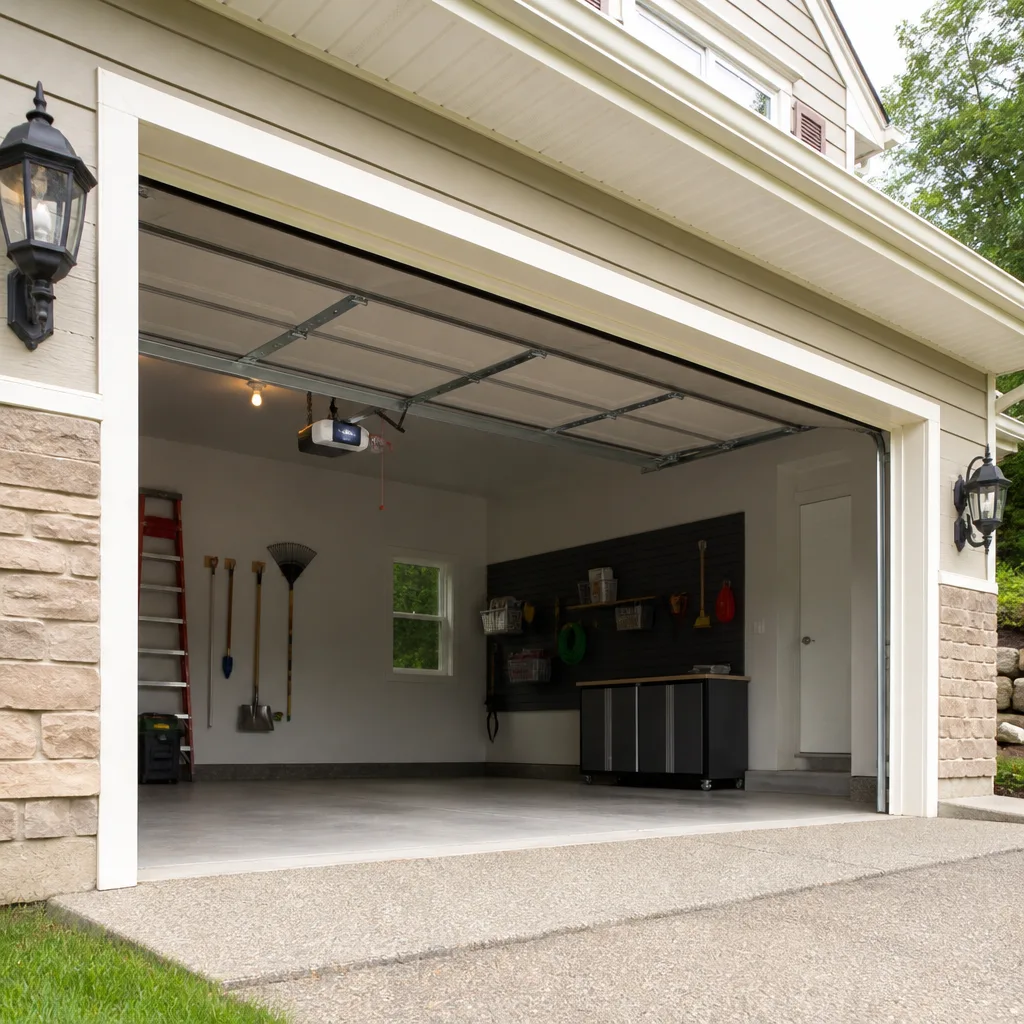 LiftMaster openers
 Chamberlain openers
Full 25-point door and opener safety check with every visit - springs, cables, rollers, tracks, and your LiftMaster or Chamberlain opener included
You get a price before we start. It does not change when the truck arrives.
Get your free estimateGarage Door Emergency Preparedness Guide for Rosemead Homes
Most Rosemead homeowners have a fire extinguisher under the sink and bottled water in the pantry, but almost nobody has ever practiced opening their garage door by hand. That changed for a lot of people during the last major Southland power outage, when thousands discovered they didn’t know how to manually release their garage door opener. Not because they were careless people. Because nobody had ever shown them where the red cord is, when to pull it, or what happens next if the door is off-balance. This guide covers what standard emergency planning skips: how to get your vehicle out when the power is down, what a 6.0+ earthquake does to a standard double-wide door, and which visual checks tell you a door is unsafe to operate after the ground stops shaking.
Styles & brands we work with
- Raised-panel steel
- Carriage house
- Modern flush
- Full-view glass
- LiftMaster openers
- Chamberlain openers
Quick Answer
A garage door is an emergency exit, not just a convenience. Every Rosemead home should have a working manual release cord, a plan for power outages (battery backup or manual operation), and a post-earthquake inspection habit before touching the opener button. The most important 60 seconds of any garage door emergency is knowing whether the door is balanced enough to lift by hand or whether lifting it will cause more damage or injury.
Table of Contents
- How to Manually Open Your Garage Door During a Power Outage
- Earthquake Preparedness for Rosemead Garage Doors
- Battery Backup Openers: What Actually Works During an Outage
- Post-Earthquake Garage Door Inspection: What to Check Before Operating
- Door Stuck Mid-Travel: Getting Vehicle Access in Five Minutes
- How to Test Your Door’s Balance Before an Emergency
- Common Mistakes to Avoid
- When to Call a Professional
- Frequently Asked Questions
- The Bottom Line
How to Manually Open Your Garage Door During a Power Outage
When the power drops in Rosemead, your opener becomes a very heavy paperweight. The door itself still works mechanically, but only if you can disconnect it from the opener’s carriage. Every opener installed in the last forty years has a manual release mechanism, and the procedure is nearly identical across brands. Start by locating the red cord hanging from the opener rail near the motor. It usually has a red plastic handle at the bottom. Pull it down and toward the door. You’ll hear a click. That click means the carriage has disengaged from the chain or belt.
Now stand inside the garage, grip the door’s bottom handle or the bottom rail, and lift. A properly balanced door will rise with moderate effort and stay up when fully open. If the door feels like it weighs 200 pounds or starts to drift back down, stop lifting immediately. Something is wrong with the spring system, and continuing to force it can snap a cable or damage a panel. In that situation, close the door by hand (if it will close) and call for garage door repair rather than risking an injury.
A note on modern openers from LiftMaster and Chamberlain: some models have an automatic lock that engages when the door is in the closed position. If you pull the cord and the door refuses to budge, the lock may still be engaged. You’ll need to open the release mechanism fully and, on some units, pull the cord a second time after the door has moved a few inches. This confuses a lot of people in the dark because the door feels bolted shut. It isn’t. It just needs the right sequence.
Practice this once on a normal day, in daylight, with the door in the closed position. The time to learn how your specific opener disengages is not during an evacuation.
What Can Go Wrong If the Door Is Off-Balance
An off-balance door is the single most common reason manual operation fails during an emergency. The torsion spring above the door is what makes a 150 to 250 pound door feel like 15 pounds. When that spring is worn or broken, the door is dead weight. If you release the opener and try to lift an off-balance door, three things typically happen:
- The door rises a foot, then slams back down because you can’t hold it.
- A lift cable jumps off the drum, which then requires a service call to correct.
- The door twists in the track and jams, making it impossible to open or close without professional help.
None of those outcomes help you during an emergency. That’s why the balance check in this guide matters. A door in good balance is a door you can operate by hand. A door out of balance is a door that will fail exactly when you need it most.
Earthquake Preparedness for Rosemead Garage Doors
A standard double-wide garage door is the largest single opening in your home’s structure. In a 6.0+ event, that opening becomes a flex point. The wall above the door, called the header, carries load from the second floor or roofline. The door itself is just steel panels in a track, offering zero structural support. What keeps the wall from racking sideways during strong ground motion is shear resistance, and a 16-foot-wide garage opening reduces that resistance dramatically compared to a solid wall with windows.
For Rosemead homes built before the mid-1990s, the garage opening is often the weak point in the building envelope. Retrofitting for seismic safety isn’t just about bolting the house to the foundation. It can also mean reinforcing the garage wall line, adding plywood shear panels on either side of the door opening, or, in some cases, installing a steel moment frame around the opening. Those upgrades are structural work, not garage door repair. But the door itself matters too.
The garage door industry has addressed seismic racking with products like reinforced track systems and horizontal bracing struts that prevent the door from departing its tracks when the wall flexes. If your Rosemead home has an older wood door or a lightweight aluminum door, a seismic bracing upgrade is worth discussing with a structural engineer. The door must remain in its tracks to protect your vehicles and to keep debris from blocking your exit route.
Our advice to Rosemead homeowners is simple. Treat your garage door like any other part of your earthquake plan. Know how to open it manually. Know what it looks like when the tracks are bent. And after a quake, do not press the opener button until you’ve done the visual inspection in the next section of this guide. A door that’s off its track will destroy itself if the opener tries to lift it.
There’s also a planning angle most people miss. If your garage contains your only vehicle and the door won’t open after a quake, you’re stuck. If the garage is attached and a fire starts after a rupture, a jammed door blocks a primary exit. The time to test manual operation and balance is before the shaking starts, not after.
Battery Backup Openers: What Actually Works During an Outage
Battery backup openers solve the power outage problem without requiring you to lift the door by hand. The major brands have offered this feature for years, and the technology has improved enough that homeowners can expect reliable runtime and predictable performance, not a marketing promise with an asterisk.
LiftMaster and Chamberlain both offer battery backup built into their premium smart opener lines. On a fully charged unit, a LiftMaster or Chamberlain battery provides roughly 24 open-and-close cycles over a meaningful runtime after grid power drops, depending on door size and balance. That’s designed to handle a family coming and going normally for a day or two, not running the door open and closed all afternoon. Genie also offers battery backup on some of its openers, which is worth knowing if you already own a Genie unit.
One thing that surprises Rosemead homeowners: a battery backup only works if the opener itself is functioning. That sounds obvious, but a battery doesn’t help when a spring is broken. If the door can’t move because of a mechanical failure, no amount of stored power will lift it. Battery backup solves one problem: loss of grid power. It does not solve broken springs, snapped cables, bent tracks, or worn gears. Keep that distinction clear in your planning.
For homeowners who want the most robust setup, the smart-home-integrated LiftMaster and Chamberlain systems offer Wi-Fi connectivity so you can operate or monitor the door from a phone, even when you’re not home, as long as your home network and internet are up. If the power outage also knocks out your internet router, the phone app won’t help. But the wall button and the battery will still work. Plan for offline operation first, smart features second.
If your current opener doesn’t have battery backup, garage door opener repair may not be the right frame. You want an opener replacement or an upgrade. The difference matters: repair fixes what’s broken on a functioning opener. Upgrading to a battery backup unit is an installation decision. We work on LiftMaster, Chamberlain, Genie, Craftsman, and Raynor, so if you own one of those brands and want to know whether your unit can accept a battery backup retrofit or whether you need a new head unit, we can tell you straight.
Post-Earthquake Garage Door Inspection: What to Check Before Operating
After any earthquake strong enough to rattle dishes, treat your garage door as potentially unsafe until you’ve spent five minutes checking it. This is not paranoia. It’s the same logic as checking a chimney before lighting a fire. The door is heavy, the springs are under extreme tension, and if the tracks have shifted even half an inch, pressing the opener button can rip a panel out of the opening or pull a track off the wall.
Start by standing outside the closed door. Look at the gap between the door and the frame on both sides. It should be even from top to bottom. If one side is wider at the top or bottom, the door has shifted in its tracks. Do not open it. Next, step inside and examine the roller tracks where they mount to the wall. Check the mounting brackets for pulled screws, bent metal, or gaps between the track and the wall. Any of those mean the track has moved.
Now look at the springs above the door. A torsion spring is the long coil on a metal shaft mounted horizontally above the closed door. It should be straight, with coils evenly spaced, and under tension. If the spring is dangling, separated, or you see a visible gap in the middle, it’s broken. Do not attempt to operate the door. A broken spring is not a DIY fix. The tension in a garage door spring can seriously injure someone who doesn’t know exactly how to work with it. Call a professional.
Check the cables on both sides too. They run from the bottom of the door up to the drums near the spring. They should be taut and seated in the grooves. A loose or frayed cable means the door can drop when released. That’s another do-not-operate situation.
Finally, open the door manually, not with the opener. Use the release cord and lift slowly. Feel for binding, grinding, or a door that wants to swing sideways. If anything feels wrong, stop and call for help. If the door opens smoothly and stays balanced, you can re-engage the opener and use it normally.
Door Stuck Mid-Travel: Getting Vehicle Access in Five Minutes
A door that’s half-open and won’t move is one of the most frustrating emergency scenarios. The opener is trying, the motor hums or clicks, and nothing happens. You need the car out now. Here’s what to do, in order:
- Stop pressing the opener button. Every press adds strain to a mechanism that’s already stuck. Unplug the opener or switch off the breaker if possible.
- Pull the red release cord. This disconnects the door from the opener carriage. If the door was under tension from the motor, it may lurch slightly when released. Stand to the side, not directly under the door.
- Try to lift the door manually. If it won’t move, check the track on both sides. Look for an object blocking a roller, a track that has pulled away from the wall, or a cable that has come off its drum.
- If the door is visibly off-track, do not force it. An off-track door is a two-person or professional job. Forcing it can bend panels and release spring tension unpredictably.
- If the door moves but is heavy, the spring may be broken. Check the spring above the door. If it’s separated, stop. You may be able to lift the door partway with a helper, but lifting a 200-pound door with a broken spring is risky. In an evacuation, a partial opening may get smaller cars out. Use your judgment, and never put fingers in the track or under the door.
In most cases, if the door has simply disconnected from the opener and is otherwise in balance, you can open it manually, pull the vehicle out, and leave the door closed until service arrives. If the door is stuck, jammed, or off-track, call a Garage Door Repair Rosemead technician. This is not a situation to solve with a pry bar and determination.
How to Test Your Door’s Balance Before an Emergency
A balanced garage door is the foundation of emergency readiness. When the door is balanced, you can open it by hand, the opener doesn’t strain, and the springs last longer. When it’s out of balance, every emergency scenario in this guide gets worse. Testing balance takes less than two minutes and requires no tools.
Start with the door closed. Pull the manual release cord to disconnect the opener. Now lift the door to about waist height, between three and four feet off the ground. Let go. A balanced door will stay roughly where you left it. It may drift up an inch or down an inch, but it should not slam down or fly up.
Next, open the door fully by hand. It should rise smoothly and the bottom panel should sit at or slightly below the top of the opening. Close it by hand. It should not accelerate downward. If you have to push hard to close it or hold it back to keep it from crashing down, the spring tension is wrong.
If the door slams when you let go at waist height, the springs are weakening or the wrong size. If the door flies up, the springs are over-tensioned. Both conditions shorten the life of the opener, cause cable problems, and mean the door is not safe to operate manually in an emergency. A balance check that fails is a reason to call for professional service, not a reason to avoid touching the door until something breaks.
Common Mistakes to Avoid
- Pulling the release cord while the door is open. If the door is fully open and a spring breaks while you’re disconnecting it, the door can drop. Releasing a door in the open position, especially if it’s off-balance, is dangerous. Do it with the door closed.
- Assuming the opener will work during a power outage because it has a battery. The battery powers the motor. It does not fix broken springs, jammed tracks, or snapped cables. Many Rosemead homeowners discover this at the worst possible time.
- Operating the door after an earthquake without checking the tracks. A track that’s shifted half an inch will cause the opener to rip the door apart. Five minutes of visual inspection prevents a $1,000 repair bill and a blocked exit.
- Trying to replace a torsion spring yourself. This is the one repair that genuinely can kill you. The spring holds hundreds of pounds of torque. It’s not a YouTube project. Call someone who works on springs every week.
- Ignoring a noisy or slow door until it fails. A door that grinds, jerks, or moves unevenly is telling you something. Most emergency failures we see in Rosemead start as noise that was ignored for months.
- Not knowing where the release cord is. In a dark garage during an evacuation, you need to find the cord by feel. If you’ve never pulled it, now is the time to learn.
- Pressing the opener button repeatedly when the door is stuck. Every press stresses the motor, strips the gear, and can burn out the opener. One press, then investigate.
When to Call a Professional
Some garage door problems are sensible to handle yourself. Testing balance, pulling the release cord, checking tracks after a quake. Others are not. Call a professional when the spring is broken, when the door is off its tracks, when a cable has snapped or come off the drum, or when the opener makes a grinding noise and won’t move the door. These are not household DIY repairs, and trying to save a service call often turns a $200 fix into a $900 repair. Garage Door Repair Rosemead offers free estimates in Rosemead. Call (855) 382-3118. We answer 24/7. Fast dispatch from 7am to 7pm, Sunday through Friday.
Frequently Asked Questions
Pull the red manual release cord hanging from the opener rail, then lift the door by hand. If it won’t lift or feels extremely heavy, stop and call a professional. Call (855) 382-3118 for guidance when you’re stuck.
Only if your unit has battery backup installed and charged. Otherwise, those openers need grid power. Use the manual release cord to operate the door by hand. Call (855) 382-3118 if you want a battery backup opener installed.
Check the tracks, springs, cables, and the gap between the door and frame before operating the door. If the tracks are bent, the spring is separated, or the door sits unevenly, do not use the opener. Get a free estimate by calling (855) 382-3118.
Yes, a standard double-wide garage opening reduces shear resistance in the wall. Rosemead homes built before modern seismic codes may benefit from structural reinforcement around the garage opening. A garage door professional can advise on door-specific bracing; a structural engineer handles the wall itself.
A fully charged LiftMaster or Chamberlain backup battery typically provides around 24 open-and-close cycles for a standard balanced door. That’s enough for a day or two of normal use. The battery does not help if a spring or cable has failed.
That usually means the door is jammed, the spring is broken, or the opener’s gear has stripped. Unplug the opener, pull the release cord, and try lifting manually. If the door won’t budge, call (855) 382-3118 for a free estimate. We answer 24/7.
The Bottom Line
Garage door emergency preparedness is not about buying more gear. It’s about knowing how the door you already have behaves when the power is out, the ground shakes, or a spring fails. Pull the release cord once on a quiet Sunday. Test the balance. Check the tracks after every real quake. And understand the difference between a power problem and a mechanical problem, because the fix is completely different. If your Rosemead home’s garage door fails a balance check, makes noise, or won’t move, get it looked at before the next emergency. The goal is simple: a garage door that opens when you need it to.
Written by the team at Garage Door Repair Rosemead, serving Rosemead since 2015.
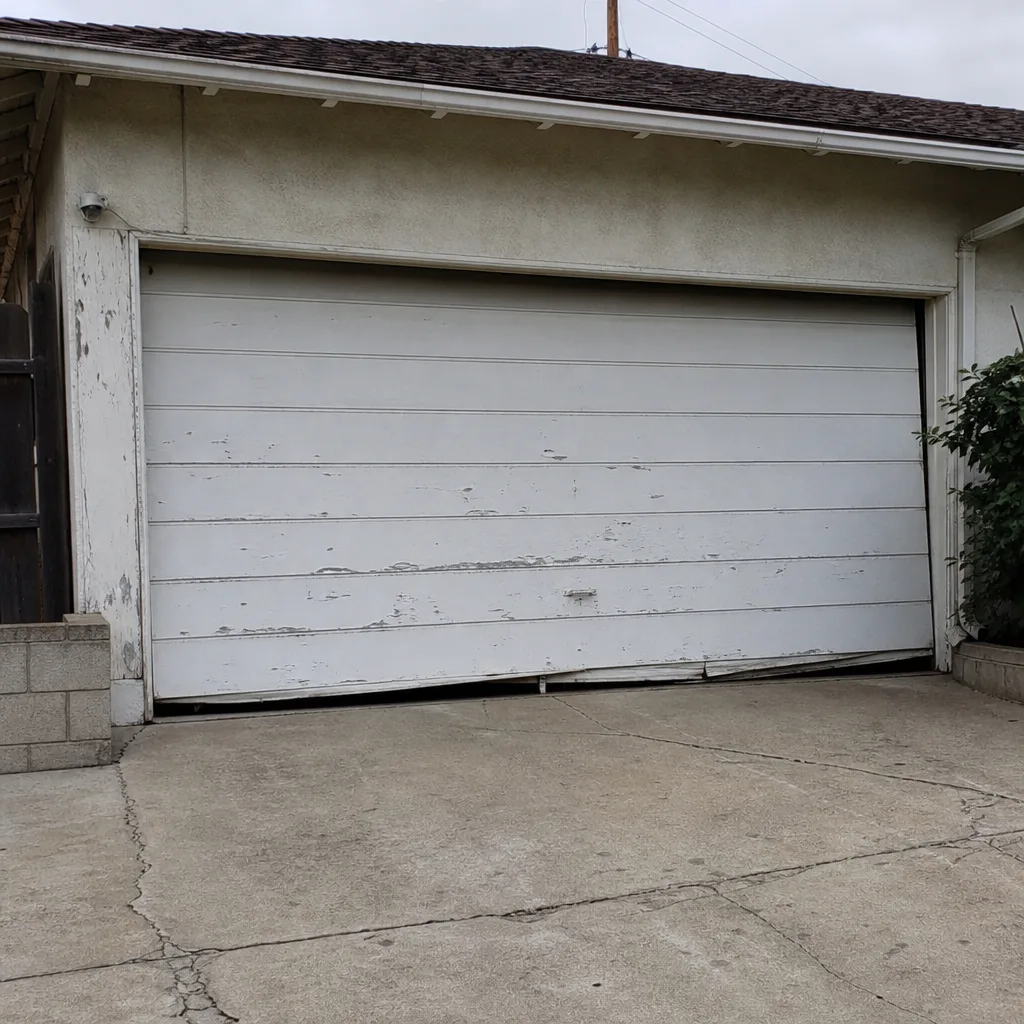
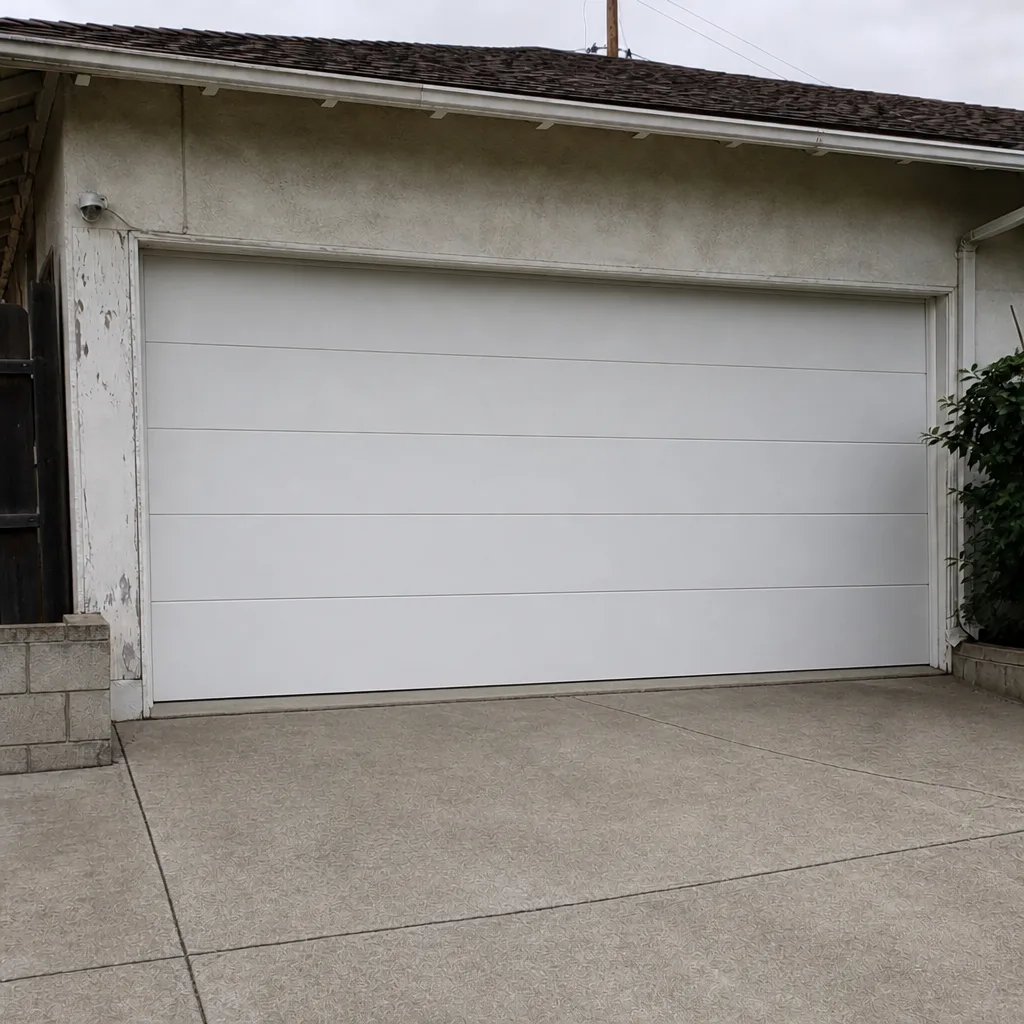
See the difference
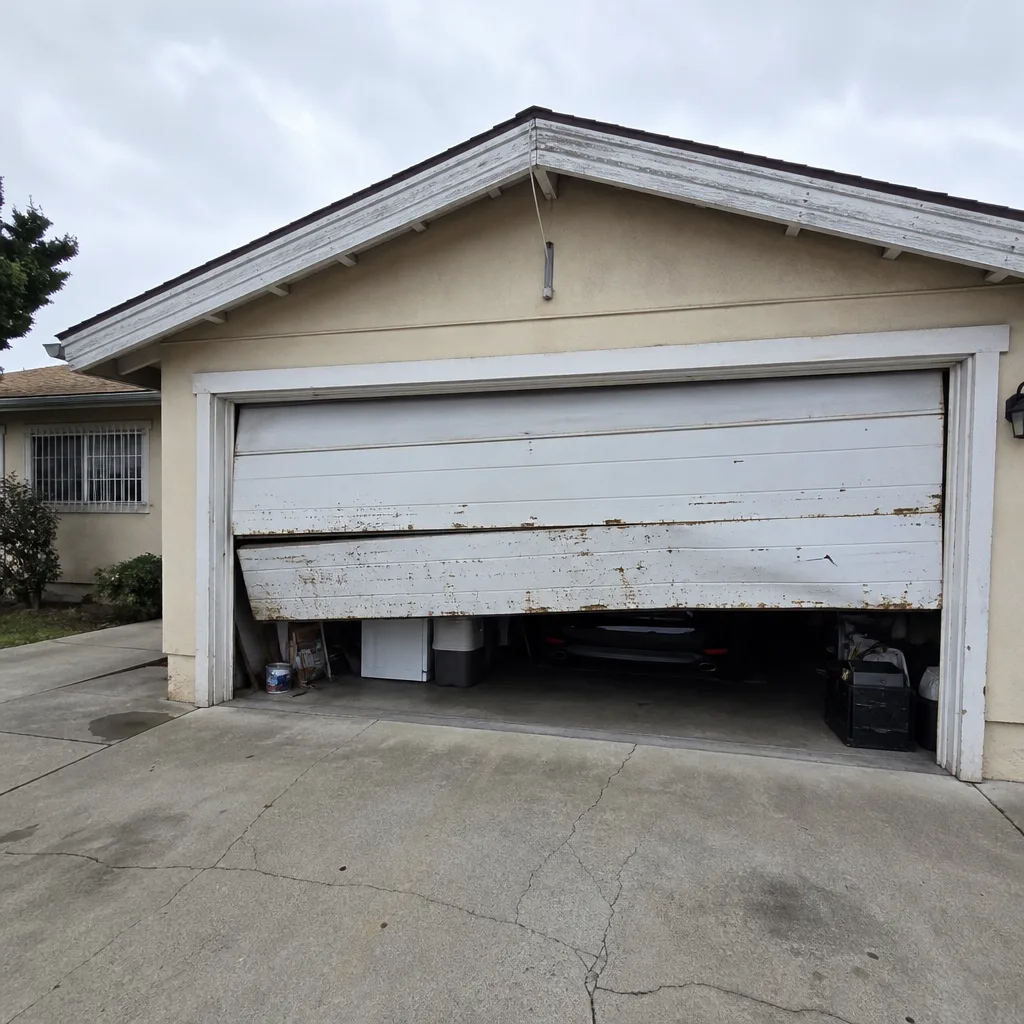 Before
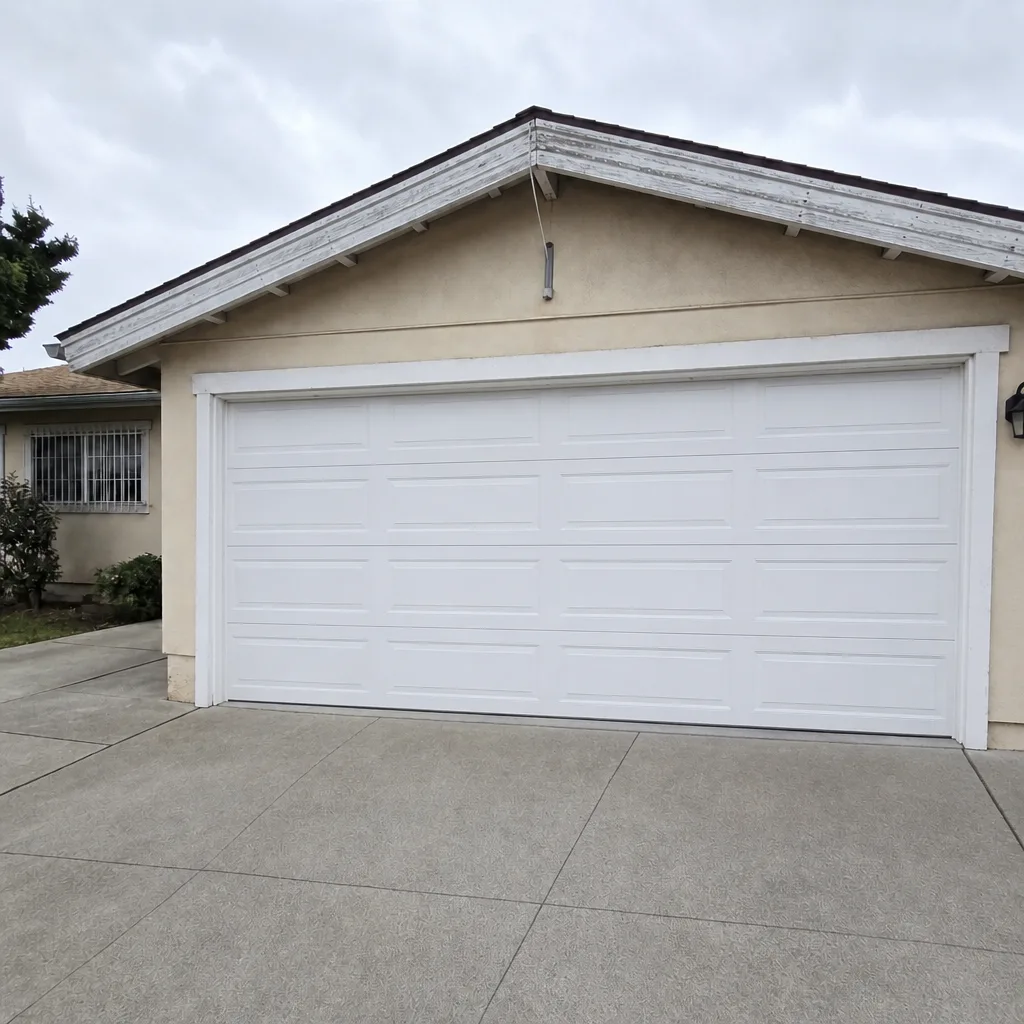 After
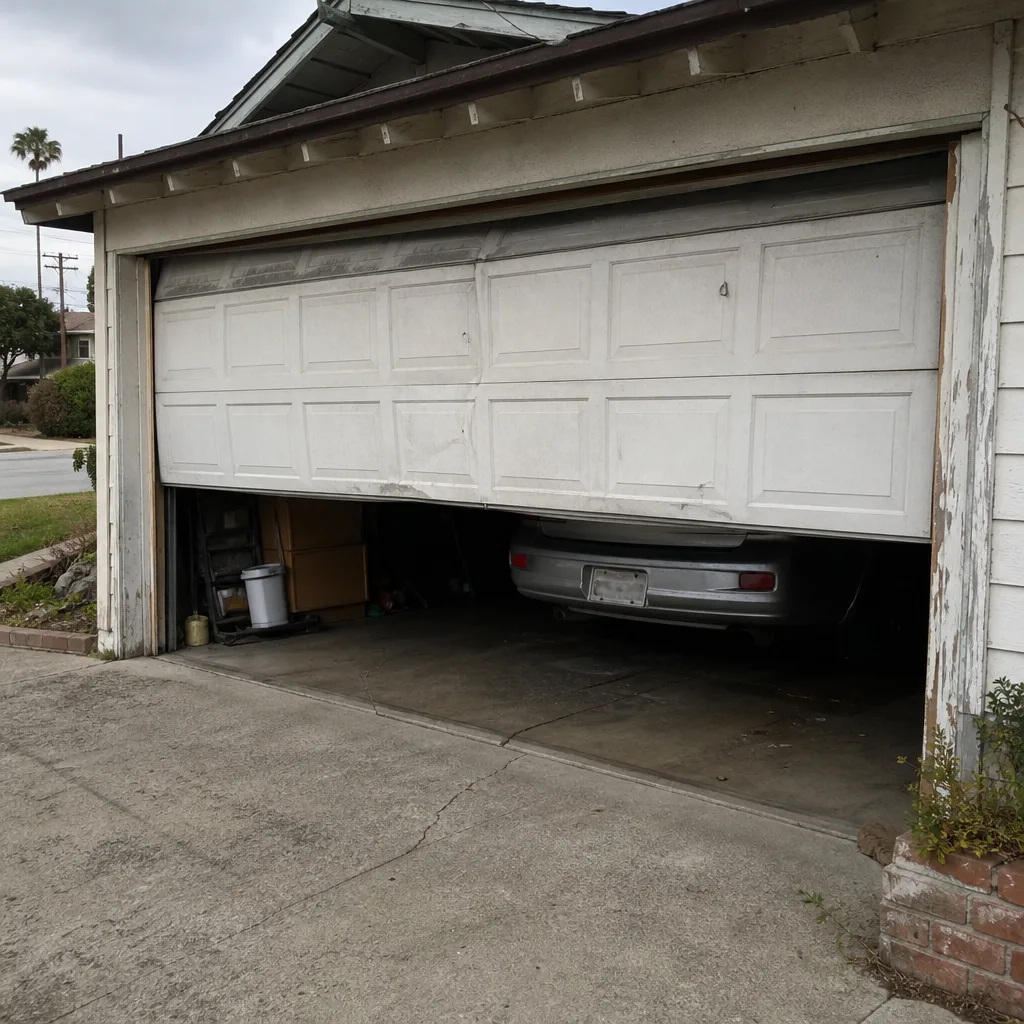 Before
 After
 Before
 After