
Last updated November 4, 2026
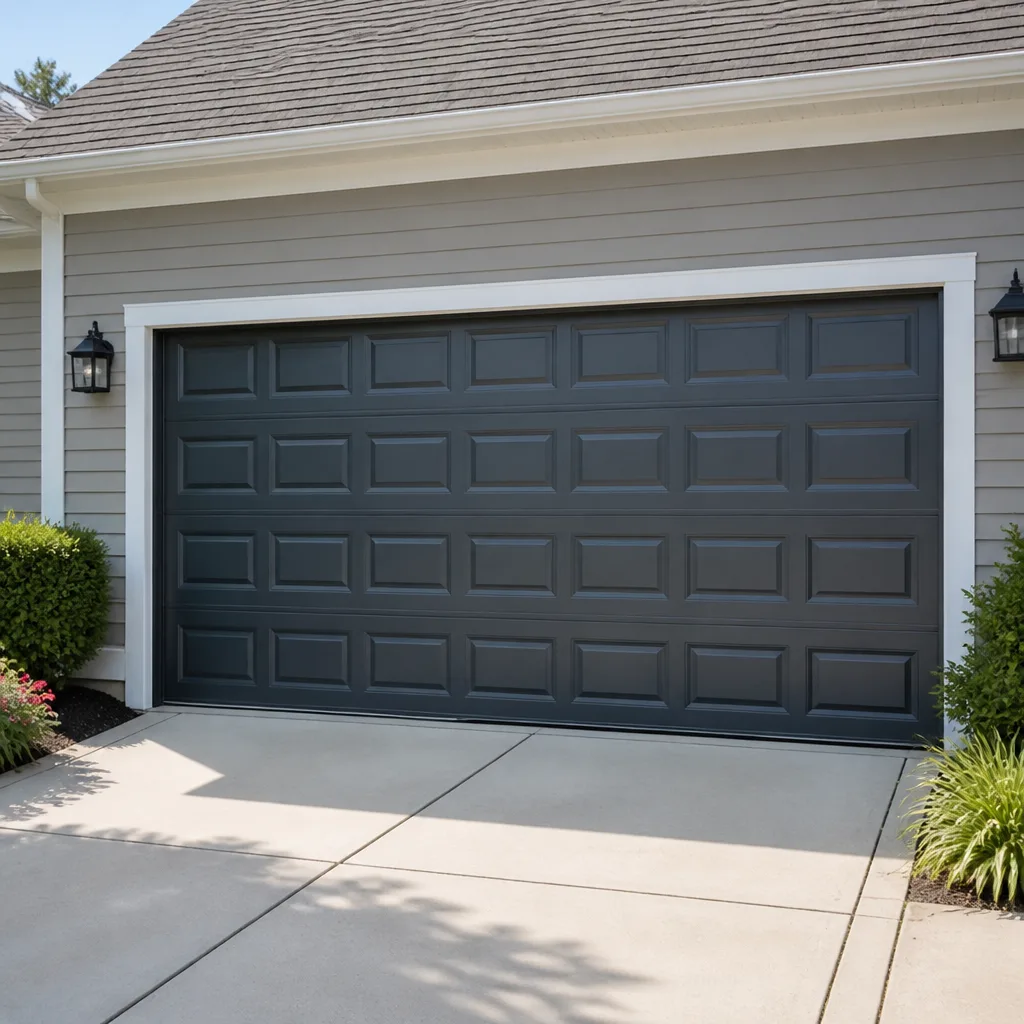 Raised-panel steel
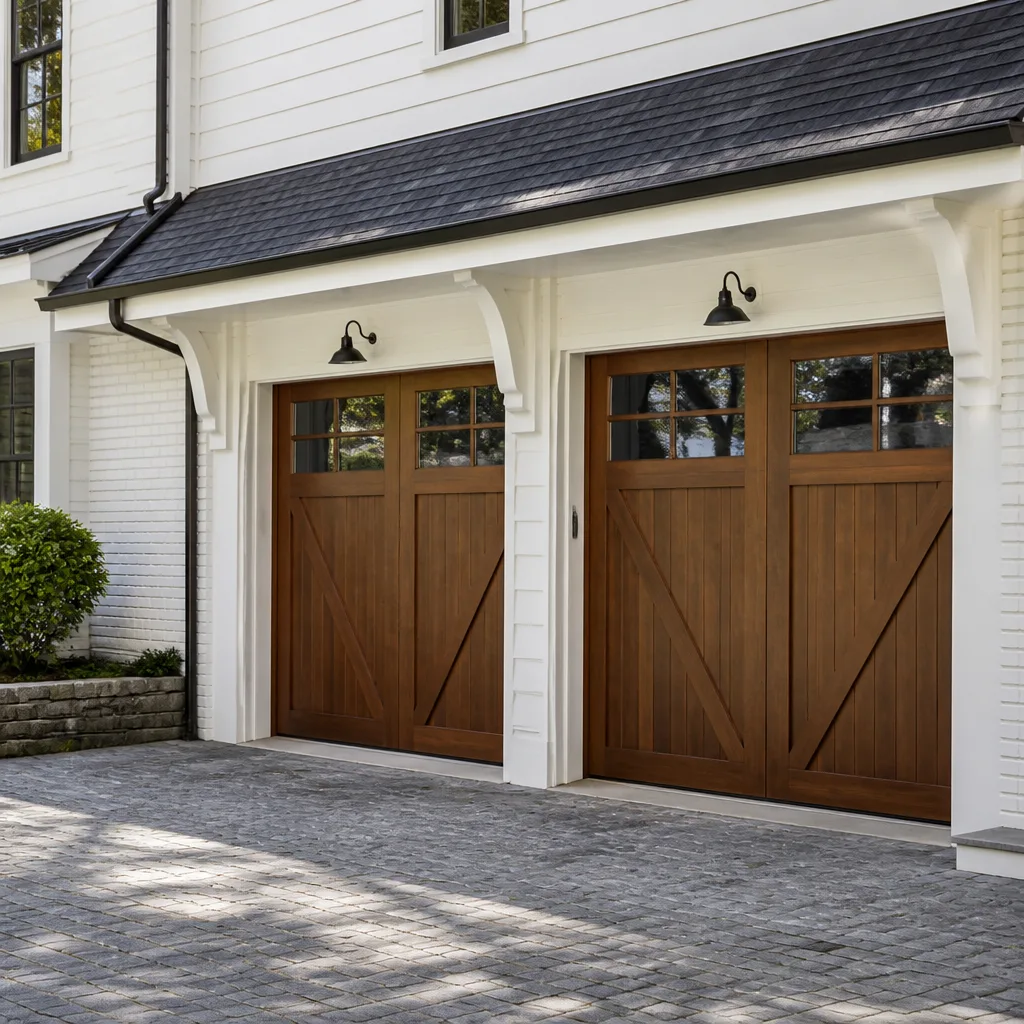 Carriage house
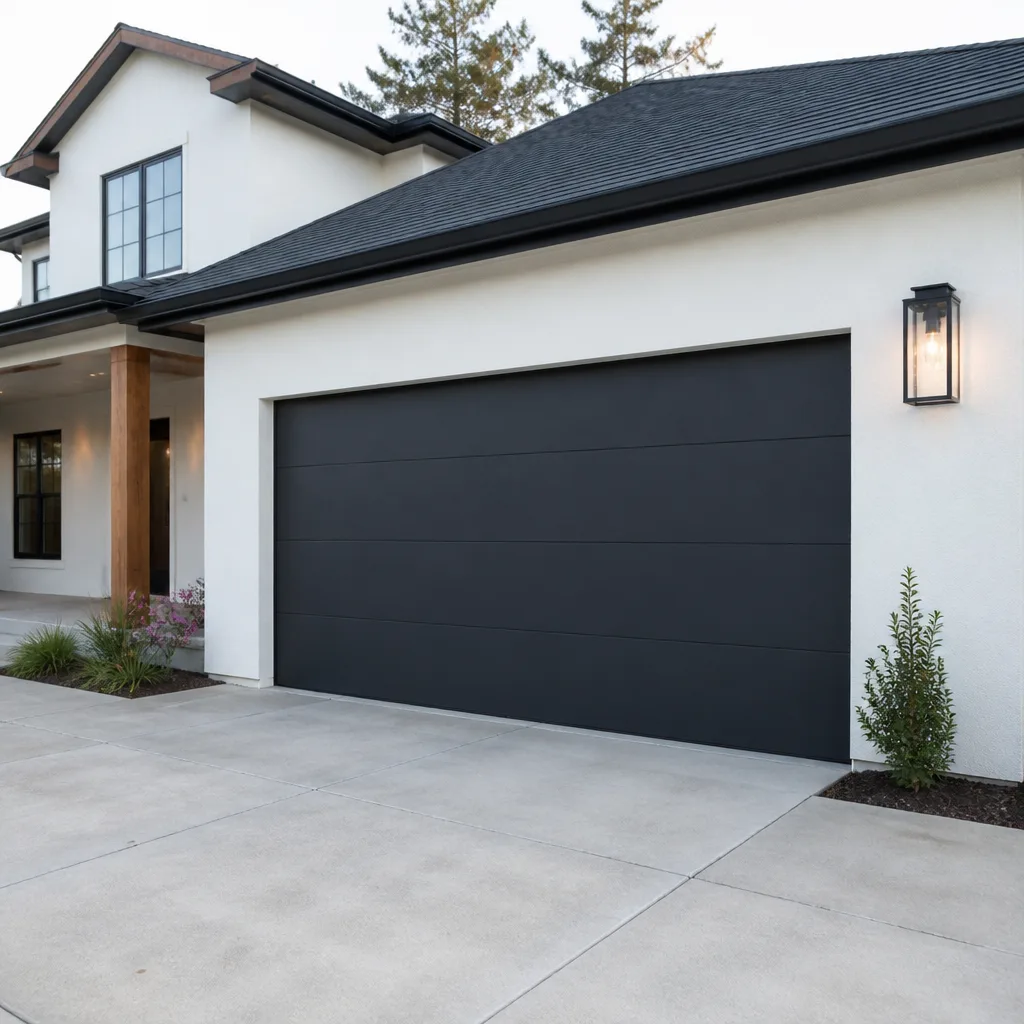 Modern flush
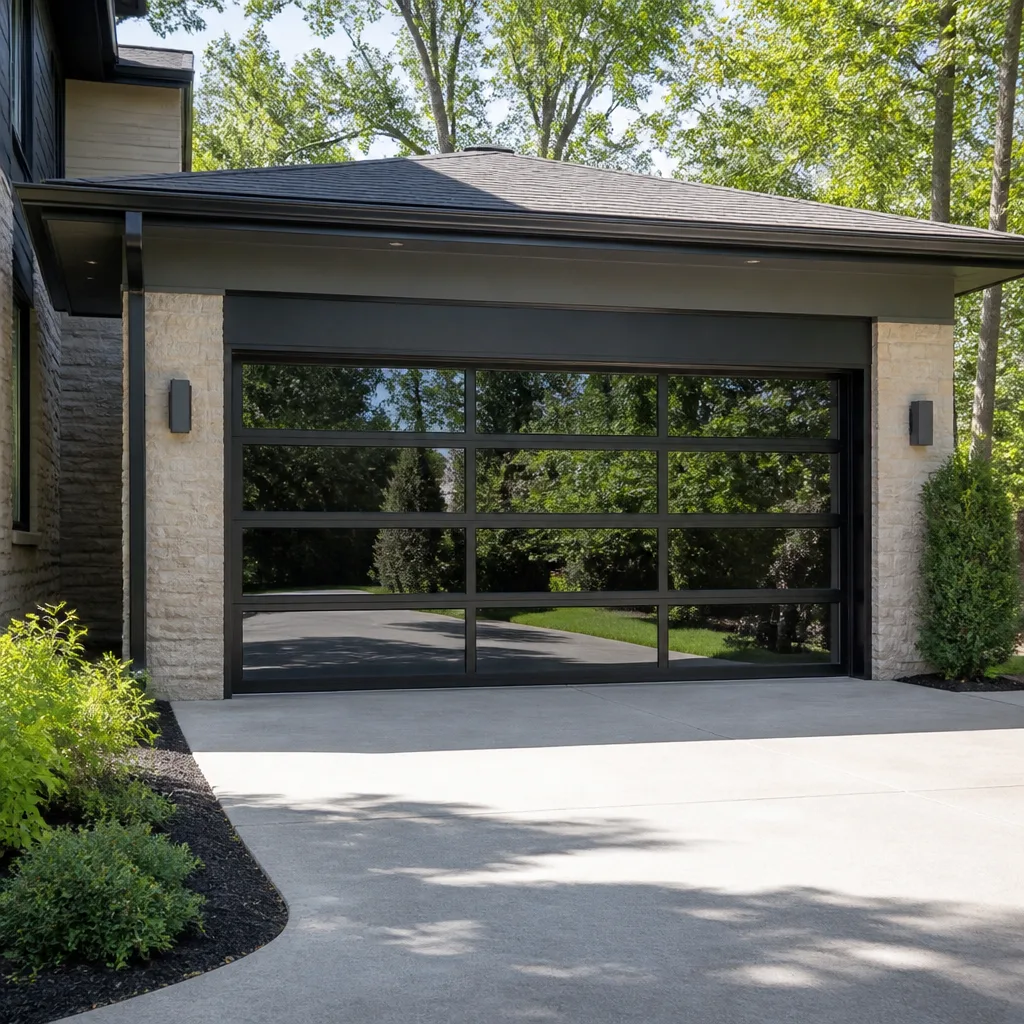 Full-view glass
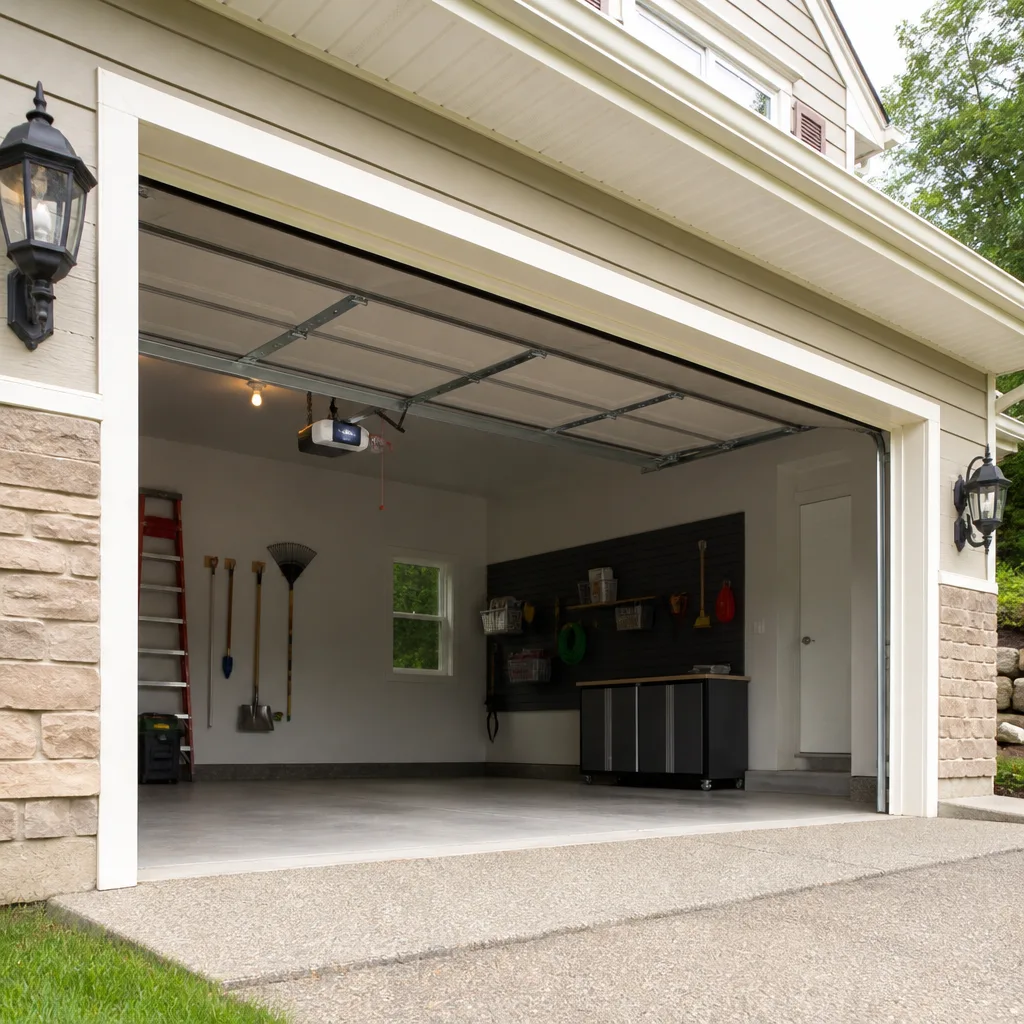 LiftMaster openers
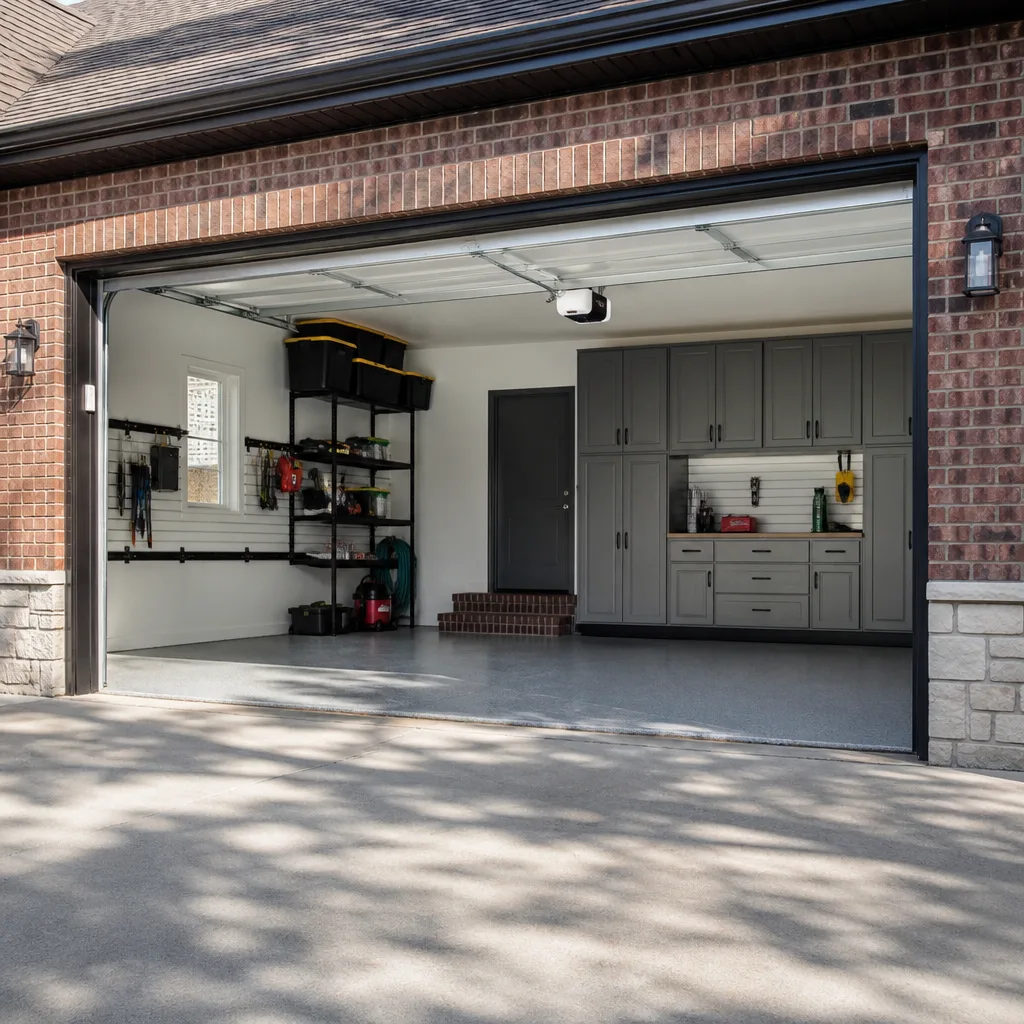 Chamberlain openers
Full 25-point door and opener safety check with every visit - springs, cables, rollers, tracks, and your LiftMaster or Chamberlain opener included
You get a price before we start. It does not change when the truck arrives.
Get your free estimateGarage Door Repair Maintenance Schedule: What to Do and When
Lubricating your garage door hinges every month while ignoring spring tension for five years is like rotating your tires while never checking brake pads. Frequency isn’t the same as priority. Most maintenance advice lumps everything together, so homeowners either spend weekends fussing over components that don’t need attention or completely miss the two or three parts that actually determine whether the door opens tomorrow morning. This schedule separates must-do from nice-to-do with specific timeframes, written for the way garage doors actually wear in Rosemead. You’ll learn which tasks matter monthly, which matter biannually, and why one annual professional check catches what your eyes can’t.
Quick Answer
A garage door maintenance schedule breaks into three tiers: a five-minute visual and sound check every month, a hands-on maintenance routine twice a year covering lubrication and hardware tightening, and a professional spring tension and safety inspection once a year. The monthly check catches early noise and wear, the biannual work prevents most common failures, and the annual visit tests the one component that can injure someone when it fails.
Styles & brands we work with
- Raised-panel steel
- Carriage house
- Modern flush
- Full-view glass
- LiftMaster openers
- Chamberlain openers
Table of Contents
- Monthly Visual and Sound Check: The Five Minutes That Matter
- Twice-a-Year Hands-On Maintenance: Lubrication and Hardware
- The Balance Test: How to Tell If Your Springs Are Failing
- Annual Professional Inspection: What a Technician Sees That You Can’t
- Weatherstripping and Seals: Rosemead’s Dust Problem
- Openers and Safety Reverse Systems: The Biannual Check
- Common Mistakes to Avoid
- When to Call a Professional
- Frequently Asked Questions
Monthly Visual and Sound Check: The Five Minutes That Matter
The monthly check isn’t about fixing anything. It’s about noticing a problem early enough that a small fix stays small. Homeowners in Rosemead who do this consistently catch worn rollers, loose hinges, and fraying cables months before they strand a car in the driveway. You don’t need tools or mechanical knowledge. You need five quiet minutes and your eyes and ears.
Stand inside the garage with the door closed and look at the tracks on both sides. The brackets that hold the track to the wall should sit flush. If a bracket has pulled away even a quarter inch, the track is flexing every time the door moves, and that flex eventually bends the track. Look at the cables on each side, the steel strands that run along the door edges and wrap around the drums above. They should be taut and clean. Fraying at the edges or a waxy build-up means they’re wearing. Cables don’t give a warning snap when they’re about to go, so the visual check is the warning.
Now open the door and listen. A properly adjusted door makes a steady rolling sound. A rhythmic clunk-thump-clunk means a roller has a flat spot or a hinge is loose. A squeal that rises in pitch as the door moves points to a bearing running dry. Grinding means something metal is rubbing where it shouldn’t. Write down what you hear, because sounds that repeat month after month are the ones worth addressing. A single odd noise that vanishes isn’t urgent. A weekly noise that gets louder is.
Finally, watch the door move from outside. It should rise smoothly without hesitating, jerking, or leaning to one side. A door that shudders halfway up and then continues has a balance issue. A door that looks slightly crooked when half open has a spring that’s losing tension or a track that’s shifted. Neither is a monthly DIY fix, but both are exactly what the monthly check is designed to catch. If you see either, the next step is the balance test described below, and likely a call to a garage door specialist.
Twice-a-Year Hands-On Maintenance: Lubrication and Hardware
Two maintenance sessions a year, roughly six months apart, cover the mechanical wear points that actually benefit from homeowner attention. In Rosemead’s climate, the dry heat accelerates certain problems and slows others. Rubber and plastic degrade faster in sustained summer heat. Steel hardware lasts longer without the moisture that plagues coastal cities, but fine dust works its way into hinges and rollers and turns lubricant into grinding paste if you use the wrong product.
What to Lubricate, and What to Use
Lubricate the rollers, hinges, springs, and the top of the track where the rollers ride. Use a white lithium grease spray or a silicone-based garage door lubricant. Both stay in place without attracting the fine dust that Rosemead’s dry summers send into every corner of a garage. What you don’t want is WD-40, and what you definitely don’t want is penetrating oil. WD-40 is a solvent, not a lubricant. It strips existing grease and leaves metal dry. Penetrating oil seeps into the hinge joints and then thins, taking what little lubrication was there with it. We’ve pulled apart hinges and rollers in Rosemead garages that were coated in black sludge because the homeowner used a general-purpose spray every few months. The product attacked the rubber seals and plastic roller faces until they softened and split.
- Close the door and disconnect the opener by pulling the red release handle. Work with the door closed so the springs carry the least tension in their travel.
- Spray each hinge pivot point, the stem of each roller, and the full length of each torsion spring. A light coat is enough. Dripping is too much.
- Spray a thin film along the inside of the track where the rollers travel. Keep it off the outside of the track where the wheels never touch.
- Reconnect the opener and run the door once so the lubricant works into the joints. Wipe any overspray off the door surface with a dry rag.
Tighten What Works Loose
The opener motor vibrating and the door cycling hundreds of times a month slowly back out hardware. Check every bolt and screw you can reach: hinge bolts on the door sections, the brackets holding the tracks to the wall, the bolts holding the opener to its mount. Hand-tighten with a socket wrench. Don’t over-tighten track bolts, which can squeeze the track inward and bind the rollers. The goal is snug, not torqued to the limit.
The Balance Test: How to Tell If Your Springs Are Failing
Springs don’t snap without warning in the sense of an audible alarm, but they do lose tension gradually for months before the metal itself breaks. The balance test reads that tension loss. It’s the single most useful homeowner test in this entire schedule, and most maintenance guides never mention it. You can perform it in under a minute twice a year.
- Close the garage door. Pull the red release handle to disconnect the door from the opener.
- Lift the door from the bottom handle. A correctly balanced door rises smoothly with one hand and holds its position wherever you stop. Lift it halfway and let go. It should stay put. Lift it to three-quarters and let go. It should stay there too.
- Lower it to roughly three feet off the ground and let go. A healthy door stays at that height. A door that drops from three feet has a spring losing tension.
- If the door feels heavy to lift, drops when you release it, or races upward on its own, don’t reconnect the opener. The spring isn’t doing its job and the opener motor is now doing work it was never designed for.
Two things about the balance test matter. First, a door with a broken torsion spring won’t lift at all, or lifts six inches and stops. If that happens, don’t force it. The second spring in a paired system holds a portion of the tension, and yanking on the door under partial tension can damage the panels and the opener. Second, the balance test is the reason a professional inspection includes a tension check. It catches the decline before the snap. This is the part of garage door repair that prevents itself.
One note: torsion springs hold tremendous stored energy. Even when discharged by the door’s position, residual tension remains in the winding cone and mounting bracket. The balance test doesn’t put you near those parts. Anything involving adjusting, replacing, or even inspecting the spring itself up close should go to a trained technician. Torsion spring work is not a homeowner task in any schedule.
Annual Professional Inspection: What a Technician Sees That You Can’t
Once a year, a garage door technician should inspect the door, springs, opener, and safety systems. The annual visit isn’t maintenance theater. It catches the failure modes that a homeowner’s eyes and hands can’t evaluate, and in Rosemead’s housing stock, which spans original doors from decades-old builds to new smart-openers, the specifics matter.
What a technician checks that a homeowner cannot:
- Spring torque and equalization. The balance test reads gross failure. A technician reads the difference between the two springs in a paired torsion system. A spring that’s carrying 55% of the load while the other carries 45% is failing early and will stress the cable drums, the opener, and the door panels.
- Cable seating on the drums. Cables can develop internal strand breaks that don’t show as fraying on the surface. A technician looks for the cable starting to ride unevenly on the drum, which precedes a derailment.
- Bearing wear at the torsion tube ends. When bearings go dry, they hum. When they go flat, the spring assembly vibrates. The sound is subtle enough that homeowners often filter it out as normal garage noise. A technician knows the difference.
- Opener motor current draw. A door that’s losing spring balance makes the opener motor work harder. A technician checks the opener’s force settings and motor heat. The motor drawing more current than spec indicates the opener is compensating for a failing door.
- Photo eye alignment and safety reversal calibration. These are the safety components on an automatic opener. Misaligned photo eyes prevent the door from closing, but lowered reversal force means the door won’t stop on an obstruction. Homeowners rarely test reversal force with a 2×4, and that’s the only way to know it’s working.
- Door panel alignment and hinge wear. A technician spots a hinge pin that’s elongating its hole, a panel that’s starting to bow, and a track that’s developing a slight twist. Each is a small repair now and a bigger one in a year.
We work on the brand you already own, whether that’s a Clopay door with a Genie opener or an Amarr door with a Chamberlain unit. The annual inspection is also the moment to get a straight answer on repair versus replacement. A technician who knows multiple brands can tell you honestly whether a 12-year-old door with a bad panel is worth saving or whether you’re about to spend replacement-adjacent money on a door with another decade of life. For homeowners in Rosemead, that advice alone usually pays for the visit.
Weatherstripping and Seals: Rosemead’s Dust Problem
Rosemead’s climate doesn’t throw snow at your garage door and doesn’t soak it in salt air. What it does throw is heat and dust, and the dust is the one that quietly eats your garage. The bottom seal, the side weatherstripping, and the top jamb seal all exist to keep the outside out. In a dry inland climate, those seals bake in the summer sun and crack. By the time a seal shows visible cracks, it has already been failing for months.
The replacement window for garage door weatherstripping in Rosemead is two to three years, checked every six months. Run your hand along the bottom seal on a warm day. If it feels brittle instead of pliable, if it has shrunk away from the ends of the door, or if daylight shows under the door when it’s closed, replace it. The side stripping should be soft and should compress when the door closes. Hard, glazed, or cracked side seals are dead seals.
Why this belongs on a maintenance schedule instead of a wait-until-it’s-broken list: the gap under a garage door is an open invitation to the things that want in. In Rosemead, that’s dust, spiders, ants, and the occasional determined rodent. The gap also costs you cooler air in summer. A half-inch gap under a 16-foot door is a hole the size of a hardback book for conditioned air to escape. The seal costs modest money and replaces in an afternoon. Leaving it for a year means cleaning dust off everything you store and killing more bugs than you want to think about.
Openers and Safety Reverse Systems: The Biannual Check
Your garage door opener repair needs two checks a year, and both are the kind of thing homeowners skip because the opener still opens the door. An opener that raises and lowers the door still has two critical safety functions that fail silently: the auto-reverse mechanism that stops and reverses when the door hits an obstruction, and the photo eye sensors that detect an object in the door’s path.
The photo eye test takes thirty seconds. Close the door and put a paper towel tube or a 2×4 standing on its end in the door’s path. Press the close button. If the door touches the object and reverses, the safety reversal is working. If the door crushes the tube or doesn’t stop until it lands on the object, the reversal force is set too high or the mechanism is broken. If the door won’t close at all because the photo eyes are misaligned, that’s a sensor alignment issue, which is a simple fix but not optional. A door that refuses to close with a blocked path is annoying. A door that closes on a blocked path is dangerous.
The photo eye test specifically checks the beam alignment and the sensor lenses. In Rosemead’s dust, photo eye lenses slowly accumulate a film that scatters the infrared beam even when the sensors are aligned. Clean the lenses every six months with a dry cloth. Don’t use glass cleaner, which can haze the plastic. If the door intermittently fails to close and then works fine, and the opener light blinks when it happens, the photo eyes are telling you they’re misaligned or obstructed. That’s not an opener failure. That’s a maintenance item.
For openers, the annual professional inspection covers what the biannual check can’t: motor force settings, drive chain or belt tension where applicable, logic board function on smart openers, and the condition of the opener’s internal gears. We service the full market spectrum, from budget Craftsman units to smart-home-integrated LiftMaster and Chamberlain systems. If your opener is paired with a Wayne Dalton door and the door balance is off, the opener is absorbing the imbalance. Checking one without the other misses the point. They’re a system.
See the difference
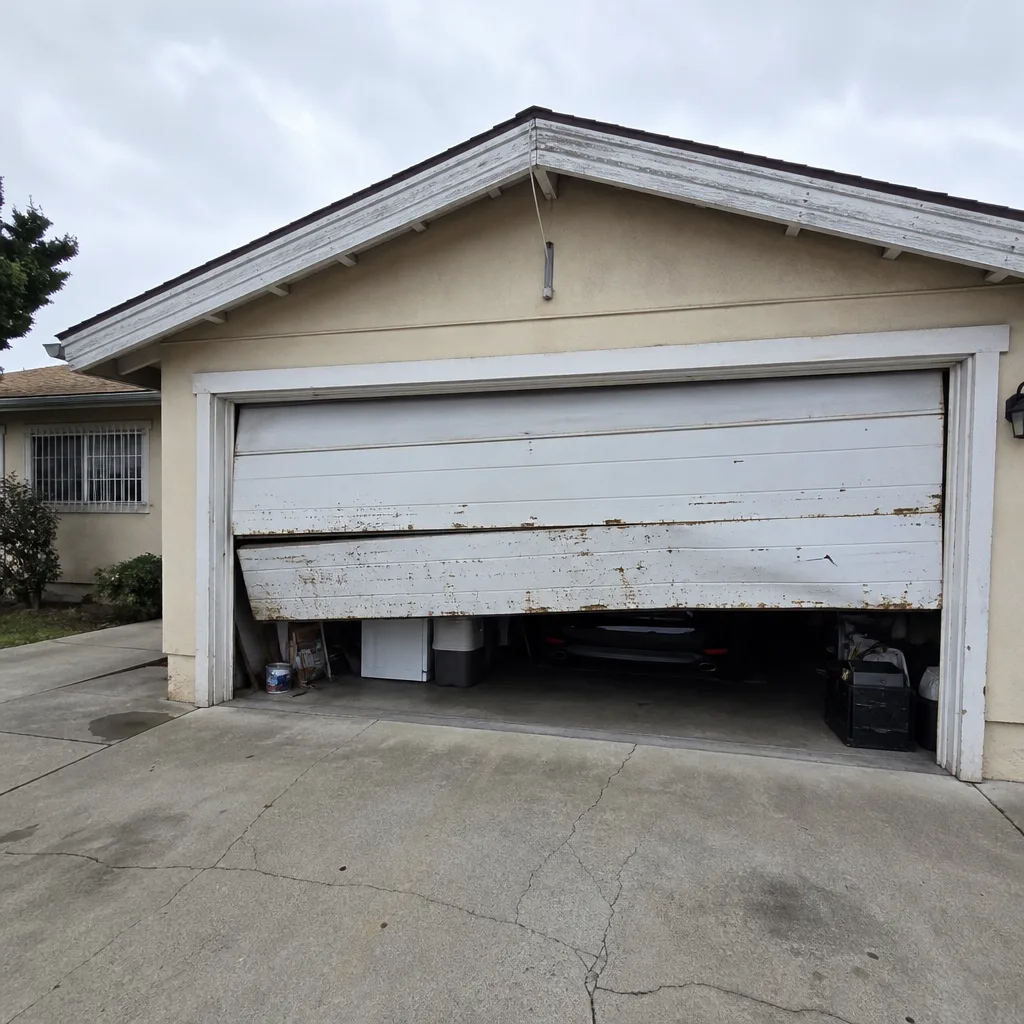 Before
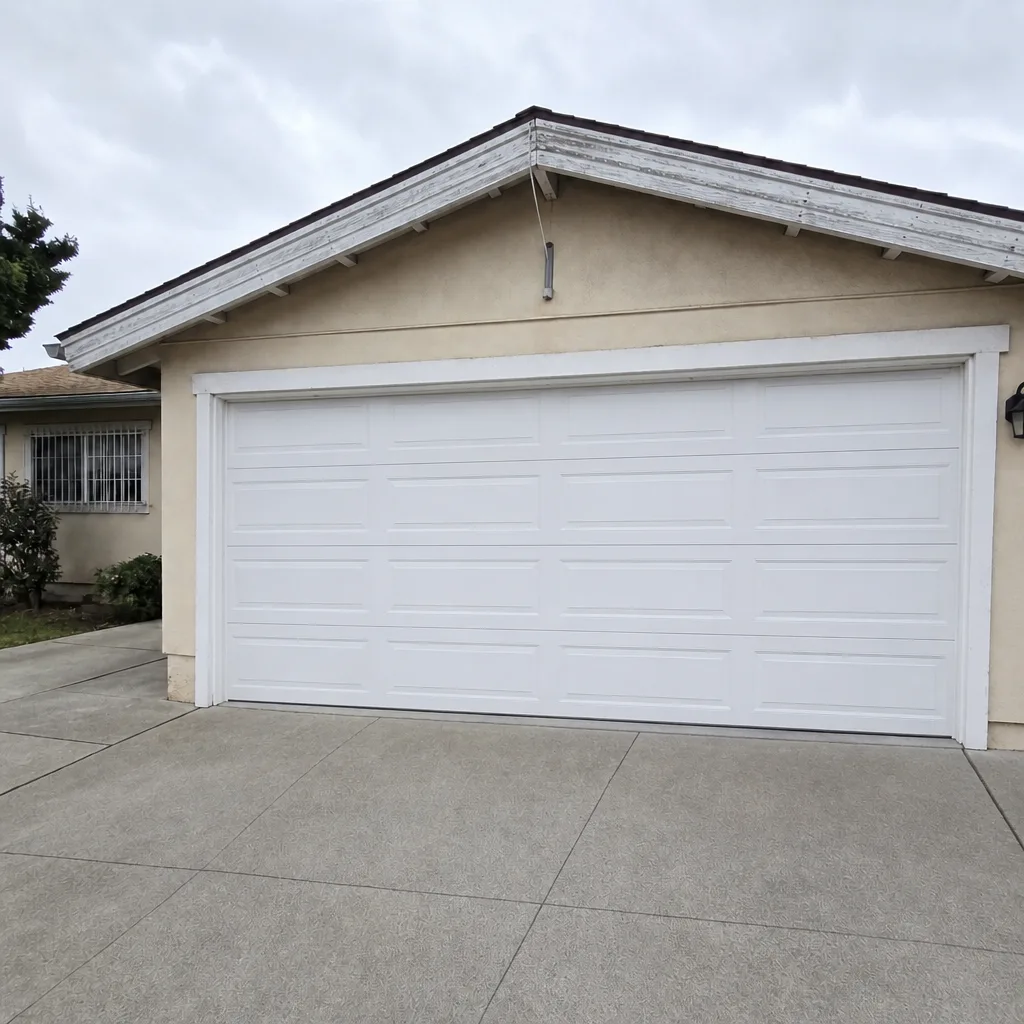 After
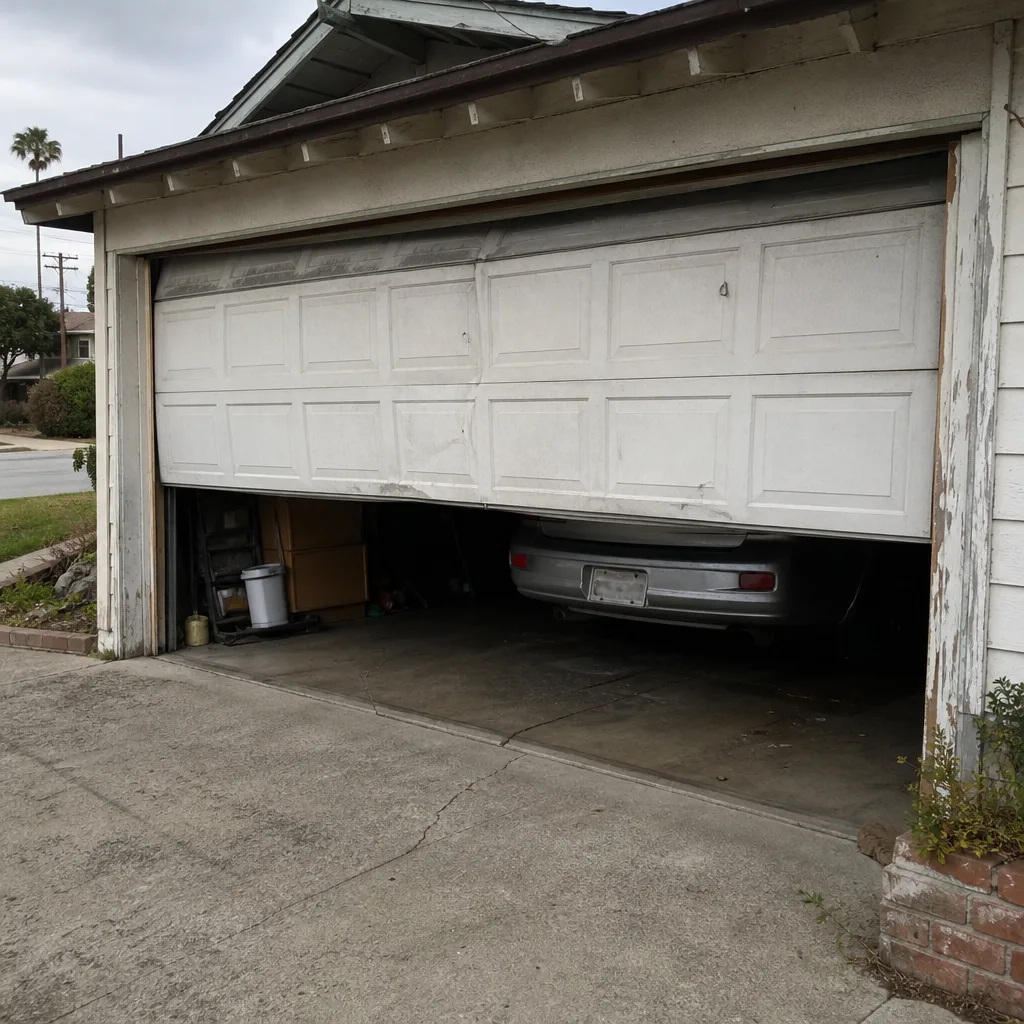 Before
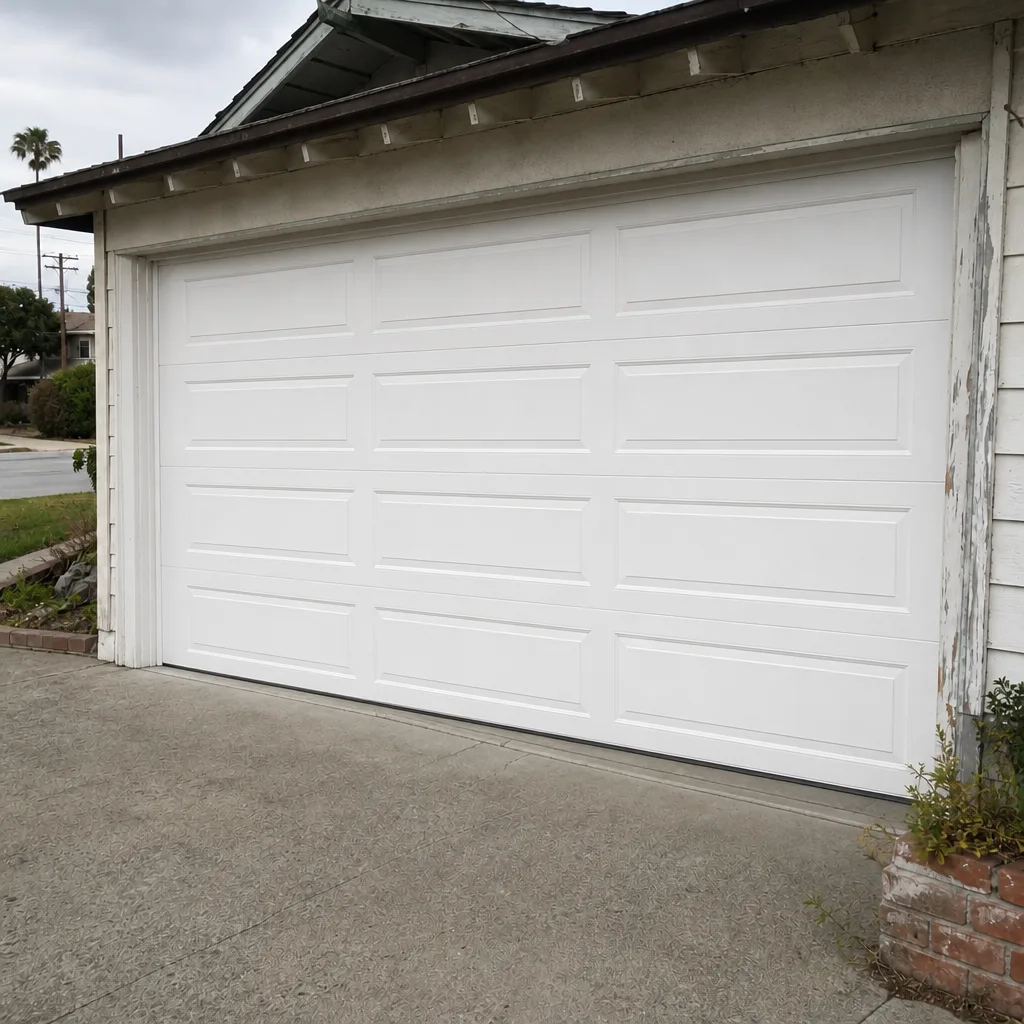 After
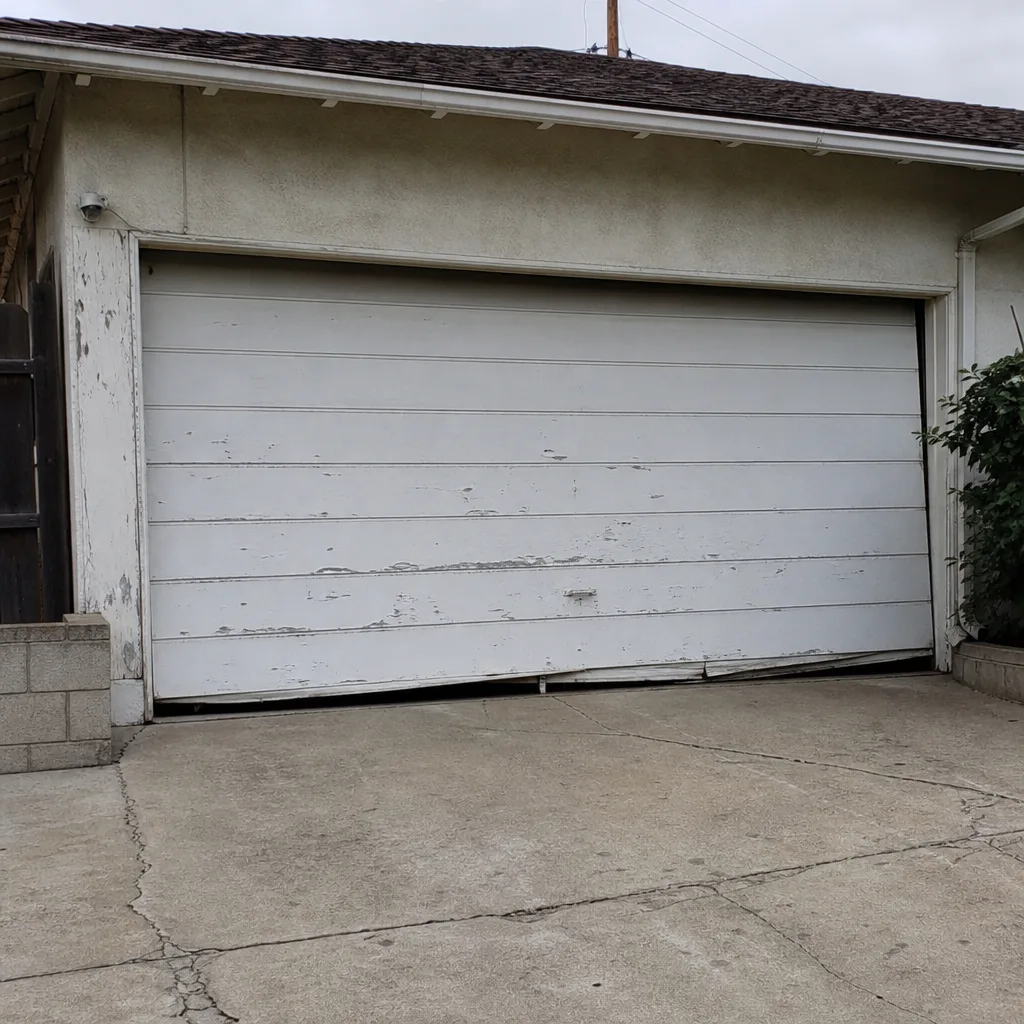 Before
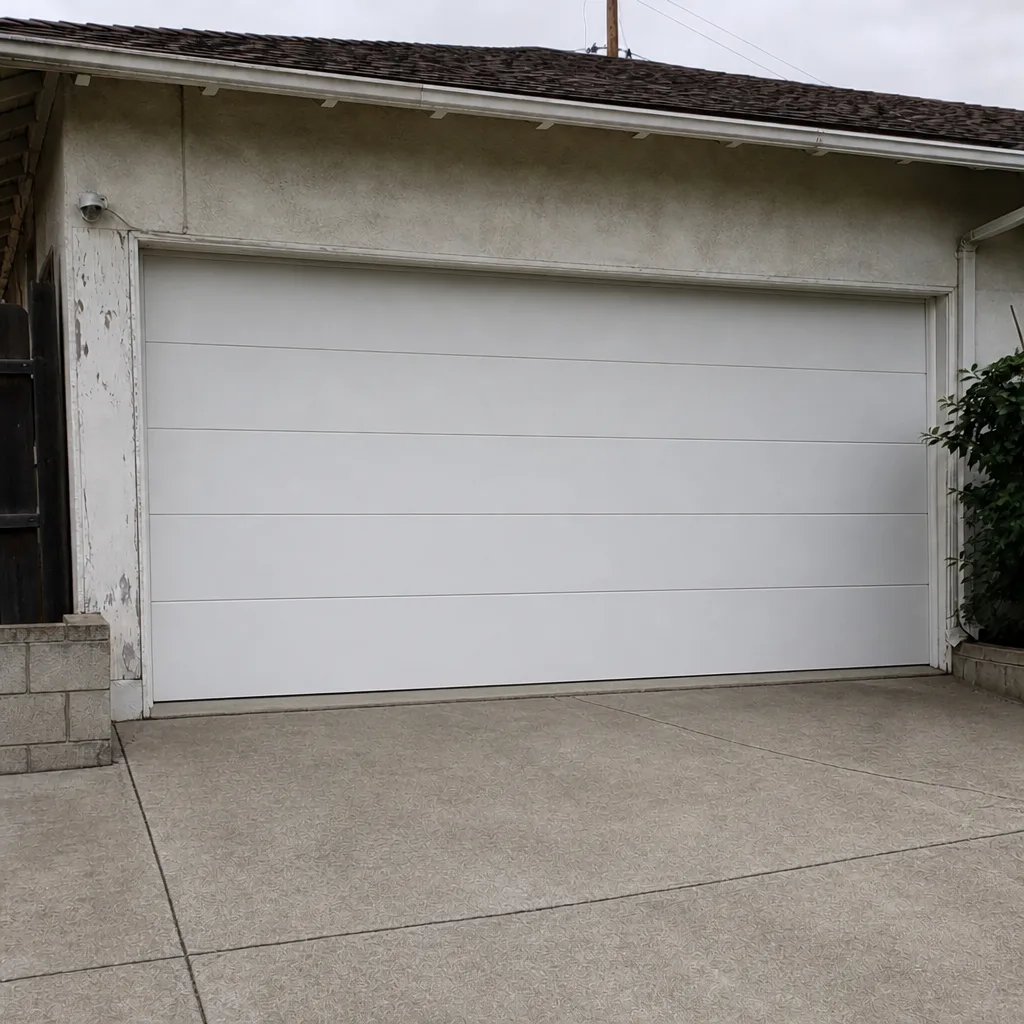 After
Common Mistakes to Avoid
- Lubricating monthly instead of checking visually monthly. Lubrication is a twice-a-year task. Visual and sound checks are monthly. Flipping these means you’re adding grease to components that are silently failing, which hides the problem instead of finding it.
- Using WD-40 or penetrating oil on rollers and hinges. Both degrade the rubber seals on rollers and soften plastic components over time. Use white lithium grease spray or a silicone garage door lubricant. In Rosemead’s dust, the wrong product turns track grime into a grinding compound.
- Ignoring a noisy door because it still works. A noise is a marker. A rhythmic knock means a flat roller. A shudder means a balance issue. A grinding track means the door is binding. By the time the noise becomes a failure, the repair is bigger than it would have been six months earlier.
- Testing the balance test once and forgetting it. Spring tension declines over months, not days. One balance test tells you the door’s condition today. Two tests a year, spaced six months apart, catch the decline before the spring gives out entirely.
- Never testing the auto-reverse because the door opens and closes fine. The safety reverse is independent of the open and close function. It can fail completely while the opener still performs perfectly. This is a safety issue, not an inconvenience.
- Waiting for visible weatherstripping cracks before replacing. Rosemead’s summer heat hardens seals from the inside out. By the time you see cracking, the seal has been leaking dust and cooled air for most of the season. Check by feel twice a year.
- Tightening the torsion spring bolts yourself. Torsion springs hold enough stored energy to cause serious injury. Even a small adjustment to the wrong bolt can release that energy. Anything involving spring adjustment belongs with a technician.
When to Call a Professional
Some maintenance items are clearly homeowner work: visual checks, lubrication, weatherstripping inspection, the balance test, the photo eye test. But certain signs mean stop the routine and call someone who does Garage Door Repair Rosemead every day. A door that won’t open or is stuck halfway up. A broken or slack cable. A torsion spring that’s snapped or visibly separated. A door that slammed down when the spring broke. A track that’s visibly bent or pulling from the wall. An opener that’s grinding and struggling even after lubrication. If the door feels heavier than it did a month ago, even if it still lifts, a spring is telling you it’s near the end. None of these are monthly maintenance problems. All of them need a diagnosis. Garage Door Repair Rosemead offers free estimates in Rosemead. Call (855) 382-3118. We answer 24/7. Fast dispatch from 7am to 7pm, Sunday through Friday.
Frequently Asked Questions
A garage door needs a five-minute visual and sound check every month, hands-on lubrication and hardware tightening twice a year, and a professional tension and safety inspection once a year. The monthly check catches early changes, the biannual work prevents failures, and the annual visit catches what the homeowner’s eyes can’t, especially spring tension decline and cable wear.
Use a white lithium grease spray or a silicone-based garage door lubricant. Both stay in place in Rosemead’s dry, dusty conditions and don’t attack rubber or plastic components. Avoid WD-40, which strips lubricant and leaves metal dry, and avoid penetrating oils, which thin out and accelerate wear. The wrong product turns the door’s dust into a grinding paste inside the rollers.
You can test spring tension yourself with the balance test: disconnect the opener, lift the door halfway, and let go. If it stays put, the springs are carrying the load. If it drops, the springs are failing. You should not adjust, replace, or closely inspect the spring assembly itself. Torsion springs hold stored energy and are a professional-only component. Call (855) 382-3118 for a spring inspection, and the estimate is free.
Place a 2×4 or paper towel tube in the door’s path and press close. The door should stop and reverse the moment it contacts the object. Do this twice a year. If the door crushes the object or doesn’t reverse, the force setting is wrong or the mechanism has failed, and it’s time for a service call. Also clean the photo eye lenses every six months, especially in dust-heavy Rosemead summers.
Expect two to three years from garage door weatherstripping in Rosemead’s dry heat, checked every six months. By the time the seal shows visible cracks, it has already been failing for months and letting in dust, pests, and unconditioned air. Check by feel: if the bottom seal is brittle or has shrunk from the door ends, replace it now.
Yes, once a year. The professional inspection checks spring torque balance between paired springs, cable seating on the drums, bearing wear, opener motor current draw, and safety reverse calibration. None of those are visible or testable by a homeowner. The annual visit is the moment you get a straight answer on whether the door is worth repairing or whether replacement makes more financial sense. Call (855) 382-3118 for a free estimate. We answer 24/7. Fast dispatch from 7am to 7pm, Sunday through Friday.
The Bottom Line
A garage door doesn’t need your attention every weekend. It needs the right attention at the right time. Five minutes a month of looking and listening. Two hands-on maintenance sessions a year covering lubrication, hardware tightening, and the auto-reverse test. One annual professional inspection for the parts you can’t see and shouldn’t touch. The balance test is the most valuable single habit on this schedule, because it reads spring health before the failure happens. The weatherstripping window in Rosemead is shorter than you think, and the cheap seal replacement beats months of dust and bugs. Garage doors are all we do. From a snapped spring to a full smart-opener upgrade, we’ll tell you what makes sense for your door and your budget. Call (855) 382-3118 for a free estimate. We answer 24/7. Fast dispatch from 7am to 7pm, Sunday through Friday.
Written by the team at Garage Door Repair Rosemead, serving Rosemead since 2015.