
Last updated November 4, 2026
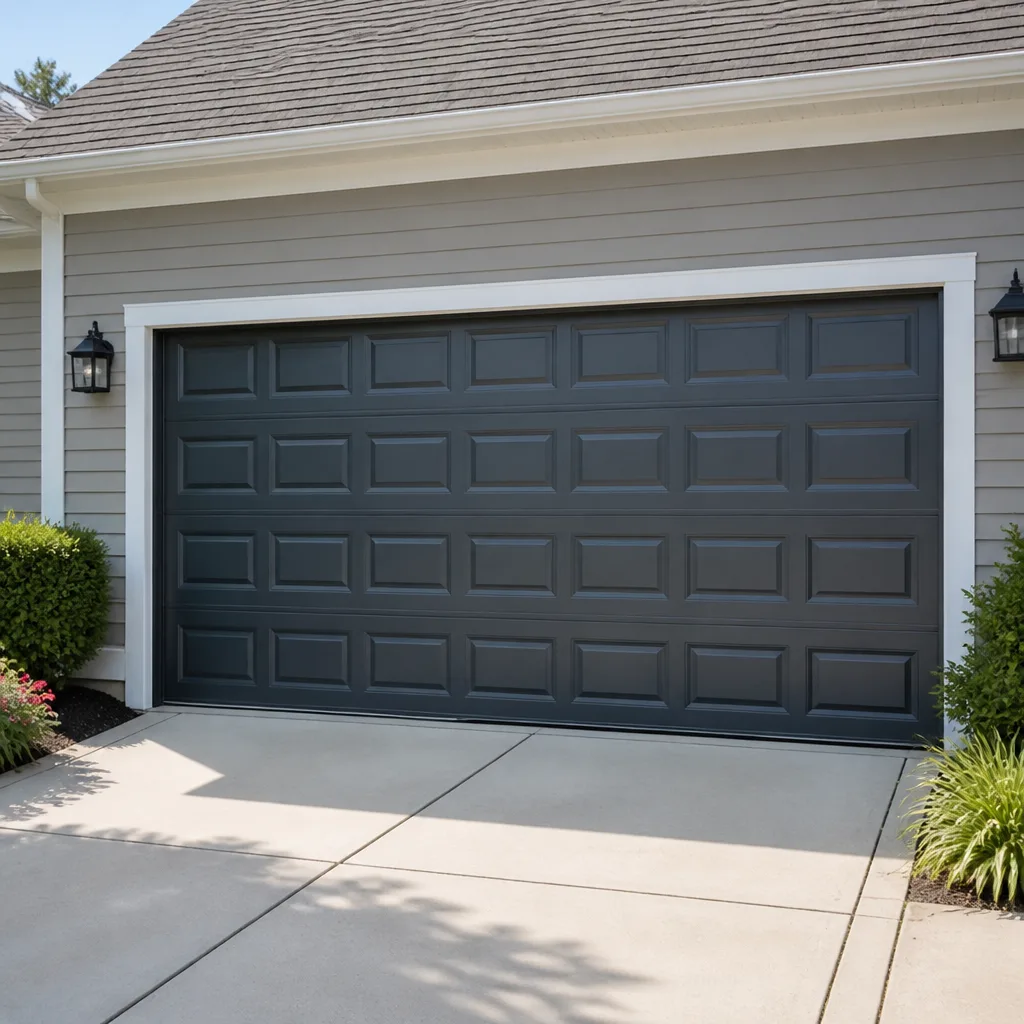 Raised-panel steel
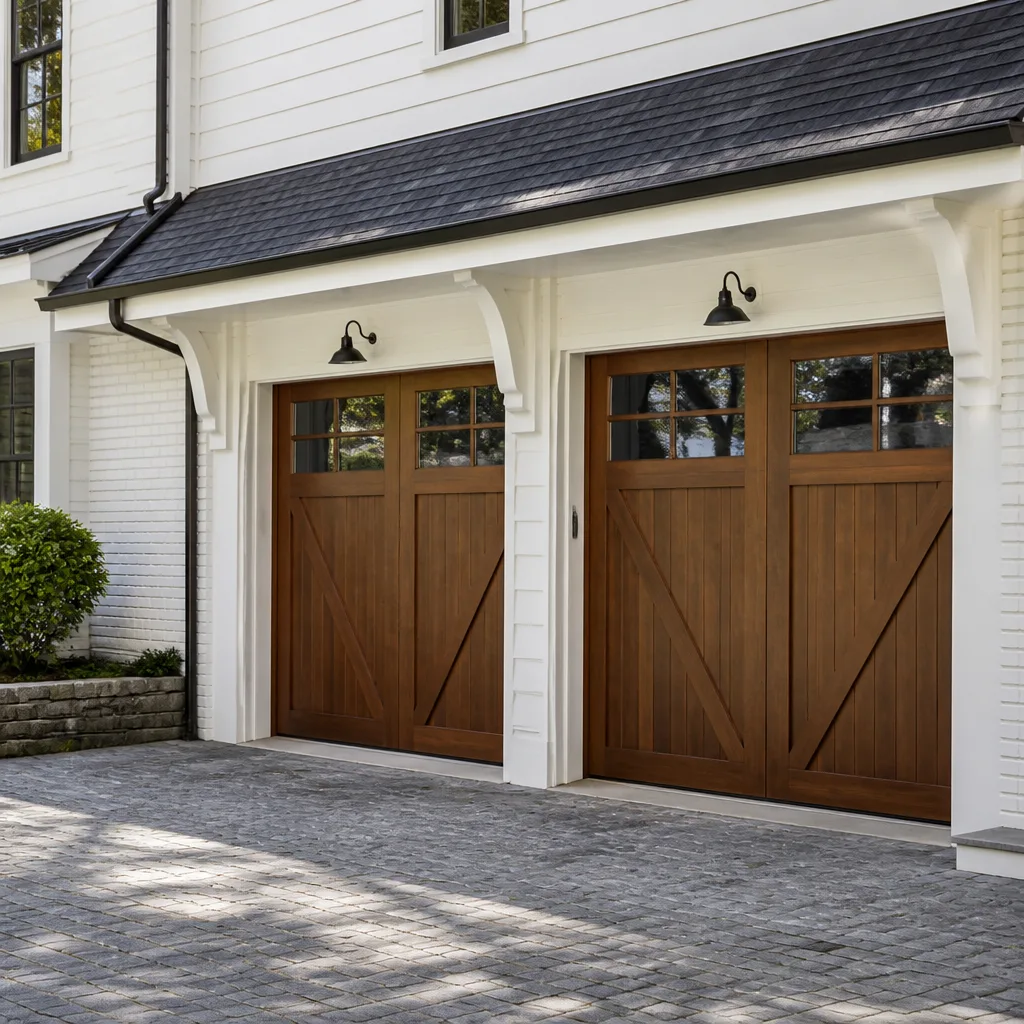 Carriage house
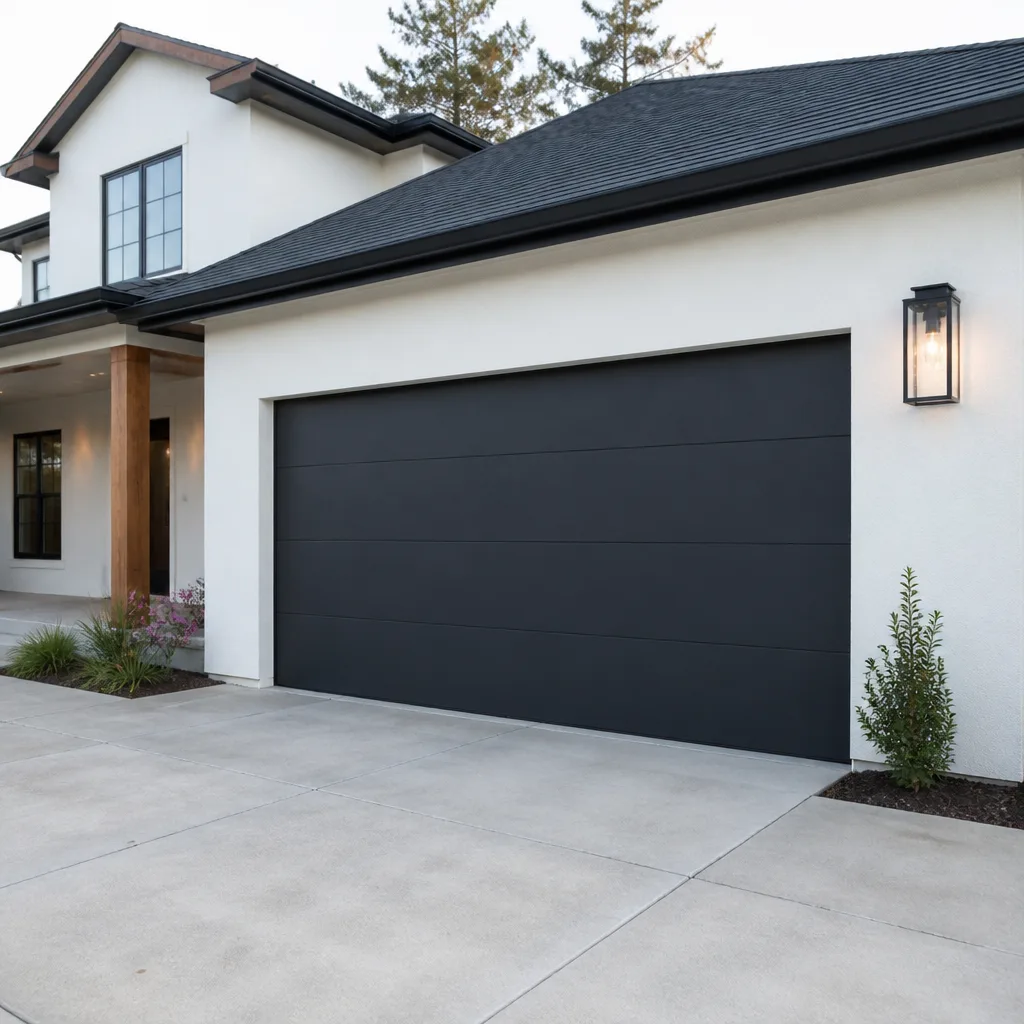 Modern flush
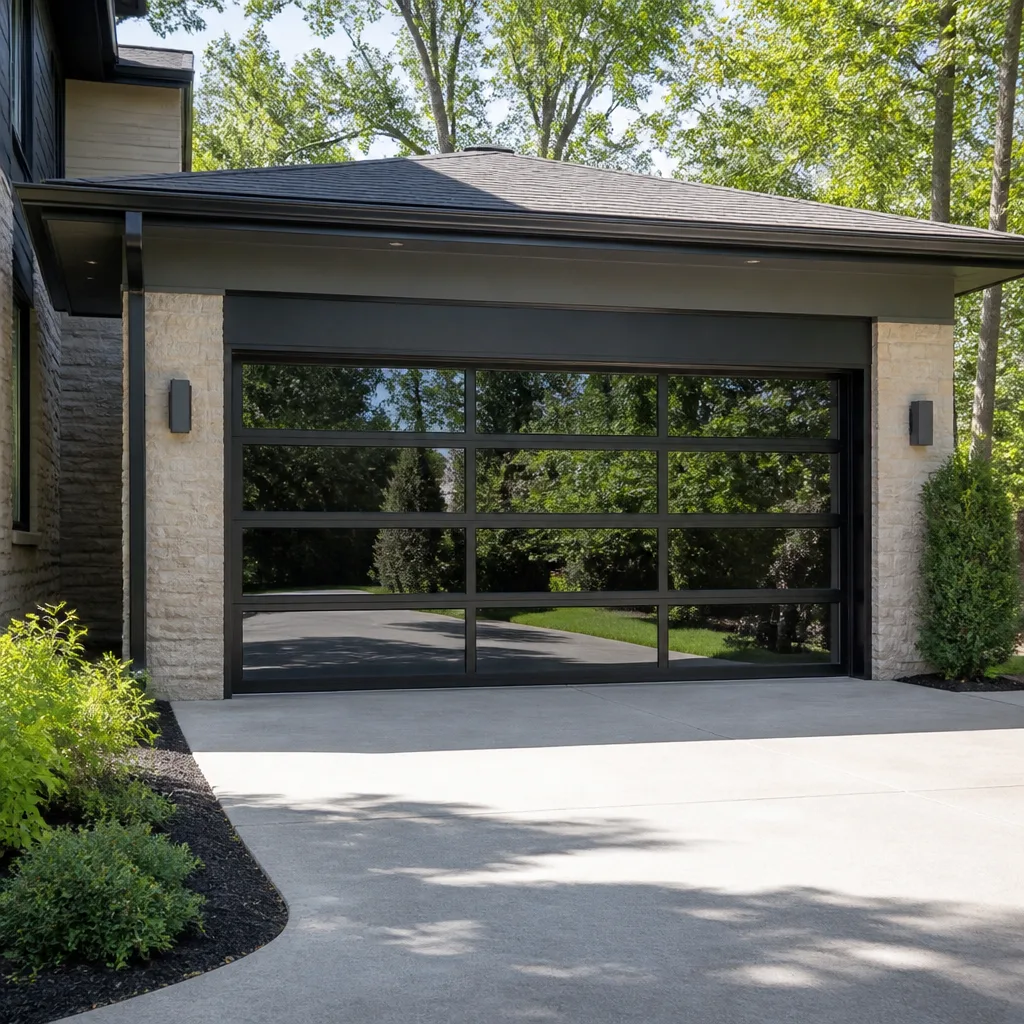 Full-view glass
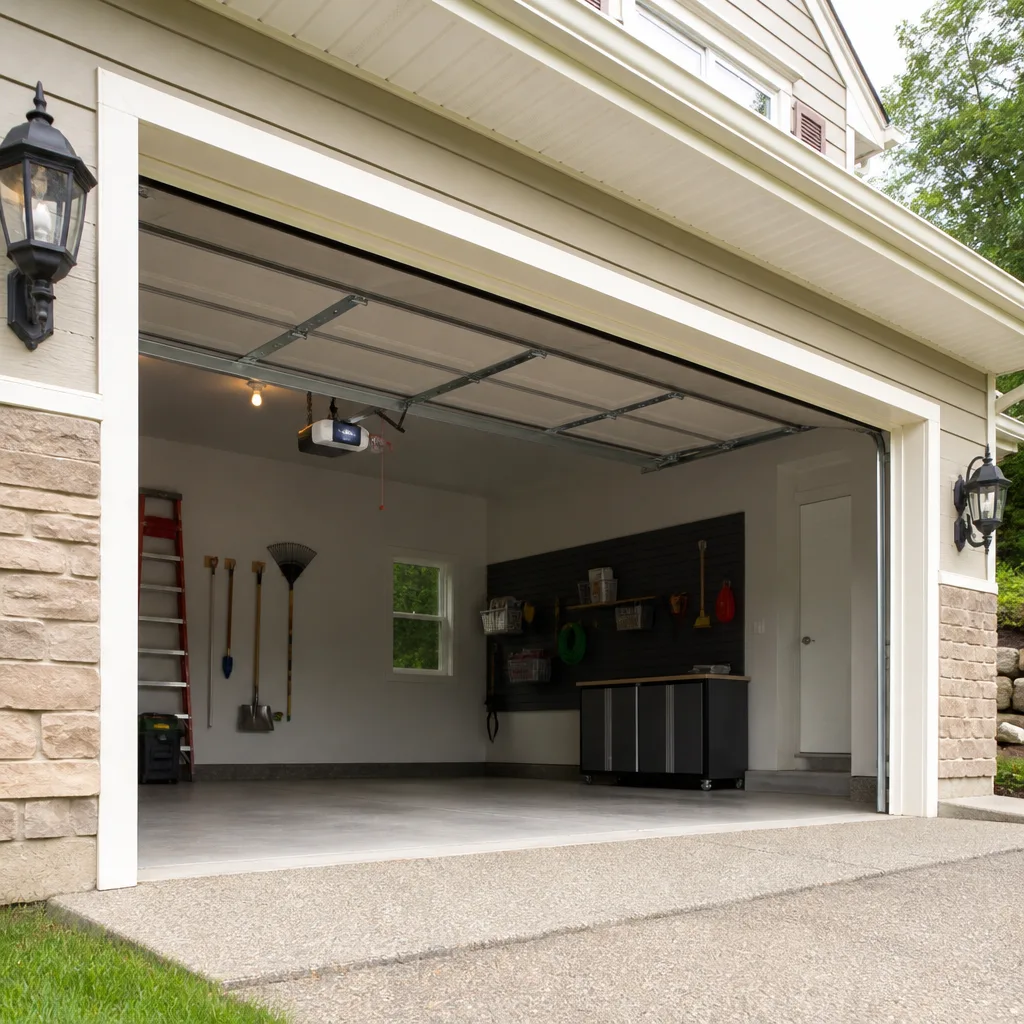 LiftMaster openers
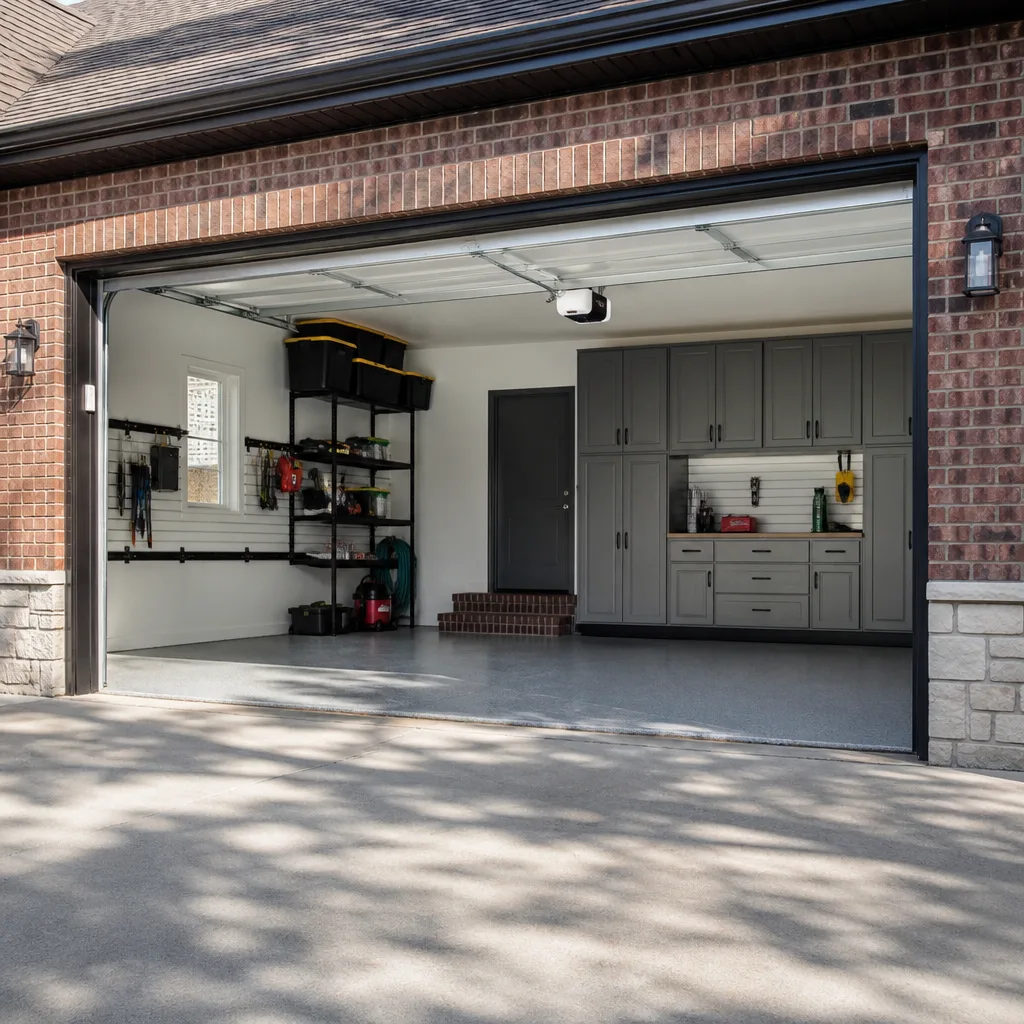 Chamberlain openers
Full 25-point door and opener safety check with every visit - springs, cables, rollers, tracks, and your LiftMaster or Chamberlain opener included
You get a price before we start. It does not change when the truck arrives.
Get your free estimateHow to Hire a Garage Door Contractor in Rosemead: A Step-by-Step Guide
There is no state license specifically for garage door work in California. That single sentence explains more about this industry than any brochure ever will. A general contractor’s license, a handyman’s smile, and a truck with a ladder all look the same at your driveway, and anyone with a socket set can legally take your job and your money. The difference between a real specialist and an opportunist usually becomes obvious only after something goes wrong: a spring that snaps again in four months, an opener that grinds to a halt, a door that was never balanced in the first place. This guide teaches you the three credential checks that separate genuine garage door specialists from opportunists in Rosemead, plus the contract clauses, red flags, and brand-verification steps that protect you before you hand over a deposit.
Quick Answer
To hire a garage door contractor in Rosemead, verify their California contractor license classification (C-61/D-28 for door and gate work), confirm brand authorization with the manufacturer for the equipment you own, and get a written quote only after an on-site visit. A legitimate specialist will have a physical address, answer questions about spring weight and opener compatibility without hesitation, and put parts warranty, labor warranty, permit responsibility, cleanup, and disposal of old hardware in writing.
Styles & brands we work with
- Raised-panel steel
- Carriage house
- Modern flush
- Full-view glass
- LiftMaster openers
- Chamberlain openers
Table of Contents
- What License Does a Garage Door Contractor Need in California?
- How to Verify Brand Authorization for LiftMaster, Clopay, and Other Major Brands
- Why a Quote Without a Site Visit Is a Price That Will Change
- Five Contract Clauses That Protect You
- Red Flags Specific to the Rosemead Market
- Questions to Ask Before You Sign Anything
- Step-by-Step: From Phone Call to Finished Door
- Common Mistakes to Avoid
- When to Call a Professional
- Frequently Asked Questions
What License Does a Garage Door Contractor Need in California?
California’s Contractors State License Board (CSLB) does not issue a license that says “garage door” on it. Garage door installation and repair falls under the C-61/D-28 classification, which covers door and gate work. That’s the credential you want to see. A C-61/D-28 license authorizes a contractor to install, repair, and replace residential and commercial doors, gates, and their associated hardware, including garage door openers.
Here’s what most homeowners in Rosemead don’t realize: a general contractor with a B license can legally take a garage door job. So can a handyman working under the $500 project threshold. Neither one has been tested on spring tension, door balance, track alignment, or opener electronics. The B license means they know construction management. It does not mean they know why a Wayne Dalton TorqueMaster spring differs from a standard torsion spring, or why a Raynor opener won’t pair with a Chamberlain remote.
When you call a contractor, ask for the license number directly. Then verify it at the CSLB website. It takes ninety seconds. Type in the number, confirm the classification is C-61/D-28, and check that the license is active with no pending disciplinary actions. If the person on the phone hesitates, changes the subject, or tells you the number is “in the truck,” that’s your answer. We’ve been doing garage door repair in this area since 2015, and we’ve never once had to go looking for our license number.
Key point: a specialist license is not proof of skill, but the absence of one is proof of something. It tells you the business has not invested in the formal credential that separates a trade from a side hustle.
How to Verify Brand Authorization for LiftMaster, Clopay, and Other Major Brands
“Brand-authorized” is not a marketing phrase. It’s a logistical fact. LiftMaster and Chamberlain (both under the Chamberlain Group) run dealer networks with factory training, parts access, and technical support lines that are not available to the general public. Clopay and Amarr run similar programs for door manufacturers. A contractor who is authorized with a brand can pull technical bulletins, order proprietary parts, and get factory guidance on warranty claims. A contractor who is not authorized is buying parts from a distributor and figuring it out on your door.
Here’s how to verify authorization before you commit:
- Ask for the dealer name, not just a claim. A real authorized dealer can tell you their dealer account name with the manufacturer. It’s on their invoices, their parts portal, their tax documents. If they can’t say it, they don’t have one.
- Call the manufacturer’s dealer locator. LiftMaster, Chamberlain, Clopay, Amarr, and Wayne Dalton all have online dealer search tools. Type in Rosemead or your ZIP code. If the contractor’s name doesn’t appear, ask why.
- Watch how they respond to brand questions. Ask “What’s the difference between a LiftMaster 81600 and a Chamberlain B970?” A brand-familiar technician answers immediately. A generalist says “they’re basically the same thing” or changes the subject. They are not the same thing, and a specialist knows it.
We work on eight brands: LiftMaster, Chamberlain, Genie, Clopay, Amarr, Wayne Dalton, Craftsman, and Raynor. That matters in Rosemead because the housing stock here spans decades. Some homes have original Craftsman openers from the early 2000s. Others have Wi-Fi-enabled LiftMaster systems installed last year. The brand you already own is the brand we know. If a contractor only wants to sell you a new door when you call about a garage door opener repair, that’s not expertise. That’s a sales script.
Why a Quote Without a Site Visit Is a Price That Will Change
Any contractor who gives you a firm price over the phone, before looking at the door, is guessing. And guesses cost money. Here’s what a technician sees on-site that a phone call cannot capture:
- Track condition and alignment. Bent or rusted tracks change the labor scope. A door that “works fine” but squeals on the way up may have fifty pounds of unbalanced tension on one side.
- Spring size and placement. Torsion springs are sized by wire gauge, coil diameter, and length. The wrong guess on a phone quote becomes a $200 add-on in person.
- Opener compatibility. An older Chamberlain opener with a chain drive may not be worth repairing if the rail is worn. A site visit determines whether repair or replacement actually makes sense.
- Door weight and balance. A 16-foot double door weighs more than a 9-foot single. Duh. But the steel gauge, insulation, and panel count all affect spring sizing, and none of that is visible over the phone.
- Mounting surface. In Rosemead, many garages are attached to homes built in the 1950s through 1980s. The header above the door may be solid wood, or it may be cracked and needing reinforcement. That changes the job.
A written estimate after a site visit is the only number that means anything. The estimate is free, and the price is set before any work starts. If a contractor won’t come out before quoting, walk away. They are building a bid to win a phone call, not to fix a door.
Five Contract Clauses That Protect You
You don’t need a lawyer to protect yourself in a garage door contract. You need five specific clauses. If any of these are missing, ask for them in writing before you sign.
- Parts warranty. What parts are covered, and for how long? A quality torsion spring carries a minimum parts warranty. A cheap spring carries none. The contract should name the part and the term.
- Labor warranty. If the part fails and they replace it free, do you still pay for labor? A specialist who backs their work puts labor coverage in writing, typically for 30 to 90 days. If the contract is silent, the answer is “you pay.”
- Permit responsibility. Most cities require a permit for replacing a garage door because it affects structural connections and fire-rated separation between garage and living space. Ask the Rosemead building department directly whether your job needs one. If it does, the contract should state who pulls it and who pays the fee.
- Cleanup. Old springs, opener rails, packaging, and loose hardware. Who removes it? A reputable contractor includes haul-away in the written price. If it’s not in the contract, you’re left with a pile of sharp metal on your driveway.
- Disposal of old hardware. Torsion springs under tension are dangerous to handle. The contract should state that the contractor removes and disposes of the old spring, opener, and door panels. If a contractor tells you to “just leave it by the curb,” they just offloaded a hazard onto you.
These five clauses cost a legitimate contractor nothing to include. A contractor who pushes back on any of them is telling you something about how they handle problems after the check clears.
Red Flags Specific to the Rosemead Market
Rosemead sits in the San Gabriel Valley, surrounded by El Monte, San Gabriel, Temple City, and Monterey Park. It’s a densely populated market with older housing stock and lots of word-of-mouth referrals. That creates specific patterns among less reputable operators. Here’s what to watch for:
- Out-of-area numbers forwarded locally. A 626 area code that forwards to a call center in another state. Or a business listed in Rosemead with a Las Vegas or Phoenix number. Ask where the business is physically located. If the answer is vague, it’s a dispatch service, not a contractor.
- No physical address. A legitimate garage door company in Rosemead has a shop, a warehouse, or at minimum a commercial address where parts are stocked. A business that lists only a P.O. box or has no address at all is operating without overhead, which sounds good until you need warranty work and there’s nowhere to go.
- Cash-only payment demands. Cash-only is not a policy. It’s a tax-evasion signal and a way to avoid a paper trail. A professional takes check, card, or bank transfer and provides a written invoice. If the “deal” requires cash, the deal is not a deal.
- Pressure to decide today. “This price is only good while I’m here.” The door has been hanging there for years. It will still be hanging there tomorrow. Any contractor who needs an answer before they leave your driveway is not selling service, they’re selling urgency.
- The “I can do it cheaper than the quote you already have” call. In a tight-knit market like Rosemead, a neighbor’s referral carries weight. But a contractor who appears out of nowhere and undercuts a written estimate is usually doing it by cutting parts quality or skipping permits. Cheap installs become expensive repairs.
Questions to Ask Before You Sign Anything
These ten questions take about five minutes total. A legitimate contractor answers all of them without blinking. A shaky one stumbles, deflects, or gets annoyed.
- What is your CSLB license number and classification?
- Are you factory-authorized for my door and opener brand, or do you buy from a distributor?
- Will you give me a written estimate after an on-site inspection, before any work starts?
- What is the parts warranty on the spring or opener you’re recommending?
- What is the labor warranty, and is it in the contract?
- Who pulls the permit if Rosemead requires one for this job?
- Do you remove and dispose of the old door, spring, and opener?
- Is your business address in Rosemead or the San Gabriel Valley, or are you dispatching from elsewhere?
- Do you stock springs and opener parts on your truck, or do you need to order them?
- If I call with a problem two weeks after the job, who answers the phone?
Notice what’s not on that list: “Are you licensed and insured?” We assume you’re smart enough to ask that. The point is to ask questions that reveal how a business operates when you’re not standing there watching.
Step-by-Step: From Phone Call to Finished Door
Here’s what a well-run garage door project in Rosemead looks like from start to finish. This is the process a professional follows. If a contractor skips steps, that’s a red flag.
Step 1: Gather information about your door
Before you call anyone, write down the brand name on the door (Clopay, Amarr, Wayne Dalton, or none if it’s generic), the brand on the opener (LiftMaster, Chamberlain, Genie, Craftsman, Raynor), and what’s wrong in plain language. “Loud grinding noise when opening” is more useful than “it’s broken.” “Door won’t stay up” is more useful than “it’s old.” Also note whether springs are above the door (torsion) or along the side tracks (extension). If you don’t know, just describe what the spring looks like. All of this saves time on the first call and helps the contractor stock the right parts.
Step 2: Make initial calls with the license question first
Call two or three contractors. Ask the license question first, before anything else. Then ask the ten questions above. Compare not just price, but how they answer. A contractor who asks about your door’s brand, age, and symptoms before quoting is doing diagnostic work. A contractor who quotes a price in the first thirty seconds is selling something.
Step 3: Get an on-site estimate in writing
Accept an estimate only after a technician has looked at the door, the tracks, the springs, the opener, and the mounting surface. The estimate should list line items: parts, labor, permit fee if applicable, cleanup, and disposal. It should state that the price is quoted and agreed before work begins. No “subject to change” language unless a hidden condition is discovered mid-job, and even then, the contractor should stop and call you before proceeding.
Step 4: Verify insurance and license before scheduling
You asked for the license number on the phone. Now verify it at the CSLB website and ask for a certificate of insurance naming you as additionally insured if the job is large. Most garage door jobs don’t require this, but a full door replacement with permit work is a bigger deal. The certificate takes the contractor one email to obtain. If they refuse, find someone else.
Step 5: Review the contract before the work day
The contract should include all five protective clauses: parts warranty, labor warranty, permit responsibility, cleanup, and disposal. Read it before the crew arrives. If something is missing, one phone call fixes it. It’s easier to add a sentence to a contract than to fight about it after the fact.
Step 6: The work day
A typical spring replacement takes 45 to 90 minutes. An opener replacement takes two to three hours. A full door installation takes half a day to a full day depending on the door and the condition of the opening. The technician should test the door through multiple cycles, check the balance, program the opener remotes and keypad, and clean up before leaving. You should never be left with old parts in your driveway.
Step 7: Keep the paperwork
File the contract, the invoice, and the warranty information. If a spring fails under warranty in six months, you want the paper trail. A professional keeps records too, but so should you.
Common Mistakes to Avoid
- Hiring based on price alone. The cheapest quote often comes from a contractor who uses lightweight springs, skips the permit, and doesn’t carry insurance. In Rosemead’s older housing stock, the wrong spring size is a safety issue, not just a noise issue.
- Accepting a quote without a site visit. A phone quote is a placeholder. A door that looks fine from the ground can have a cracked header, bent track, or unbalanced spring that no phone call can see.
- Not verifying the license classification. A B general contractor license is not the same as a C-61/D-28 door and gate license. Check the classification, not just that a number exists.
- Believing brand authorization without proof. Any contractor can say they “work on all brands.” Ask for the dealer name, check the manufacturer’s dealer locator, and watch how they answer brand-specific questions.
- Skipping the permit. If the Rosemead building department requires a permit for your door replacement and you skip it, you own that problem forever, including at resale. A professional handles permits as part of the job.
- Not asking about spring quality. There’s a real difference between a 10,000-cycle spring and a standard 5,000-cycle one. A contractor who can’t tell you the cycle rating of the spring they’re quoting is buying the cheapest thing on the distributor’s shelf.
- Paying in full up front. A deposit for a special-order door is normal. Full payment before the work is done is not. A reputable contractor in Rosemead doesn’t need your entire payment before proving the door works.
When to Call a Professional
A snapped torsion spring is not a DIY job. The spring is under hundreds of pounds of tension, and the winding and unwinding process has injured countless homeowners who thought they could save a few hundred dollars. A door that’s off its tracks is also dangerous: the weight of a double door falling is enough to cause serious injury. An opener that sparking, smoking, or making grinding metal noises should be unplugged immediately and inspected by someone who knows opener electronics and mechanics. Other jobs, like a remote that won’t program or a keypad that’s dead, are often simple fixes that a technician can do in minutes, but knowing the difference takes experience. Garage Door Repair Rosemead offers free estimates in Rosemead. Call (855) 382-3118. We answer 24/7. Fast dispatch from 7am to 7pm, Sunday through Friday.
Frequently Asked Questions
Ask for the CSLB license number, then verify it at the CSLB website and confirm the classification is C-61/D-28 for door and gate work. A general B license is not the same thing and does not test garage door-specific skills. Call (855) 382-3118 if you’d like help understanding what a contractor’s credentials actually mean for your job.
Three quotes only helps if all three contractors do an on-site inspection first. Three phone quotes tell you nothing except who is best at guessing low. Get at most two on-site written estimates from contractors who pass the license and brand-authorization checks, then compare the contracts, not just the prices.
Spring replacement pricing in the San Gabriel Valley typically runs from $180 to $340 per spring, and most doors need a matched pair because both springs wear at the same rate. The exact price depends on the spring’s wire gauge, coil diameter, and cycle rating. Call (855) 382-3118 for an exact quote after an on-site look. Estimates are free.
If the problem is a snapped spring, a door off track, or an opener that won’t respond, same-day service is usually possible. We answer 24/7 and dispatch technicians from 7am to 7pm, Sunday through Friday. Call (855) 382-3118 and we’ll tell you what we can do today.
The written estimate after an on-site inspection is the price, and it is quoted and agreed before any work starts. The only time a price changes mid-job is if the technician discovers a hidden condition, like a cracked header or rotted mounting surface, and in that case a professional stops and calls you before doing anything. A quote without a site visit is the one that changes.
A dedicated garage door specialist stocks common spring sizes, opener parts, and hardware on the truck because half the job is getting to the door and seeing what’s wrong. General handymen typically order parts after the visit and come back another day. Ask the contractor directly whether they stock parts for their brand lineup or order per job. Call (855) 382-3118 to find out what we carry.
The Bottom Line
Hiring a garage door contractor in Rosemead comes down to three checks: verify the C-61/D-28 license classification, confirm brand authorization for the equipment you own, and require a written estimate from an on-site visit. Add five contract clauses, parts warranty, labor warranty, permit responsibility, cleanup, and disposal, and you have protected yourself against the worst of this market’s operators. The difference between a specialist and a generalist is not visible on the invoice; it shows up six months later when the spring holds and the opener runs quietly. Garage doors are all we do, and we’ve been doing them in Rosemead since 2015. Call (855) 382-3118 for a free estimate. We answer 24/7. Fast dispatch from 7am to 7pm, Sunday through Friday.
Written by the team at Garage Door Repair Rosemead, serving Rosemead since 2015.
See the difference
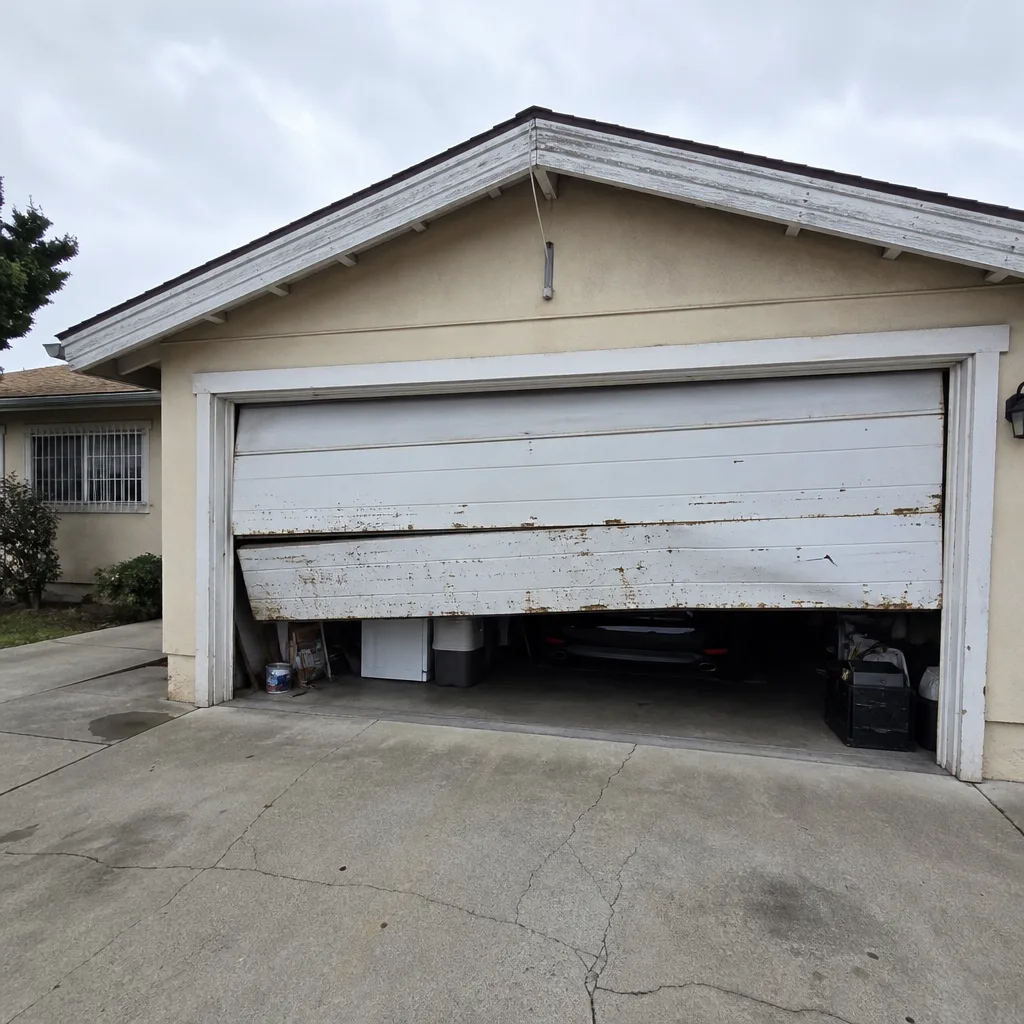 Before
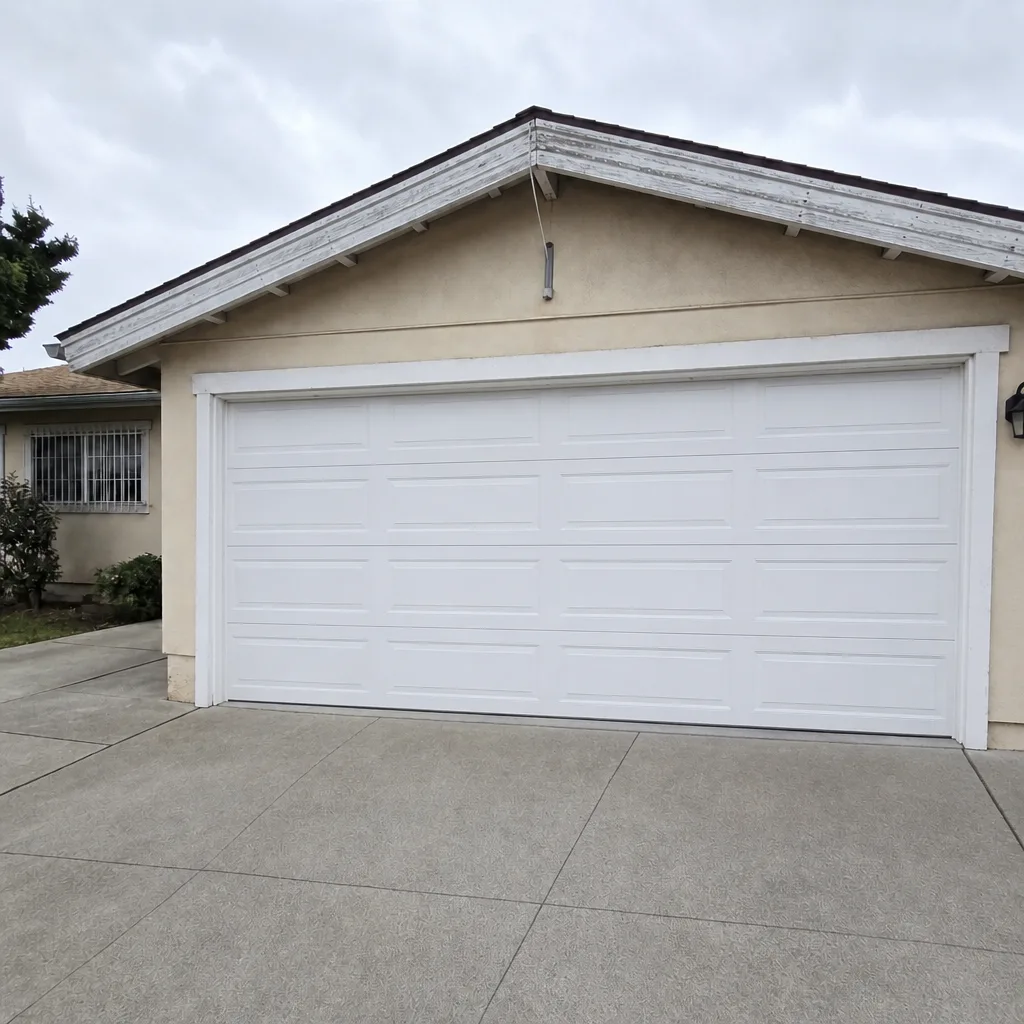 After
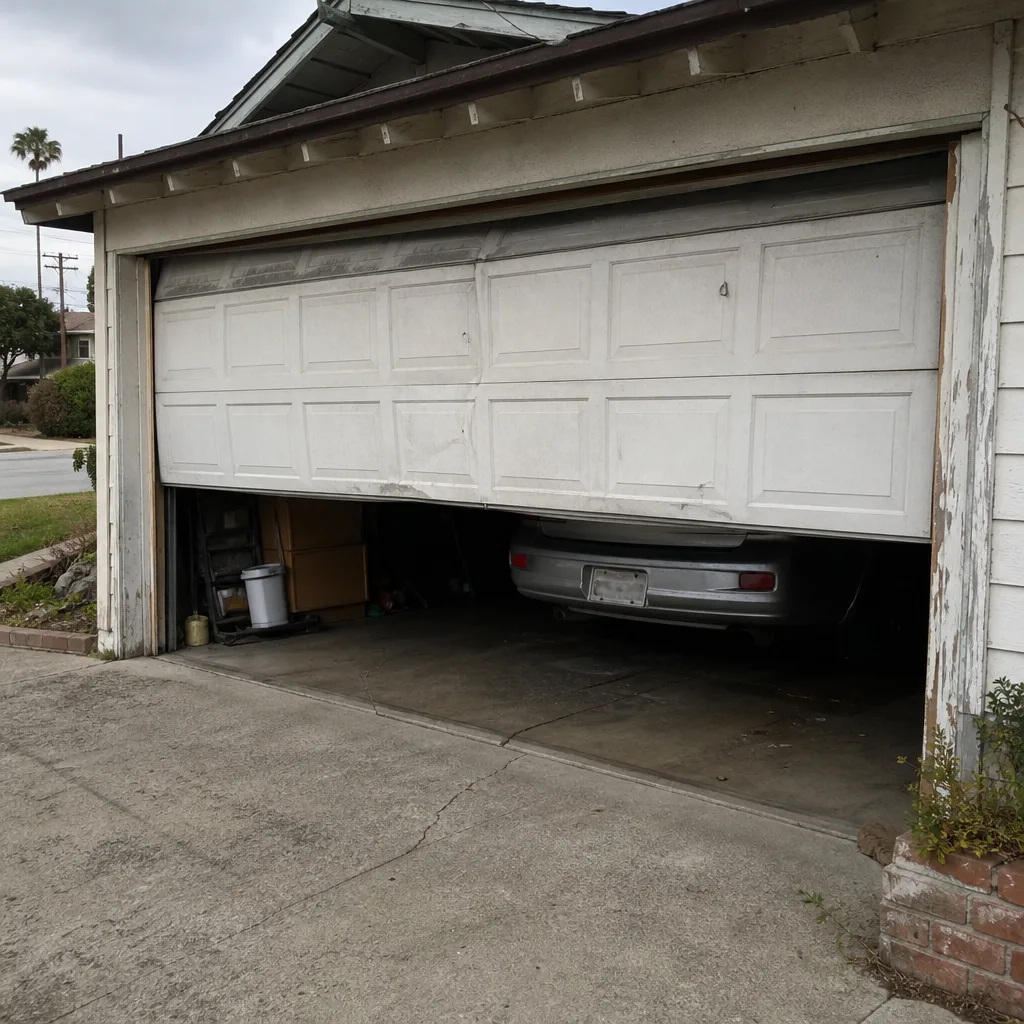 Before
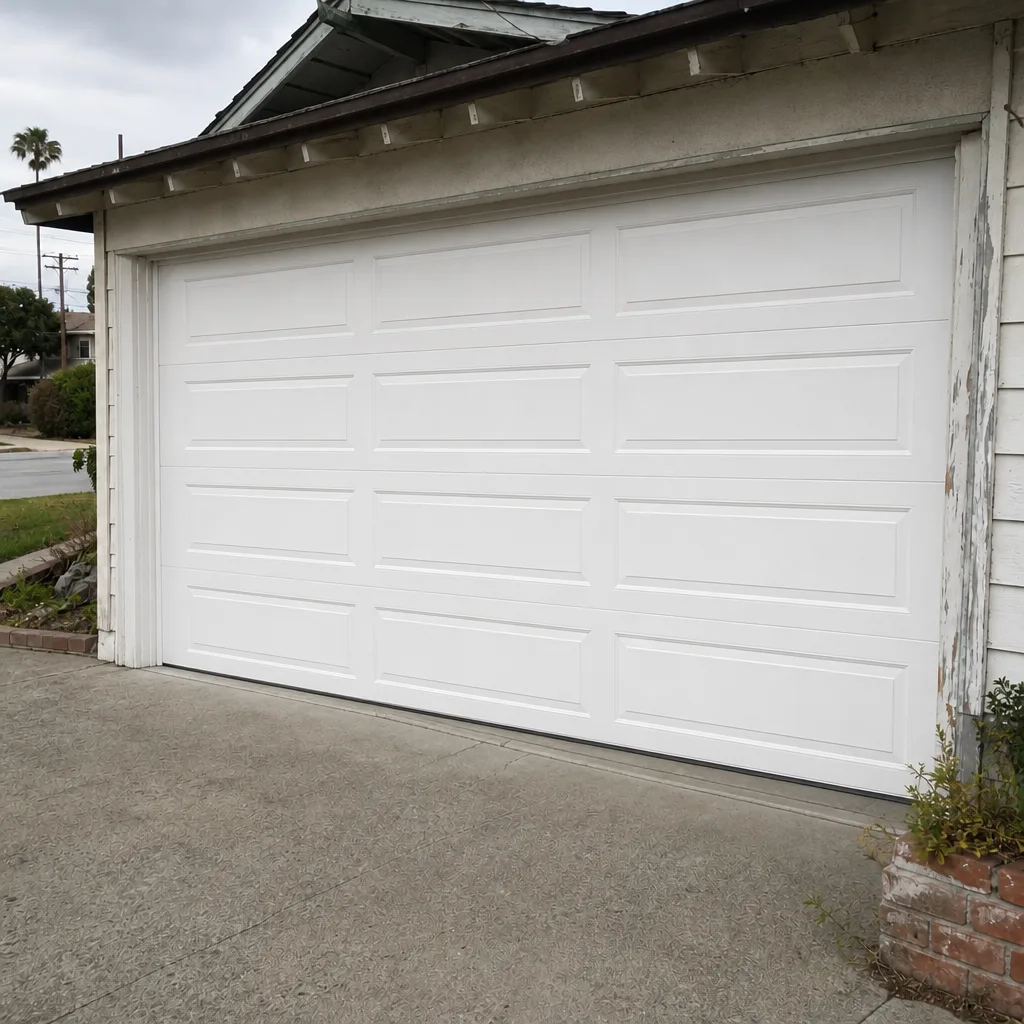 After
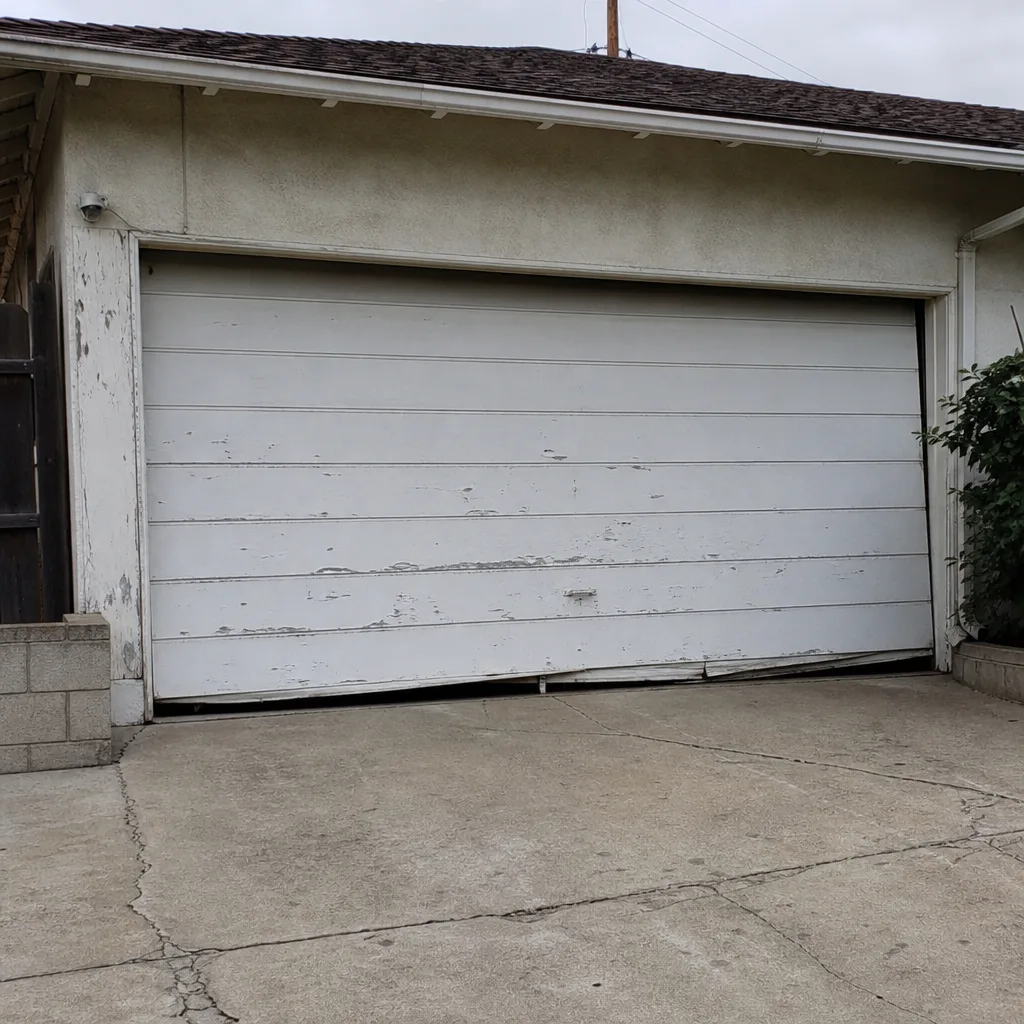 Before
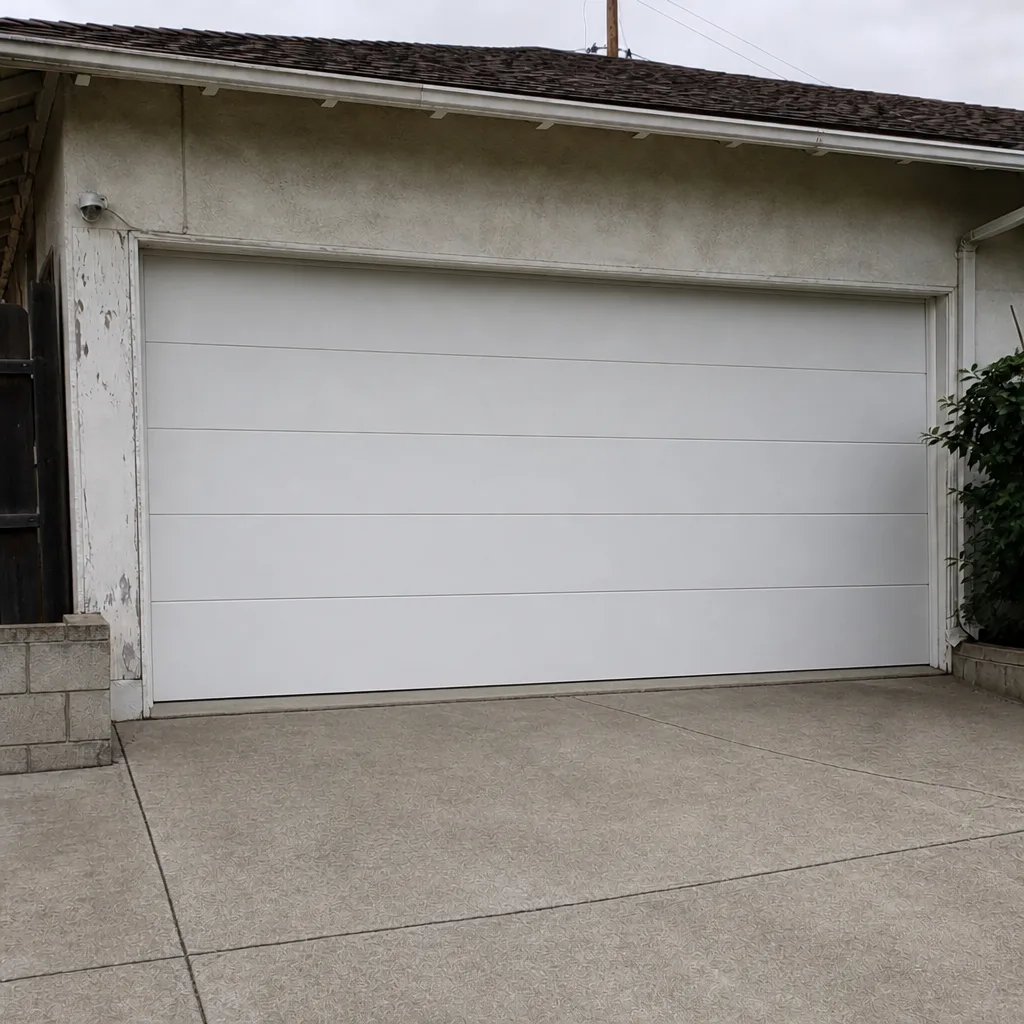 After