
Last updated November 4, 2026
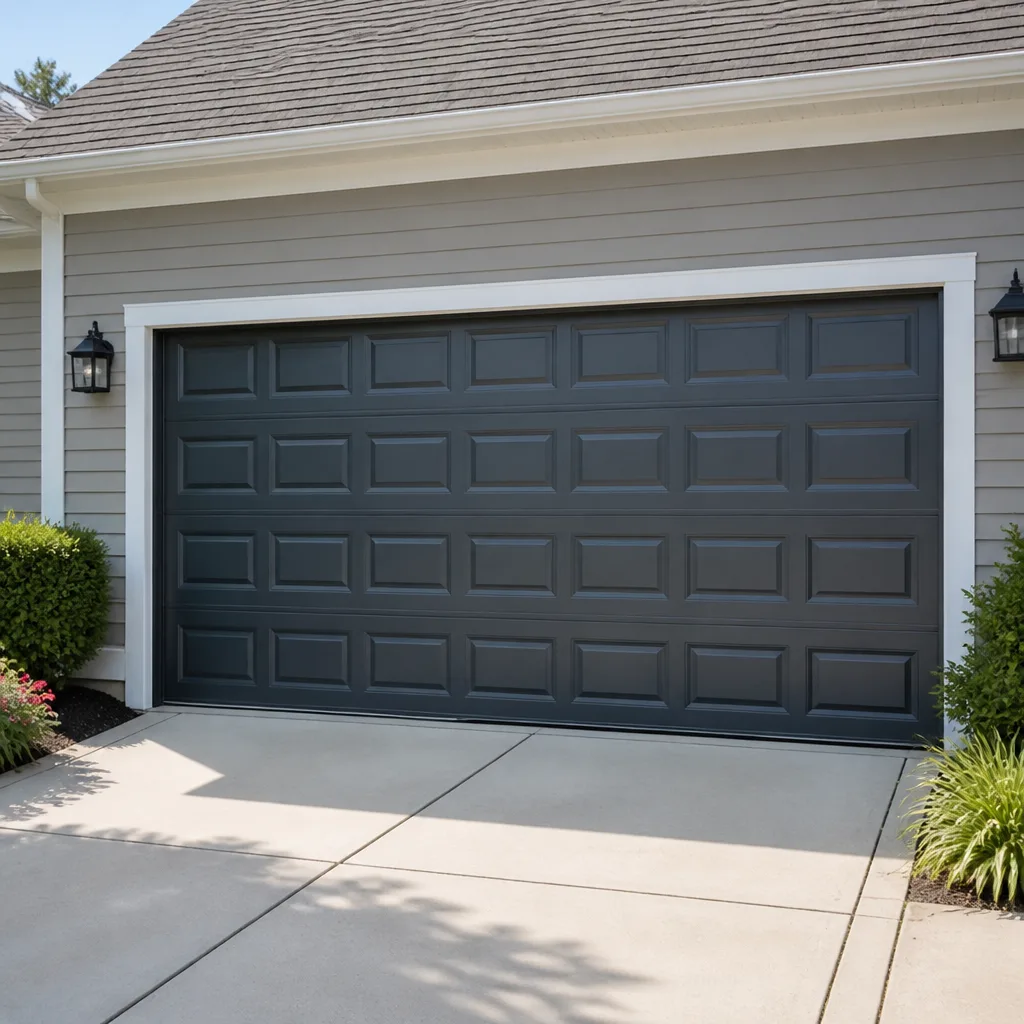 Raised-panel steel
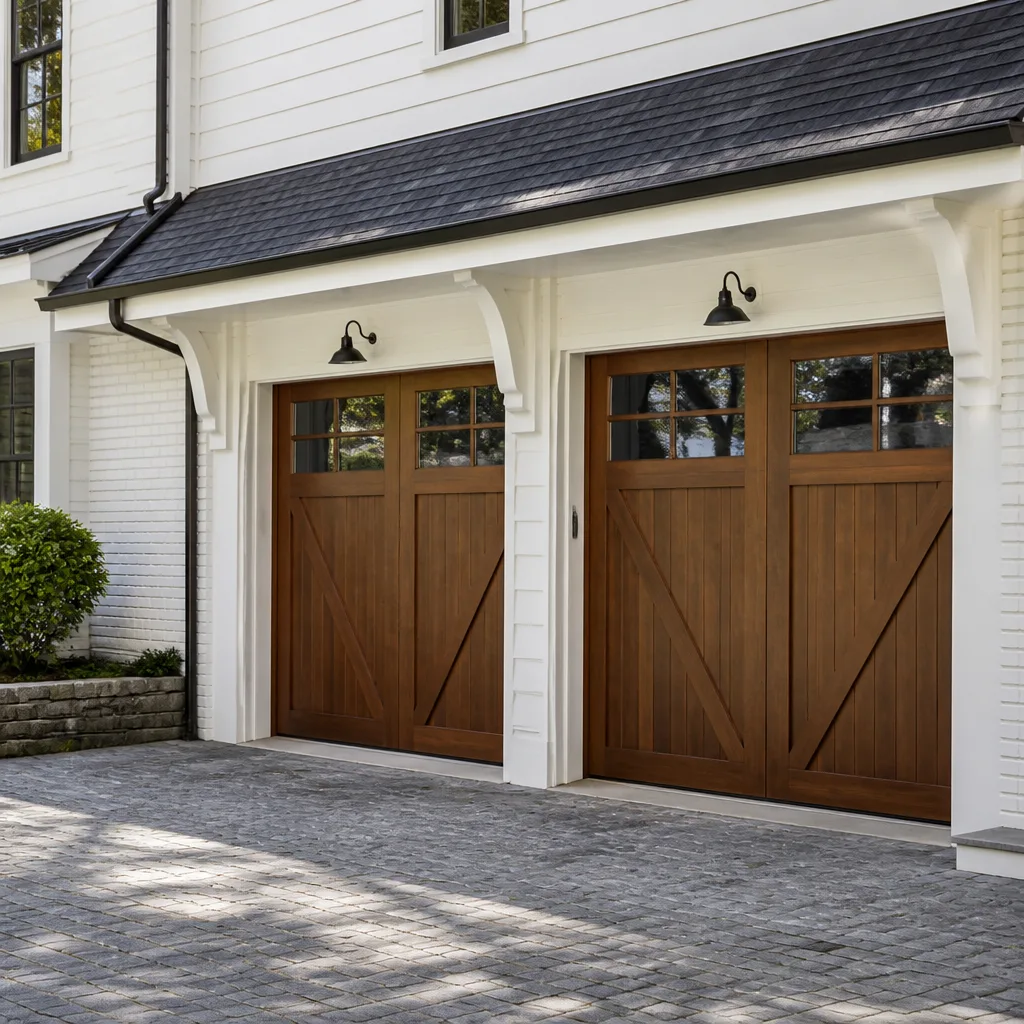 Carriage house
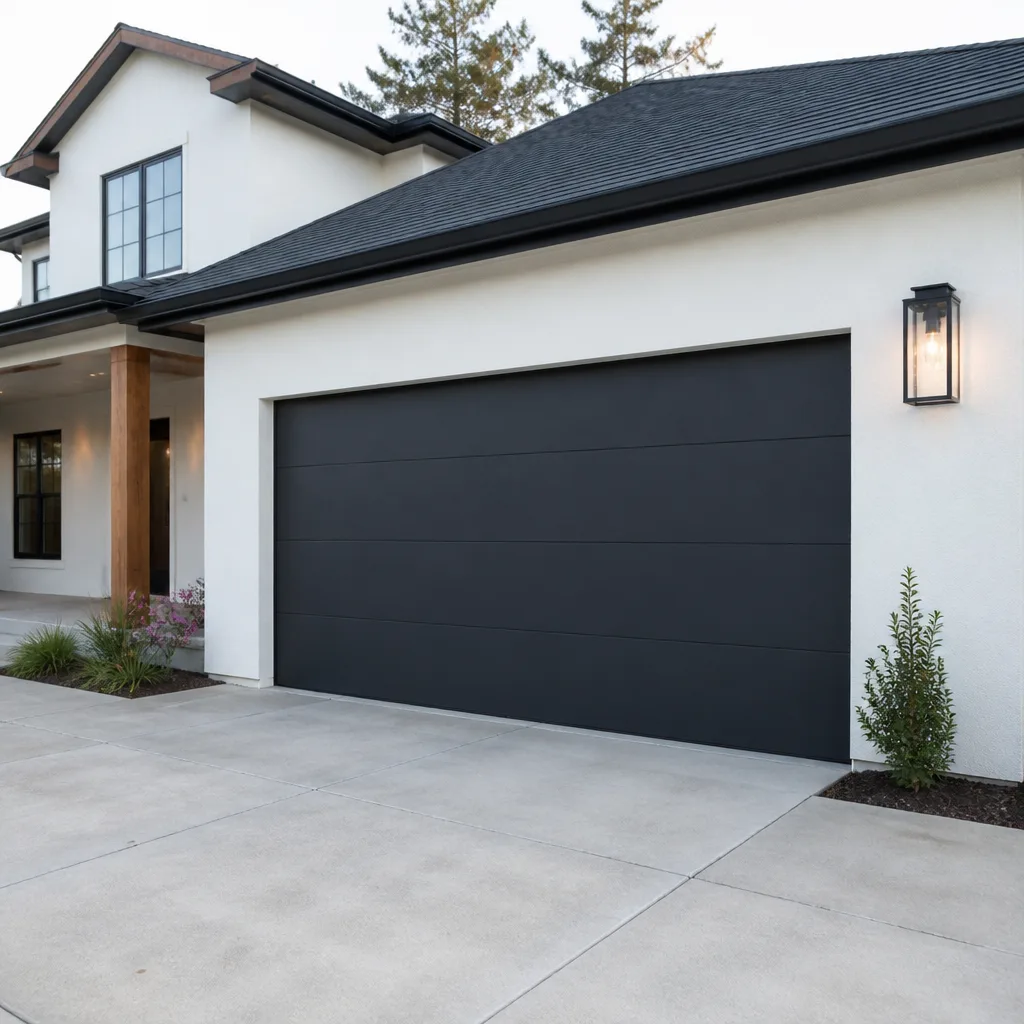 Modern flush
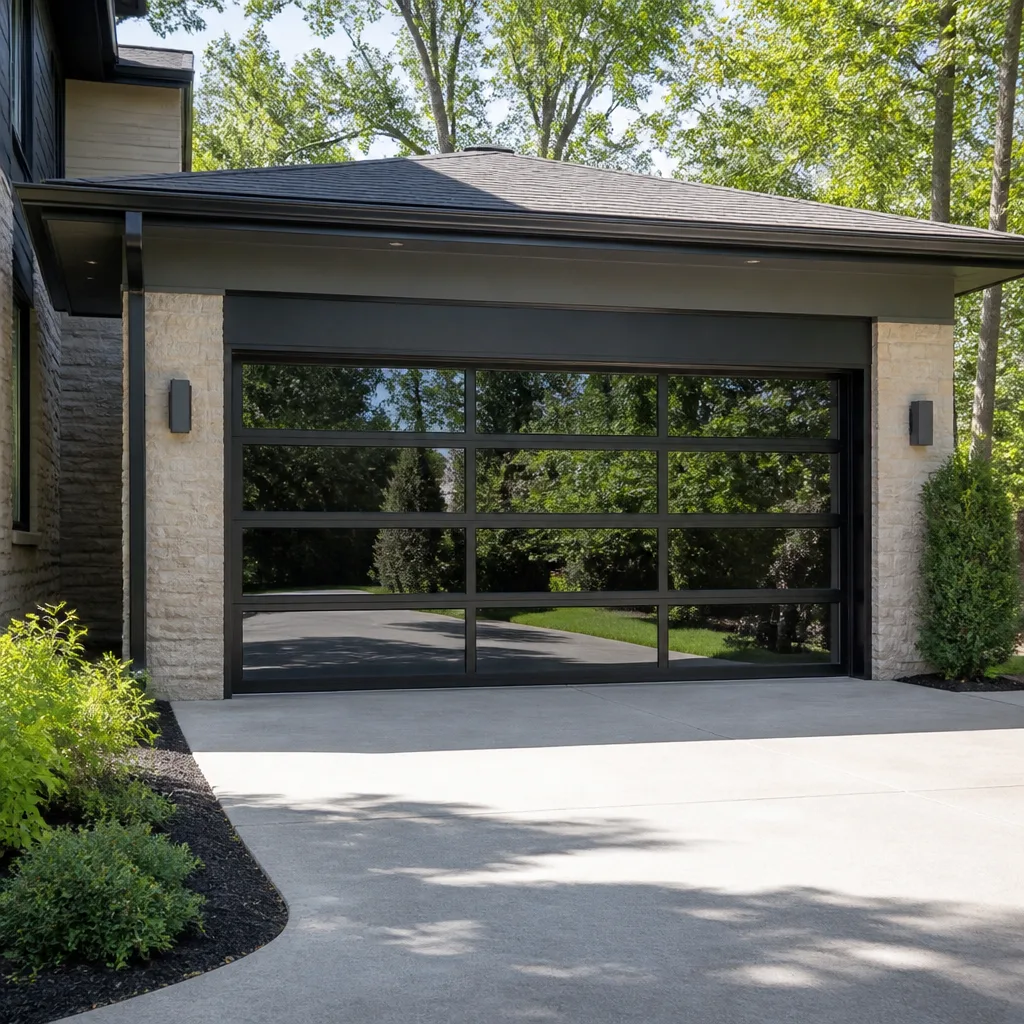 Full-view glass
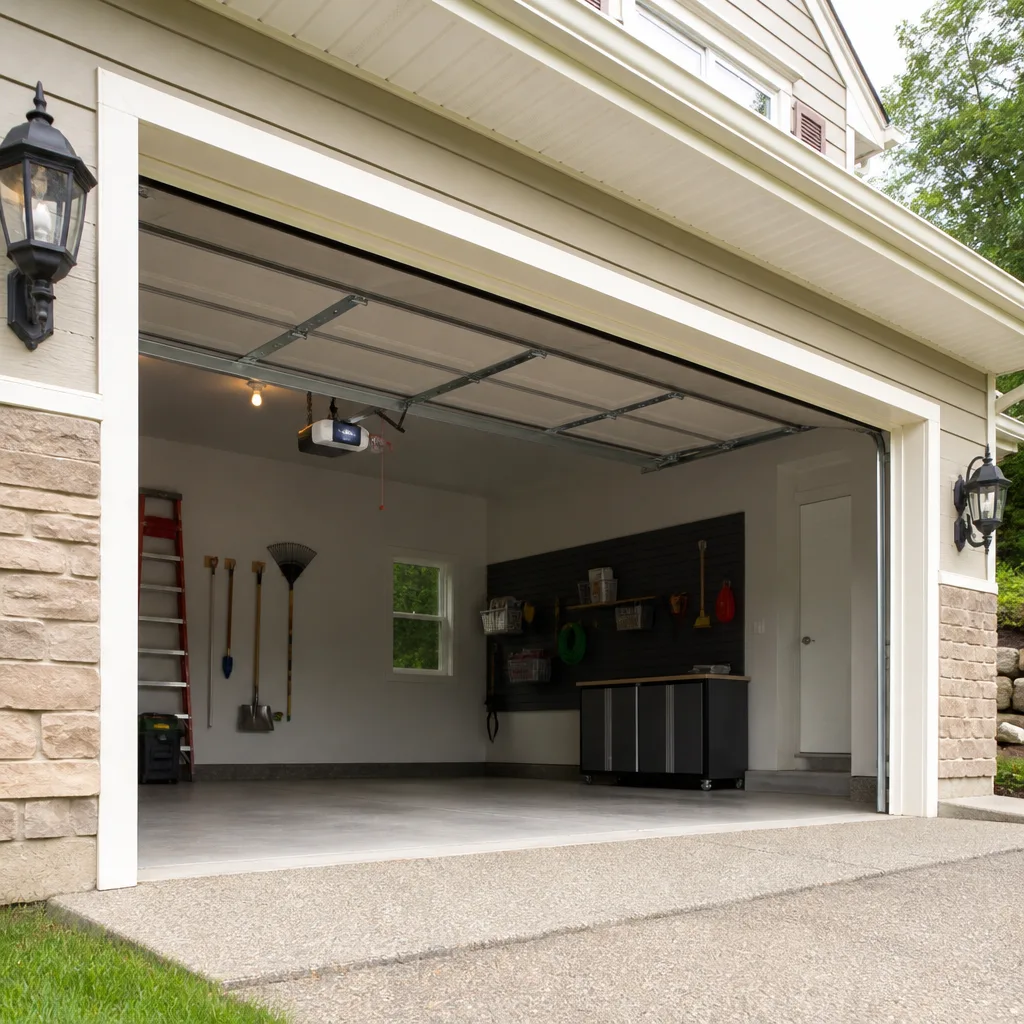 LiftMaster openers
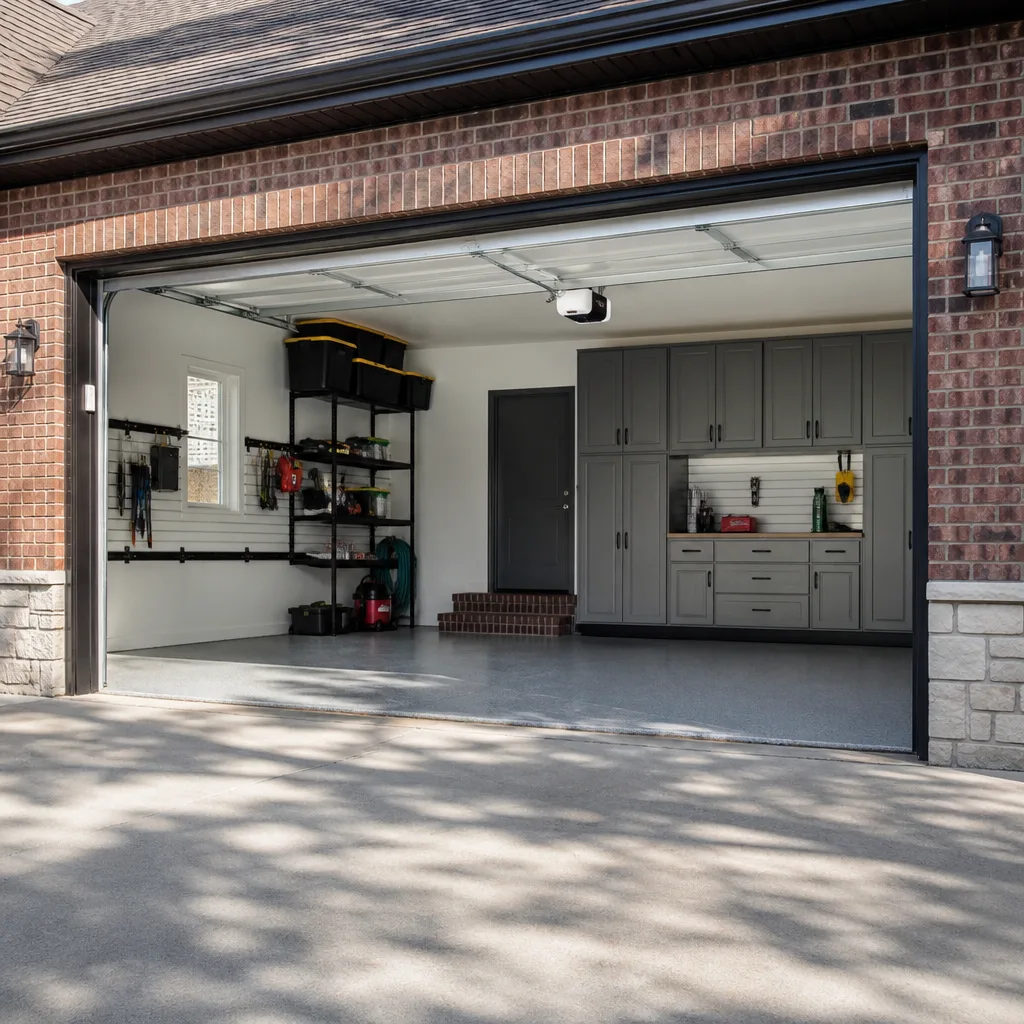 Chamberlain openers
Full 25-point door and opener safety check with every visit - springs, cables, rollers, tracks, and your LiftMaster or Chamberlain opener included
You get a price before we start. It does not change when the truck arrives.
Get your free estimateThe Complete Guide to Garage Doors in Rosemead
Most garage door guides assume your house was built in the last twenty years, with a tidy, standardized garage opening and a homeowner’s association that has no opinion about anything. That assumption falls apart fast in Rosemead, where a huge share of the housing stock went up between the 1950s and 1970s. Those homes carry non-standard rough opening dimensions, older header construction, and quirks that a modern door will expose the moment a contractor tries to hang it. This guide walks through what actually matters when you repair, upgrade, or replace a garage door in Rosemead: measuring what you have, matching materials to the San Gabriel Valley climate, choosing between repair and replacement, and avoiding the expensive mistakes we see regularly.
Styles & brands we work with
- Raised-panel steel
- Carriage house
- Modern flush
- Full-view glass
- LiftMaster openers
- Chamberlain openers
Quick Answer
Garage doors in Rosemead demand a different set of decisions than newer subdivisions because much of the city’s housing predates standardized construction. Before buying anything, measure the actual rough opening, account for HOA design rules if one applies to your street, and pick weatherstripping and spring tension suited to the valley’s hot-afternoon and cool-morning swings. A dedicated garage door specialist can tell you whether repair or replacement makes sense, often on the first visit.
Table of Contents
- Why Rosemead’s Housing Stock Changes Everything
- How San Gabriel Valley Weather Affects Your Door
- HOA Rules and What They Mean for Your Choices
- Springs, Cables, and the Parts That Fail First
- Choosing a Garage Door Opener That Matches Your Door
- Repair or Replace: A Straight Answer
- How to Measure Before You Spend a Dollar
- Common Mistakes to Avoid
Why Rosemead’s Housing Stock Changes Everything
A meaningful portion of Rosemead’s single-family homes were built between the 1950s and 1970s. Builders in that era worked from local plans, not national templates. The result is that rough opening widths and heights vary by several inches from house to house, even on the same block. A 16-foot-wide modern door will not slide into a 15-foot-9-inch opening without reframing, and a 7-foot-tall door will hit a header on a home where the opening measures 6-foot-10.
We bring this up first because it kills more projects than any other factor. A homeowner orders a door online or through a big-box installer, the crew arrives, and the door does not fit. Now there is a restocking fee, a delay, and a second trip. Measuring the existing opening before you shop is the single most useful thing you can do.
Older Rosemead garages also tend to have narrower side clearances. The track radius, the distance from the opening to the side wall, and the headroom above the opening dictate what hardware will work. Homes with a water heater tucked into the corner of the garage often have less overhead clearance than the door manufacturer assumes. A technician who works with these older layouts every day will spot that constraint immediately. If you are starting from scratch, our Garage Door Repair Rosemead page explains how we approach repair and replacement on older homes specifically.
How San Gabriel Valley Weather Affects Your Door
Rosemead sits inland, in the San Gabriel Valley, where summer afternoons can push into the 90s while winter mornings drop into the 40s. That daily and seasonal swing does two things to a garage door. First, steel expands and contracts. Second, vinyl and rubber weatherstripping stiffens in cooler temperatures and softens in heat. Neither is dramatic, but both change how the door sits in its opening.
The temperature swing matters most for spring tension. A torsion spring wound for a cold morning behaves differently on a hot afternoon. The metal’s modulus shifts slightly with temperature, which changes how much lift the spring delivers. A door that balances perfectly at 7 a.m. may feel heavy at 3 p.m. This is not a defect. It is physics. But it is also why spring tension should be set with the valley’s range in mind, not copied from a coastal chart.
Weatherstripping choices follow the same logic. Rosemead does not get salt air or marine fog. It gets dust, dry heat, and occasional heavy rain. A dense rubber bottom seal holds up better here than in a beach town, and it keeps dust from blowing under the door during Santa Ana wind events. Side and top seals should be flexible enough to stay seated when the door shifts. We generally recommend a heavier bottom seal for Rosemead homes, especially on west-facing garages that catch afternoon sun.
HOA Rules and What They Mean for Your Choices
Several Rosemead neighborhoods have HOAs, and their architectural guidelines often regulate garage door color, material, and panel style before you even start shopping. Some associations allow only specific colors or require that carriage-house styling match the rest of the street. Others prohibit wood-look overlays or demand that doors be painted a uniform shade.
This narrows your choices in a useful way. If a wood door is on your wish list but the HOA requires steel, that decision is already made. If the HOA allows a limited color palette, you can pick between insulated steel and a composite overlay, then move on. The mistake we see is a homeowner who buys a door first and checks the HOA second. That is an expensive order to reverse.
When we do a garage door repair or replacement in Rosemead, we ask about HOA rules before recommending a door. It saves everyone a headache. If you are not sure whether your home falls under an HOA, your property report and closing documents will say. The sales contract from your purchase typically lists the association and its contact information.
Springs, Cables, and the Parts That Fail First
Most garage door breakdowns trace back to one of three parts: torsion springs, extension springs, or lift cables. On a Rosemead home built in the 1960s or 1970s, the door has likely been replaced at least once, but the hardware may be a mix of generations. That mix creates confusion when something snaps.
Torsion springs sit on a bar above the door and twist to store lifting force. They are rated for a finite number of cycles, usually 10,000 to 20,000, and they fail suddenly. Extension springs run along the horizontal tracks on either side. Older Rosemead homes often still have extension spring setups because they were the standard when the house was built.
When a spring breaks, the door will not lift evenly, or will not lift at all. The cables then slacken, and if a cable slips off a drum, the door can bind in the track. This is the point where people get hurt trying to force the door open by hand. Do not do that.
Safety note: torsion springs carry stored mechanical energy even when the door is down. A spring that lets go can release that force instantly. Cables under tension can cut. This is not a job for a YouTube tutorial. Call a trained professional who works on springs every day. The risk is not hypothetical.
We stock springs, cables, rollers, and hinges for the brands we service, which means a repair on a typical Rosemead home is often done in one visit. If the door is a less common size, we measure and order the correct spring rather than cutting corners with a close match.
Choosing a Garage Door Opener That Matches Your Door
Opener selection in Rosemead comes down to the door’s weight, the available ceiling clearance, and whether you want smart-home integration. Older solid-wood doors are heavy and need a belt- or chain-drive opener with enough horsepower to lift them without straining. A lightweight steel door can run on a smaller motor, but the tracks still need to be smooth.
We service the opener you already own, whether it is an old Craftsman chain-drive from the 1990s or a newer LiftMaster with Wi-Fi. That brand familiarity matters because opener problems are often brand-specific. A Genie unit fails differently than a Chamberlain. A Raynor opener has its own sensor logic. Knowing what we are looking at cuts diagnosis time in half.
If you are replacing an opener, the decision usually comes down to noise and connectivity. Belt drives are quieter, which matters if there is a bedroom above the garage. Chain drives are cheaper and hold up fine in a detached garage. Wi-Fi-enabled units let you check whether the door is closed from your phone, and they work well with smart-home ecosystems.
For opener repairs, see our full garage door opener repair page. It covers what we check first when an opener stops responding and the difference between a motor problem, a logic board problem, and a safety sensor problem.
Repair or Replace: A Straight Answer
The honest answer on repair versus replacement is that most Rosemead doors can be repaired, but not all of them should be. A snapped spring is a repair. A cracked panel on a 15-year-old door is a repair today and another repair next year. A door with rusted bottom sections, failing hinges, and a motor from 2003 is replacement territory.
Here is the framework we use:
- If the door is less than 10 years old and the panels are intact, repair is almost always the right call.
- If the door is 10 to 20 years old and the failure is a spring or roller, repair it unless there is structural rust or panel damage.
- If the door is over 20 years old and needs two or more separate fixes, replacement usually costs less over the next five years.
- If the door is wood and the bottom panels are soft from moisture, replacement with insulated steel is worth considering.
Rosemead’s older homes sometimes have custom-sized doors, which makes replacement more expensive and repair more attractive. A custom-width door can be re-skinned with new panels if the frame and tracks are still solid. We tell homeowners when a repair will buy them another decade. We also tell them when it will not. Repair or replace, we will tell you which one actually makes sense.
How to Measure Before You Spend a Dollar
Before you order a door or schedule an installation, measure the rough opening. You need width, height, side clearance, and headroom. Here is the sequence:
- Measure the width inside the jambs at the top, middle, and bottom. Use the smallest number.
- Measure the height from the floor to the header on both sides. Use the smallest number.
- Measure the side clearance from the edge of the opening to the nearest wall on each side.
- Measure the headroom from the top of the opening to the ceiling or lowest obstruction.
- Measure the backroom from the opening to the back wall of the garage.
A standard sectional door needs about 3.5 inches of side clearance and 12 inches of headroom for a torsion spring setup. Extension springs need a bit less headroom but more side clearance. Rosemead garages converted from carports or built with low ceilings often fall short of these numbers, which is why a custom low-headroom track may be required.
Write these numbers down before you call anyone. They determine what doors will fit and whether a low-headroom kit is needed. If you are unsure about measuring, we can do it during a free estimate.
Common Mistakes to Avoid
- Buying a door before measuring the opening. Rosemead’s older homes have non-standard dimensions, and a door ordered from a catalog will not always fit.
- Ignoring HOA rules until after the door is installed. Architectural guidelines can force you to repaint or replace a door that the HOA rejects.
- Replacing one spring instead of both. Springs wear out in pairs. If one has snapped, the other is near the end of its cycle life. Replacing both prevents a second failure within months.
- Forcing a door open after a spring breaks. The door is heavier than you expect, and the risk of injury is real. Call a professional.
- Choosing a big-box installer with no local experience. A national chain that subs out the work does not know Rosemead’s housing stock. A specialist who works on these homes every week does.
- Greasing the tracks to quiet a noisy door. Grease attracts dirt and makes the problem worse. The noise usually comes from worn rollers, not the track itself.
- Replacing the opener when the door is the problem. A struggling motor is often a symptom of a heavy, unbalanced door. Fix the door first, then reassess the opener.
When to Call a Professional
Call a professional the moment a spring snaps, a cable comes off its drum, or the door comes off its tracks. These are not slow failures. They are sudden, dangerous, and beyond the scope of a weekend fix. Also call if your door is visibly crooked when opening, makes a loud bang when closing, or refuses to stay up half the time. Those are signs that the spring tension is wrong or a roller is binding.
If your opener runs but the door does not move, the problem could be a broken coupling or a stripped gear. Both are quick fixes for someone who knows the opener’s brand. If the door moves but reverses before closing, the safety sensors are misaligned or the force setting is too low. Again, a professional diagnosis is faster than guessing.
Garage Door Repair Rosemead offers free estimates in Rosemead. Call (855) 382-3118. We answer 24/7. Fast dispatch from 7am to 7pm, Sunday through Friday.
Frequently Asked Questions
How much does a garage door spring replacement cost in Rosemead?
A single torsion spring replacement on a standard Rosemead door typically runs $180 to $340, and a matched pair usually costs about twice that because both springs are replaced together. The final number depends on the spring’s wire size, length, and cycle rating, and it is set by the written estimate before any work starts. Call (855) 382-3118 for an exact quote. Estimates are free.
Can you fix my garage door the same day I call?
In most cases, yes. We answer 24/7 and dispatch technicians from 7am to 7pm, Sunday through Friday. If the repair is a common spring or roller replacement, we can often complete it the same day. If the door is a custom size or the opener needs a part we do not have on the truck, we schedule the quickest follow-up.
Will the price change once you see the door?
No. The price you receive in the written estimate is the price you pay. We quote the job upfront and agree on the number before any work starts. If the job turns up something unexpected, we discuss it with you and get your approval before proceeding.
Do you carry the parts on the truck?
Yes. Our trucks carry springs, cables, rollers, hinges, and common opener parts for the brands we service, including Amarr, Wayne Dalton, Craftsman, and Raynor. For less common sizes, we measure and order the correct part rather than installing a close match.
Do you work on the brand of opener I already own?
We work on LiftMaster, Chamberlain, Genie, Craftsman, and Raynor openers, among others. If your opener is a legacy unit from the 1990s or a modern Wi-Fi-enabled model, we can diagnose it. Our opener repair page covers the full range.
Is my garage door problem an emergency if it happens at night?
If the door will not close, your garage and whatever is in it are exposed. Call us. We answer 24/7. A call outside dispatch hours is booked into the next opening, Sunday through Friday, 7am to 7pm. We do not dispatch crews on Saturday, but Sunday dispatch is available.
The Bottom Line
A garage door in Rosemead is not a generic purchase. The city’s older housing stock means you need to measure carefully, respect HOA rules, and match the door’s hardware to the San Gabriel Valley’s temperature swings. A specialist who works on these homes every day will catch the issues a national installer misses. From a snapped spring to a full smart-opener upgrade, the right advice is the difference between a door that works for another decade and one that fights you every year. When you need a straight answer, call (855) 382-3118. We answer 24/7. Fast dispatch from 7am to 7pm, Sunday through Friday.
Written by the team at Garage Door Repair Rosemead, serving Rosemead since 2015.
See the difference
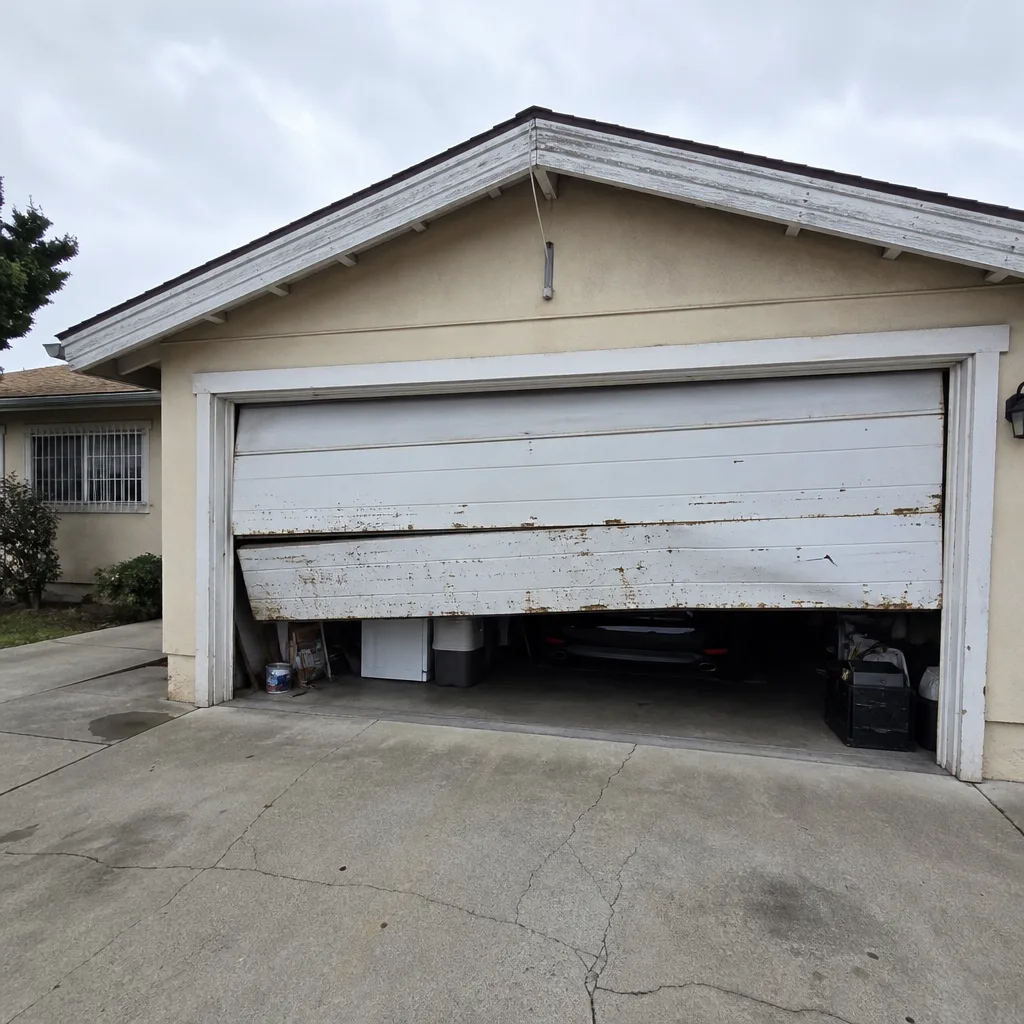 Before
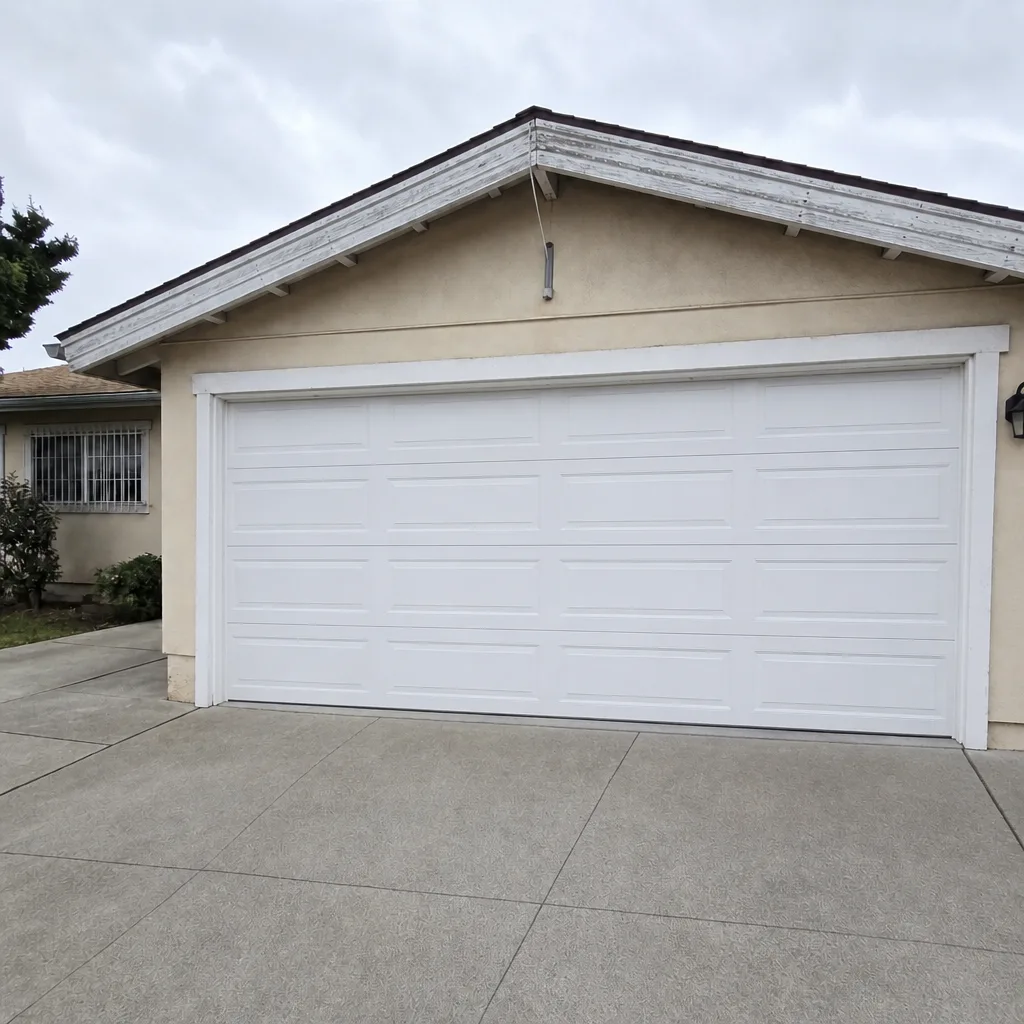 After
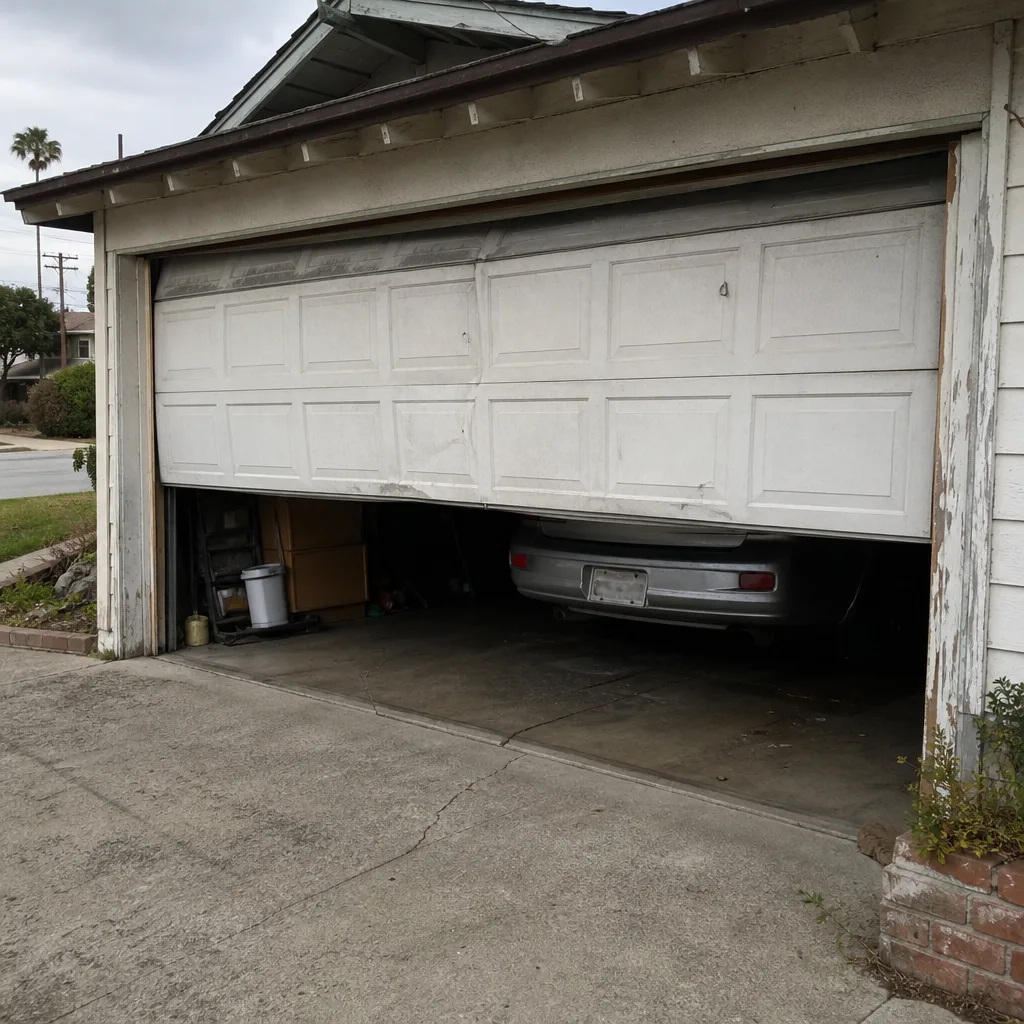 Before
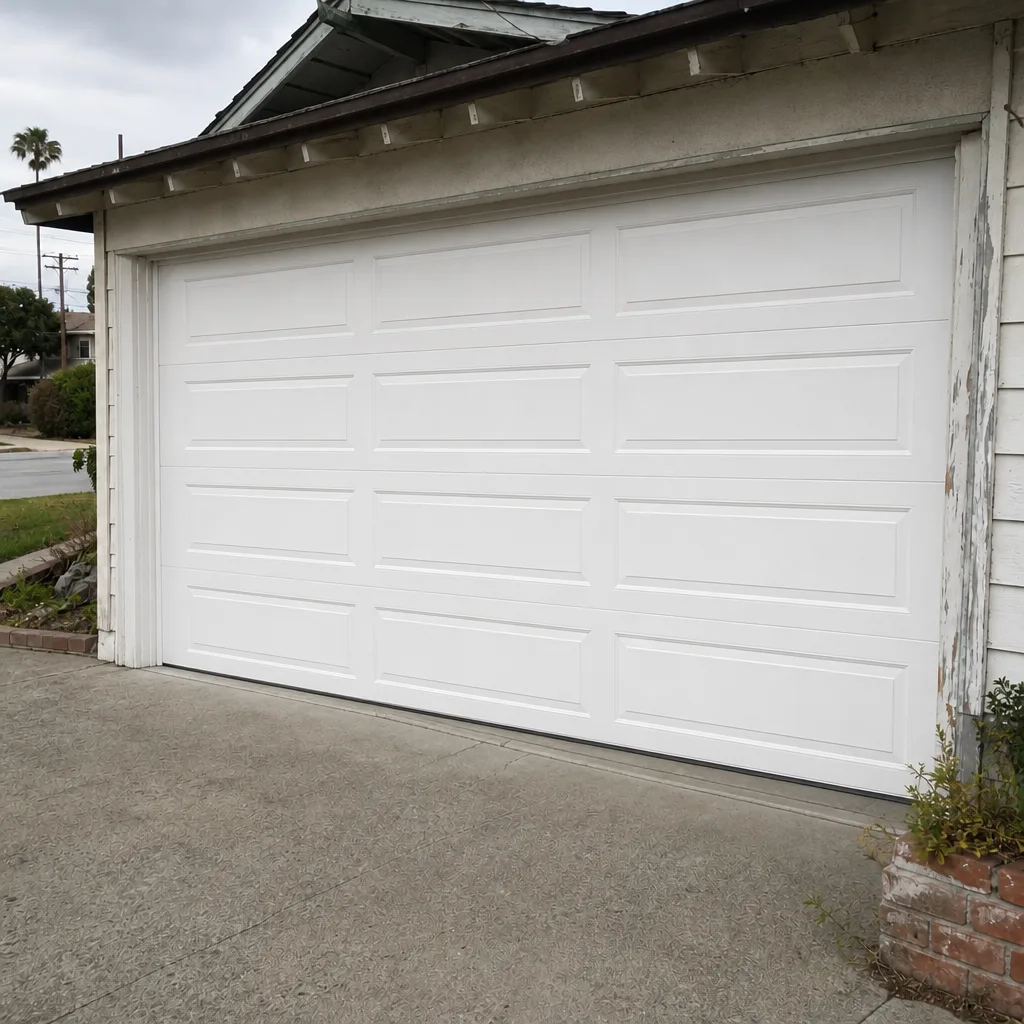 After
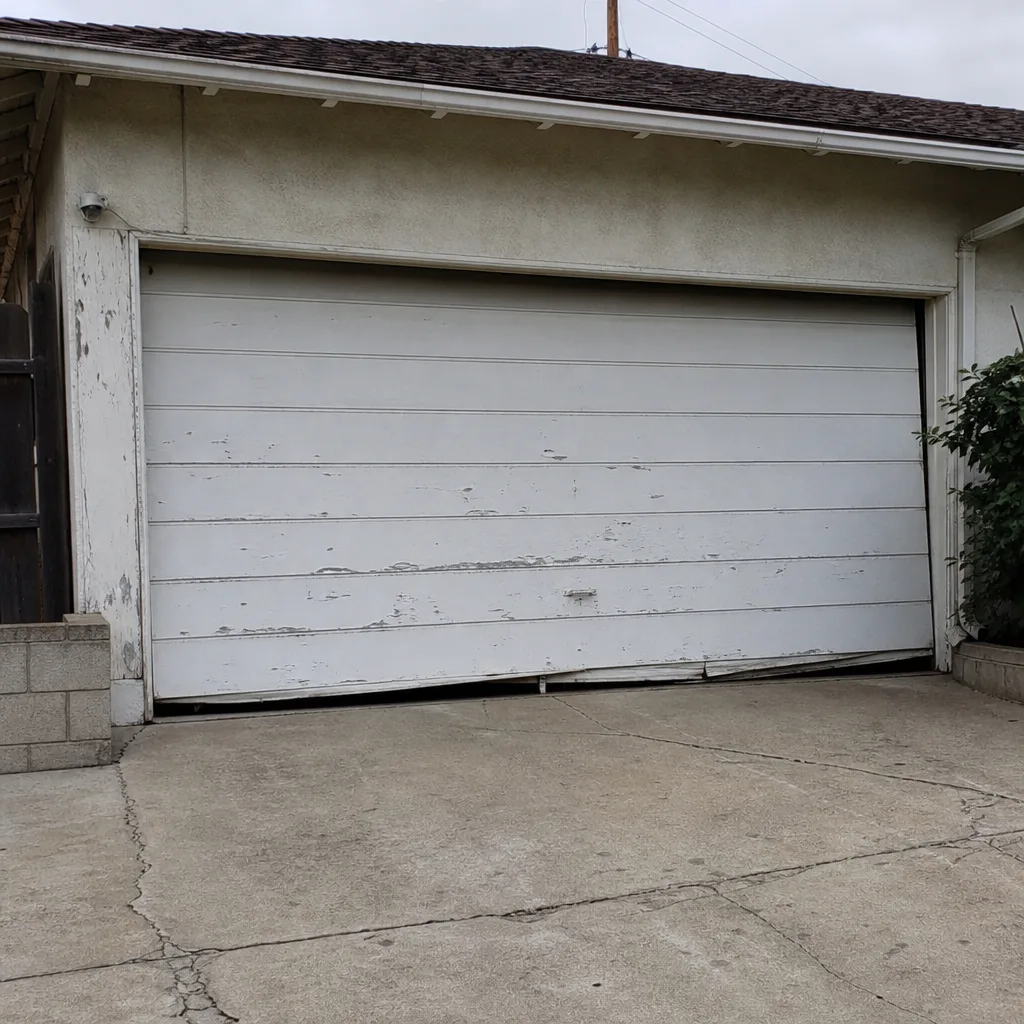 Before
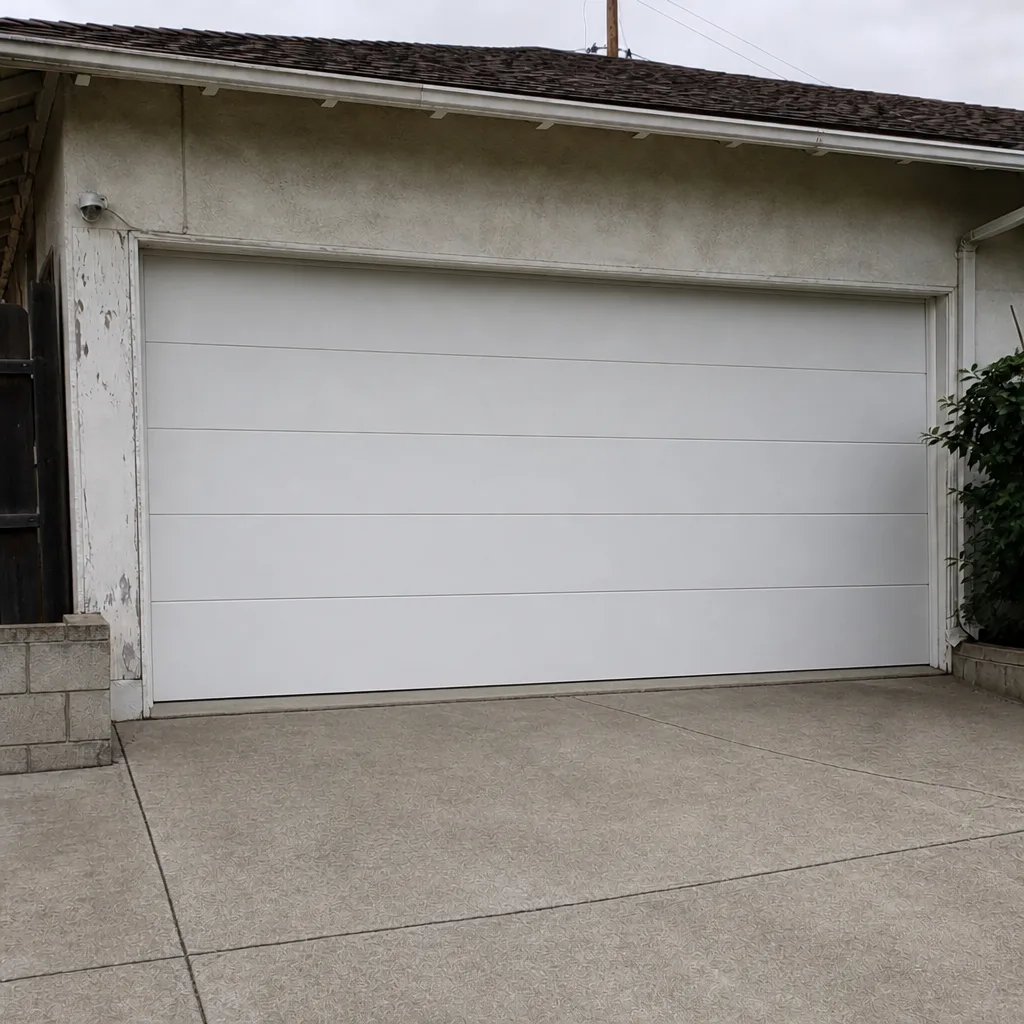 After