
Last updated November 4, 2026
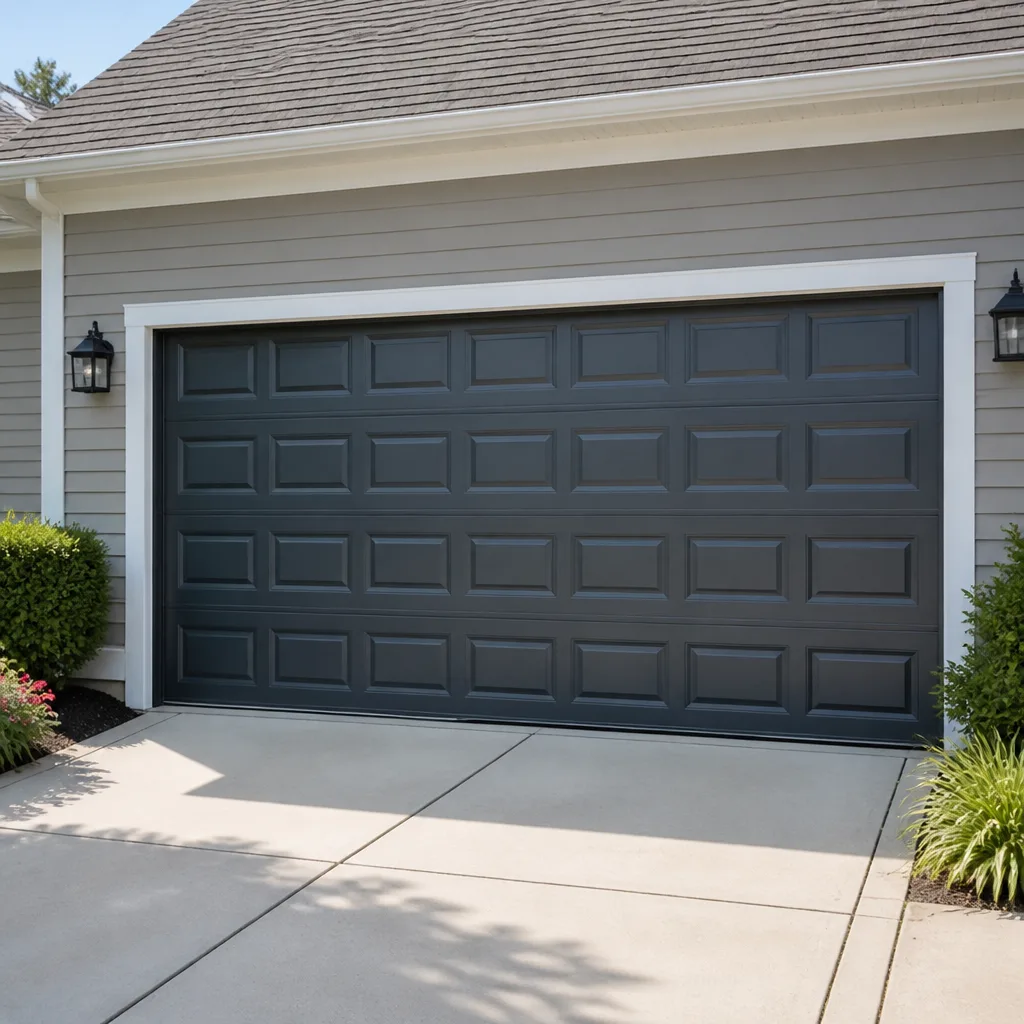 Raised-panel steel
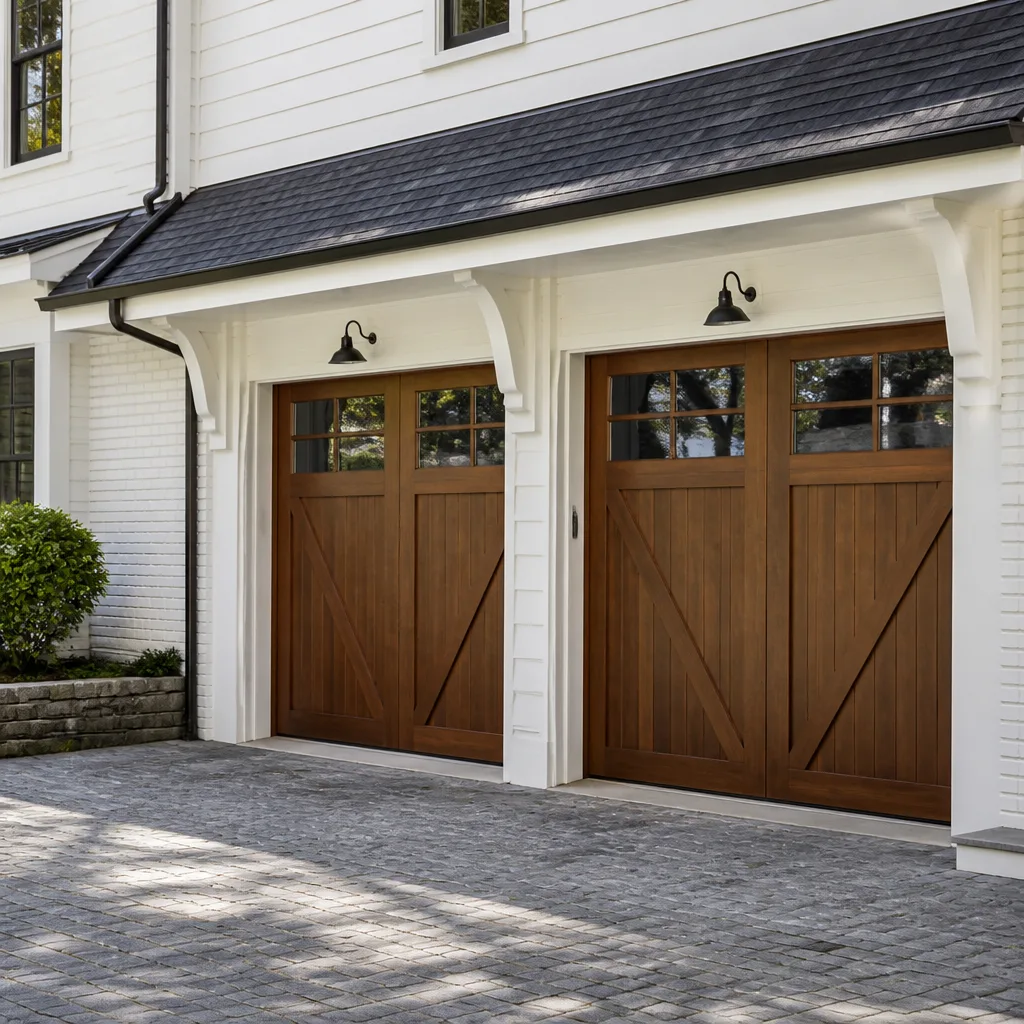 Carriage house
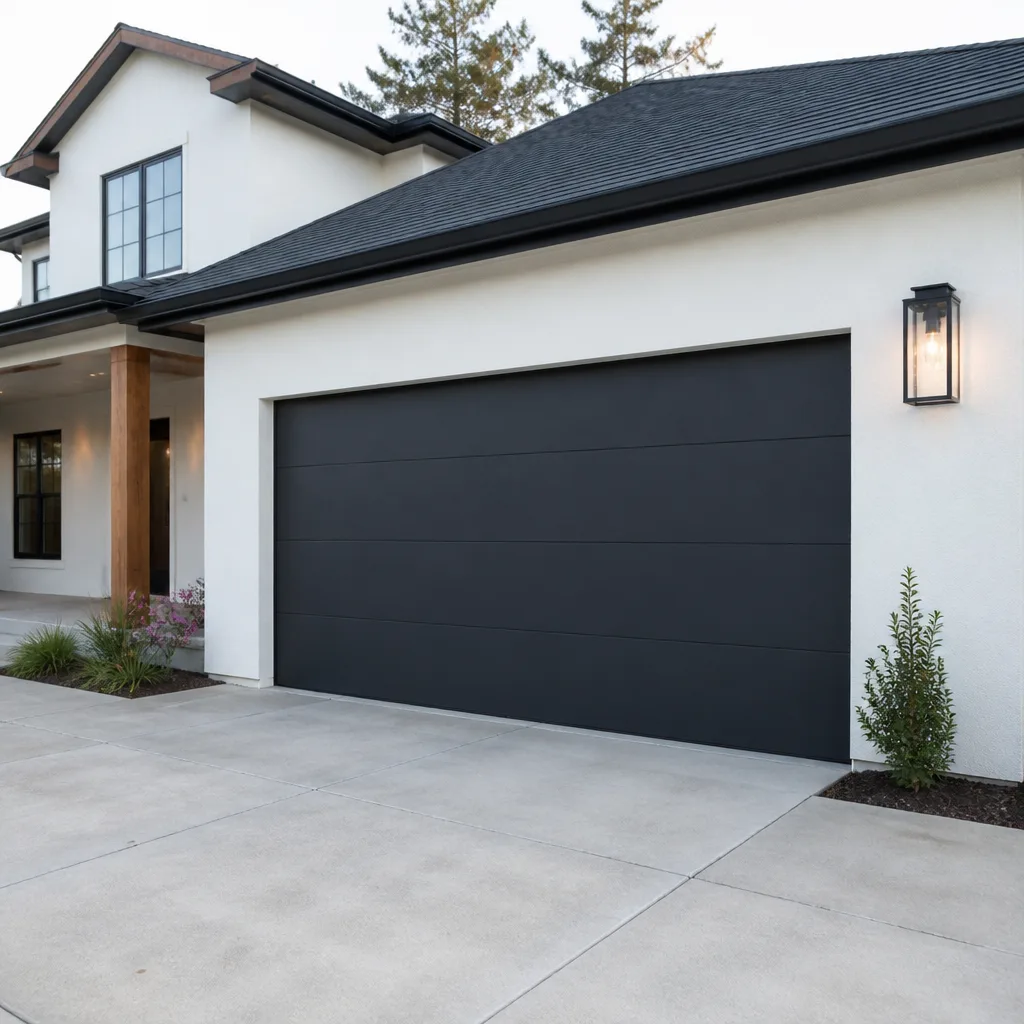 Modern flush
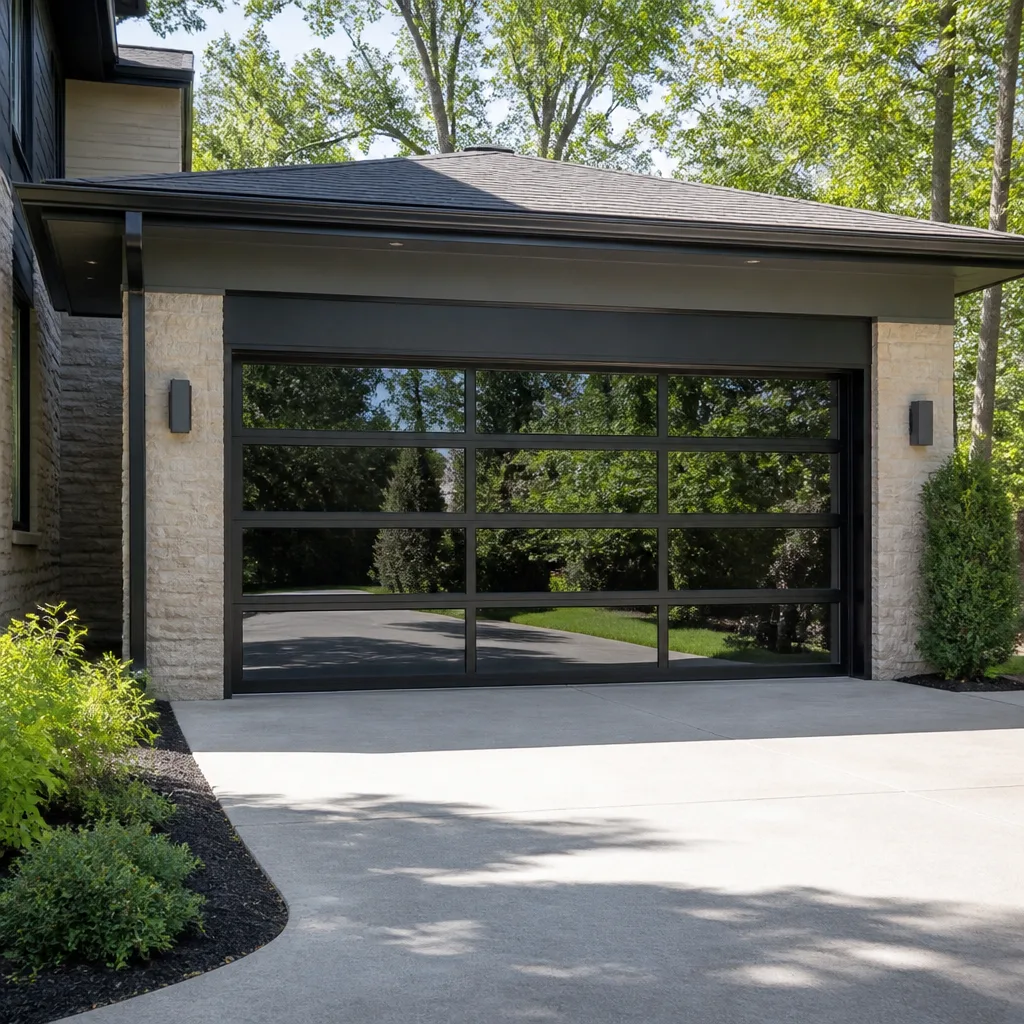 Full-view glass
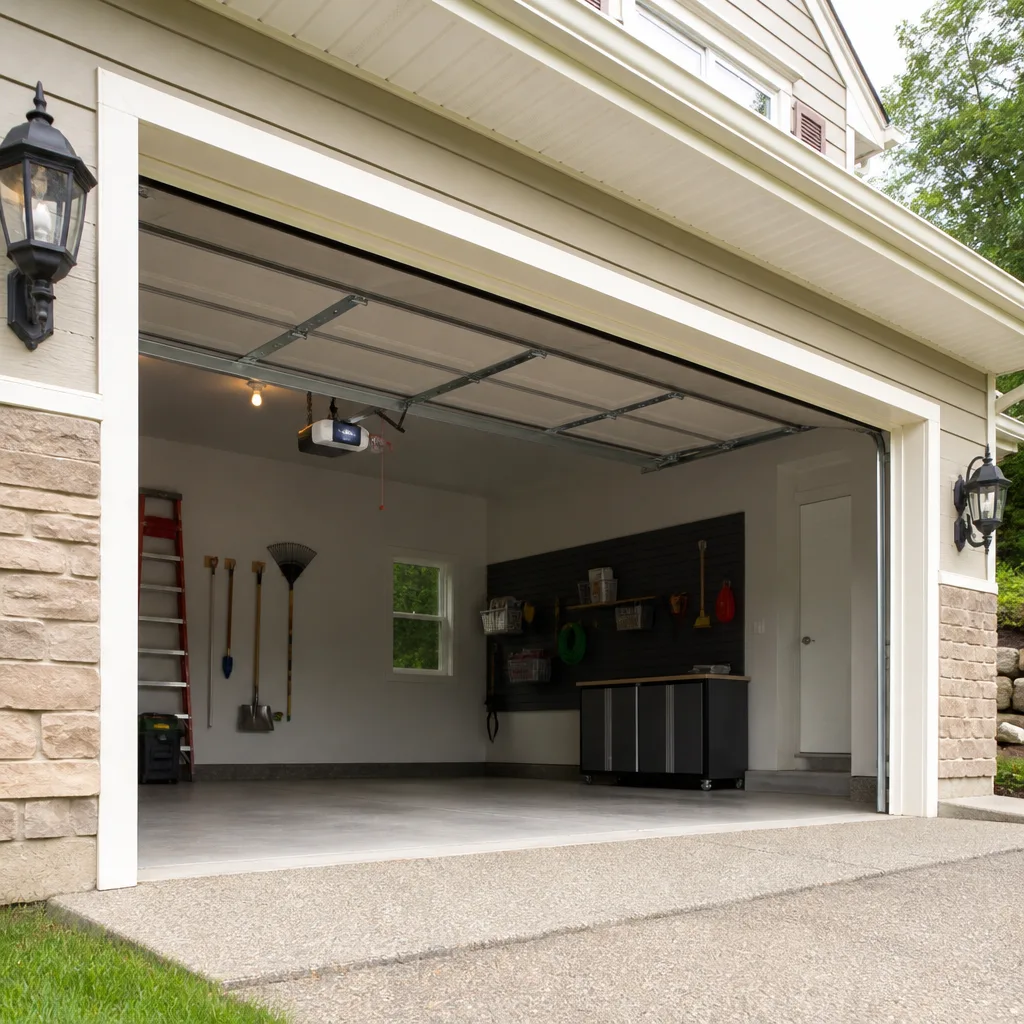 LiftMaster openers
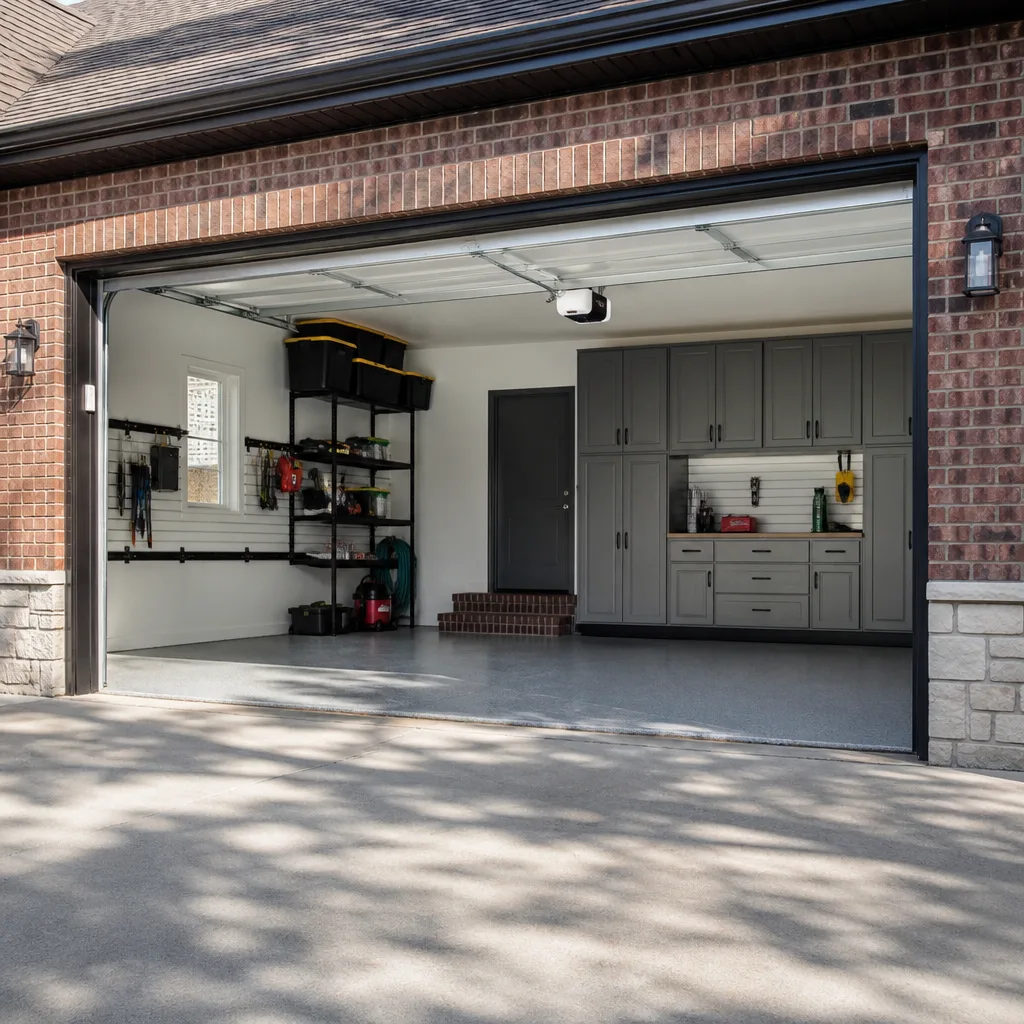 Chamberlain openers
Full 25-point door and opener safety check with every visit - springs, cables, rollers, tracks, and your LiftMaster or Chamberlain opener included
You get a price before we start. It does not change when the truck arrives.
Get your free estimateChoosing the Right Garage Door Brand: A Buyer’s Guide for Rosemead
Three of the top-selling garage door brands in Southern California use steel gauges that meet national minimums but show measurable denting and paint fade within five years when exposed to the UV index and thermal cycling common in Rosemead. The brand that performs best here isn’t the one most big-box installers push. This guide cuts through the marketing noise. You’ll learn how to evaluate steel gauge, paint warranty depth, insulation consistency, and local parts availability so the door you choose actually holds up on a south-facing Rosemead garage for two decades, not just until the installer’s truck leaves the driveway. If you want a door that stays flat, quiet, and properly painted under San Gabriel Valley sun, you need to know what most sales brochures won’t tell you.
Quick Answer
The best garage door brand for Rosemead is the one whose steel gauge, paint system, and insulation type match your garage’s sun exposure and how you use the space. Clopay and Amarr consistently perform well on south-facing and west-facing Rosemead homes because their mid-tier and premium lines use heavier steel and longer paint warranties that survive intense UV. The right choice isn’t a single brand, it’s the right construction spec from a brand with local parts support in the LA metro.
Styles & brands we work with
- Raised-panel steel
- Carriage house
- Modern flush
- Full-view glass
- LiftMaster openers
- Chamberlain openers
Table of Contents
- Why Steel Gauge Matters More in Rosemead Than Most Places
- Head-to-Head: Clopay, Amarr, Wayne Dalton, and Craftsman
- Matching Door Construction to Your Garage’s Orientation
- Insulation: R-Value and What Actually Keeps a Rosemead Garage Comfortable
- What Authorized Dealer Status Actually Means for Warranty Claims
- The Opener Brand Question: Matching Door and Opener
- How to Evaluate Local Parts Availability Before You Buy
- Common Mistakes to Avoid
Why Steel Gauge Matters More in Rosemead Than Most Places
Steel gauge is the single most overlooked spec on a garage door, and in Rosemead it’s the one that determines whether your door looks good in year three or looks like a golf ball by year six. Lower gauge numbers mean thicker steel. A 24-gauge steel panel is thinner and dents more easily than a 26-gauge or 27-gauge panel, even though 24-gauge is common on entry-level doors nationwide.
Here’s what we’ve seen on doors across the San Gabriel Valley: entry-level doors with 27- or 28-gauge steel hold up acceptably on garages that face north or sit shaded by mature trees. That same door on a west-facing Rosemead garage takes direct afternoon sun for hours every day, and the steel heats and cools with the daily thermal cycle. Thinner steel expands and contracts more noticeably. Over time, that movement shows up as micro-warping, which makes the door look slightly wavy across the panels. It also makes dents from a stray basketball or a bumped car mirror far more likely to leave a permanent mark.
For Rosemead homes, we recommend 26-gauge steel as the minimum for any garage that sees direct sun. If your garage faces south or west, consider 25-gauge or a wood composite. The price difference between 27-gauge and 26-gauge is usually modest, around $150 to $300 on a standard double door, but the difference in how the door looks after five years is significant.
Galvanization matters too. Most reputable manufacturers use galvanized steel to resist rust, but the thickness and quality of the galvanized coating varies by brand and by line within a brand. On an inland climate like Rosemead’s, with dry heat and almost no salt exposure, rust is less of a concern than paint fade and thermal warping. That shifts your spec priority toward steel gauge and paint quality rather than rust resistance.
Head-to-Head: Clopay, Amarr, Wayne Dalton, and Craftsman
The brand comparison that matters for Rosemead isn’t about which logo looks better on a brochure. It’s about steel thickness, paint warranty language, insulation consistency, and how easy it is to get parts in the LA metro. Here’s how four common brands stack up on those specific metrics.
| Brand | Typical Steel Gauge (Mid-Tier) | Paint Warranty | Insulation Consistency | Parts Availability in LA Metro |
|---|---|---|---|---|
| Clopay | 26-27 gauge on mid-tier lines, 25 on premium | 5-15 years depending on line | Consistent across panel lines | Strong, multiple regional distributors |
| Amarr | 26-27 gauge standard, 25 on premium | 5-15 years depending on line | Consistent, well-documented R-values | Strong, widely stocked |
| Wayne Dalton | 27 gauge common on entry lines, 26 on mid-tier | 5-10 years depending on line | Varies by line, check the specific model | Moderate, some panel lines require special order |
| Craftsman | 27 gauge standard on most homeowner lines | 5-10 years depending on line | Basic, single-layer or thin sandwich panels | Moderate, sold through retail channels |
A quick note on reading paint warranties. A “5-year paint warranty” does not mean the paint won’t fade for five years. Most warranties cover peeling, cracking, or adhesion failure, not UV fade. In Rosemead, where UV index regularly reaches 8 or higher in summer, fade is the real issue, and no manufacturer warranty covers normal color shift from sun exposure. That’s why choosing a door color with UV-resistant pigment, or opting for a lighter tone that shows fade less, matters more than the warranty wording.
Clopay and Amarr have the strongest parts distribution networks in Southern California, which means a technician can usually source a replacement panel, spring set, or roller pack for those brands within a day or two. Wayne Dalton and Craftsman doors are serviceable, but some specific panel lines require special ordering, which can stretch a repair into a week or more. That’s a consideration when you’re choosing a door you’ll live with for 15 to 20 years.
Matching Door Construction to Your Garage’s Orientation
Your garage door faces a specific direction, and in Rosemead that direction determines how much heat and UV the door absorbs every day. South-facing doors take the most direct sun during the hottest part of the year. West-facing doors take intense afternoon sun in summer, often the hottest hours of the day. East-facing doors get morning sun, which is gentler. North-facing doors stay shaded most of the day.
Here’s how to match construction to orientation.
- South-facing garage: Choose 25-gauge or 26-gauge steel with a premium paint finish. Consider a lighter color like sand, almond, or white. If the garage is attached to living space or you use it as a workshop, choose an insulated door with a minimum of 1-3/8″ thick panels.
- West-facing garage: Same steel gauge recommendation as south-facing. The afternoon heat load in Rosemead is significant. A wood composite door or a steel door with a thermal break between the outer and inner skin will keep interior surface temperatures noticeably lower.
- East-facing garage: 26-gauge steel is fine. Morning sun is less punishing. Insulation is still worth considering if the garage shares a wall with a bedroom.
- North-facing garage: You can get away with 27-gauge steel and a standard paint finish. This is the least demanding orientation in Rosemead. If budget is tight, put your money into the opener and save on the door.
Aluminum doors are available and lighter than steel, but they dent more readily and show impact damage more visibly. For most Rosemead homeowners, a steel door with a good paint system is the better value. Wood composite doors offer the best insulation and a premium look, but they cost two to three times a steel door and require more ongoing maintenance, especially in a dry climate where the composite material can flex with seasonal moisture changes.
Insulation: R-Value and What Actually Keeps a Rosemead Garage Comfortable
Insulation in a garage door does two things: it slows heat transfer into the garage, and it adds structural rigidity to the panels. In Rosemead’s summer heat, the first function matters a lot if you use the garage for anything beyond parking.
R-value is the measurement of thermal resistance. Higher R-value means more resistance to heat flow. A single-layer steel door has essentially no meaningful R-value, around R-2 or less. A double-layer door with a foam or fiberglass backer usually lands around R-6 to R-9. A triple-layer door with a solid foam core between two steel skins runs R-12 to R-18, depending on foam type and thickness.
Here’s the thing most door salespeople won’t tell you: the R-value printed on the brochure is the R-value of the panel, not the installed door. Heat still moves around the edges of the door, through the panels’ seams, and through the surrounding frame. A door advertised at R-12 may perform closer to R-8 in real-world conditions.
For Rosemead, an insulated door is worth the money if any of these apply:
- Your garage shares a wall or ceiling with living space
- You use the garage as a workshop, gym, or storage for heat-sensitive items
- You park a car in the garage and use the car during summer afternoons
- Your garage door faces south or west
For a garage that’s detached, shaded, and used only for parking, insulation is a comfort feature rather than an energy necessity. The local climate in Rosemead doesn’t create the freeze concerns other regions deal with, so insulated doors here are about heat rejection and panel rigidity, not preventing ice buildup. Clopay and Amarr have the most consistent insulation documentation, meaning the R-value they advertise is easier to verify against the actual panel construction. With some entry-level brands, R-value claims are harder to pin down.
What Authorized Dealer Status Actually Means for Warranty Claims
Any installer can say they install a brand. Authorized dealer status is different, and it matters when something goes wrong three years after the installation.
An authorized dealer has a formal relationship with the manufacturer. That relationship means the dealer can process warranty claims directly through the manufacturer’s system, rather than having to go through a third-party distributor. It also means the dealer has access to manufacturer technical support, updated installation training, and direct parts ordering for that brand.
Here’s what that looks like in practice, from our side of the workbench. A homeowner calls because a panel has a manufacturing defect, or a spring broke prematurely. If we’re not authorized for that brand, we can still diagnose and fix the issue, but the warranty claim goes through more layers. The part may need to be shipped to us for inspection, then approved, then a replacement shipped back. That can add a week or more to a repair.
When a technician is factory-familiar with the brand, we know exactly what documentation the manufacturer needs, how to photograph the failure properly, and which claims process applies to which line. The claim moves faster because we’ve handled hundreds of them for that specific brand.
For a Rosemead homeowner, this is one of the best questions to ask before signing an installation contract: “Are you an authorized dealer for this brand, and can you process warranty claims directly?” If the answer is unclear, ask again. You want a direct yes or no, not a vague “we work with all brands.”
We’re factory-familiar with eight major garage door and opener brands: LiftMaster, Chamberlain, Genie, Clopay, Amarr, Wayne Dalton, Craftsman, and Raynor. That breadth matters because when a repair reveals a larger problem, we can tell you whether a replacement from the same brand makes sense, or whether a different brand’s construction better matches your garage orientation and budget. We work on the brand you already own, and when replacement is the right call, we give you a straight recommendation across multiple manufacturers rather than pushing one product line.
The Opener Brand Question: Matching Door and Opener
The door and the opener are separate products from separate manufacturers in most homes, and that’s completely normal. You don’t need a Clopay opener for a Clopay door, for one simple reason: Clopay, Amarr, and Wayne Dalton don’t manufacture openers. They make doors. The opener brands are LiftMaster, Chamberlain, Genie, Craftsman, and a few others.
So when people ask about matching door brand to opener brand, the question is really about compatibility and integration, not brand loyalty. Here’s what actually matters:
- Opener power and door weight: Heavier insulated doors need openers with enough lifting capacity. A single-panel wood composite door outguns a lightweight aluminum door, and the opener needs to be sized accordingly.
- Smart-home integration: LiftMaster and Chamberlain openers with MyQ integration are the most common smart-home setups in Rosemead homes. If you want to open and close your garage from a phone app and get alerts when the door is left open, those two brands have the most mature ecosystem. Genie has its Aladdin Connect system, which works well but has a smaller installed base.
- Diagnostics: Newer openers have self-diagnostic features that flash error codes or report issues through the app. A technician who is factory-familiar with the specific opener brand can read those codes and diagnose faster, which means less time in your driveway and a lower labor bill.
- Legacy systems: Many Rosemead homes still run older Craftsman or Genie units from the 1990s and 2000s. These mechanical openers are generally serviceable, but parts for some older models are getting scarce. When an older unit fails, a full garage door opener repair may not make economic sense, and replacement with a modern smart-capable unit becomes the better path.
From a brand-breadth perspective, we work across the full opener spectrum, from budget Craftsman units to smart-home-integrated LiftMaster and Chamberlain systems. That means when an opener fails, we diagnose the specific unit rather than trying to talk you into an immediate replacement. Sometimes a $40 logic board fixes the problem. Sometimes the unit is 18 years old and the right answer is a new opener with an upgraded motor and modern safety sensors. We’ll tell you which one actually makes sense.
How to Evaluate Local Parts Availability Before You Buy
A garage door is a mechanical system with wear parts: springs, rollers, hinges, cables, and panels. Every one of those parts will eventually need replacement. The question is whether the replacement can be sourced locally in the LA metro or whether it has to be shipped from a regional warehouse in another state.
In our experience, parts availability is the least-discussed and most practically important factor in choosing a brand. Here’s how to evaluate it before you buy.
- Ask the installer which brands they stock parts for. A technician who keeps springs, rollers, and hinge assemblies on the truck for your brand means a faster repair later. If the installer says “we order everything per job,” expect longer lead times on future service.
- Ask about panel availability specifically. Springs and rollers are semi-universal; panels are not. A replacement panel for a discontinued Clopay line may be unobtainable, while a current Amarr line panel might be available from a regional distributor in two days. Discontinued models are a common source of surprising frustration.
- Check whether the brand has a Southern California distribution network. Clopay and Amarr maintain strong distributor relationships across the LA metro. Wayne Dalton and Craftsman parts are more retail-channel dependent, which can mean waiting on a big-box store’s replenishment cycle.
- Consider door panel size standard versus custom. If you order a custom-sized door, every replacement panel is also custom. That’s fine when the brand’s distribution is strong, but it can turn a simple panel replacement into a two-week wait with a less-supported brand.
The takeaway for Rosemead: choose a door from a brand with active parts distribution in Southern California. In the first five years you probably won’t need anything. In years six through fifteen, the difference between a two-day repair and a two-week wait is exactly this: which brand’s parts are sitting in a warehouse within driving distance of your home.
Garage doors are all we do. When you call for garage door repair, the technician who shows up isn’t dividing their attention between your door and a plumbing call across town. That single-trade focus means we know which parts interchange across brands, which discontinued lines still have serviceable options, and what to keep on the truck for the brands most common in Rosemead.
Common Mistakes to Avoid
- Buying by price alone. A $900 door that needs replacement panels and new springs in year six costs more than a $1,300 door that runs quietly for fifteen. Price is the least useful predictor of long-term value in garage doors.
- Ignoring garage orientation. A door that works beautifully on a shaded north-facing garage can bake and warp on a south-facing Rosemead garage. Match steel gauge and paint to sun exposure before you match it to color swatches.
- Believing the printed R-value. The R-value on the brochure is for the panel in a lab, not the installed door in your opening. Use R-value as a comparison between brands, not as a guarantee of real-world performance.
- Skipping the authorized dealer question. Installer A says “we install everything.” Installer B says “we’re authorized for Clopay and Amarr, and we’re familiar with the rest.” Installer B is the one whose warranty claims move faster.
- Choosing a color that amplifies UV fade. Dark colors absorb more heat and show fade more readily than light colors on a Rosemead door. If you love the dark look, choose a brand with a stronger paint warranty and accept that touch-up painting may be needed in five to seven years.
- Overlooking the opener until it fails. The opener gets more daily cycles than any mechanical device in your home except the refrigerator. When you’re replacing a door, have the opener inspected at the same time, even if it’s not part of the current job.
- Buying a door with no local parts support. A discontinued line from a brand with weak Southern California distribution turns a routine panel replacement into a logistics problem. Check parts availability before you sign, not after the dent happens.
See the difference
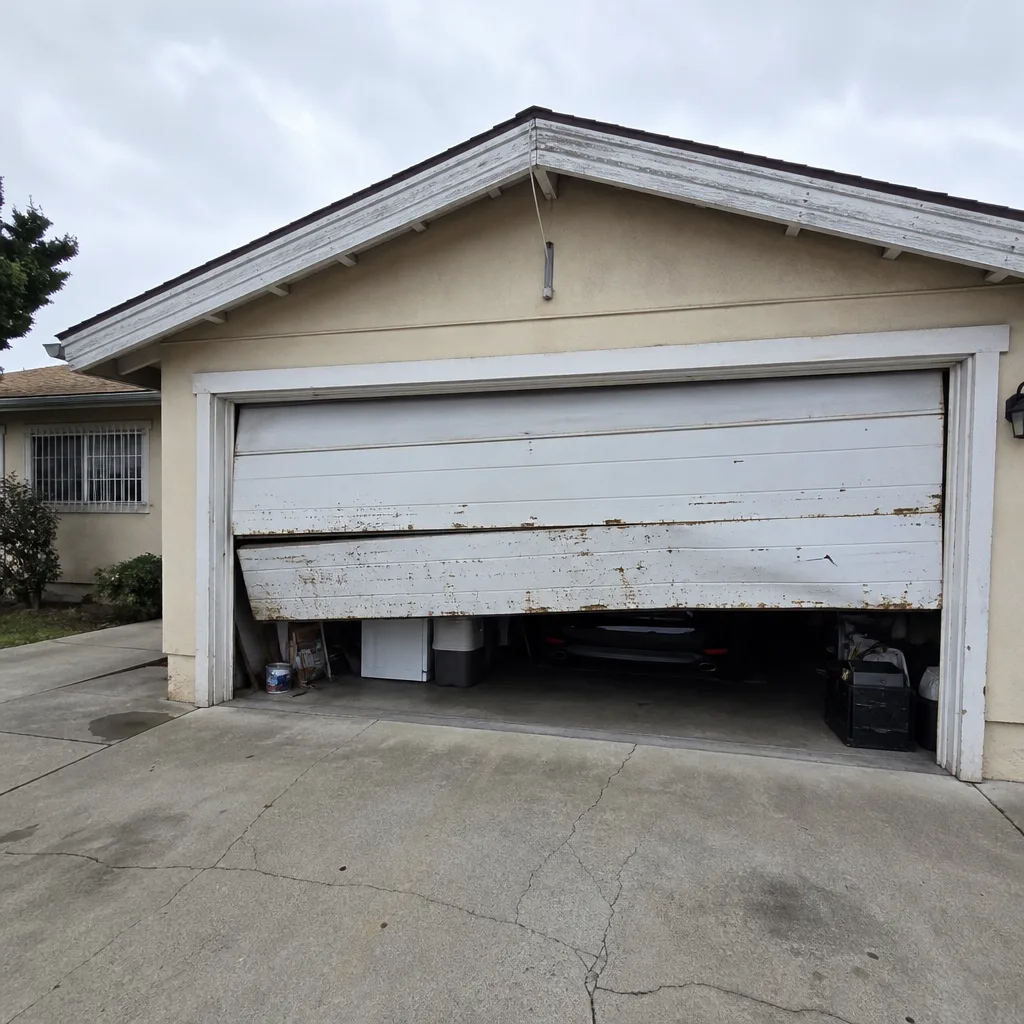 Before
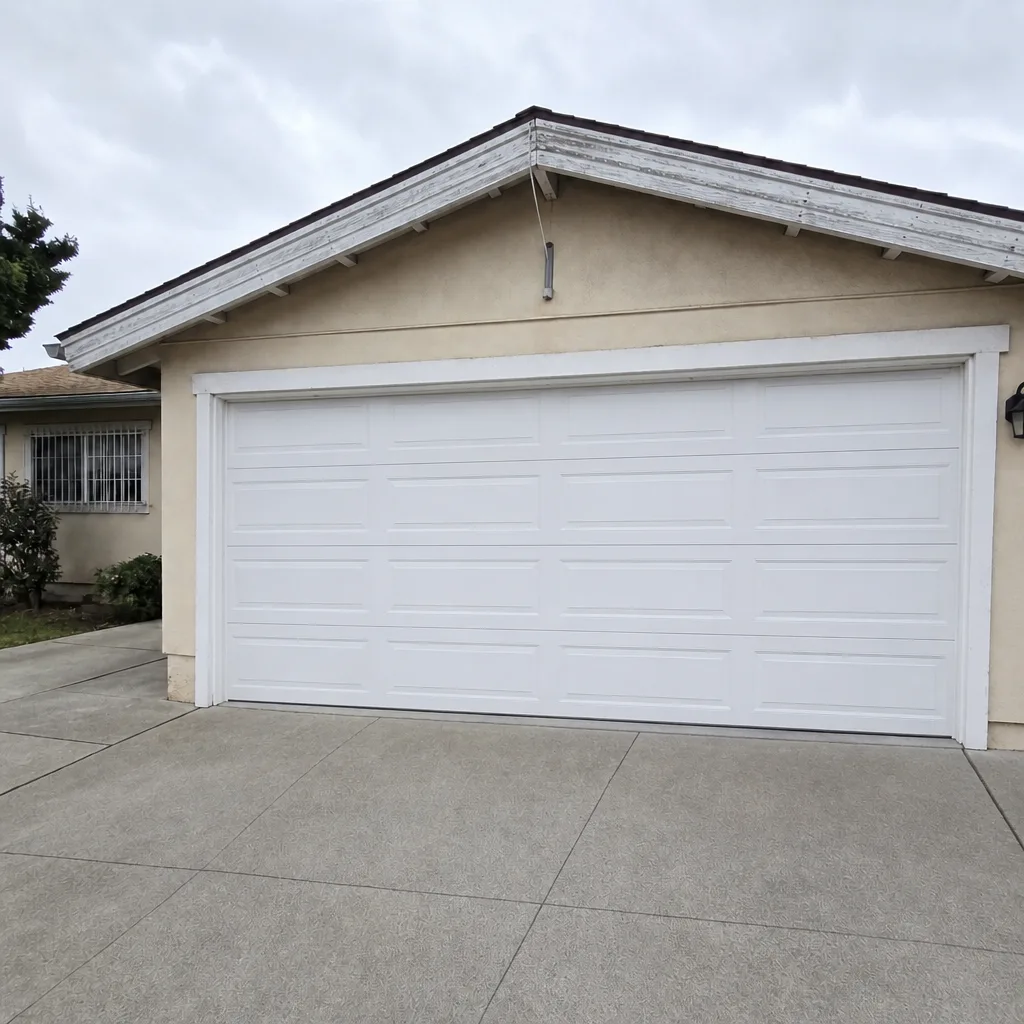 After
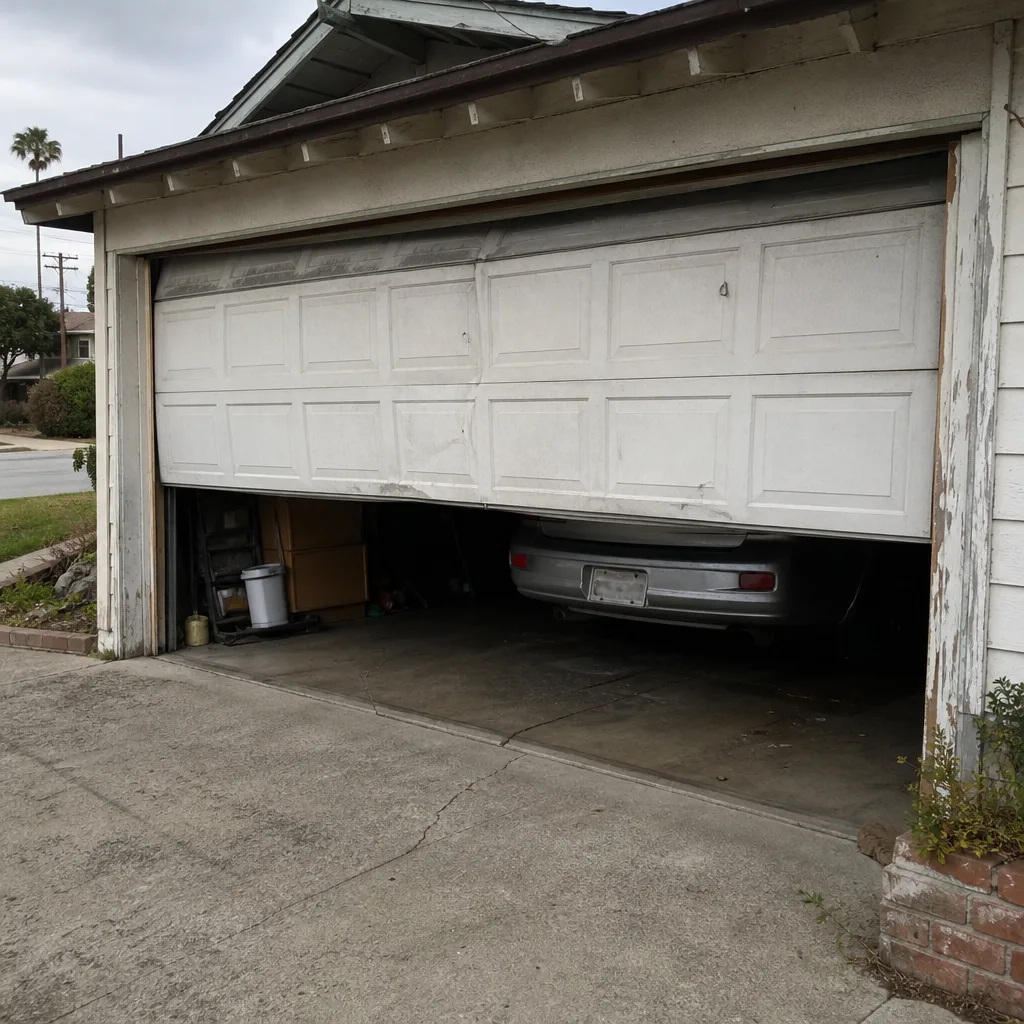 Before
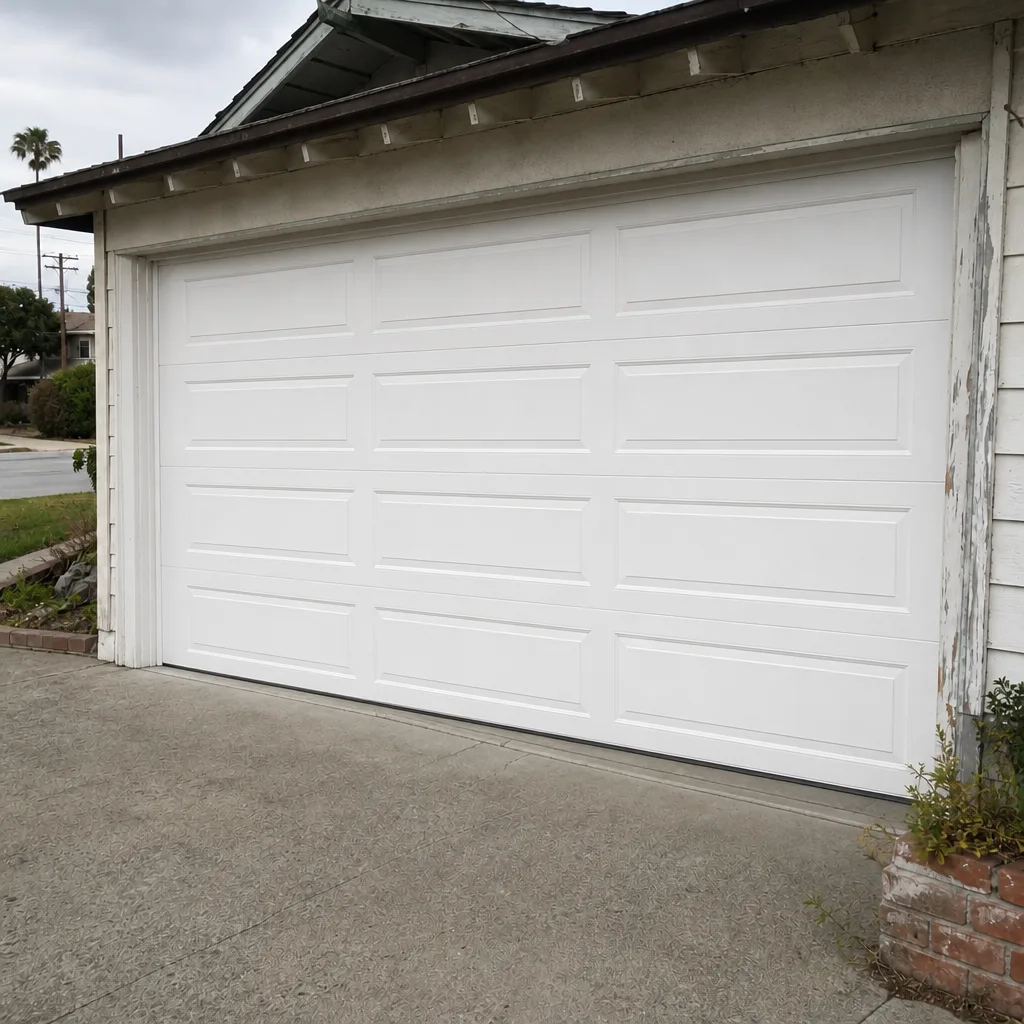 After
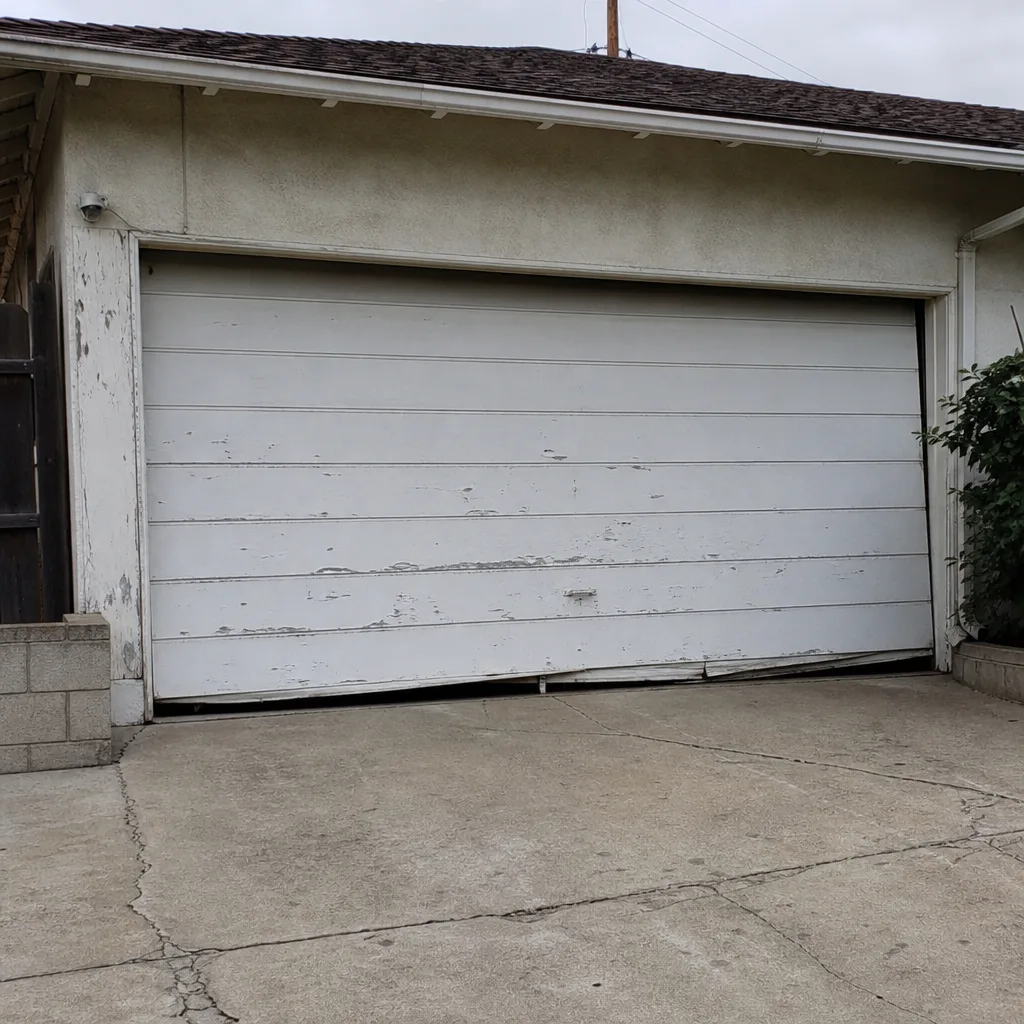 Before
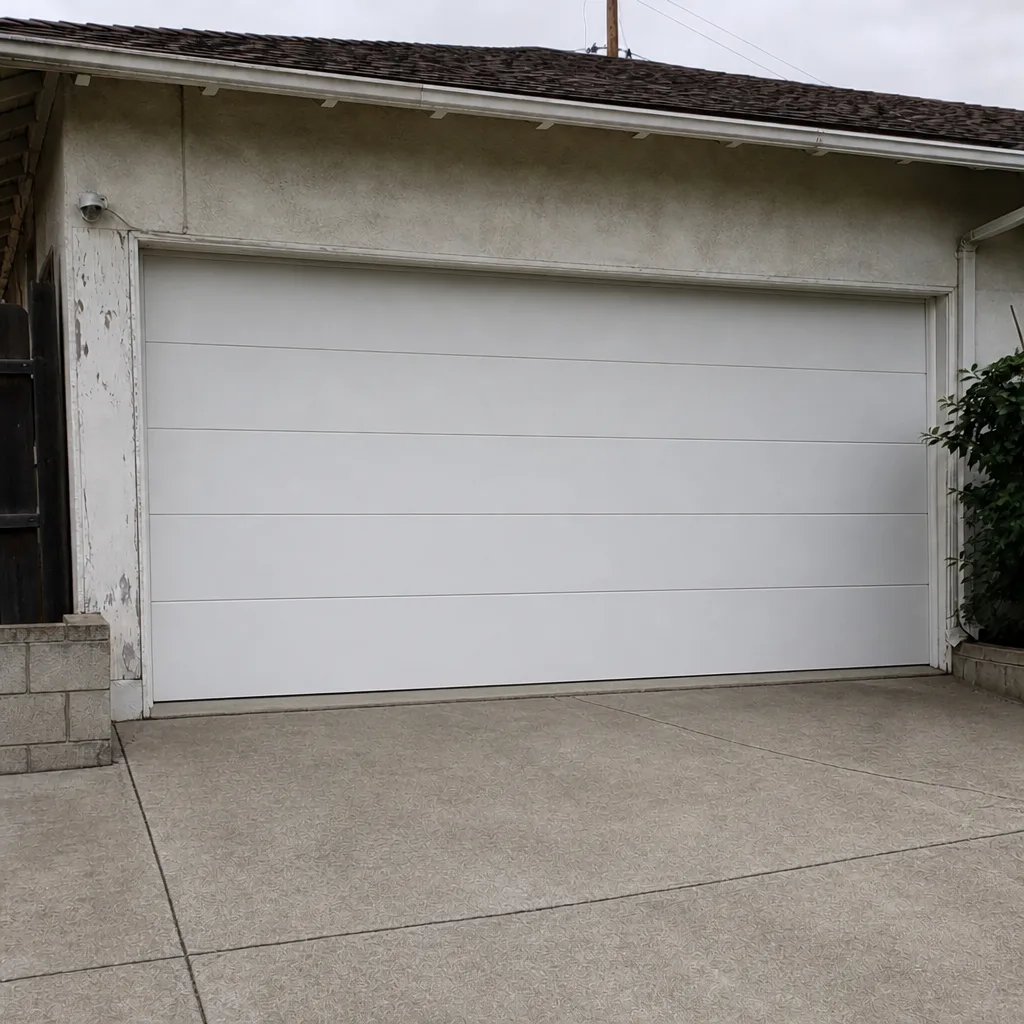 After
When to Call a Professional
Garage doors have specific failure modes that aren’t always obvious from the curb. Call a professional when a door starts making a different noise than it used to, when it opens unevenly or sags on one side, or when the opener seems to strain against the door’s weight. These are signs that springs, cables, or rollers are wearing unevenly, and continuing to run the door makes the eventual failure more costly.
High-tension springs and cables are genuinely dangerous components. The spring stores enough mechanical energy to cause serious injury if it releases while under tension. Our strong recommendation is never to attempt a spring or cable adjustment yourself. A trained technician has the tools and the torque-setting discipline to do it safely. From a snapped spring to a full smart-opener upgrade, we handle it all under one specialty roof. Garage Door Repair Rosemead offers free estimates in Rosemead; call (855) 382-3118. We answer 24/7. Fast dispatch from 7am to 7pm, Sunday through Friday. The estimate is free, and the price is set per job by the written estimate before any work starts.
Frequently Asked Questions
For a south-facing Rosemead garage, choose a brand whose mid-tier or premium line uses 26-gauge or thicker steel and a paint system with a solid track record under UV. Clopay and Amarr are the two brands we most often recommend for this orientation because their steel gauge and paint documentation are consistent, and their parts are readily available in the LA metro. The written estimate sets the final price.
A new garage door in Rosemead typically ranges from $1,100 to $4,500 installed, depending on size, steel gauge, insulation level, and brand. Entry-level single doors start around $1,100 to $1,800. Mid-tier insulated double doors run $1,800 to $3,200. Premium wood composite or high-R-value doors can reach $4,500 or more. Call (855) 382-3118 for an exact quote; estimates are free.
Yes, especially on south-facing and west-facing garages. An insulated door slows heat transfer through the panels, which keeps the garage interior cooler during the hottest part of the day and adds structural rigidity to the door. The real-world difference between a single-layer and a triple-layer door is noticeable if you use the garage for anything beyond parking. Ask for panel thickness and foam type, not just the R-value number.
We repair doors from all major brands, and we’re factory-familiar with eight specific brands: LiftMaster, Chamberlain, Genie, Clopay, Amarr, Wayne Dalton, Craftsman, and Raynor. That means we diagnose brand-specific issues faster and source the correct parts without guesswork. If you own a brand outside that list, we can usually still help; give us a call with the door’s model number and we’ll tell you straight away whether parts are available locally.
A well-maintained steel garage door in Rosemead typically lasts 15 to 20 years, with springs needing replacement every 7 to 10 years as a normal wear item. The mild winters here don’t create the corrosion and thermal stress that harsher climates do, but the intense summer UV is the primary aging factor. Regular cleaning, lubrication, and a spring inspection every few years will maximize the door’s lifespan.
Panel replacement is possible if the door model is still in production and the panels are structurally compatible. However, for doors older than 10 years, panel replacement often costs enough that a new door makes more sense, especially if the springs and rollers are also nearing replacement. We’ll tell you which option actually makes financial sense; we don’t push replacements when a repair does the job. Call (855) 382-3118 for a free estimate.
The Bottom Line
The right garage door brand for your Rosemead home depends on three factors: your garage’s orientation, how you use the garage space, and whether the brand has local parts support when something eventually wears out. Clopay and Amarr deliver the most consistent performance on the metrics that matter in this climate, but the specific line within a brand matters more than the logo on the box. Match steel gauge to sun exposure. Buy insulation for comfort, not for the R-value sticker. And always ask whether your installer is an authorized dealer who can process warranty claims directly. The door you choose today lives with your home for two decades. Choose it with the same care you’d give a roof or a foundation, because in a real sense, a garage door is structural.
Written by the team at Garage Door Repair Rosemead, serving Rosemead since 2015.