
Last updated November 4, 2026
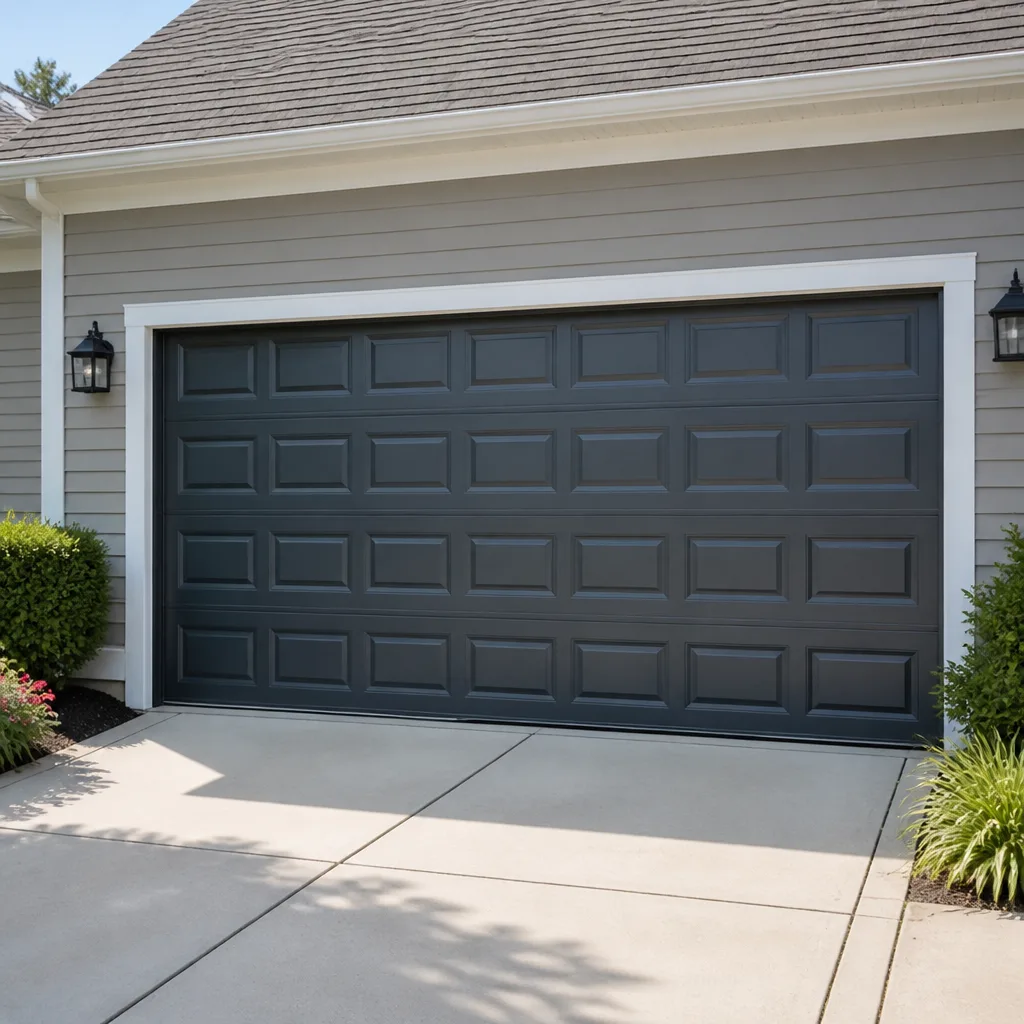 Raised-panel steel
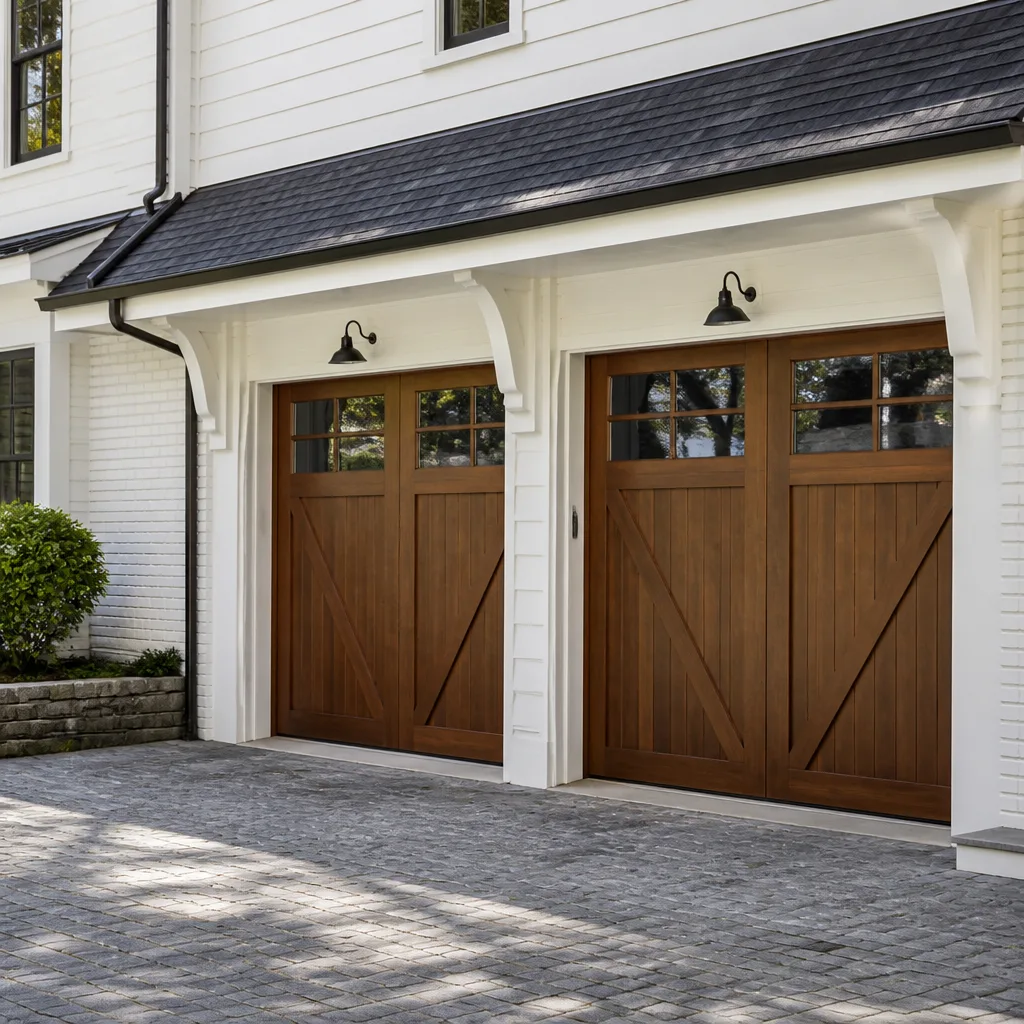 Carriage house
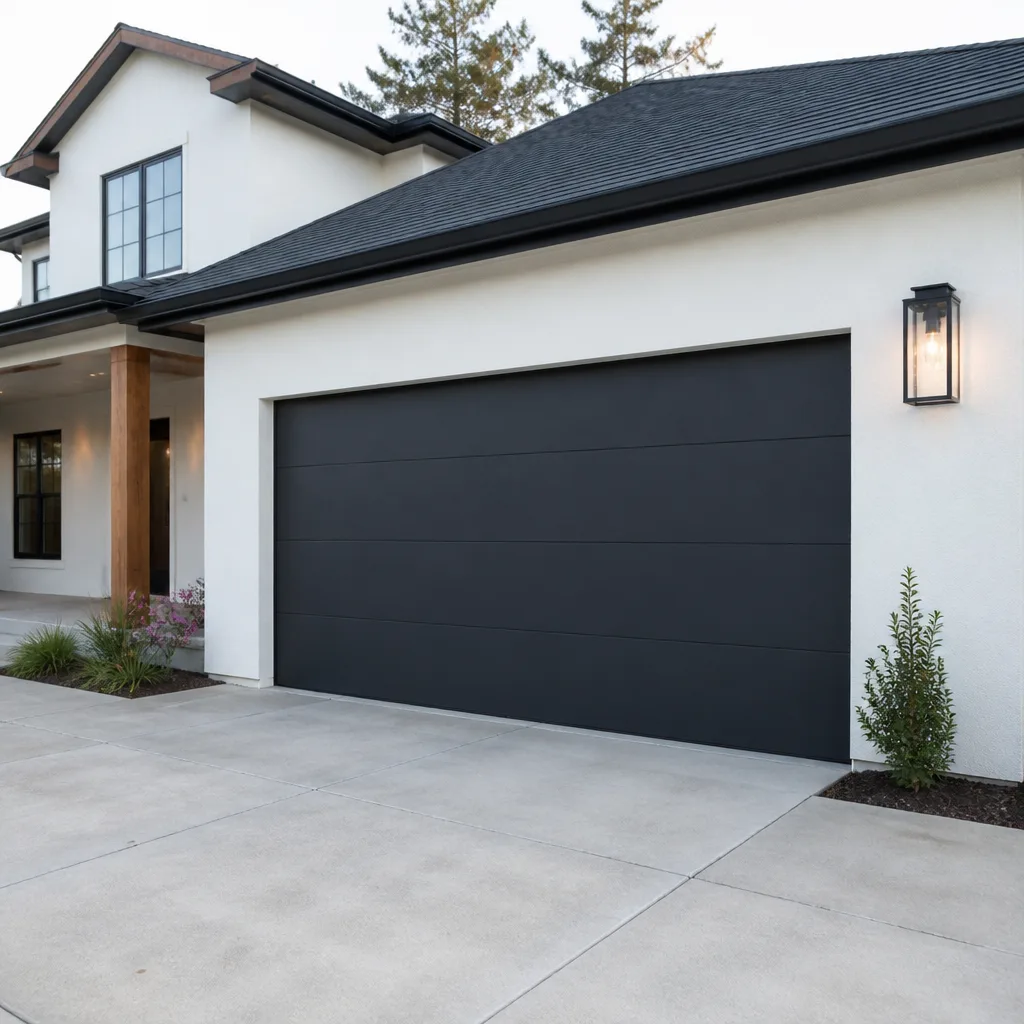 Modern flush
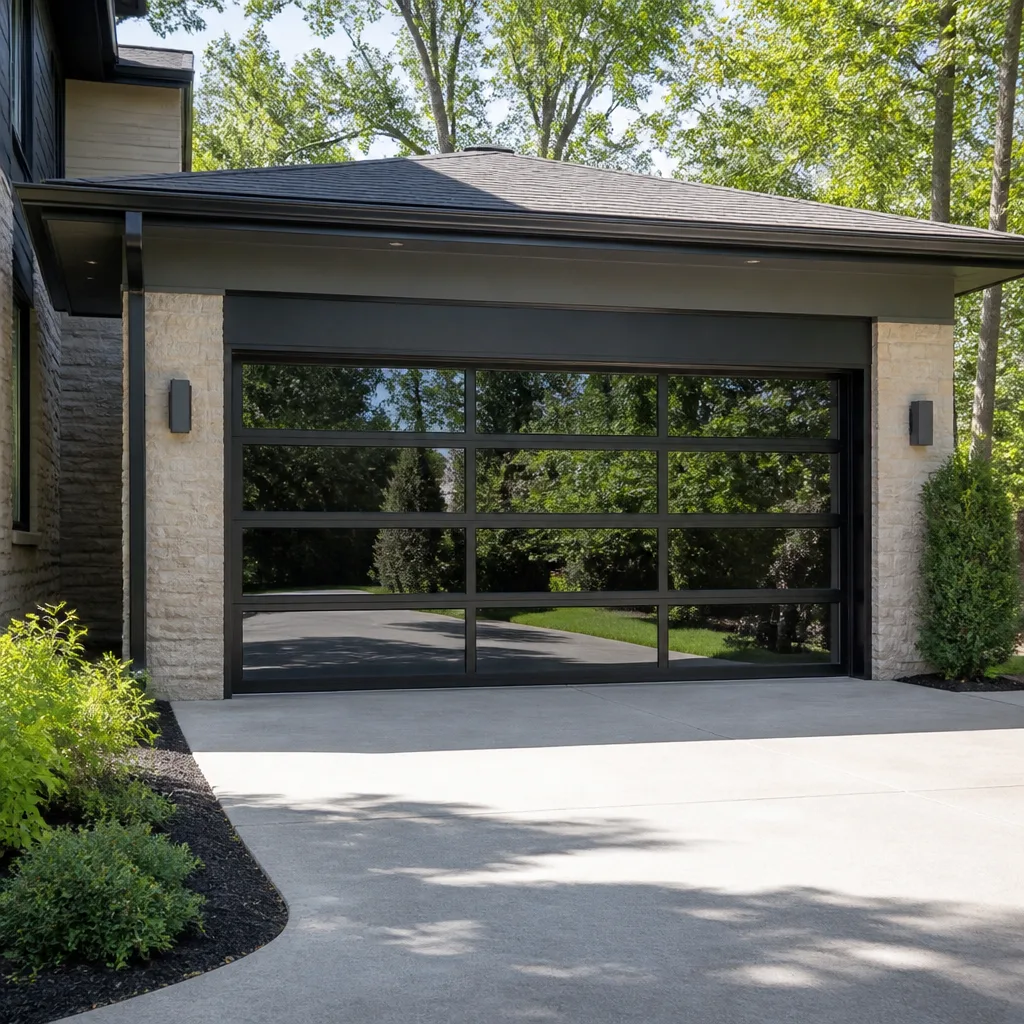 Full-view glass
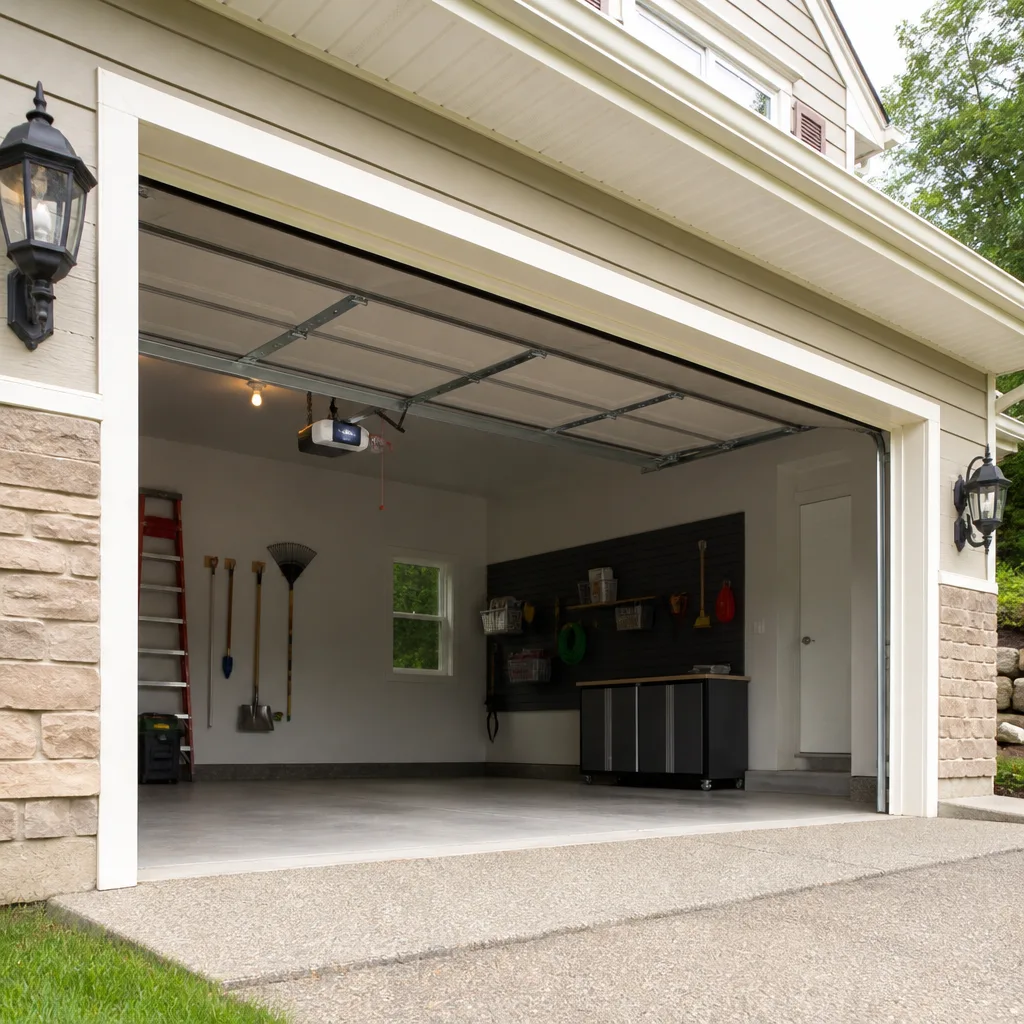 LiftMaster openers
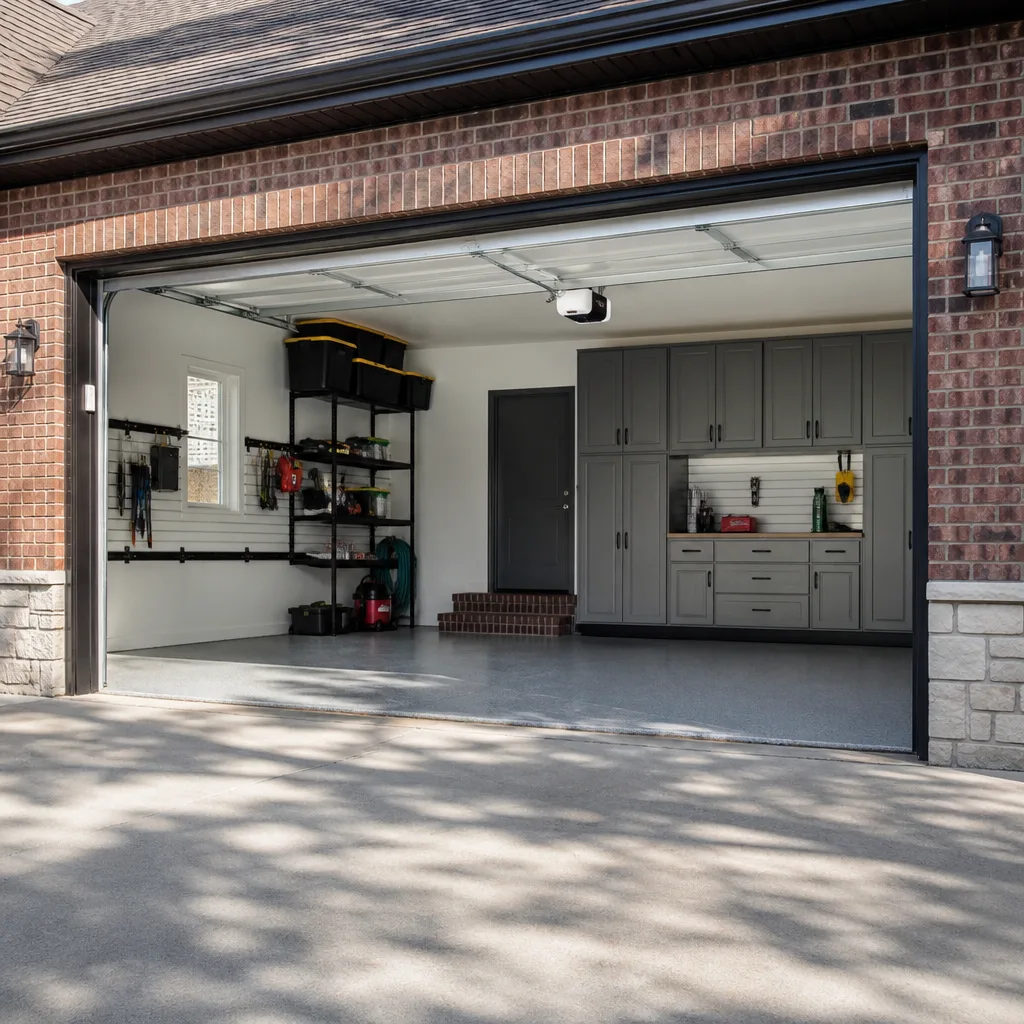 Chamberlain openers
Full 25-point door and opener safety check with every visit - springs, cables, rollers, tracks, and your LiftMaster or Chamberlain opener included
You get a price before we start. It does not change when the truck arrives.
Get your free estimateGarage Door Repair Troubleshooting in Rosemead: Common Problems and How to Fix Them
The door that “just stopped working” almost never stops working without warning. Homeowners usually miss the warning because nobody tells them what to listen for. A grinding noise three weeks ago and a dead door today are the same problem at different stages. This guide walks you through a symptom-first diagnostic framework, the same one a trained technician uses on-site in Rosemead, so you can identify which of the six mechanical categories your door has fallen into before you touch a single component.
Styles & brands we work with
- Raised-panel steel
- Carriage house
- Modern flush
- Full-view glass
- LiftMaster openers
- Chamberlain openers
Quick Answer
Most garage door failures in Rosemead trace back to one of six mechanical categories: spring fatigue, sensor misalignment, track obstruction, opener logic failure, cable wear, or roller deterioration. Start by identifying the exact symptom, run a 60-second manual release test to isolate whether the problem is the opener or the door itself, and never touch torsion springs yourself. That two-step process eliminates about 90% of the guesswork before you spend a dime.
Table of Contents
- Symptom-to-Cause Mapping: Match the Behavior to the Component
- The 60-Second Manual Release Test
- Why Rosemead’s Temperature Swings Wreck Tracks and Lubricant
- DIY-Safe Fixes: Sensors, Remotes, and Simple Alignments
- Stop Immediately: Torsion Springs, Cables, and High-Tension Components
- The One-Click Test: Logic Board Failure vs. Dead Capacitor
- Common Mistakes to Avoid
- When to Call a Professional
- Frequently Asked Questions
- The Bottom Line
Symptom-to-Cause Mapping: Match the Behavior to the Component
Garage doors don’t fail randomly. They fail through a chain of mechanical events, and each stage produces a recognizable symptom. Here’s how to read yours.
The door won’t open at all, and the motor hums: That’s almost always a spring issue. When a torsion spring loses tension or snaps, the opener tries to lift the full weight of the door, which it was never designed to do. The motor strains, hums, and eventually trips its internal overload. The spring is the muscle; the opener is just the switch.
The door opens halfway and stops: This points to a track obstruction, a roller binding, or a spring with insufficient residual tension. Check both tracks for debris, dents, or a visible gap between the roller and the track wall. In our experience, Rosemead homeowners often find a small rock or a child’s toy wedged where the track meets the floor plate.
The door reverses immediately after touching the floor: That’s your photo-eye sensors telling the opener something is in the way, even when nothing is. Misalignment is the usual cause, though a direct sun glare hitting the sensor lens during certain times of day can also trigger it. We’ve seen this happen more often on west-facing Rosemead garage doors in the late afternoon.
The door makes noise but doesn’t move: If the opener runs but the door stays put, the disconnect mechanism may have been pulled and left disengaged, or the coupler between the motor and the drive shaft has sheared. On chain-drive openers, listen for a rattling sound, that’s the chain spinning on a broken sprocket.
The door jerks or shudders on the way up: Rollers are the likely culprit. Worn nylon or steel rollers develop flat spots and wobble under load, which translates to a rough ride. Cables that are fraying can produce a similar jerky motion as they slip on the drum.
Mapping the symptom to the component means you spend five minutes diagnosing instead of an hour guessing. It also means when you do call for garage door repair, you can describe the problem in terms a technician recognizes instantly.
The 60-Second Manual Release Test
Every Garage Door Repair Rosemead technician runs this test first, and you should too. It tells you in under a minute whether the problem lives in the opener or in the door itself.
- Pull the red emergency release cord. It hangs from the opener rail, usually about a foot from the motor. Pull straight down. You’ll hear a click.
- Lift the door by hand. Grab the handle or the bottom edge and try to raise it slowly.
- Observe what happens. If the door lifts smoothly with moderate effort and stays up when you let go, the door’s balance system is healthy. Your problem is in the opener. If the door is heavy, won’t stay up, or binds hard on one side, the problem is in the spring system, the cables, or the tracks.
- Lower the door carefully and re-engage the opener. Pull the cord again toward the door to re-lock the carriage, then run the opener once to seat it.
This test is safe because you’re not under the door and you’re not touching any spring hardware. You’re just assessing effort and motion. A balanced door should feel like it weighs ten to fifteen pounds in your hands. If it feels like you’re lifting a refrigerator, you’ve found your answer.
One caution: if you hear a loud bang right before the door stopped working, do not attempt to lift it manually. A snapped torsion spring releases stored energy violently, and the door may drop. Call a professional immediately.
Why Rosemead’s Temperature Swings Wreck Tracks and Lubricant
Rosemead sits in a climate that looks mild on paper and is quietly brutal on garage door hardware. Summer daytime heat regularly pushes metal to expand, and cool nights let it contract again. That daily cycle works on every joint, bolt, and bracket holding your track system together.
Metal tracks expand in the heat. The expansion pushes track sections apart by fractions of an inch, but fractions are enough. A bracket that was snug in May can shift by August. The result is a track that’s no longer perfectly parallel, which forces rollers to bind and the door to drag.
Lubricant breaks down faster here than in coastal or temperate climates. Heat thins the grease on torsion springs and roller bearings, causing it to drip off or dry into a sticky film. When lubricant fails, rollers grind instead of roll, and springs squeak as they wind and unwind. A loud, creaking spring is not normal, it’s a sign the lubrication is gone and metal is rubbing on metal.
What you can do is simple. Twice a year, usually in spring and fall, wipe the track interiors clean with a dry rag and check that all bracket bolts are tight. Use a lithium-based garage door lubricant on the rollers, hinges, and spring. Do not use WD-40 as a lubricant, it’s a solvent and will strip what little grease remains.
If your door has started binding in the last month, suspect a track that heat has pulled out of alignment. This is the most common seasonal call we get in Rosemead once temperatures climb.
DIY-Safe Fixes: Sensors, Remotes, and Simple Alignments
Some problems are genuinely safe for a homeowner to tackle. These are the ones we tell customers to try first because they cost nothing but five minutes and often solve the issue outright.
Photo-Eye Sensor Alignment
Both sensors, one on each side of the door near the floor, must point directly at each other. When they don’t, the opener thinks something is in the door’s path and refuses to close. Here’s how to fix it:
- Check that both sensor lenses are clean. Wipe them with a soft, dry cloth.
- Look at the small indicator lights. Both should be lit and steady, not flickering.
- If one light is off or blinking, loosen the wing nut holding the sensor bracket.
- Adjust the sensor angle until both lights come on steady.
- Re-tighten the nut and test the door.
This fixes about half of all “door refuses to close” complaints without a service call.
Remote and Keypad Reprogramming
If the wall button works but the remote doesn’t, the remote has lost its pairing or the battery is dead. Replace the battery first. If that doesn’t work, most openers, whether Chamberlain, Genie, or Craftsman, have a learn button on the motor head. Press it, then press the remote button within 30 seconds. The opener light blinks to confirm pairing.
For keypad issues, the most common culprit is a worn keypad membrane that registers the wrong digits. If you enter the code and get a flashing light but no movement, try re-entering the code slowly. If the keypad is older than its manufacturer’s typical lifespan, replacement is often cheaper than repeated reprogramming attempts.
Loose Hardware
Grab a socket set and check the bolts at the same time. The brackets holding the rails to the wall, the bolts on the hinges, and the nuts on the roller brackets all vibrate loose over months of daily use. Tightening everything you can reach without touching the spring or cables is safe and takes ten minutes.
Stop Immediately: Torsion Springs, Cables, and High-Tension Components
There is a hard line in garage door work, and it runs directly through the torsion spring assembly. Everything on one side of that line is safe for a homeowner to touch. Everything on the other side can kill you.
Torsion springs store an enormous amount of mechanical energy. A spring on a sixteen-foot door is wound to hold hundreds of pounds of counterbalance force. When that spring snaps, it releases that energy in a fraction of a second. Metal shards, winding cones, and the spring bar itself become projectiles. This is not an exaggeration and not a caution from a safety manual, it is the reason every professional technician treats spring work with absolute respect.
Here is what you must never do yourself:
- Never remove, adjust, or replace a torsion spring.
- Never unwind a spring to “take tension off.”
- Never touch a cable that runs beside the door when the spring is intact. Cables under tension can sever fingers.
- Never remove the bottom bracket that anchors a cable.
- Never attempt to reset a drum that has slipped on the shaft.
If your spring is broken, and you’ll know it because you heard a loud bang from the garage, stop. Do not lift the door manually. Do not touch anything near the spring. Call a professional who works on garage door repair every day and carries the correct springs, winding bars, and training to do it safely.
The same rule applies to cables. A frayed cable is a warning, not a waiting period. It will break, and when it does, the door will fall and the cable will whip. If you see strands separating anywhere on a cable, the next step is a service call.
The One-Click Test: Logic Board Failure vs. Dead Capacitor
Two very different opener problems look identical from the outside: the door simply doesn’t respond. No hum, no click, no movement. But the repair cost between the two is often hundreds of dollars apart, so it’s worth knowing which one you’re dealing with.
The one-click test is simple. Stand by the opener and press the wall button once.
If you hear a faint click or buzz from the motor head but no movement: That’s a dead start capacitor. The capacitor provides the initial power surge to get the motor spinning. When it fails, the board sends the signal, the relay clicks, but the motor can’t start. A capacitor replacement is a relatively inexpensive fix on most openers, including Genie and older Craftsman models.
If you hear nothing at all: The problem is upstream. It could be the logic board, which is the opener’s brain, or it could be a power supply issue. Before condemning the board, check that the opener is plugged in securely, the outlet has power, and the wall button’s wire isn’t frayed. Chamberlain and LiftMaster openers have an LED on the motor head that tells you if the board is receiving power. If the LED is lit and the opener is still dead silent, the logic board is likely the culprit.
Logic board failures are more expensive to repair because the board is a sealed component. On older openers, when the board cost approaches half the price of a new unit, replacement usually makes more sense than repair. That’s a conversation we have honestly with Rosemead homeowners, and the answer depends on the opener’s age, brand, and whether you want to stay with a traditional unit or move to a smart-home-integrated Chamberlain or LiftMaster system.
For opener-specific failures, including board diagnostics and brand-specific troubleshooting, our garage door opener repair page covers the same tests in more detail.
Common Mistakes to Avoid
- Lubricating the tracks. Tracks should be clean and dry. Lubricant on a track collects dirt and turns into a sticky paste that makes rollers bind worse. Lubricate the rollers and hinges, never the track itself.
- Using WD-40 as a garage door lubricant. WD-40 is a water displacement solvent. It strips grease and leaves metal unprotected. Use a lithium or silicone-based garage door spray instead.
- Replacing one spring on a two-spring door. Springs work as a matched pair. If one breaks, the other is near the end of its life too. Replacing both at once restores balance and avoids a second service call months later.
- Ignoring a noisy door because “it still works.” A grinding roller or squealing spring is a warning. Wait long enough and the warning becomes a snapped spring or a derailed door. Early repair is cheaper than emergency repair.
- Forcing the opener when the door is stuck. If the door binds, running the opener repeatedly just burns out the motor and strips the gears. Disengage and diagnose first.
- Skipping the manual release test before calling. The test takes a minute and changes the entire conversation. Knowing whether the door itself is heavy tells a technician whether to bring spring parts or board parts on the first visit.
When to Call a Professional
Call us when the problem involves a spring, a cable, a track that has pulled far out of alignment, or an opener that’s completely silent. Call us when you’ve run the manual release test and the door is too heavy to lift safely, that means the counterbalance system is compromised. Call us when you see frayed cables or hear a loud bang from the garage. And call us when you’ve tried the safe fixes and the problem persists.
Garage Door Repair Rosemead offers free estimates in Rosemead. Call (855) 382-3118. We answer 24/7. Fast dispatch from 7am to 7pm, Sunday through Friday. The price is set by the written estimate, agreed before any work starts.
Frequently Asked Questions
In Rosemead, a door that opens but won’t close is almost always a photo-eye sensor issue. The sensors at the bottom of the track have misaligned, the lenses are dirty, or direct afternoon sun is blinding one of them. Clean both lenses, check that the small indicator lights are steady, and realign them if needed. If the sensors check out, the close-force setting may need adjustment. Call (855) 382-3118 for a diagnosis if cleaning doesn’t fix it.
Spring repair in Rosemead typically runs $180 to $340 per spring, and a matched pair usually costs about twice that range. The final price depends on the spring size, wire gauge, and door weight. The written estimate sets the exact number before any work begins. Call (855) 382-3118 for a free estimate, and never attempt to replace a torsion spring yourself.
Same-day service is available for most repair calls. We answer 24/7. Fast dispatch from 7am to 7pm, Sunday through Friday. A call outside dispatch hours is booked into the next opening, Sunday through Friday, 7am to 7pm. Call (855) 382-3118 and describe what’s happening, we’ll tell you what we’re dealing with and when we can be there.
No. A broken spring means the door’s full weight is no longer counterbalanced. If you try to open it with the opener, you’ll burn out the motor. If you try to lift it manually, the door can crash down. Leave it closed, don’t touch the spring hardware, and call a professional. This is one of the few genuinely dangerous situations in a home, and the right move is to stay clear of it.
Grinding usually means a roller bearing has failed or the track is dirty and dry. Worn rollers develop flat spots that scrape instead of roll. If the noise is metallic and rhythmic, a roller’s bearings are gone. If it’s a dry dragging sound, the track may be full of dust and grit. Cleaning and lubricating helps the latter; the former needs rollers replaced. Call (855) 382-3118 if the noise persists after cleaning.
We work on the brand you already own. That includes legacy mechanical openers from Craftsman, Genie, Chamberlain, and Raynor, as well as modern smart-home and Wi-Fi-enabled LiftMaster and Chamberlain systems. If an opener is old enough that parts are no longer made, we’ll tell you honestly and show you replacement options that fit your budget and door type, without pushing a single brand on you.
The Bottom Line
Most garage door problems in Rosemead are mechanical, predictable, and identifiable before they become emergencies if you know which of the six categories you’re dealing with. Run the manual release test first. Match the symptom to the component. Fix the safe things yourself, and stop the moment a torsion spring or under-tension cable enters the picture. Heat cycles and lubricant breakdown make seasonal maintenance a genuine necessity here, not a nice-to-have. And when the problem needs a specialist, you want someone whose entire skill set is built around garage doors, not split across three trades.
Garage door troubleshooting starts with knowing what you’re looking at. It ends with a door that opens and closes like it should. If you’re stuck, call (855) 382-3118. We answer 24/7. Fast dispatch from 7am to 7pm, Sunday through Friday.
Written by the team at Garage Door Repair Rosemead, serving Rosemead since 2015.
See the difference
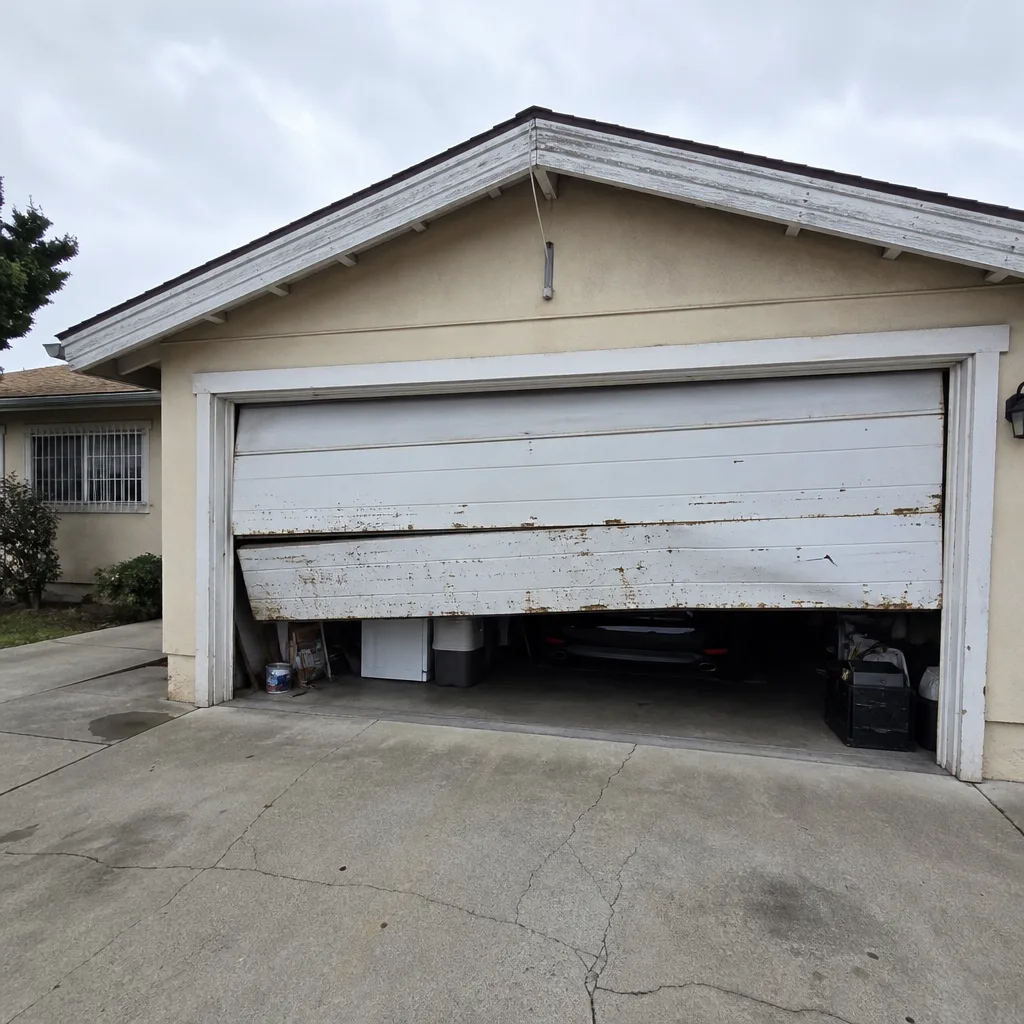 Before
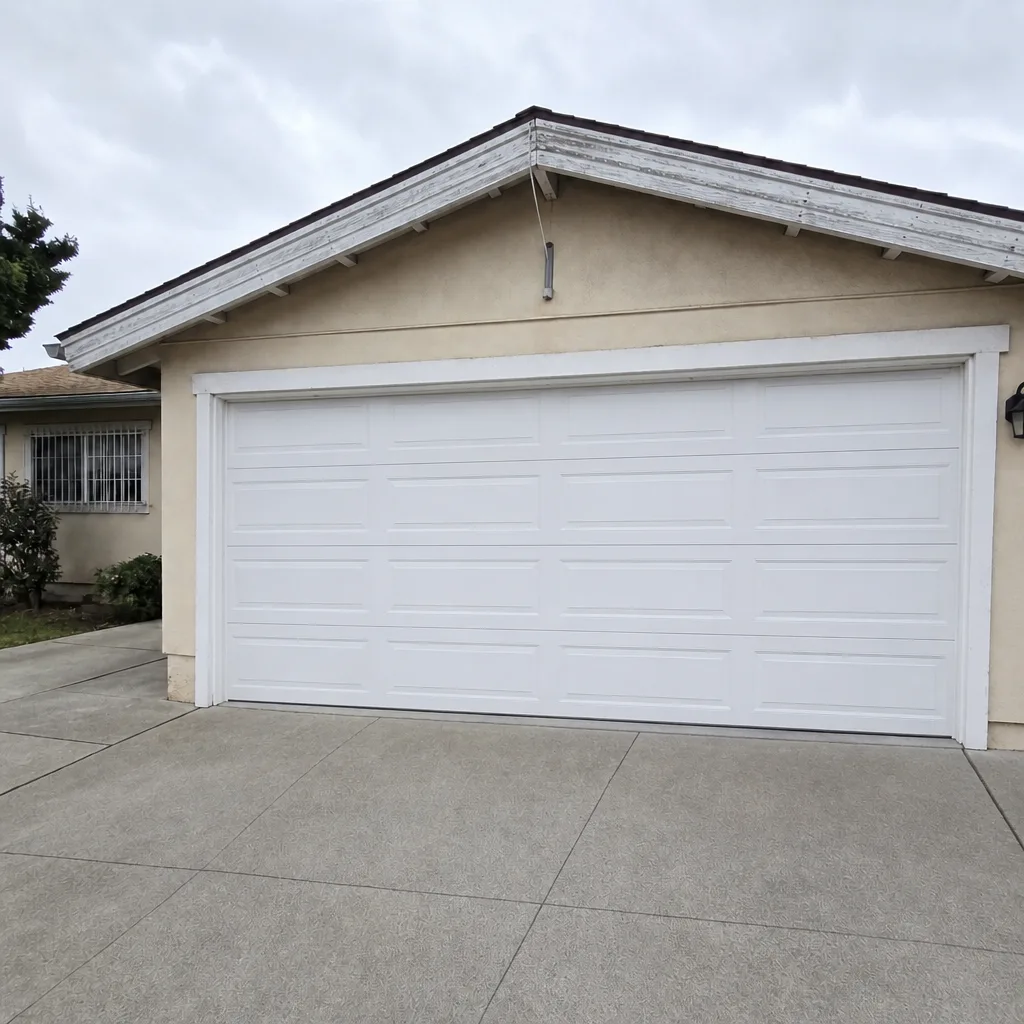 After
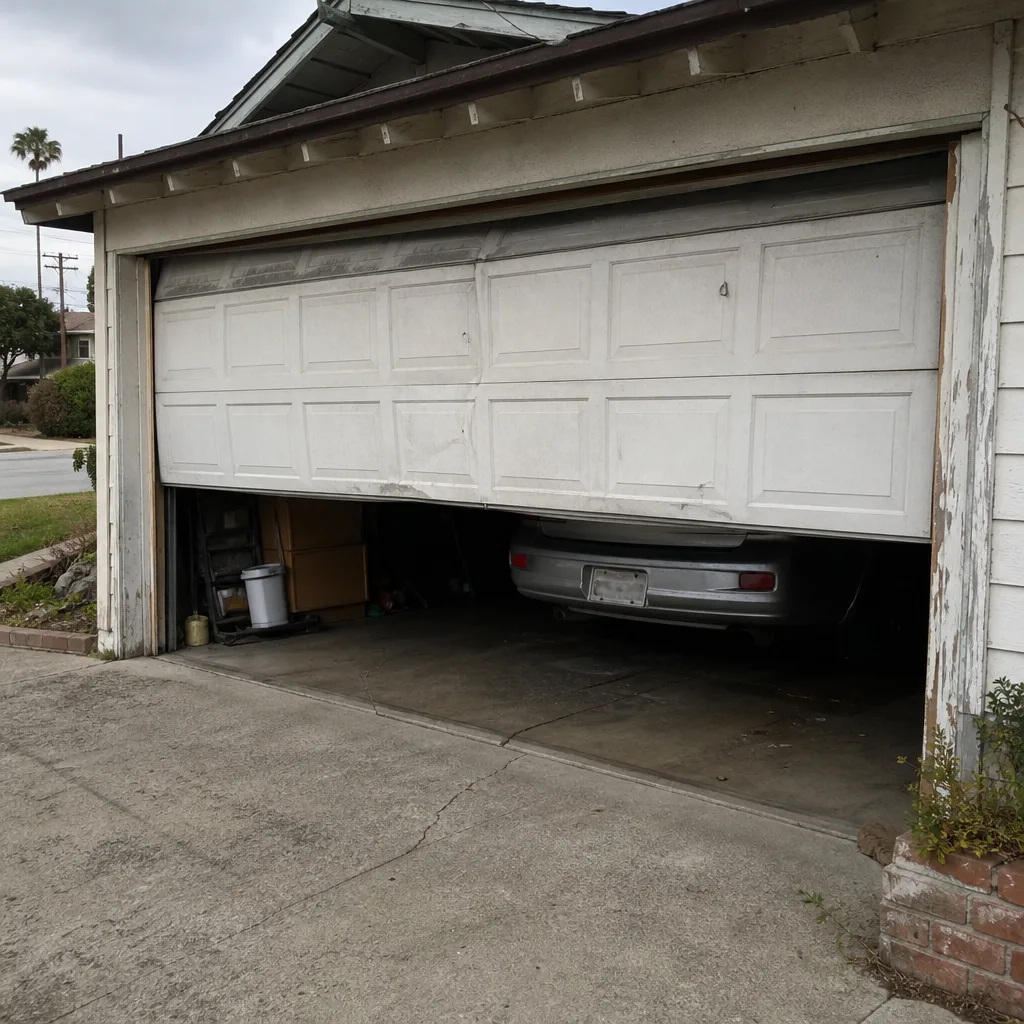 Before
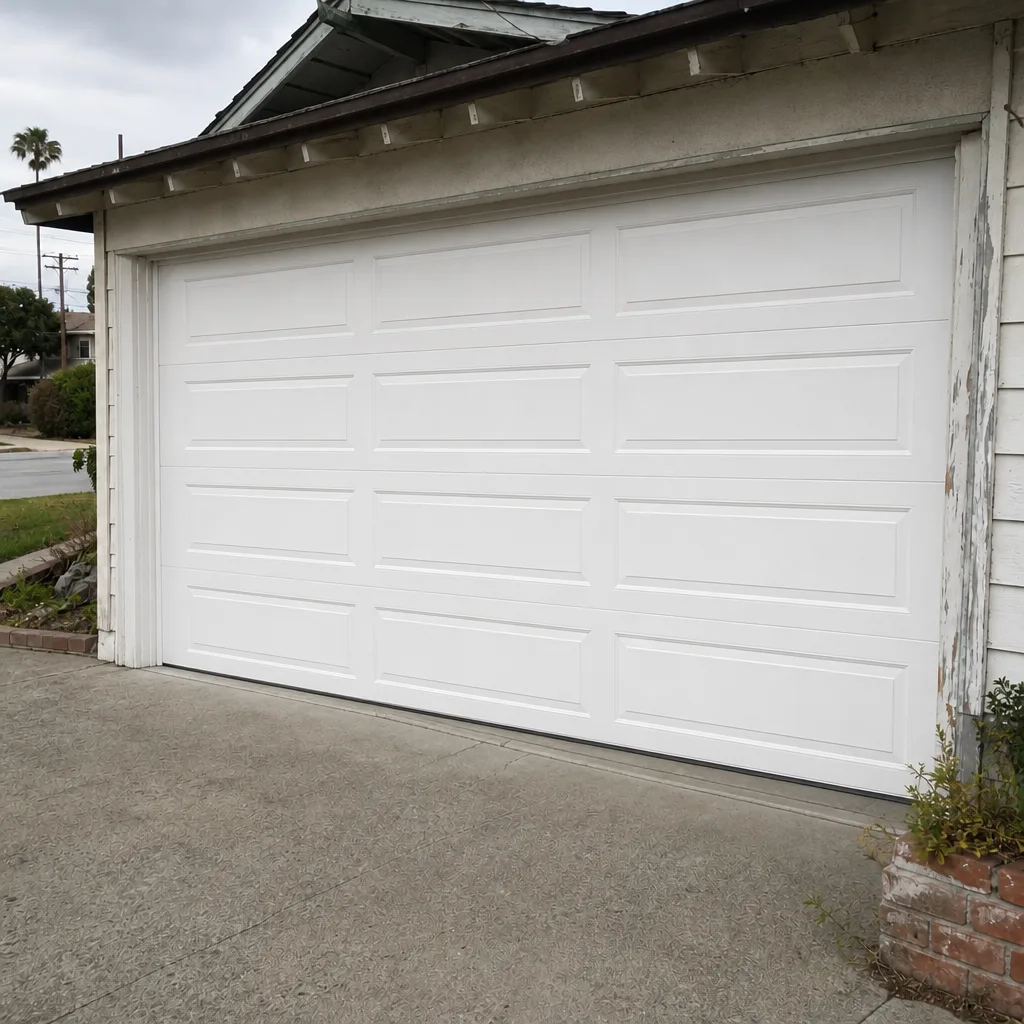 After
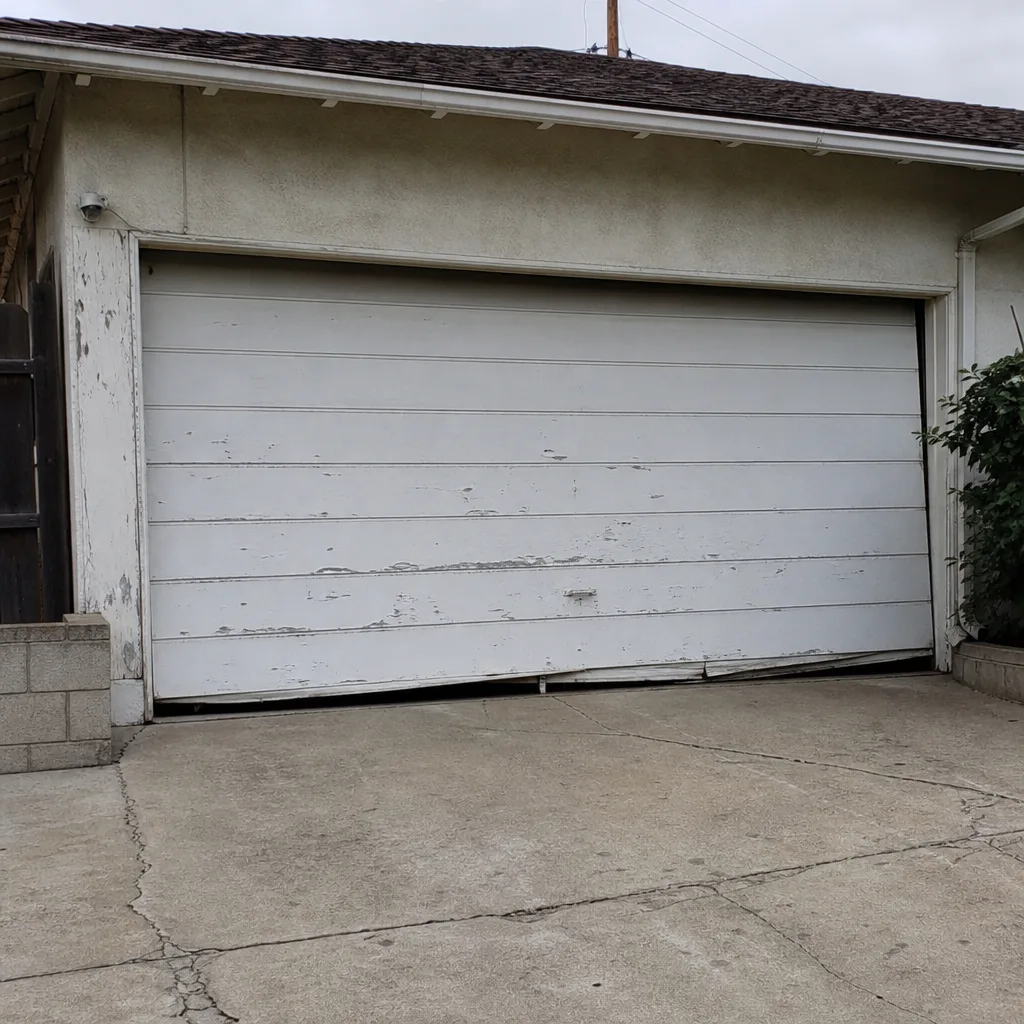 Before
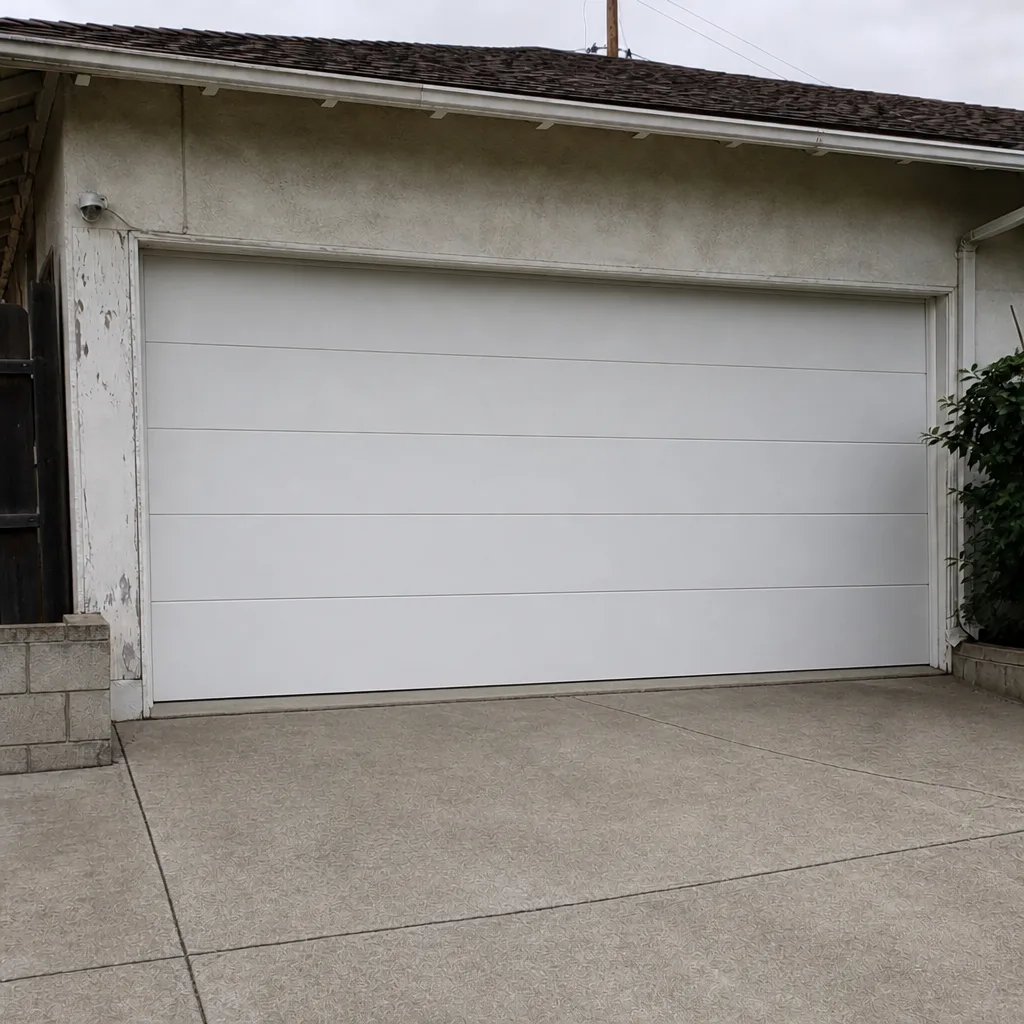 After