
Last updated November 4, 2026
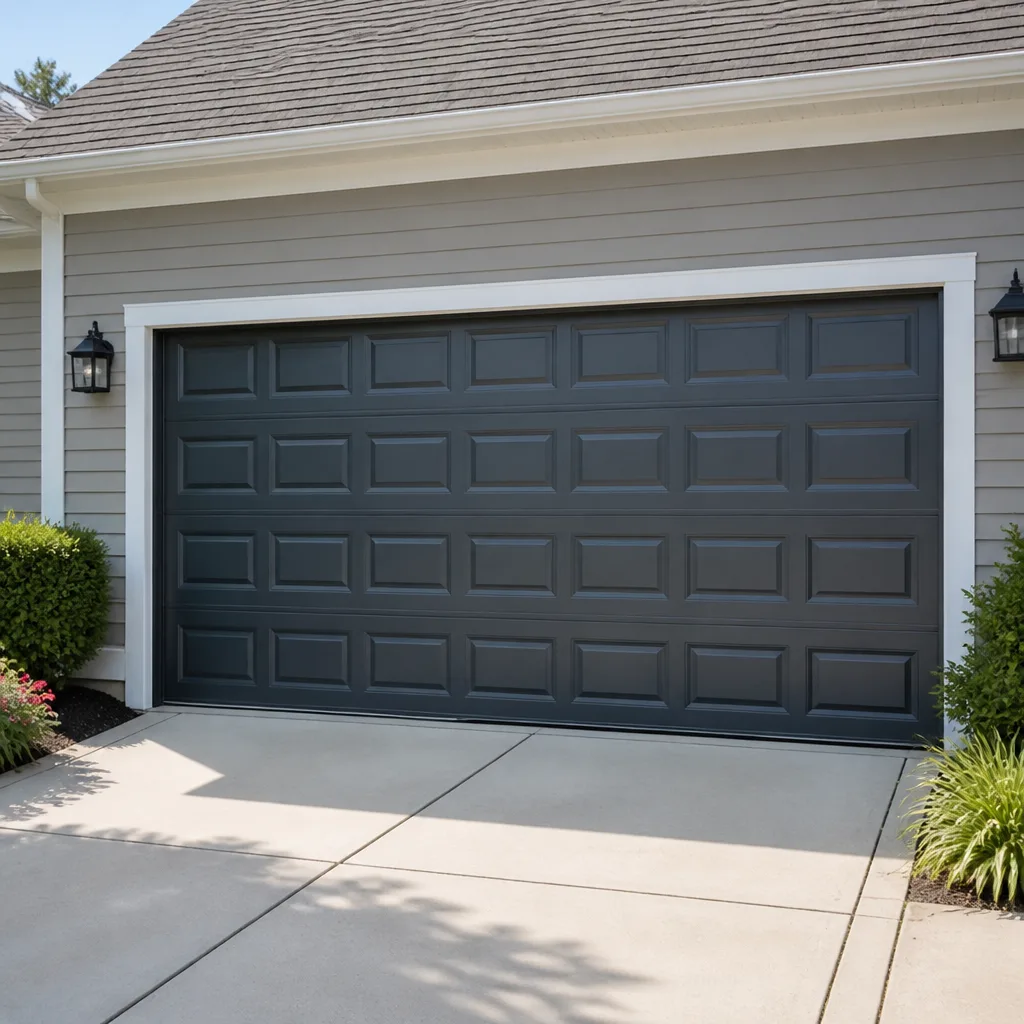 Raised-panel steel
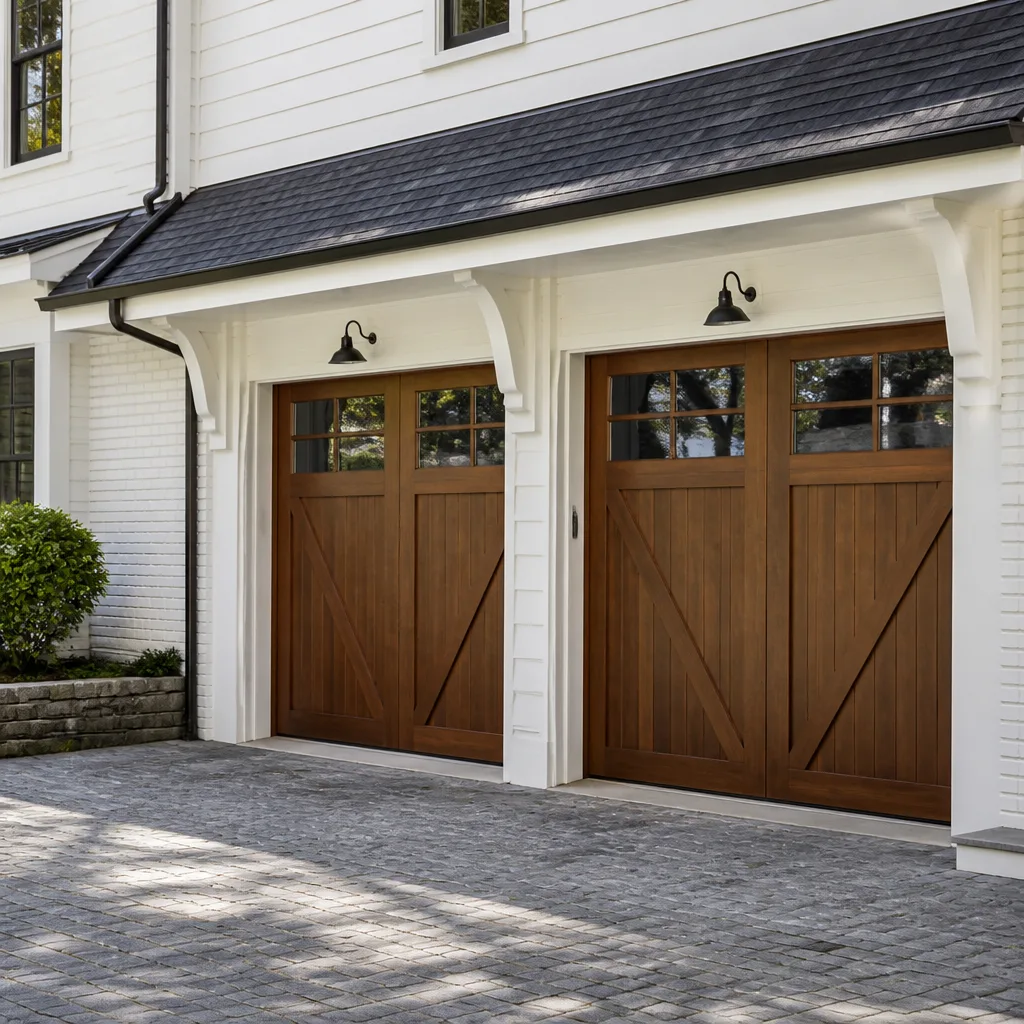 Carriage house
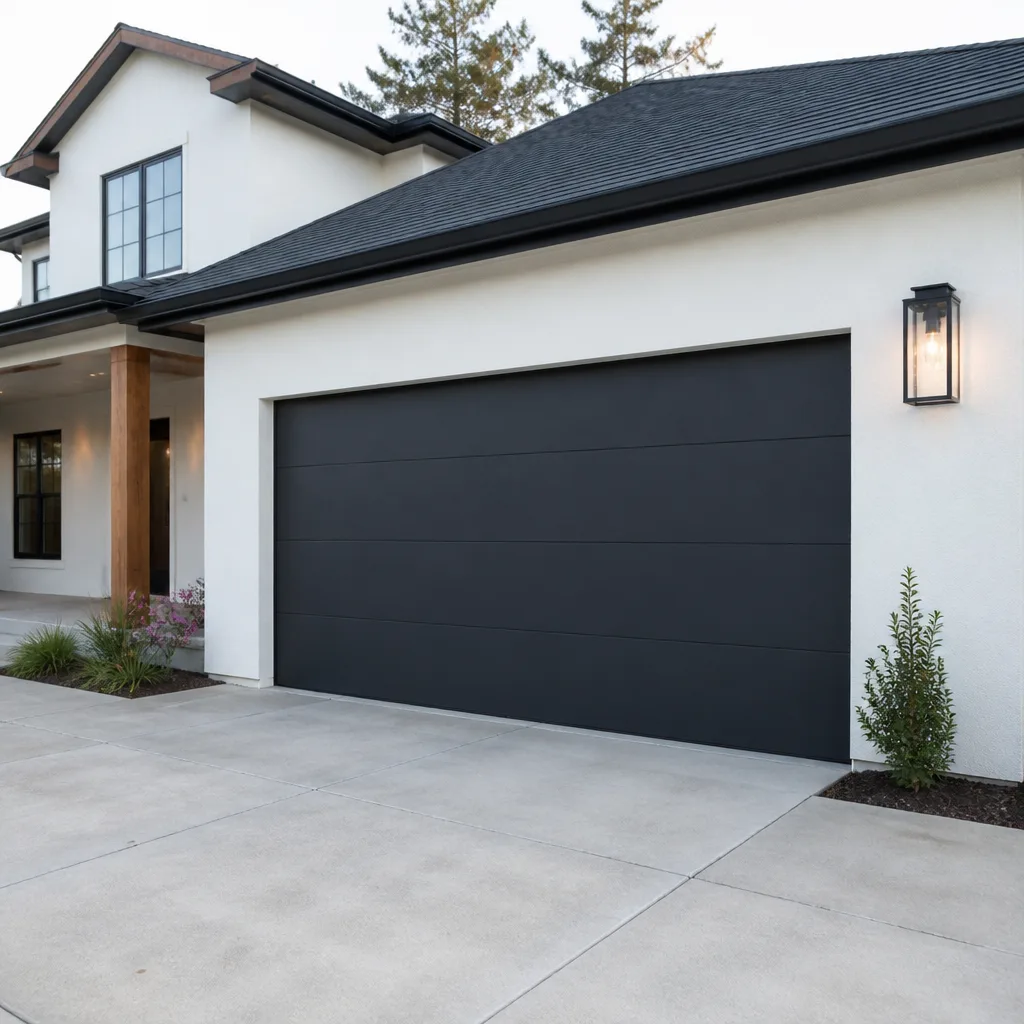 Modern flush
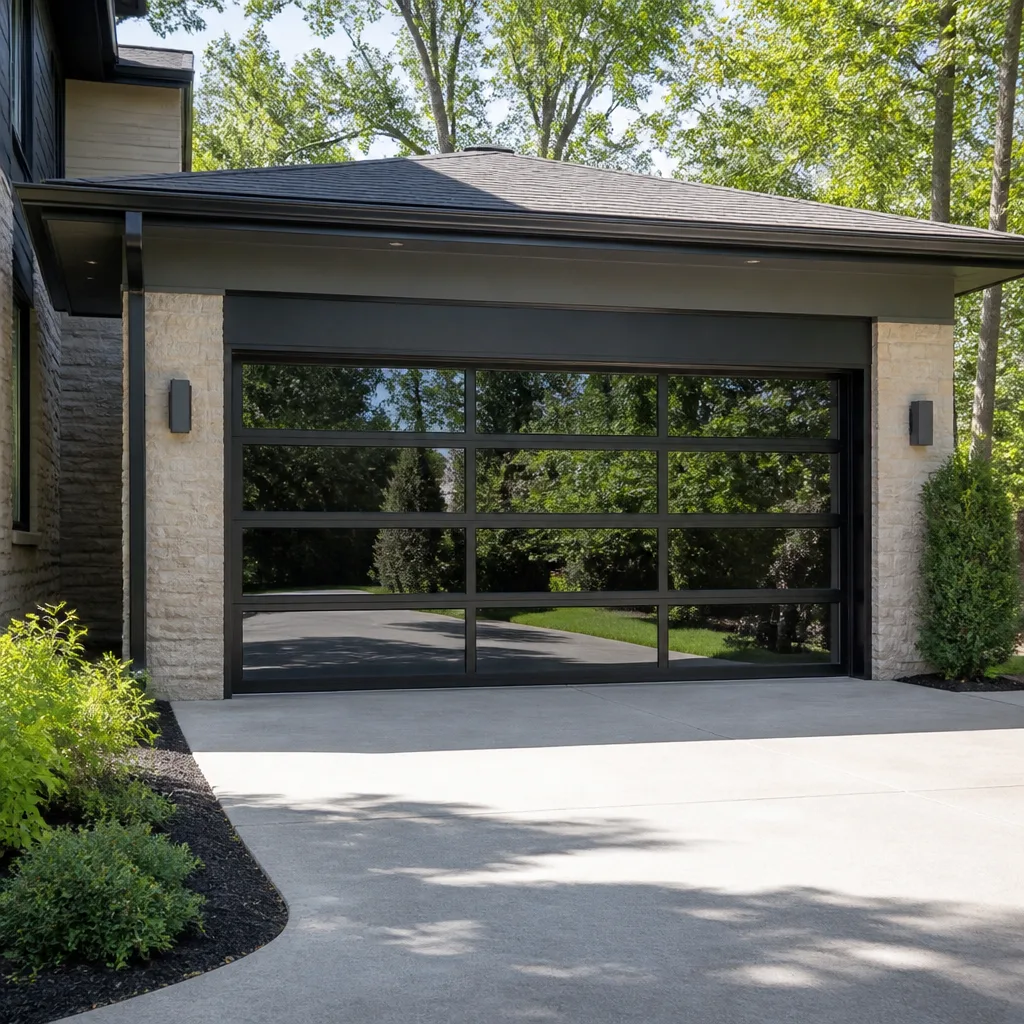 Full-view glass
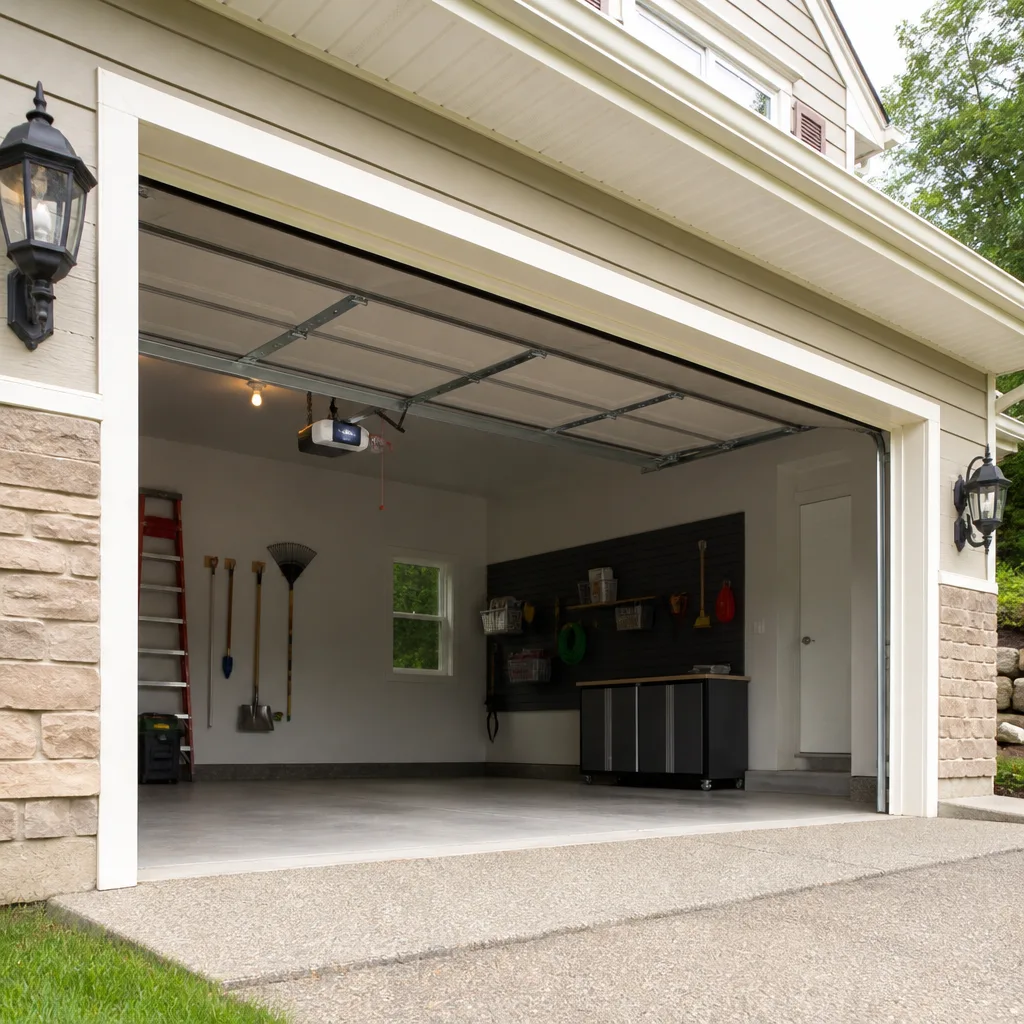 LiftMaster openers
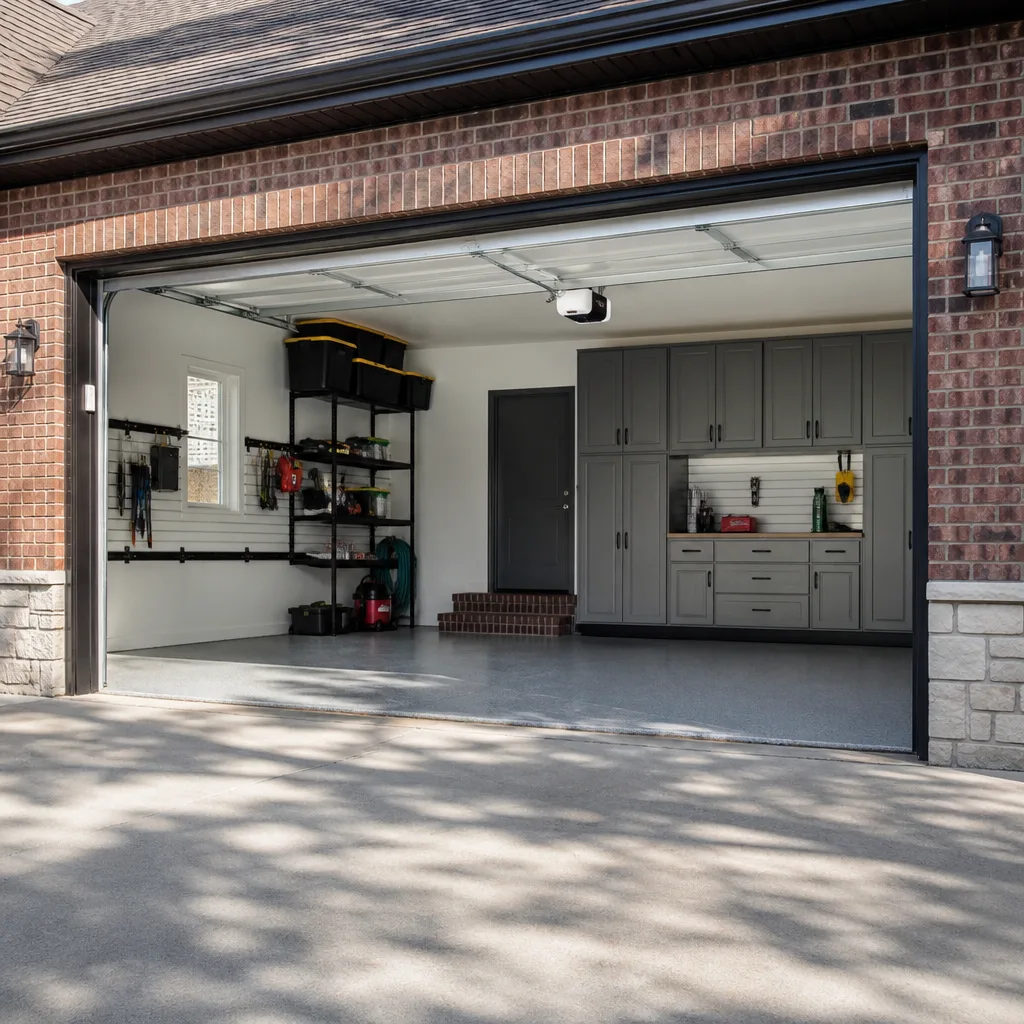 Chamberlain openers
Full 25-point door and opener safety check with every visit - springs, cables, rollers, tracks, and your LiftMaster or Chamberlain opener included
You get a price before we start. It does not change when the truck arrives.
Get your free estimateGarage Door Permits, Codes & Inspections in Rosemead, CA: What You Need to Know
Most homeowners in Rosemead assume a garage door replacement always needs a city permit. That’s not how Los Angeles County reads it. A straightforward swap of a standard door, using the existing opening and header, usually falls under a like-for-like replacement that requires no permit at all. But add one change, a wider opening, an outlet for a new opener, or a door that alters the fire rating between the garage and living space, and the picture flips fast. This guide explains exactly where the line sits in Rosemead, what triggers an inspection, and how to avoid a paperwork headache years later when you sell the house.
Styles & brands we work with
- Raised-panel steel
- Carriage house
- Modern flush
- Full-view glass
- LiftMaster openers
- Chamberlain openers
Quick Answer
In Rosemead, most like-for-like garage door replacements do not require a permit, but structural changes to the header, new electrical circuits for openers, or swapping a fire-rated door for a non-rated one do. The City of Rosemead building department, operating under Los Angeles County codes and California Title 24, reviews permit applications with typical turnaround times of one to three weeks. When in doubt, call the building department before the work starts, because fixing an unpermitted installation after the fact is slower and costlier than doing it right the first time.
Table of Contents
- When Rosemead Requires a Garage Door Permit
- What Like-for-Like Replacement Actually Means
- Fire-Rated Doors and the Escrow Trap
- California Title 24 and Insulated Garage Doors
- How the Rosemead Permit Process Works
- Permit Inspections vs. Buyer Home Inspections
- Common Mistakes to Avoid
- When to Call a Professional
- Frequently Asked Questions
- The Bottom Line
When Rosemead Requires a Garage Door Permit
The rule that governs most garage door work in Rosemead is practical, not bureaucratic. If the work changes the structure, the electrical system, or the fire separation between the garage and the home, a permit is required. If it simply replaces an old door with a new one in the same opening, it generally is not. That distinction sounds clean, but the exceptions trip people up more often than you might expect.
Here are the specific triggers under the codes Rosemead follows:
- Structural header changes. Any modification to the beam above the garage door opening, even removing a few inches of wood to fit a taller door, requires a permit and an engineering review. The header carries the wall load and the roof load above it, and Rosemead’s building department will not accept field-modified headers without documentation.
- New electrical work for openers. Adding a new outlet in the garage ceiling or running a new circuit to power a modern opener with smart-home features is electrical work. That falls under the California Electrical Code and requires an electrical permit, even when the outlet is just a few feet from the existing panel.
- Fire-rated door replacements. Homes where the garage shares a wall or ceiling with conditioned living space are often required to have a fire-rated door assembly. Replacing that door with a standard, non-rated door changes the separation rating and is one of the most common permit mistakes we see in Rosemead.
- Widening or altering the rough opening. Any cut into the framing, whether to fit a double-wide door or to square up an out-of-level opening, is structural work. It needs a permit, full stop.
For most Rosemead homeowners, the practical workflow is simple. If the new door fits the existing opening exactly and no wiring changes hands, no permit is typically needed. If a saw touches the framing or a wire touches the panel, check with the city first. A quick call to the building department costs nothing and clears the path before work starts.
What Like-for-Like Replacement Actually Means
Like-for-like is the term Los Angeles County uses to describe replacing a door with one that matches the original in size, weight, function, and fire rating. When a job qualifies, no permit is required and no inspection is scheduled. The catch is that homeowners sometimes stretch the definition without realizing it, and that stretch becomes a problem at resale.
A genuine like-for-like replacement in Rosemead means all of the following:
- The new door uses the same rough opening. No framing is cut, notched, or moved.
- The door operates in the same way. A sectional door for a sectional door, a swing-out for a swing-out.
- The fire rating, if one existed, stays the same. You cannot swap a fire-rated door for a non-rated model and call it like-for-like.
- The header and side jambs remain untouched.
- No new electrical circuits are added. An opener on an existing outlet is fine; a new outlet requires a permit.
Documenting a like-for-like replacement is the part most people skip, and it matters years later. When a buyer’s home inspector asks whether the door was permitted, the honest answer is often yes, it was allowed without one, but a seller needs more than a verbal claim. We recommend keeping the original invoice showing the door model, a photo of the old door before removal, a photo of the new door after installation, and a note stating the rough opening was not modified. That simple folder stands up to a home inspector’s questions far better than a shrug.
Fire-Rated Doors and the Escrow Trap
Some garage door repair jobs in Rosemead end up revealing a fire-rating question the homeowner never knew existed. Garages attached to a house, or located under a second story, are often separated from living space by a wall or ceiling with a one-hour fire rating. The door connecting the garage to the house, and in some configurations the garage door itself, can be part of that assembly. Change the door without preserving the rating and you have changed an important safety system without a permit.
This is where the escrow trap lives. A buyer’s home inspector will not necessarily check whether a garage door is fire-rated during a standard inspection. But a sharp inspector, or an appraiser working for a cautious lender, may flag a recent-looking garage door that does not match the rest of the home’s construction era. If the door was unpermitted and fire-rated originally, the sale can stall while the seller scrambles for documentation or remediation.
The safe path is to ask one question before any replacement: does this home have a fire-rated garage door or a fire-rated separation requirement? The building department in Rosemead can often confirm what the original plans showed. If the answer is yes, keep the new door within the same rating class and keep the paperwork. If the answer is no, a standard door is fine. Either way, the question costs five minutes and can save a four-figure remediation before a sale closes.
California Title 24 and Insulated Garage Doors
Title 24 is the California energy code, and it applies to garage doors in one narrow but important situation. If a garage is attached to conditioned living space, and the wall or ceiling between them is required to meet certain insulation standards, the garage door can affect the building’s overall energy compliance. A poorly insulated door in that arrangement lets heat migrate through the garage and into the living space, which is exactly what Title 24 is designed to prevent.
For a detached garage, Title 24 requirements for the door itself are minimal. The door is not part of the conditioned envelope, so an insulated or non-insulated door is a comfort and durability choice, not a code issue. For an attached garage, particularly in homes built or renovated in the last two decades, an insulated door may be the difference between passing a title 24 review and failing it. Rosemead’s inland climate makes this less about cold air and more about heat gain during long summer runs, when a west-facing garage door absorbs sun for hours and radiates that heat into the home.
If you are replacing a door on an attached garage and the home has any energy features, dual-pane windows, a newer HVAC system, recent insulation work, it is worth checking Title 24 before you buy. The requirement does not always apply, but when it does, a non-compliant door can be flagged by a permit inspector. A quick call clears it up.
How the Rosemead Permit Process Works
The City of Rosemead issues building permits through its building and safety division, and garage door work requiring a permit follows the standard small-project path. The process is not complicated, but it is slower than the repair itself, which surprises homeowners who assume a one-day door job means a one-day permit.
Here is the typical sequence in Rosemead:
- Determine whether the work needs a permit. Use the triggers above: structural, electrical, or fire-rating changes. If unsure, call the building department and describe the work in plain language. They will tell you which category it falls under.
- Gather the required documents. For structural changes, this usually means a scaled drawing of the opening, a description of the header size and connection method, and the door specifications. For electrical work, a simple circuit diagram and outlet location is often enough. For fire-rated doors, the door manufacturer’s rating documentation is the key piece.
- Submit the application. Rosemead offers both in-person and, for many permit types, online submittal. Plan review times for small residential projects in the area typically run one to three weeks, depending on the current workload.
- Pay the permit fee. Fees are set by the city and vary with the scope of work. The permit fee is separate from the labor and door cost.
- Schedule the inspection. For structural or fire-rating work, the inspector will need to see the rough opening before the door goes in, and sometimes the finished door after. Electrical work typically gets a final inspection once the circuit is connected.
The timeline matters because it changes the project schedule. A simple replacement can be done the same week you call. A permitted job with structural work will take longer, and that is not a drawback. It is the city doing what cities do, making sure the work holds up. If you are doing a full garage door opener repair that includes new wiring alongside a door replacement, plan for the permit window before you schedule the installers.
Permit Inspections vs. Buyer Home Inspections
These are two different inspections for two different purposes, and confusing them causes more Rosemead real estate friction than any other single issue. A permit inspection, done by a city or county inspector, verifies that work done under a permit meets the building code at the time it is performed. A buyer’s home inspection, done by a private inspector during escrow, looks at the entire house and flags anything that seems wrong, including work that was never permitted.
On a permitted garage door job, the city inspector is typically looking at specific points: the header size and connection, the fire-rated assembly if one applies, the electrical connections if a new circuit was added, and whether the door is installed per the manufacturer’s instructions. The inspection is narrow and code-focused. It is not a quality review of the door itself.
A buyer’s home inspector has a broader mandate. They may notice a garage door that looks newer than the house, open the tracking, test the reverse mechanism, and ask whether the door was permitted. If the door was like-for-like, no permit was required, and the homeowner can say so. If the door involved structural or fire-rating work that skipped the permit process, the inspector will likely note it, and the buyer may ask for a credit or a retrofit permit. Retrofit permits in Los Angeles County are not impossible, but they require opening up whatever was hidden, proving the work is safe after the fact, and paying additional fees. It is a worse deal than pulling the permit the first time.
Common Mistakes to Avoid
- Assuming every replacement needs a permit. Many Rosemead homeowners delay a simple job for weeks because they think a permit is mandatory. A like-for-like replacement on an unaltered opening usually needs no permit. Check before you assume.
- Widening the opening without a structural review. The header above a garage door is load-bearing. Cutting it without an engineer’s sign-off is dangerous and will be flagged by any competent inspector.
- Replacing a fire-rated door with a non-rated model. This is the most expensive mistake we see at resale, because it converts a compliant home into a non-compliant one without anyone knowing until the wrong moment.
- Adding an outlet for a new opener without an electrical permit. A homeowner-installed outlet may work fine for years, but it remains unpermitted electrical work, and a sharp home inspector will spot it.
- Throwing away the invoice and photos. For like-for-like replacements, the documentation is the only proof you ever had. A folder with the model number, the original door photo, and a note about the opening is worth more than you think.
- Waiting until escrow to ask about permits. Once a buyer’s inspector raises the question, the seller has limited leverage and a compressed timeline. Checking compliance before listing costs nothing.
When to Call a Professional
Some garage door projects are straightforward enough for a capable homeowner. Most permit-heavy ones are not. If the job involves a structural header change, a fire-rated door replacement, or any electrical work beyond plugging in a cord, a professional who deals with Rosemead’s permitting requirements routinely is worth the call. We have walked through the header questions, the fire-rating documentation, and the Title 24 checks enough times that the process is second nature, and we can tell you within a few minutes whether your job needs a permit at all. Garage Door Repair Rosemead offers free estimates in Rosemead, call (855) 382-3118 and we will walk through the scope over the phone. We answer 24/7. Fast dispatch from 7am to 7pm, Sunday through Friday.
Frequently Asked Questions
Most like-for-like replacements that use the same opening and do not alter the header, electrical system, or fire rating do not require a permit in Rosemead. If any structural, electrical, or fire-rating change is involved, a permit is required. Call the building department if you are unsure, because the answer depends on your specific home.
Permit fees in Rosemead are set by the city and depend on the scope of work, such as structural versus electrical. The permit fee is separate from the door and labor costs. For an exact figure on your specific project, call the building department. And for the door and installation estimate, call (855) 382-3118, we answer 24/7.
No. If your home requires a fire-rated separation between the garage and living space, the replacement door must maintain that rating. Swapping in a standard non-rated door is a permit violation that can surface during a home sale inspection. Ask the building department or your installer to confirm the rating before ordering a door.
Small residential permit reviews in the Rosemead area typically take one to three weeks, depending on the building department’s current workload. The work itself is usually done in a single day once the permit is approved and the inspection is scheduled.
You can apply for a retrofit permit through the City of Rosemead, but the process requires proving the work meets code after the fact, which may mean opening up finished areas for inspection. It is slower and often more expensive than pulling the permit beforehand. The best move is to check compliance before the work is hidden.
It can. A buyer’s home inspector may flag a door that appears newer than the home or ask about permits during escrow. If the work was a true like-for-like replacement, no permit was needed and documentation settles the question. If a permit was required and skipped, the sale can stall or require a credit at closing. Call (855) 382-3118 for a free estimate on bringing the door into compliance.
The Bottom Line
Garage door permits in Rosemead come down to three questions: does the work change the structure, the electrical system, or the fire rating? If the answer is no, a like-for-like replacement is usually permit-free and the only requirement is keeping good documentation. If the answer is yes, pull the permit before the work starts and schedule the inspection without fear. The cost of a permit is small compared to the cost of an escrow hold-up or a retrofit inspection years later. When in doubt, call the city. And when you are ready for the door itself, call (855) 382-3118.
Written by the team at Garage Door Repair Rosemead, serving Rosemead since 2015.
See the difference
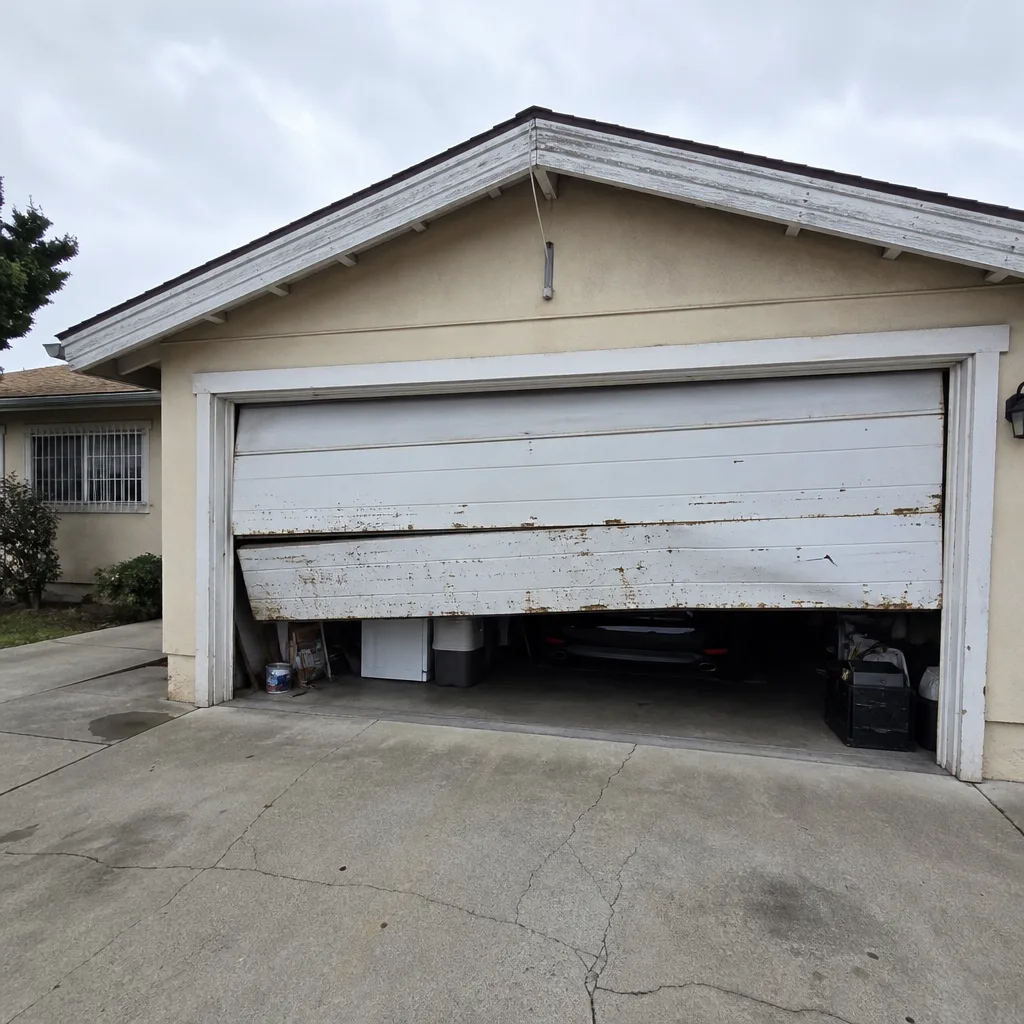 Before
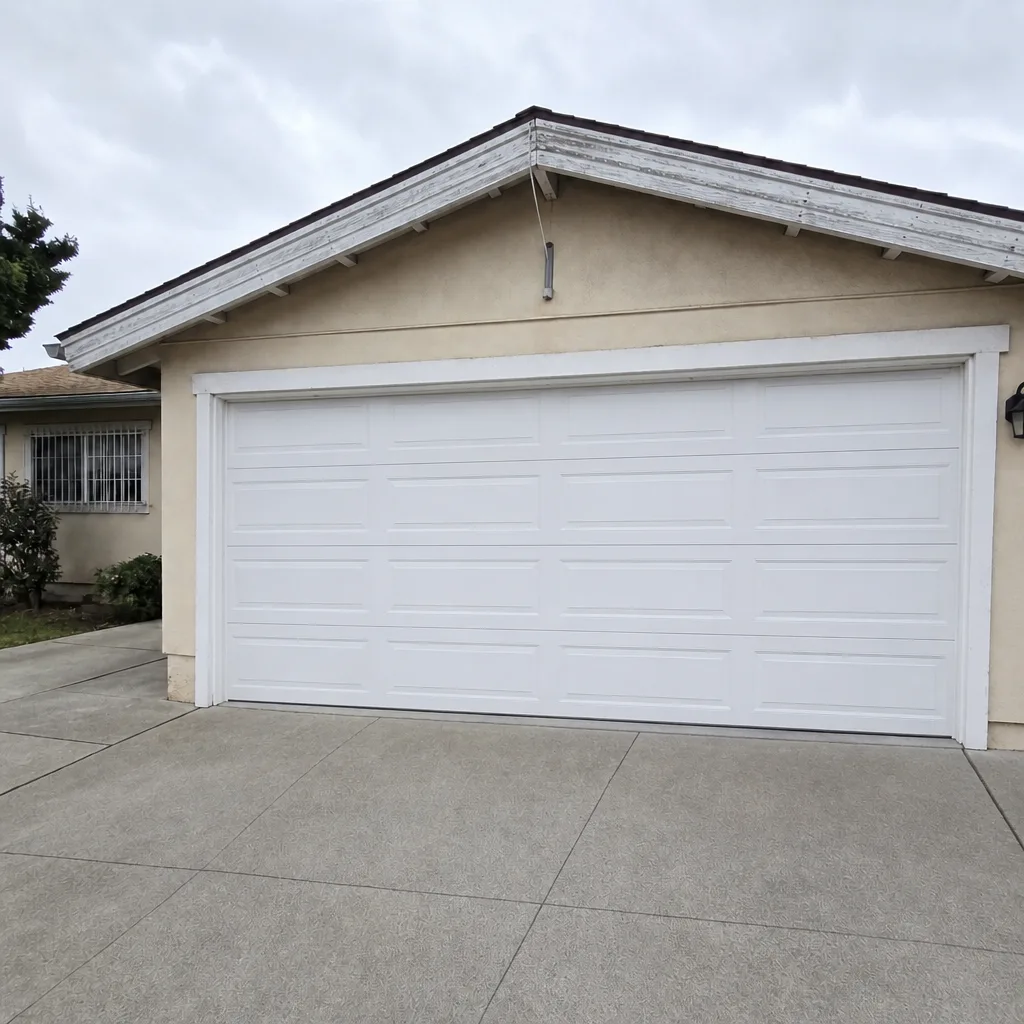 After
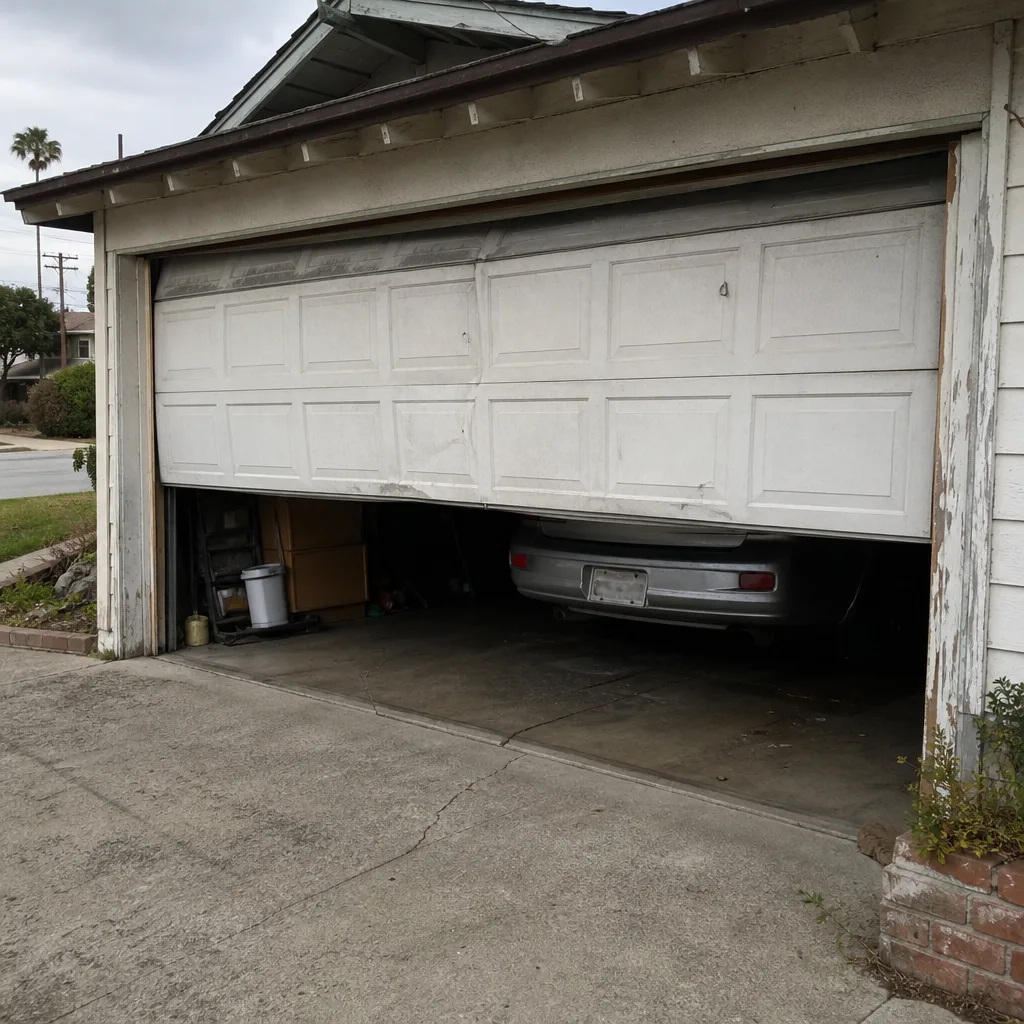 Before
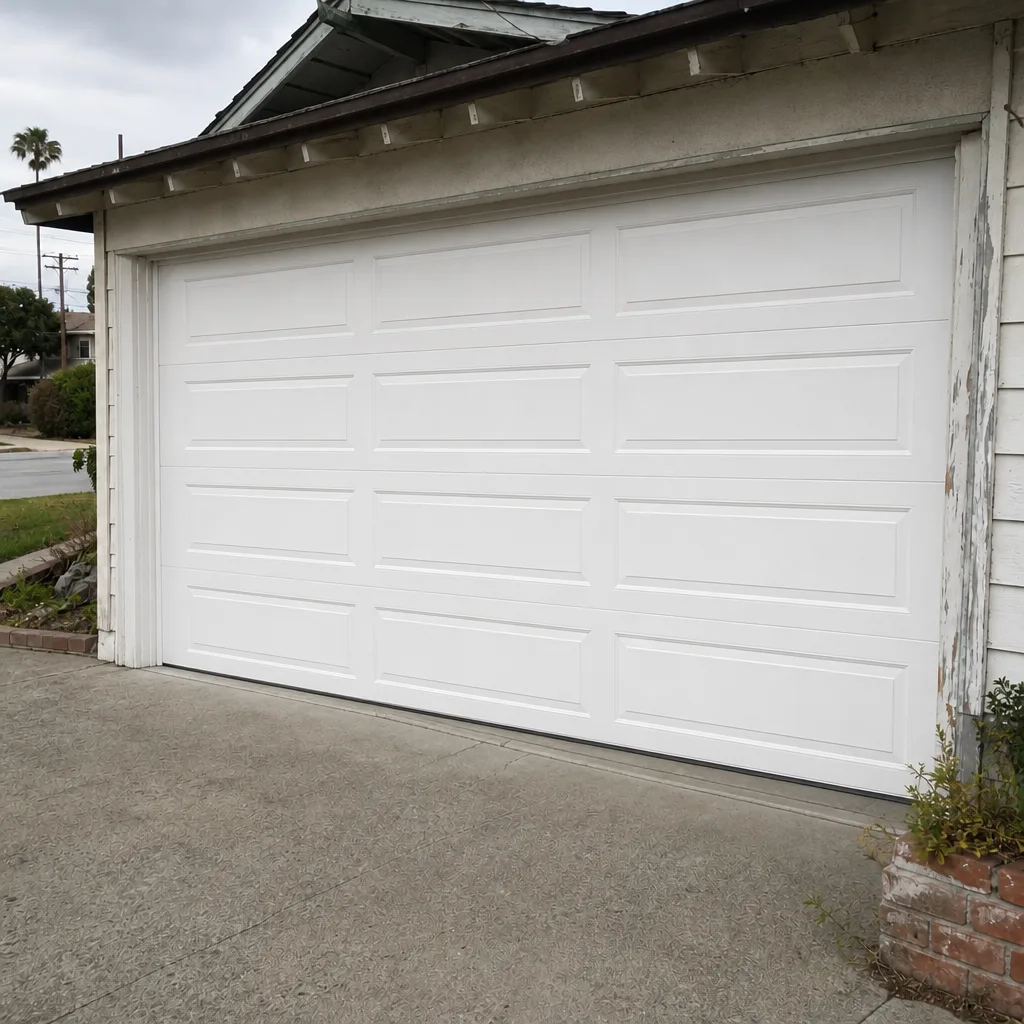 After
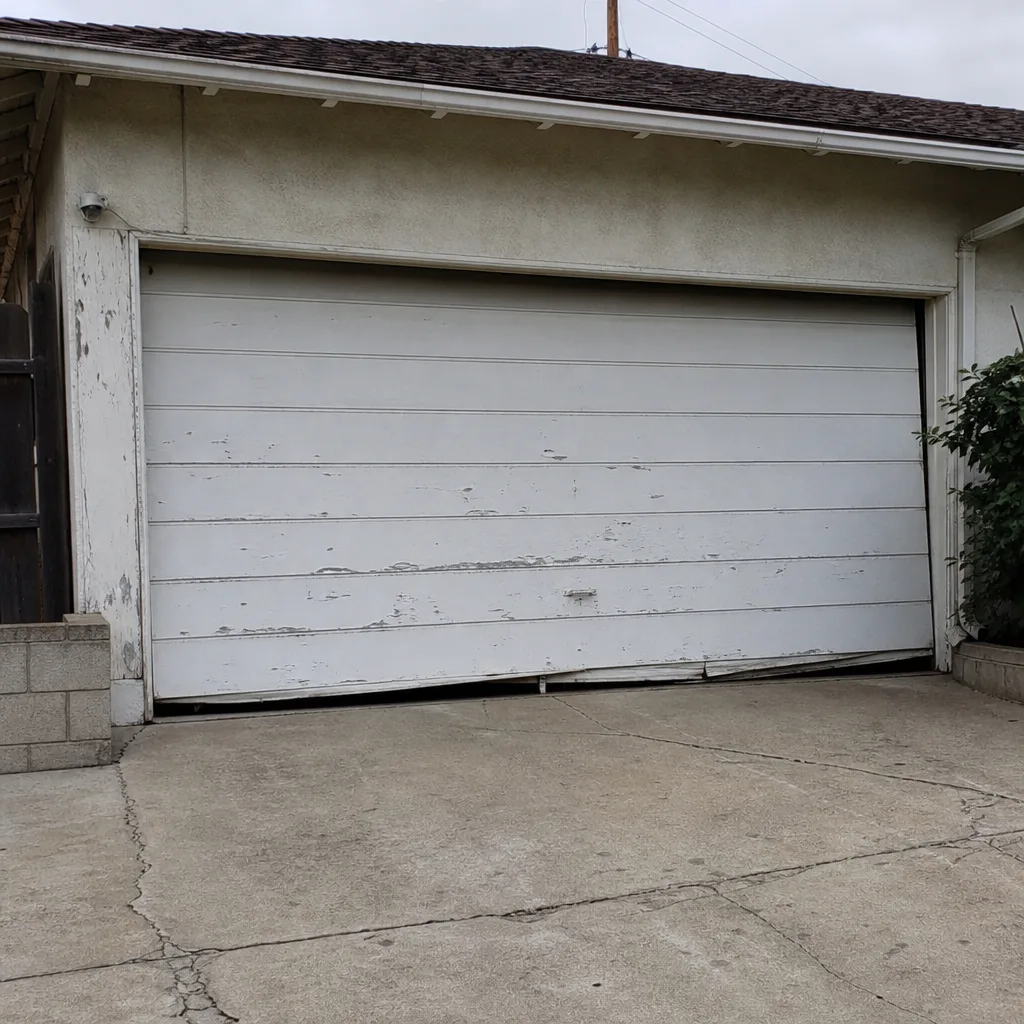 Before
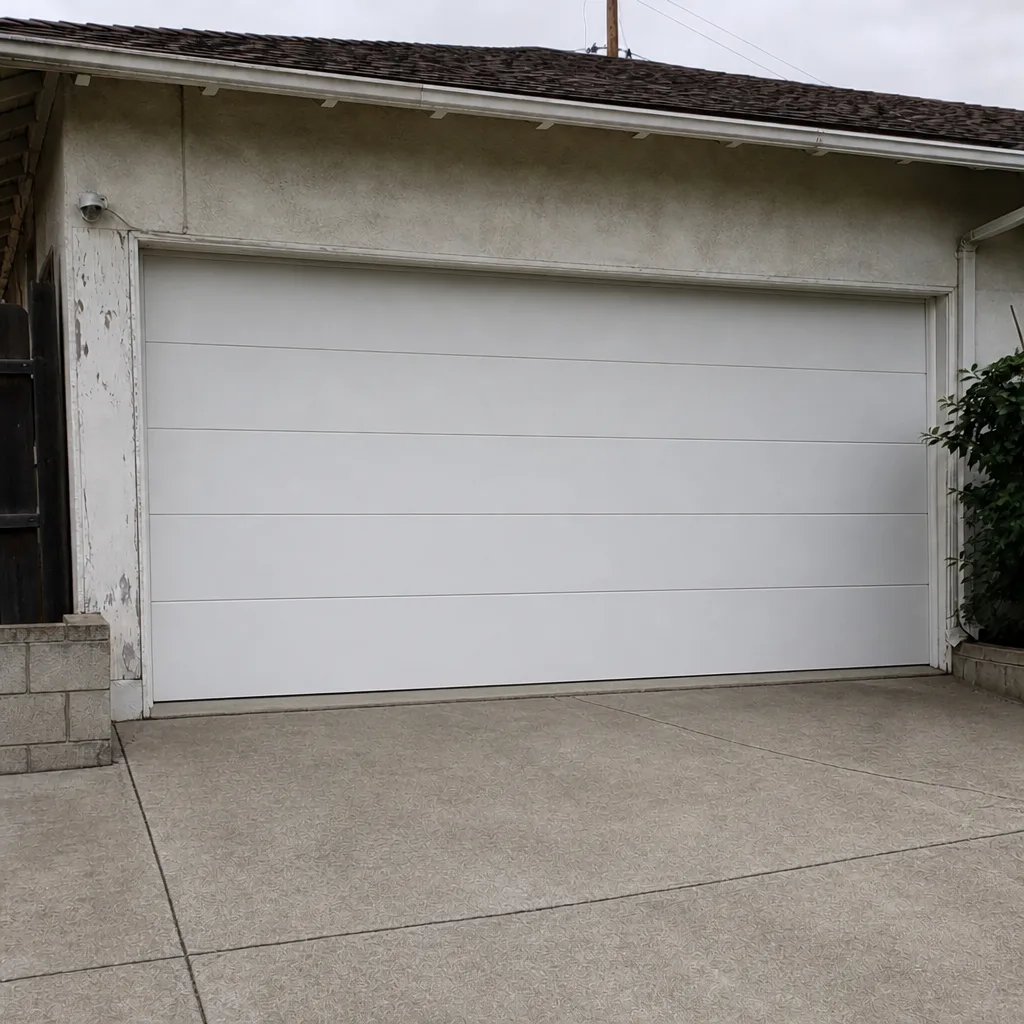 After