
Last updated November 4, 2026
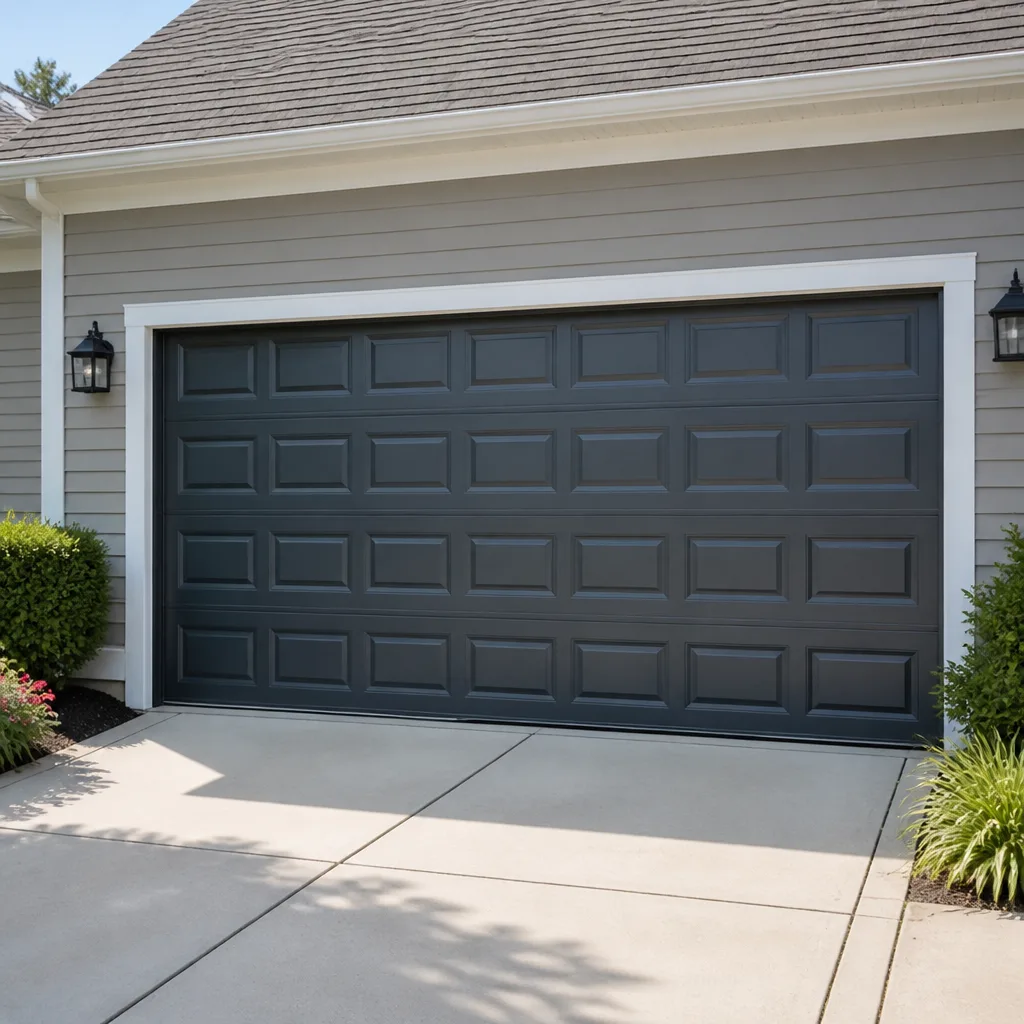 Raised-panel steel
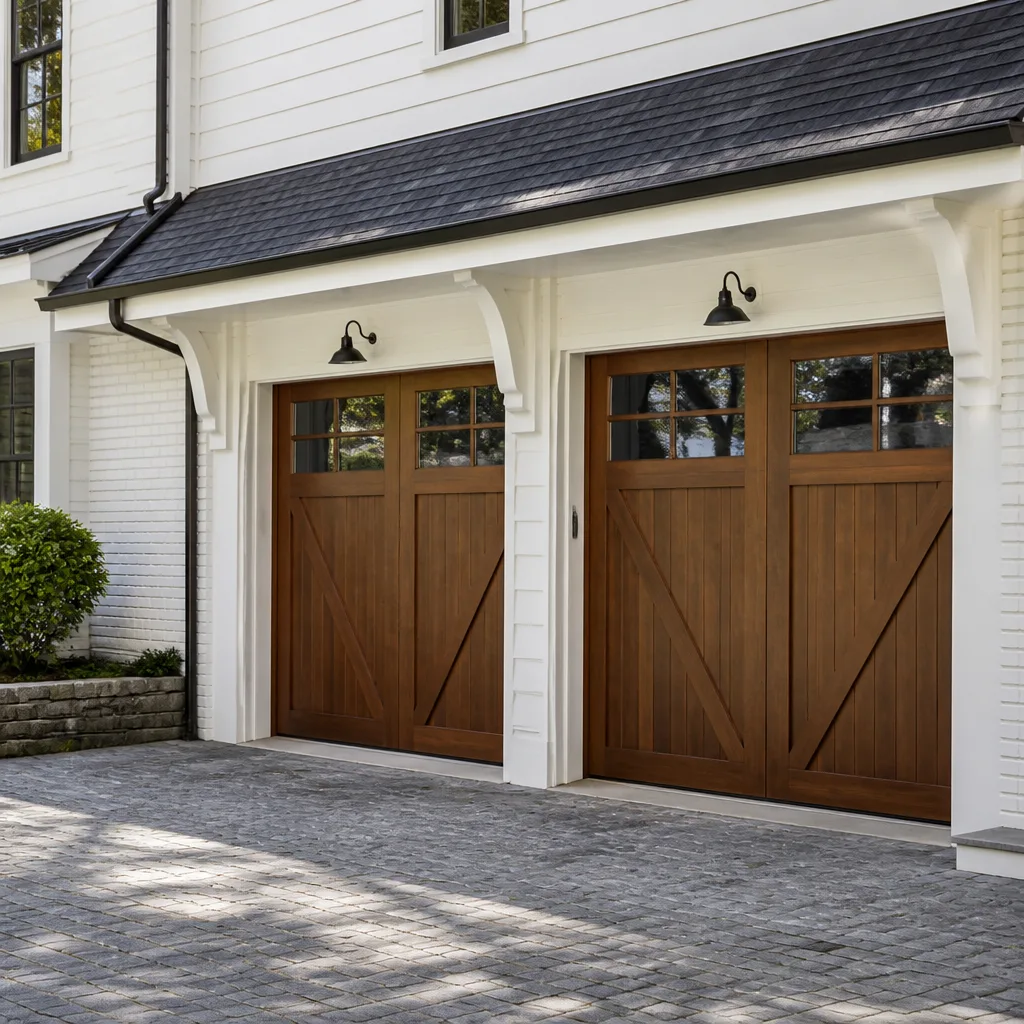 Carriage house
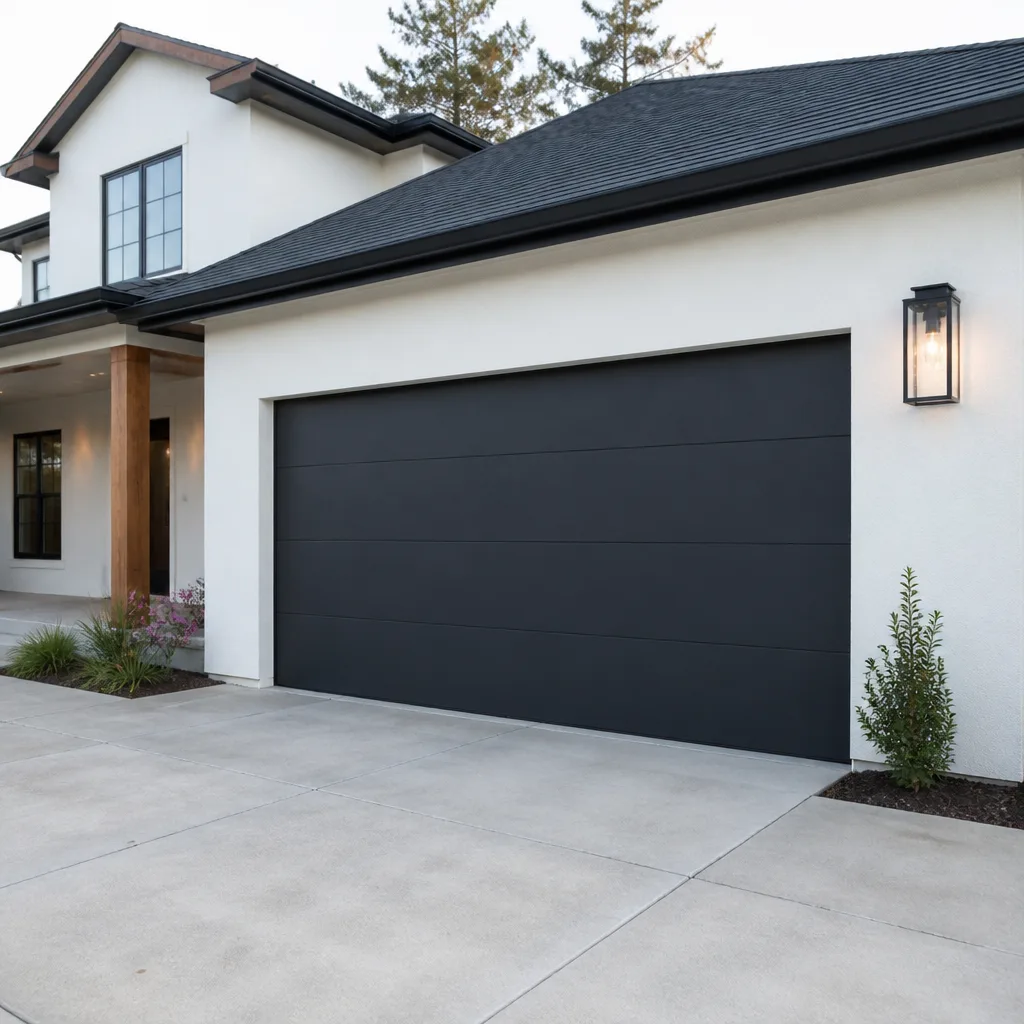 Modern flush
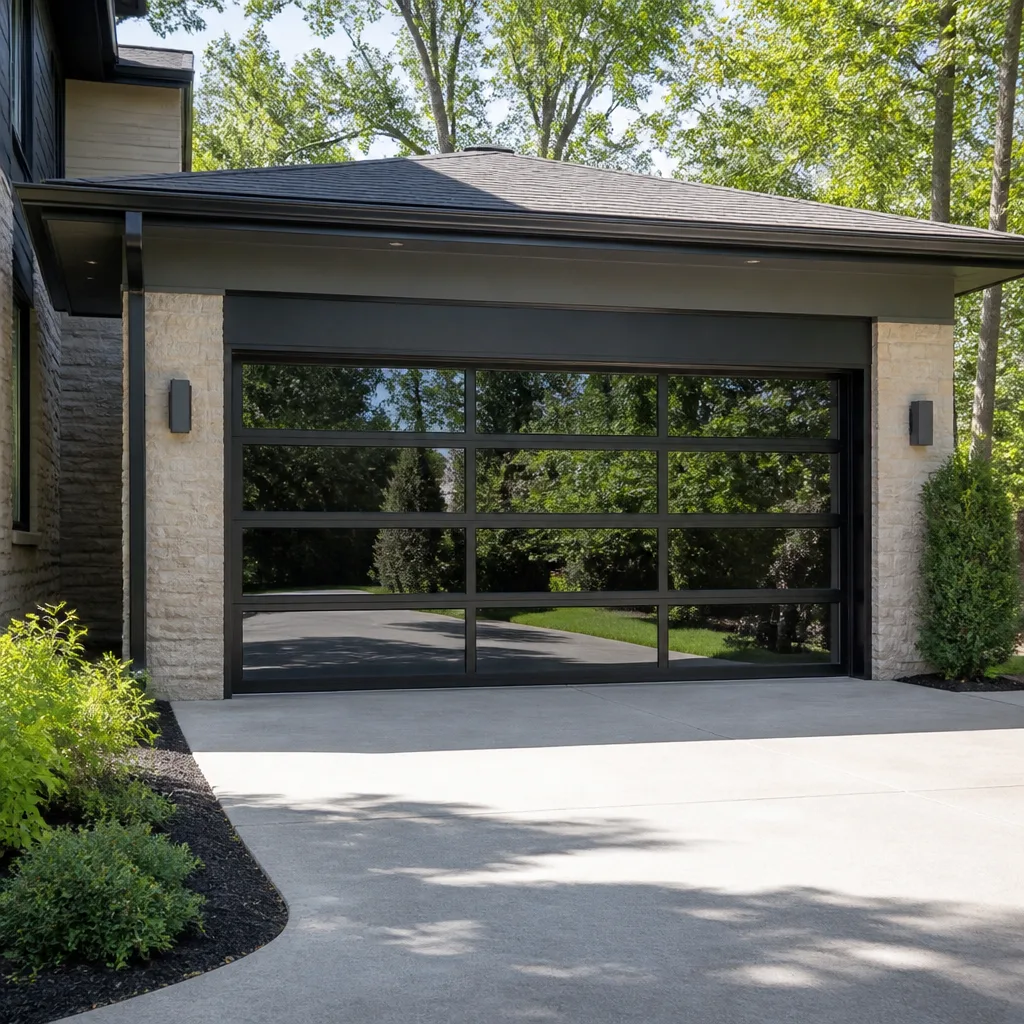 Full-view glass
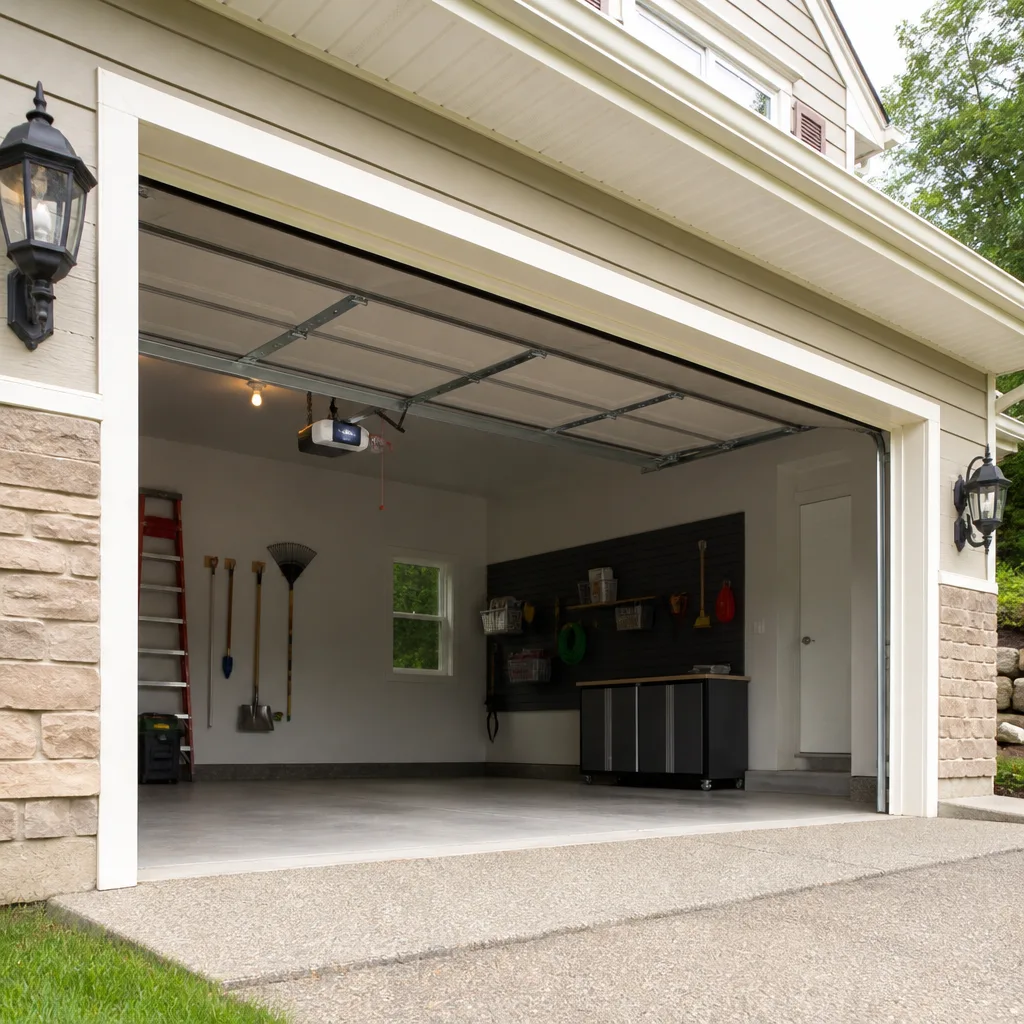 LiftMaster openers
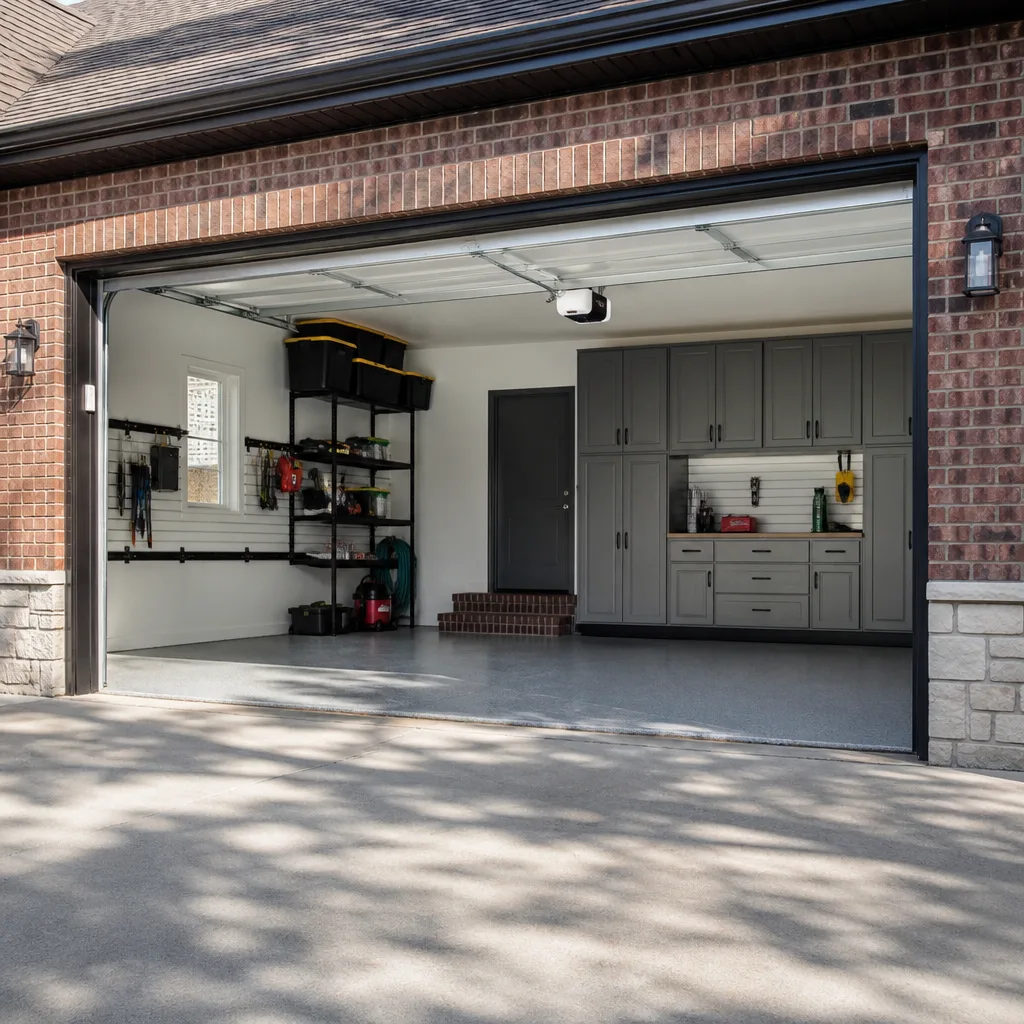 Chamberlain openers
Full 25-point door and opener safety check with every visit - springs, cables, rollers, tracks, and your LiftMaster or Chamberlain opener included
You get a price before we start. It does not change when the truck arrives.
Get your free estimateSeasonal Garage Door Care for Rosemead: Year-Round Homeowner’s Guide
Rosemead doesn’t get blizzards or sub-zero mornings, and that’s exactly why so many garage doors here die young. Homeowners assume that because the weather is mostly mild, the door can be ignored until it stops working. What actually happens is quieter: a torsion spring that contracted on a 40-degree January morning is still carrying microscopic wear from the 95-degree afternoon it spent in August, and that combination, repeated across five or six years, is what snaps the spring on a random Tuesday. This guide covers what to check each season in Rosemead’s actual climate, when to adjust something yourself, and which jobs genuinely need a technician. We work on the brand you already own, and we’d rather show you how to keep it running than replace it before its time.
Styles & brands we work with
- Raised-panel steel
- Carriage house
- Modern flush
- Full-view glass
- LiftMaster openers
- Chamberlain openers
Quick Answer
Seasonal garage door maintenance in Rosemead comes down to two real stress periods: dry summer heat and cool winter dampness. Inspect the springs, rollers, and weather seal each spring and fall, keep the opener’s circuit board area ventilated through summer, and address bottom-seal warping and condensation after winter rains. Most seasonal upkeep takes under 30 minutes and prevents the two failures we see most often in this area: snapped torsion springs between October and January, and opener logic board failures after extended heat exposure.
Table of Contents
- Understanding Rosemead’s Two Real Seasons for Garage Doors
- Spring Inspection: The 20-Minute Walkaround
- Summer Heat and Your Garage Door Opener
- September Prep: Before the Santa Ana Wind Season
- Winter Moisture: Rosemead’s Actual Cold-Weather Risk
- A 12-Month Garage Door Calendar for Rosemead
- Common Mistakes to Avoid
- When to Call a Professional
- Frequently Asked Questions
- The Bottom Line
Understanding Rosemead’s Two Real Seasons for Garage Doors
National garage door blogs talk about freeze-thaw cycles, snow load, and de-icing salt. None of that applies here. Rosemead sits inland in the San Gabriel Valley, where the garage door’s life is shaped by two distinct stress periods that most people never connect to their door.
The first is the dry heat stretch from June through September. Air temperatures in the 90s are common, but the inside of an uninsulated attached garage runs significantly hotter. A steel door and its track absorb that heat all afternoon. The torsion spring above the door, which is under constant tension, gets hotter than the surrounding air because it’s a dense metal coil with little surface area relative to its mass. Heat doesn’t make a spring fail on its own, but it accelerates the fatigue that’s already accumulating from normal use.
The second stress period is the damp, cool stretch from November through February. Rosemead gets most of its rain in these months, and overnight lows regularly dip into the low 40s. A spring that sat in 95-degree heat in August and now contracts in 42-degree air is doing real work. Metal expands and contracts with temperature, and a torsion spring under load cycles through that expansion every single day. The cycle count on the spring’s rating doesn’t capture this thermal cycling, which is why we see more spring failures in October through January in Southern California than at any other time of year.
Understanding this matters because it tells you when to inspect, when to lubricate, and when to replace parts before they fail. Garage doors are all we do, and the patterns we see across Rosemead are consistent enough that a homeowner who does three inspections a year will catch most problems before they become breakdowns.
Spring Inspection: The 20-Minute Walkaround
Late March or early April is the right time for the most thorough inspection of the year. The rainy season is ending, temperatures are still moderate, and you’ll have several months of predictable weather to make any repairs before summer heat complicates things. This is also the ideal time to replace torsion springs in this climate, and we’ll explain why in a moment.
Here’s the inspection, in order, with the door closed:
- Disconnect the opener. Pull the red release handle so the door operates manually. This lets you feel resistance, balance, and grinding without the motor masking problems.
- Lift the door halfway and let go. A properly balanced door stays in place. If it drops more than a few inches, the springs are losing tension and need attention. If it rises on its own, the springs are over-wound, which shortens their life.
- Check the springs visually. Look at the torsion spring above the door. Surface rust is normal on older springs. A gap in the coil means the spring has already broken and needs replacement before the door is used again. Never touch a spring under tension, and never attempt to adjust or replace one yourself. A torsion spring stores enough energy to cause serious injury or death if it releases unexpectedly. This is a job for a trained professional, full stop.
- Inspect the rollers and hinges. Rollers should roll, not slide. Nylon rollers with visible flat spots or cracking need replacement. Metal rollers with rust or a wobble when the door moves are failing. The hinges should pivot freely without side-to-side play.
- Examine the cables on both sides. Look for frayed strands, rust, or any sign the cable is slipping off the drum. Do not touch the cables. A fraying cable under tension is a warning sign that the spring or drum is failing.
- Run your hand along the bottom seal. The rubber strip along the bottom of the door should be pliable and create full contact with the concrete. Hard, cracked, or flattened sections let water, leaves, and pests in.
- Listen while raising and lowering the door by hand. A smooth door is nearly silent. Grinding, squeaking, or a rhythmic thump as sections pass means something is binding, bent, or dry. A dry track and rollers put extra load on the opener motor every single cycle.
Spring is the right season to replace torsion springs in Rosemead for one specific reason: temperature stability. A spring installed in April is set to its correct tension at a moderate temperature. As the year progresses into summer heat and winter cold, that spring will cycle through expansion and contraction, but it starts from neutral. A spring installed in the middle of a 45-degree January morning is set at one extreme of its thermal range, which means it’s slightly out of spec during the summer months. It’s a small difference, but springs are precision components. Over 10,000 cycles, small differences compound.
Summer Heat and Your Garage Door Opener
Most Rosemead homeowners assume their garage door opener fails because it’s old or worn out. In this climate, heat is the silent killer that shortens opener life by years. The logic board inside the opener’s powerhead is a circuit board with capacitors, resistors, and a processor. Those components are designed to operate within a temperature range, and sustained heat exposure degrades capacitors faster than anything else. A garage that hits 110 or 120 degrees on an August afternoon is cooking that board for hours at a time, day after day.
Here’s what heat does to each system in the opener:
- Logic board capacitors: Electrolytic capacitors have a rated lifespan at a specific temperature. Every 10 degrees above that rating roughly halves the capacitor’s life. A board that would last 15 years in a ventilated garage can fail in 6 or 7 in a hot one.
- Grease in the motor and gear assembly: Grease thins in heat and migrates away from the surfaces it’s supposed to protect. Over time, the worm gear inside a LiftMaster or Genie opener runs with less lubrication at the hottest part of the day, which accelerates wear.
- Plastic housings and gears: The internal plastic gears on budget openers like older Craftsman units get softer in heat. Combined with thinned grease, this is why a Craftsman opener that’s been fine all year suddenly strips its gear in September.
- Remote receiver components: Heat doesn’t typically kill the receiver, but the thermal expansion of solder joints on older boards can cause intermittent failures that show up as “the opener only works when I’m close to it.”
The ventilation fix is simple and doesn’t require modifying the opener. If your garage has a window, opening it during the hottest part of the day releases trapped heat. If there’s no window, consider adding a small passive vent to the wall or roof if your home’s layout allows it. Even a vent that lowers the garage’s peak temperature by 10 degrees measurably extends opener life. For attached garages with a living space above, the ceiling insulation actually makes this worse because heat trapped in the garage has fewer ways to escape.
One more thing about summer: if your opener is more than 10 years old and you’re noticing slow operation, intermittent response, or a burning smell from the powerhead on hot days, that’s the warning sign, not the actual failure. The failure is coming. We repair openers across the full market spectrum, from budget Craftsman units to smart-home-integrated LiftMaster and Chamberlain systems, and the ones we see in August usually could have been saved by ventilation and a capacitor replacement in June.
September Prep: Before the Santa Ana Wind Season
September in Rosemead is the transition month. The summer heat is fading, but the Santa Ana wind season starts soon, and it brings three things that directly affect your garage door: dry air, airborne debris, and rapid temperature swings. Here’s what to check in September, before the winds arrive.
- Clean the tracks and clear the debris line. Santa Ana winds push leaves, twigs, and dust into the gaps around your garage door. The bottom track, where the rollers ride, is the collection point. Use a dry cloth or a shop vac to remove debris from the tracks. Do not grease the tracks. Grease on a track attracts dust and turns into a grinding paste. The track should be clean and dry.
- Lubricate the moving parts. Dry air strips moisture from the rollers, hinges, and springs, which increases friction and noise. Use a white lithium grease on the hinges and a garage door-specific spray lubricant on the springs. Lubricate the spring by spraying along the length of the coil so the lubricant works into the friction points between coils. A dry spring is a noisy spring, and a noisy spring is wearing faster.
- Check the weather seal for gaps. Dry air during Santa Ana events shrinks rubber, and the bottom seal can pull slightly away from the concrete. Run a flashlight inside the garage along the bottom of the door at night. If you see light coming through, the seal needs replacement. Air gaps also let in dust, which coats everything in your garage including the opener’s circuit board.
- Tighten the hardware. The door moves thousands of times a year, and vibration slowly loosens the bolts at the hinges, track brackets, and opener mounting points. A socket set takes care of most of them. Tighten everything that’s accessible without touching the spring hardware or cables.
- Test the safety sensors. The photo eyes near the bottom of the door get dirty faster during Santa Ana season because dust coats the lenses. Wipe them with a dry cloth. Test by closing the door and blocking the beam with something. The door should reverse immediately. If it doesn’t, the sensor is misaligned or dirty.
September is also a good month to run a full cycle test: open and close the door three times in a row while watching and listening. Three consecutive smooth cycles in September means the door is mechanically sound heading into the rainier months. If you hear anything new, call us before it becomes a December emergency.
Winter Moisture: Rosemead’s Actual Cold-Weather Risk
Winter in Rosemead isn’t about freezing. It’s about moisture. Rain, morning fog, and cool damp air create three specific problems that are easy to manage if you know what to look for.
Ground moisture warping the bottom seal. The concrete at the base of your garage door absorbs water during winter rains. When the rubber bottom seal sits against damp concrete for weeks, it degrades faster. The seal is a consumable, and in Rosemead’s wet season it typically lasts two to three years before the edges curl, crack, or lose their shape. A warped seal lets water seep under the door during rain, which puddles on the garage floor and raises the humidity inside the whole garage. When the seal’s contact line is no longer continuous across the width of the door, replace it. The cost is minimal compared to rusted tools, moldy drywall, or a steel door that starts rusting from the bottom edge up.
Condensation in the opener head. This one catches homeowners by surprise. During cool, damp nights, the metal housing of the opener’s powerhead drops to below the dew point. Moisture condenses on the outside, and depending on the design, some of it makes its way inside. Modern openers from Raynor, LiftMaster, and Chamberlain are sealed against normal humidity, but an opener sitting in a damp garage for months at a time will eventually develop corrosion on exposed contacts and solder joints. If your opener starts behaving erratically in January, moisture is often the trigger. Leave the garage door open for 20 minutes after a rainy day to let the space dry out, and avoid storing wet items directly under the powerhead.
Steel door expansion gaps. Steel expands and contracts with temperature, and the panels of your garage door are cut to fit the opening. On cold January mornings, the panels contract slightly, which can create small gaps between sections. These gaps let cold air in, but more importantly, the panels rub against each other as they pass through the radius of the track. This is normal and doesn’t require repair unless the gaps are visible from the outside with the door closed. If you see daylight through the sections of a closed door, the panel joints have worn beyond their normal range, and you should call a professional to assess whether the hinge pins, rollers, or panel sections themselves need attention.
Winter is also when the torsion spring failure season peaks in Southern California. The combination of months of summer heat fatigue followed by thermal contraction in cool air is the load that finally separates a spring. If you hear a loud bang from the garage and the door won’t open, that’s the spring, not the opener. Don’t run the opener when a spring has broken. The motor will try to lift the full weight of the door by itself, which damages the opener and risks the door falling. Call us, and we’ll replace the spring pair the same day. From a snapped spring to a full smart-opener upgrade, we handle it all without sending you to a second company.
A 12-Month Garage Door Calendar for Rosemead
This calendar is built around Rosemead’s actual weather patterns: dry heat in late summer, Santa Ana winds in fall, rain and dampness in winter, and a mild, stable spring. Here’s what to do each month, with the understanding that most months require nothing more than a one-minute glance.
- January: Check for moisture under the door after rain. Wipe down wet surfaces and leave the garage open for 20 minutes on dry days to lower humidity. Listen for opener changes in cold weather.
- February: Another rain-heavy month in Rosemead. Inspect the bottom seal for warping or gaps. Check for rust forming on exposed steel door edges and wipe down any rust spots with a dry cloth.
- March: Rain is tapering off. Time to dry the garage thoroughly and plan the spring walkaround. Order replacement parts now if you noticed issues in winter.
- April: Do the full 20-minute spring inspection described above. This is the best month for torsion spring replacement in Rosemead because temperatures are neutral.
- May: Test the safety sensors and check the auto-reverse function. Clean the photo eye lenses. Confirm the door reverses when it encounters resistance.
- June: Start thinking about ventilation. If your garage runs hot, open a window or consider a passive vent. Check that the opener’s cooling areas are clear of boxes and stored items.
- July: Peak heat. Run the door once in the morning before the garage heats up. Listen for slow operation, grinding, or a hot smell from the opener. These are the early signs of heat stress.
- August: The hottest month. If the opener has been sluggish, schedule a professional inspection before the Santa Ana season adds a second stress factor. A failed opener in August is one thing; a failed opener in October is a bigger interruption.
- September: Do the full September prep described above: clean tracks, lubricate moving parts, check the weather seal, tighten hardware, and test sensors.
- October: Santa Ana winds arrive. Check for debris in the tracks weekly during wind events. Keep the bottom seal clean so dust doesn’t work its way inside.
- November: The start of spring failure season. If your door bangs on cold mornings or the springs show visible gaps, call a professional now. A November spring replacement beats a January breakdown.
- December: Rain, cold mornings, and family schedules. Make sure the door reverses properly, the seal is whole, and the opener isn’t showing any intermittent behavior. If anything is off, handle it before the holidays complicate scheduling.
Common Mistakes to Avoid
- Greasing the tracks. The track is a guide rail, not a bearing surface. Grease on the track collects dust and creates a paste that increases friction. Keep tracks clean and dry, and lubricate the rollers and hinges instead.
- Ignoring a noisy door because it still works. Squeaking, grinding, and popping are the sound of parts wearing faster than they should. A door that makes noise is a door that’s telling you something. Fixing the noise early is always cheaper than fixing the failure later.
- Replacing one torsion spring instead of both. Torsion springs are installed as a matched pair and wear at the same rate because they cycle together. When one breaks, the other is close behind. Replacing both at once gives you a known, balanced starting point. We always replace the pair, because installing one new spring next to one old spring leaves the door unbalanced.
- Running the opener after a spring breaks. This is the most damage-causing mistake we see in Rosemead. The opener’s motor is designed to move a balanced door. When the spring is broken, the motor strains against the full weight of the door, which burns out the motor, strips the gear, or damages the door sections.
- Assuming the opener failed when the door won’t open after a loud bang. That bang is almost always the torsion spring. The opener is probably fine. Calling us for garage door opener repair when the actual problem is a broken spring is common, and we’ll tell you the real diagnosis when we arrive. Repair or replace, we’ll tell you which one actually makes sense.
- Ignoring a sagging or cracked bottom seal. In Rosemead’s wet season, a bad seal lets water, dirt, and small pests into the garage. The seal is cheap and easy to replace, and it protects everything else in the garage from moisture.
- Storing boxes against the opener. The opener needs airflow to stay cool in summer. When homeowners stack storage against the powerhead, they trap heat and shorten the life of the board. Keep the area around the opener clear.
When to Call a Professional
Some seasonal maintenance is a homeowner’s job, and some is not. If the door is off balance, the springs show a visible gap, the cables are fraying, or the opener is behaving erratically, that’s the point to stop the DIY work and call someone who does this trade full time. Torsion springs, cables, and the opener’s internal drive train are not safe for a homeowner to service, and the cost of a professional repair is always less than the cost of an injury or a dropped door.
If you’re in Rosemead and you’ve found something during a seasonal inspection that doesn’t seem right, Garage Door Repair Rosemead offers free estimates throughout the city. Call (855) 382-3118. We answer 24/7. Fast dispatch from 7am to 7pm, Sunday through Friday. We work on the brand you already own, and we’ll tell you plainly whether a part needs replacing now, can wait a few months, or has years of life left in it.
Frequently Asked Questions
Do a full 20-minute inspection twice a year, once in April and once in September. Between inspections, spend one minute each month checking the balance, listening for new noises, and glancing at the springs and cables. In Rosemead’s climate, a spring and fall inspection is enough to catch most problems early. If you hear a change in how the door sounds or moves, call (855) 382-3118 and we’ll come out and diagnose the issue. The estimate is free.
Rosemead’s winter temperatures aren’t extreme, but the thermal cycling between hot summer days and cool winter mornings adds fatigue to torsion springs on top of their normal cycle wear. A spring that sat in 95-degree heat all summer and contracts to the 40s on a January morning is under the most tension it experiences all year. That’s why spring failures in Southern California cluster between October and January. If you hear a loud bang and the door won’t open, the spring has broken, and you should not operate the door until a professional replaces it.
Yes, and you should. Use a white lithium grease on the hinges and a garage door-specific spray lubricant on the torsion spring, spraying along the length of the coil. Do this twice a year, in April and September. Never grease the tracks, which should stay clean and dry. Lubricating the moving parts is safe, takes about five minutes, and meaningfully reduces wear on the springs and rollers. If you’re not comfortable working near the spring, we can lubricate the door as part of a routine service call.
Yes. Sustained high temperatures inside a garage degrade the opener’s capacitors and thin the grease in the motor and gear assembly. An uninsulated attached garage in Rosemead can exceed 110 degrees on summer afternoons, and that heat shortens opener life by years. The simplest fix is ventilation: open a window during hot weather or consider a passive vent. If your opener is running slowly or behaving intermittently in August, call us before it fails completely. We repair openers from LiftMaster, Chamberlain, Genie, Raynor, Craftsman, and more.
Listen for a loud bang before the door stopped working. That bang is the torsion spring releasing. If the door won’t open, the spring is broken, not the opener. If the door opens slowly or only goes partway, or the opener runs but the door doesn’t move, it could be either component. Running the opener on a broken spring causes real damage, so stop using the door and call (855) 382-3118. We’ll diagnose it accurately, because garage door repair is all we handle.
Rosemead’s dry heat and Santa Ana winds put extra stress on seals, rollers, and opener electronics compared to a milder inland climate. Homeowners in Rosemead should plan for a September lubricating and cleaning session before the wind season, and a January moisture check after the rains arrive. The pattern repeats every year, which is why a simple two-inspection annual routine covers the door for all 12 months. If you’re not sure what your specific door needs, we offer free estimates throughout Rosemead.
The Bottom Line
Rosemead’s garage doors don’t fail because of dramatic weather. They fail because dry summer heat, Santa Ana winds, and wet winter mornings each add a small amount of stress that compounds over years. The fix is a simple routine: inspect in April and September, lubricate the moving parts twice a year, keep the opener ventilated through summer, and check the bottom seal after winter rains. When a spring, cable, or opener does fail, stop using the door and call (855) 382-3118. We answer 24/7. Fast dispatch from 7am to 7pm, Sunday through Friday. The estimate is free, the price is set before we start, and we work on the brand you already own.
Written by the team at Garage Door Repair Rosemead, serving Rosemead since 2015.
See the difference
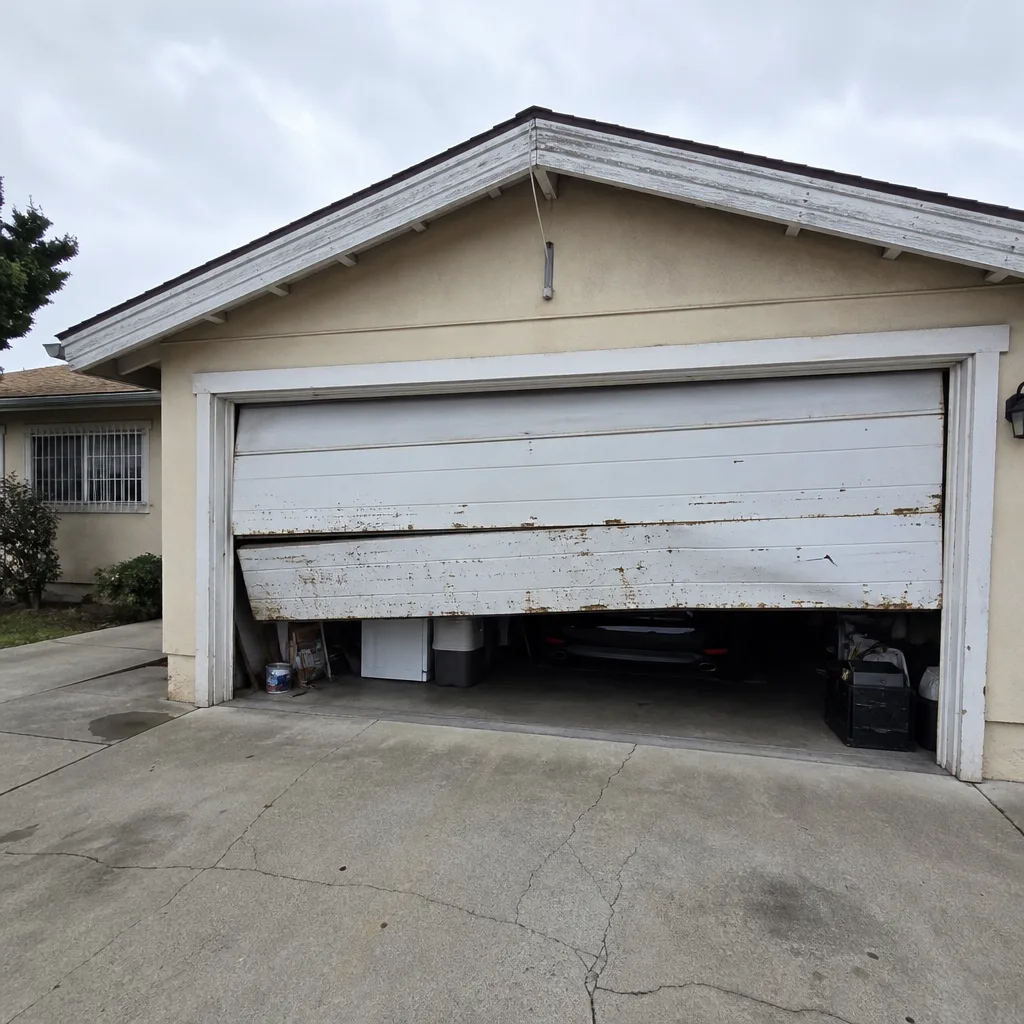 Before
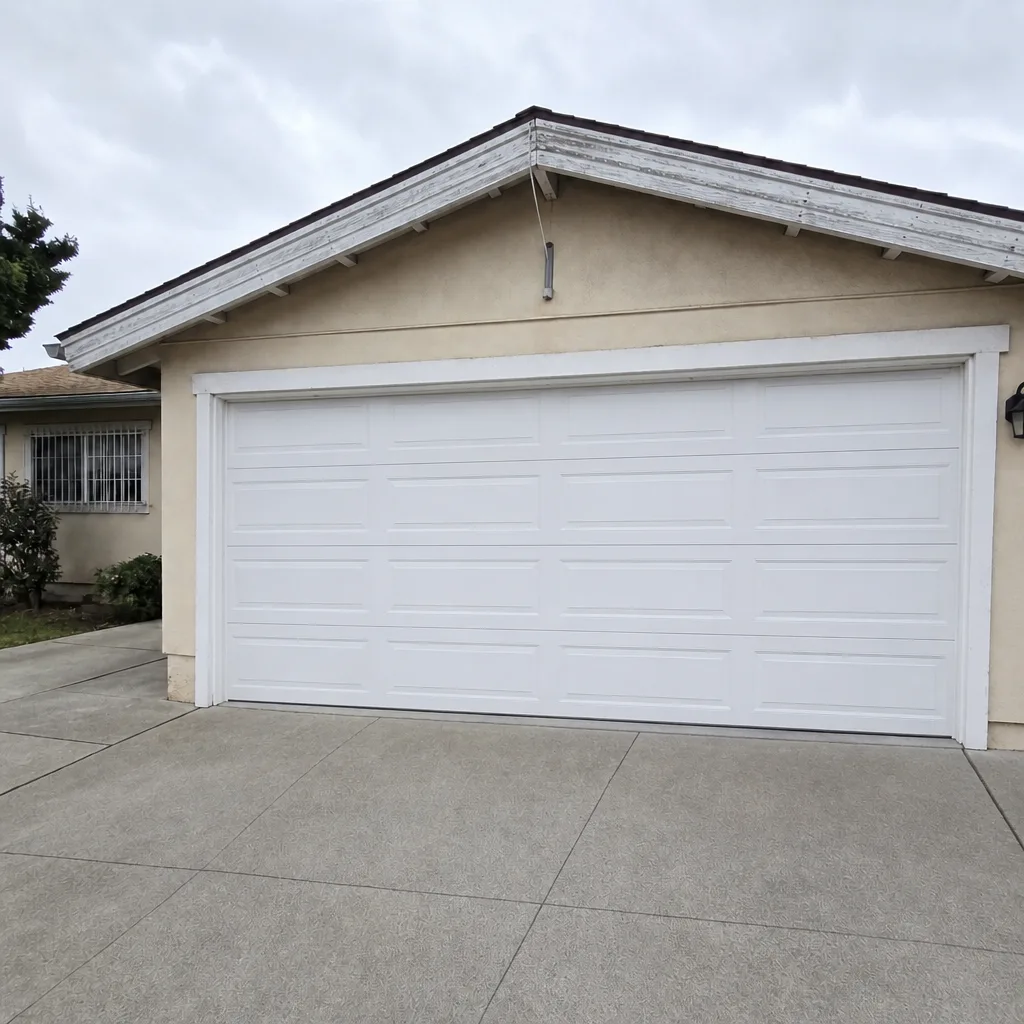 After
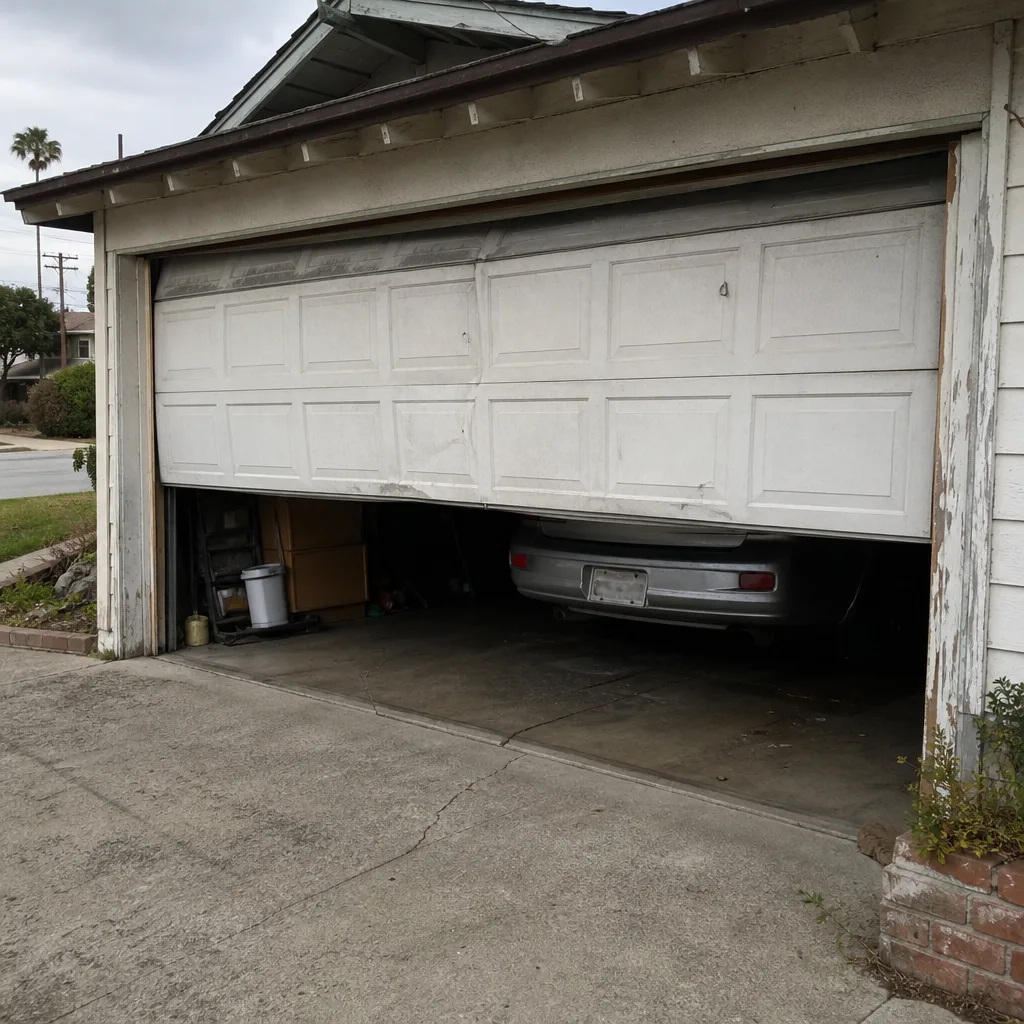 Before
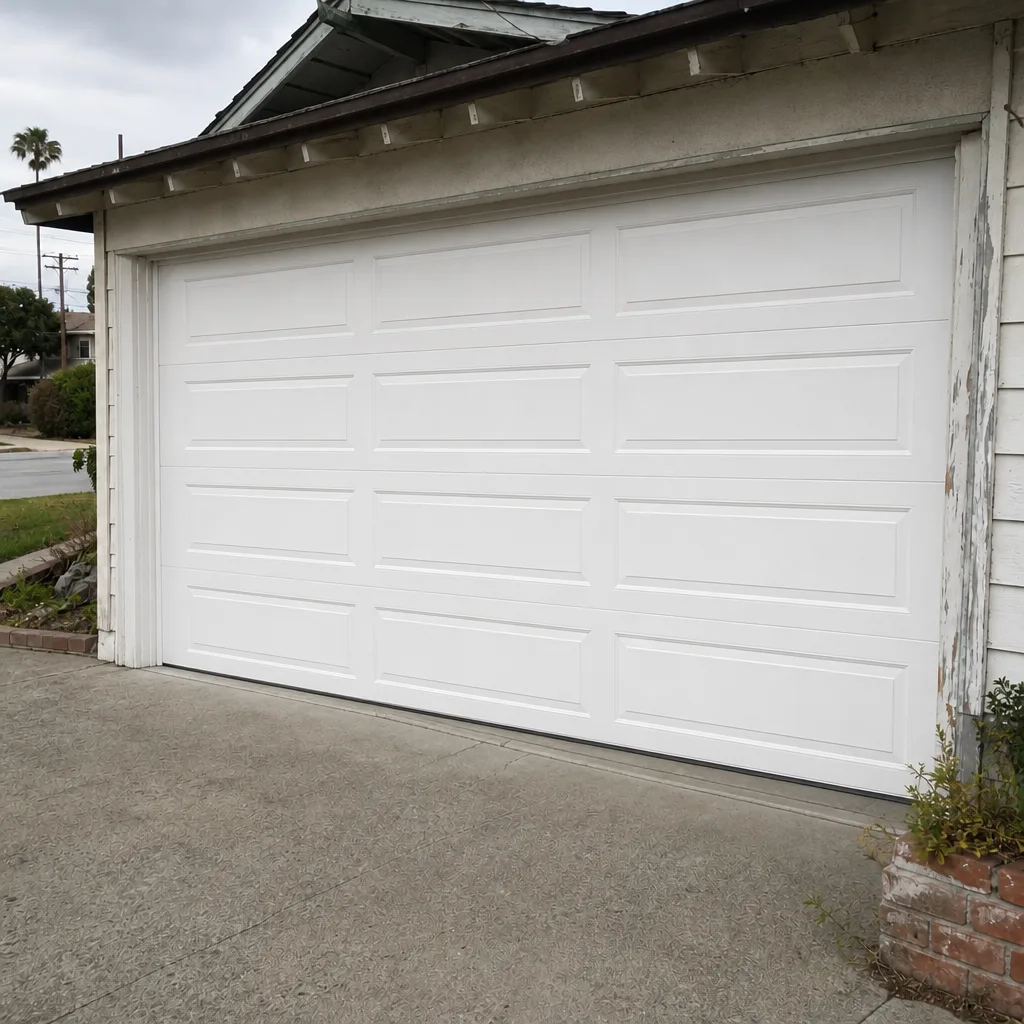 After
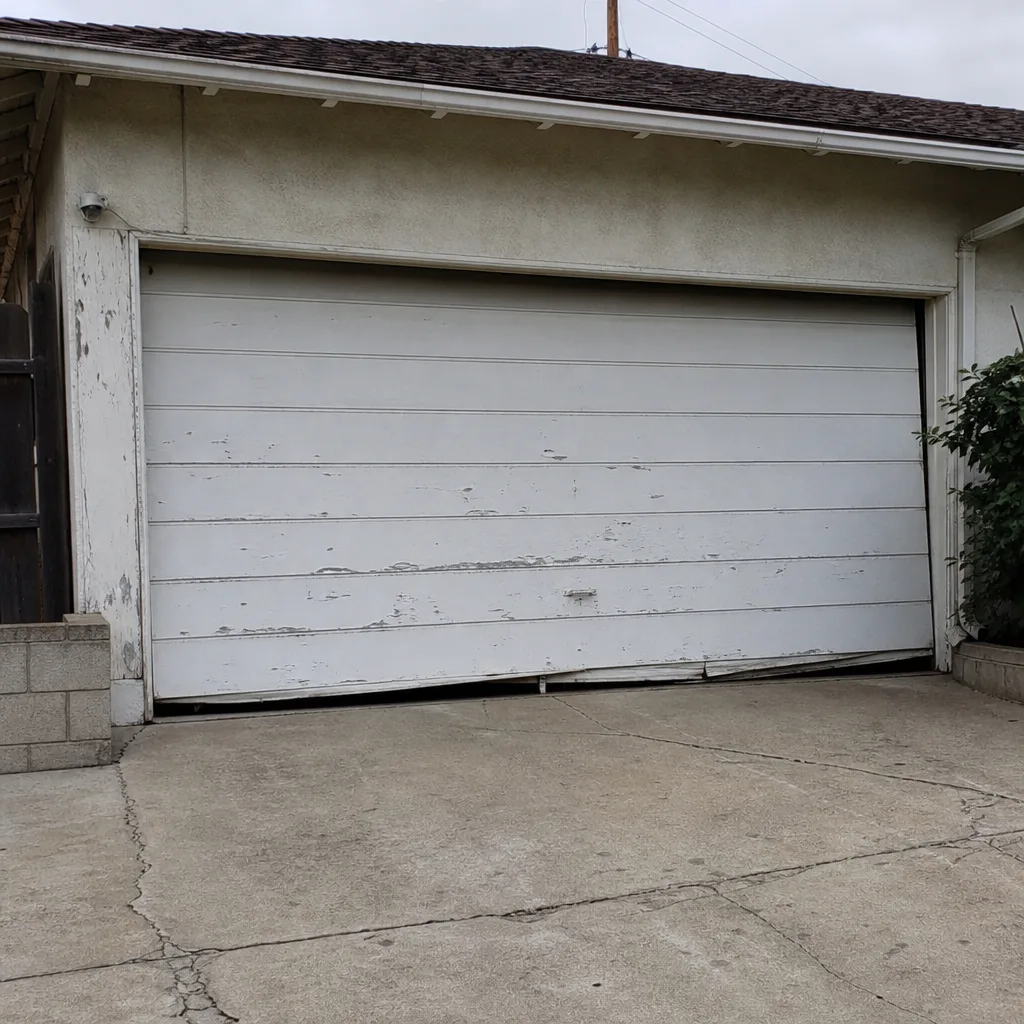 Before
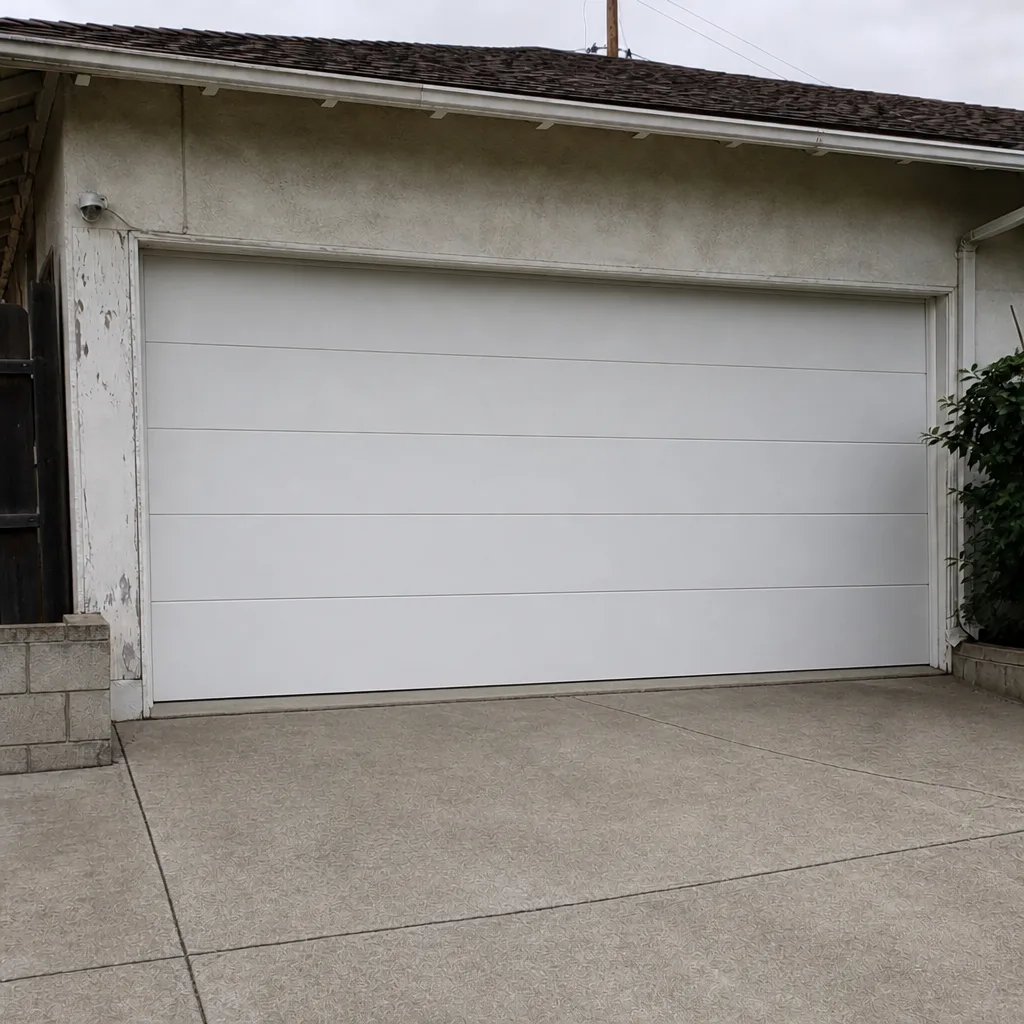 After