
Last updated November 4, 2026
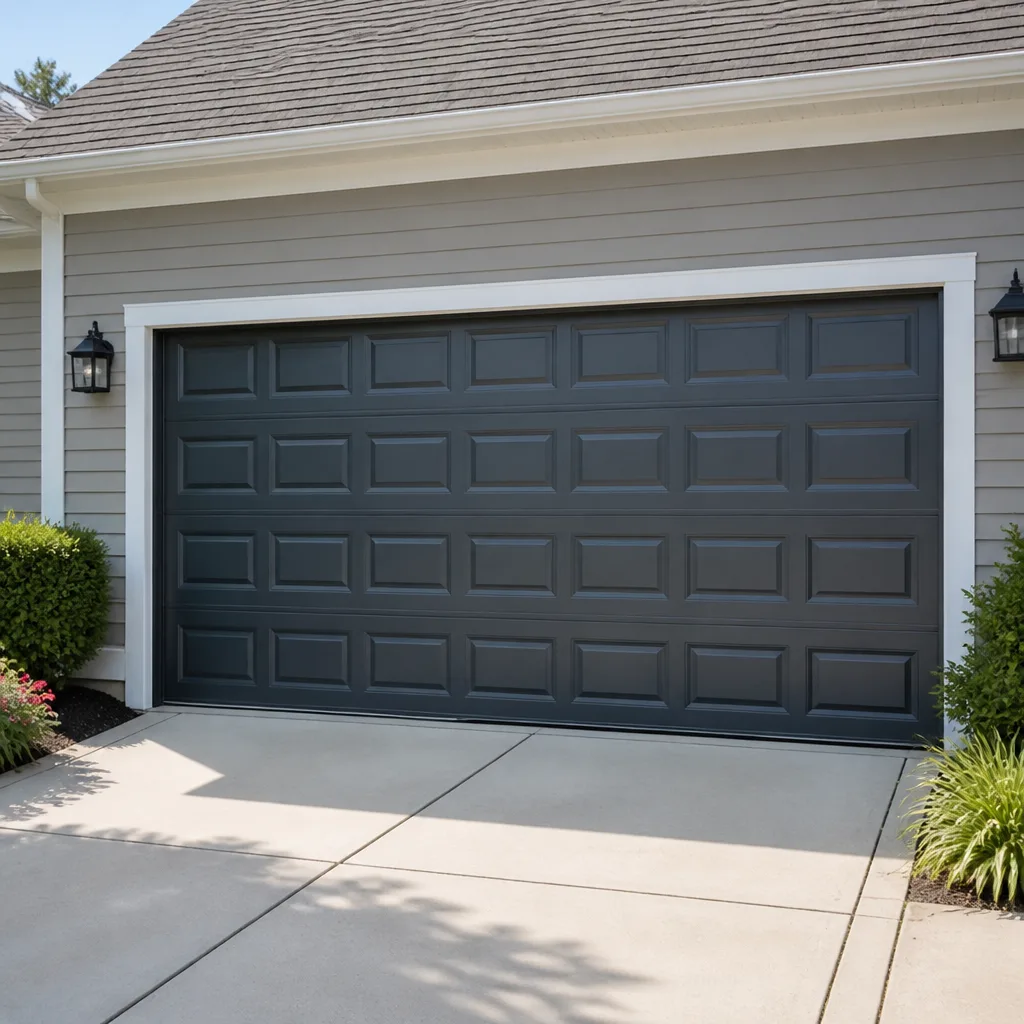 Raised-panel steel
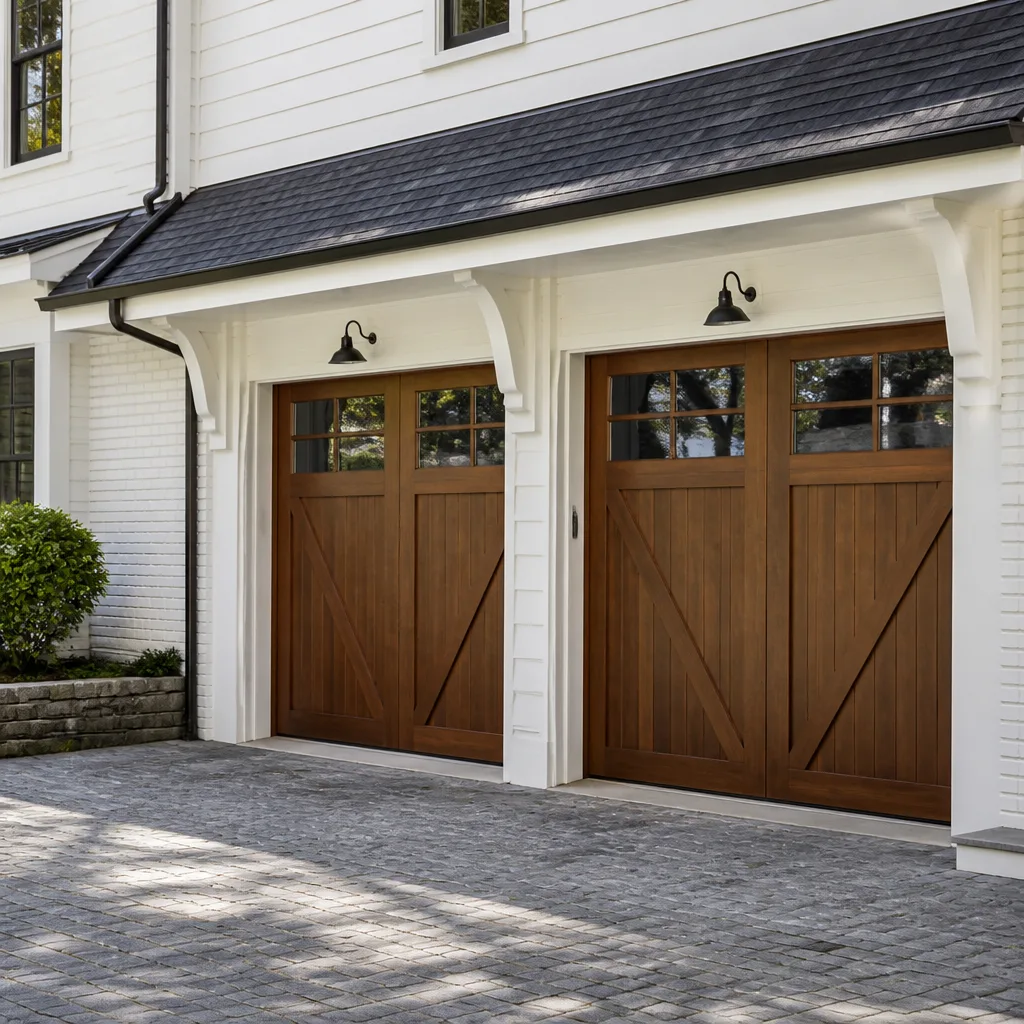 Carriage house
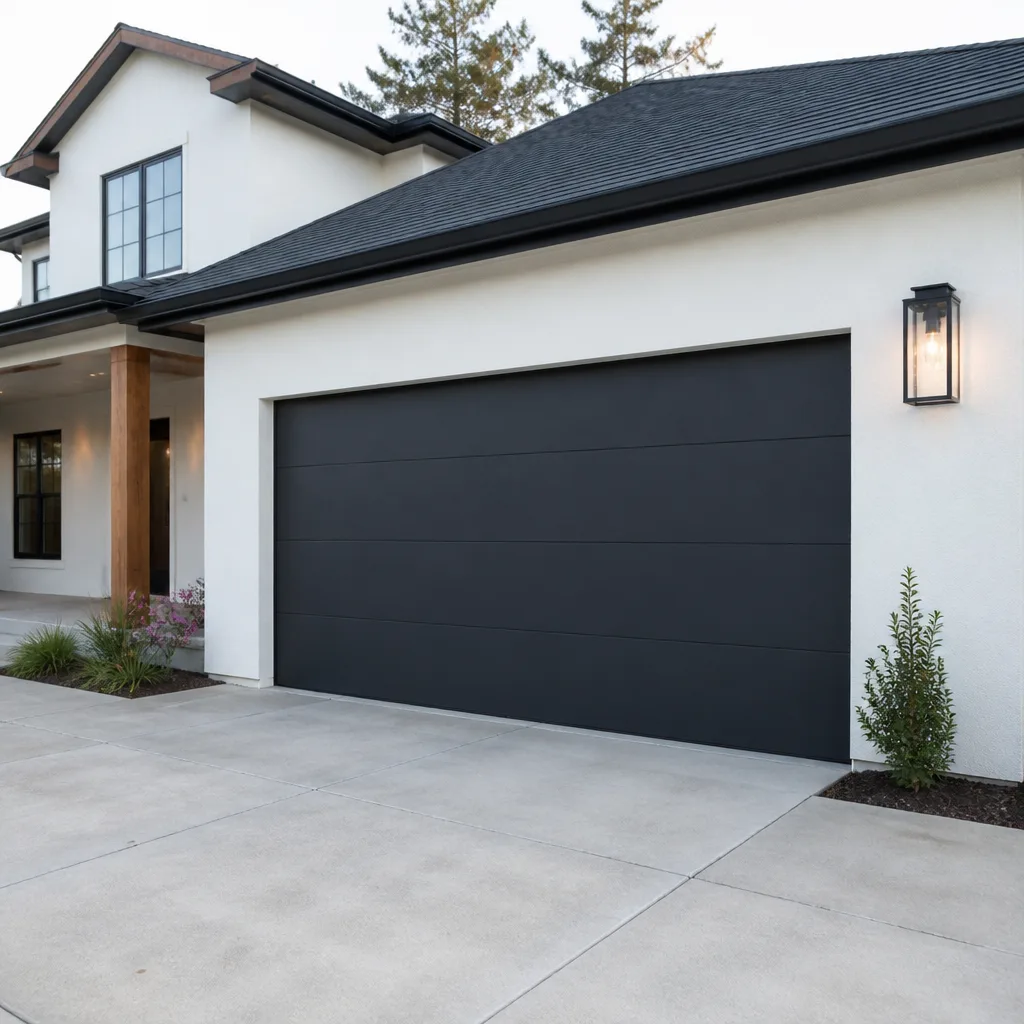 Modern flush
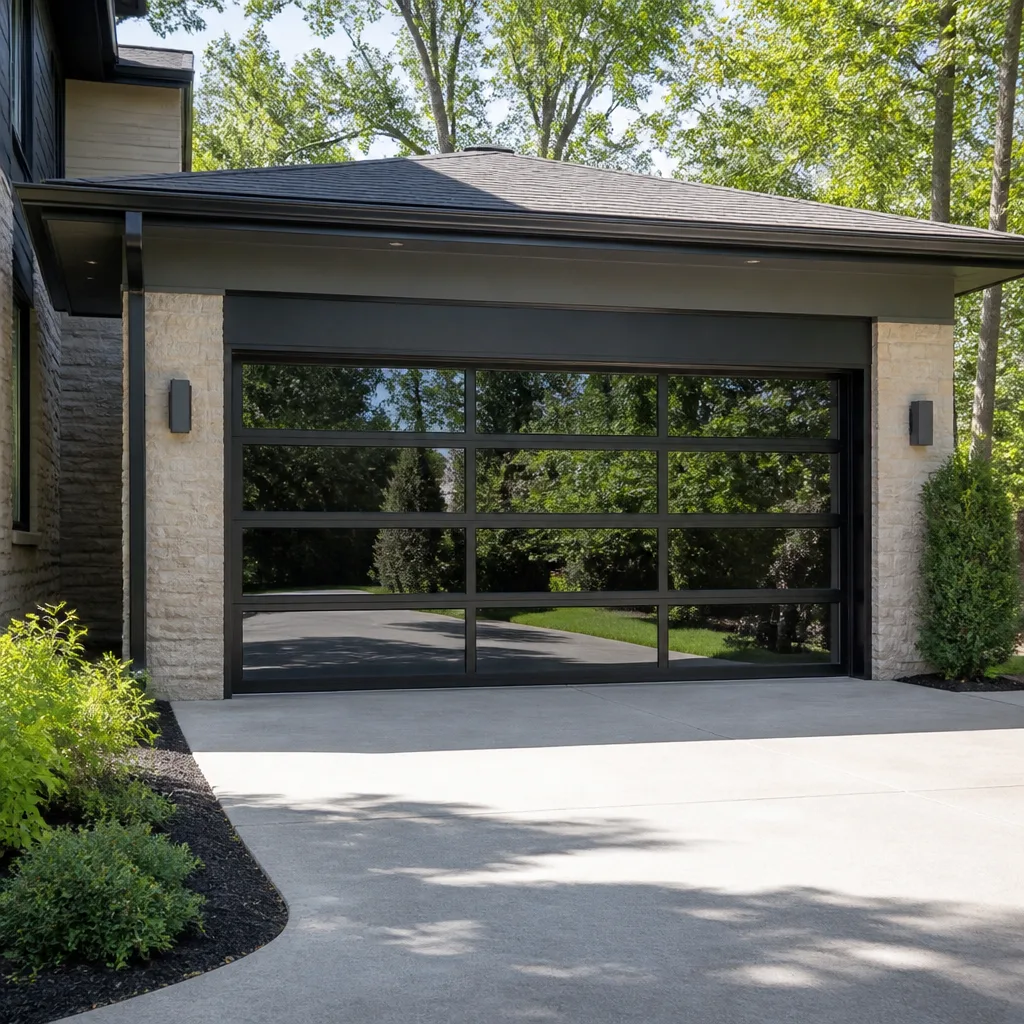 Full-view glass
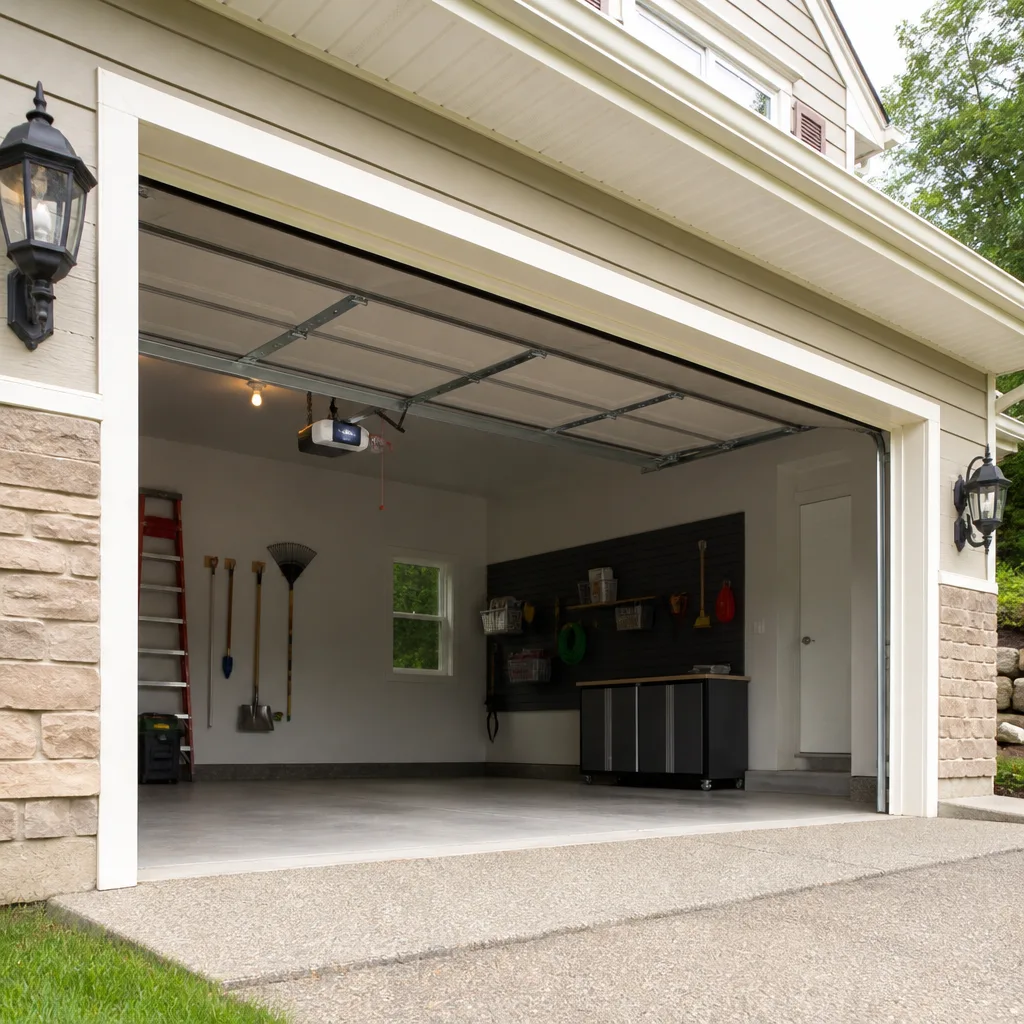 LiftMaster openers
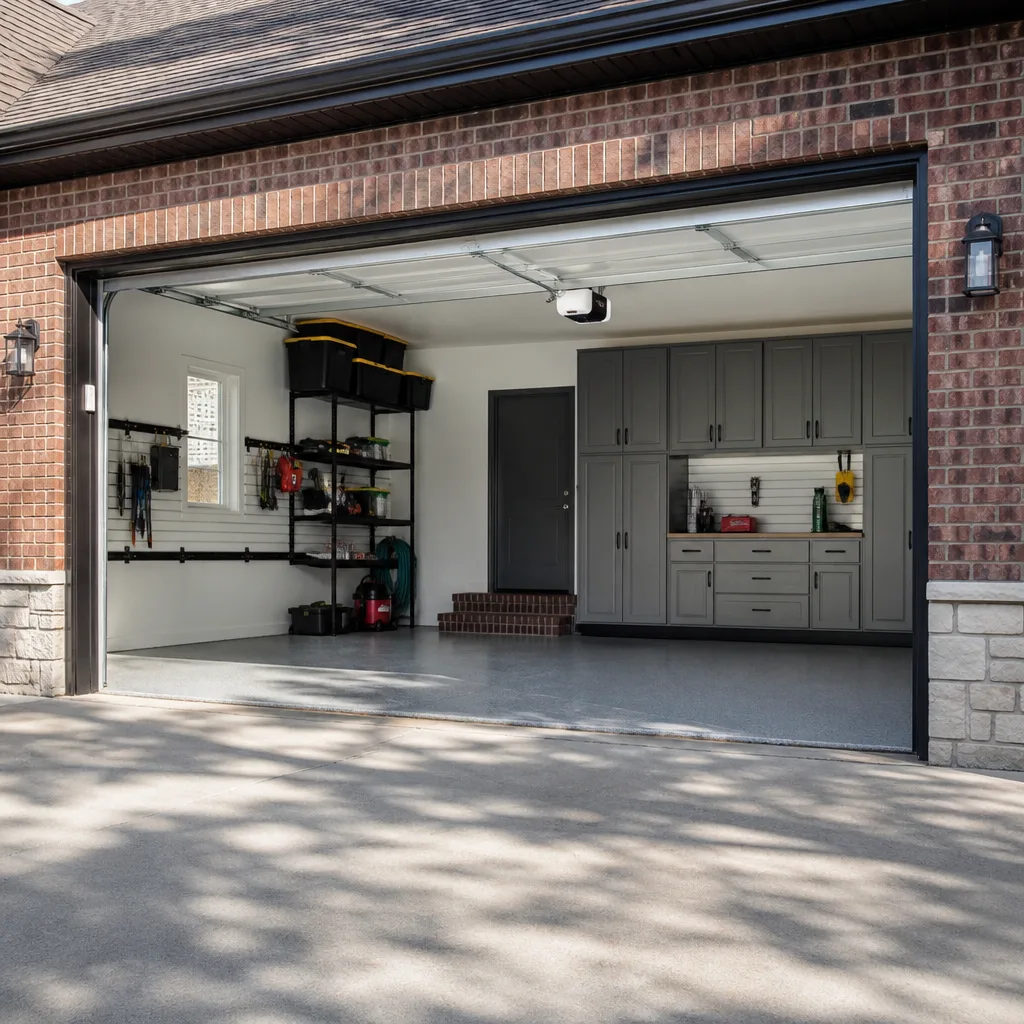 Chamberlain openers
Full 25-point door and opener safety check with every visit - springs, cables, rollers, tracks, and your LiftMaster or Chamberlain opener included
You get a price before we start. It does not change when the truck arrives.
Get your free estimateGarage Door Warning Signs: A Rosemead Homeowner’s Reference Guide
Most garage door failures in Rosemead don’t happen without warning. A door that hesitates for one second before moving is not just being slow. It’s a torsion spring that has lost enough tension that the opener is now dragging a door it was never meant to lift alone. That hesitation is the spring’s last warning before it snaps. This guide translates the sounds, sights, and behaviors your garage door exhibits into plain language, so you know which warnings let you schedule a repair at your convenience and which ones mean stop using the door today.
Styles & brands we work with
- Raised-panel steel
- Carriage house
- Modern flush
- Full-view glass
- LiftMaster openers
- Chamberlain openers
Quick Answer
Garage door warning signs fall into four categories: sounds (grinding, squealing, popping, rattling), visual cues (gaps, bowing panels, uneven reveal), opener behavior (slow starts, mid-travel reversals, remote range drop), and balance problems. Most failures announce themselves one to three weeks in advance. Learning to read those signals means you call for garage door repair before a snapped spring or burnt-out motor strands you with a door that won’t open.
Table of Contents
- Sound-by-Sound Diagnosis: What Your Garage Door Is Telling You
- Visual Warning Signs on the Door Itself
- Opener Behavior Flags: Slow Starts, Reversals, and Remote Range
- Use for a Week or Stop Immediately: How to Tell the Difference
- How to Photograph and Describe a Warning Sign Before You Call
- Rosemead-Specific Factors That Speed Up Wear
- Common Mistakes to Avoid
- When to Call a Professional
- Frequently Asked Questions
- The Bottom Line
Sound-by-Sound Diagnosis: What Your Garage Door Is Telling You
Every noise a garage door makes corresponds to a specific mechanical event. Here is what we listen for when a Rosemead homeowner describes a sound over the phone.
Grinding
A grinding noise almost always points to metal-on-metal contact without lubrication, or a bearing that has begun to fail. On a torsion spring system, the bearings inside the end plates wear down over years of use. Once the bearing surface is gone, the shaft spins against raw metal. On an opener, grinding often comes from the gear inside the motor housing. A Craftsman opener from the mid-2000s, for example, uses a plastic gear that strips over time and produces a distinct grind as the motor tries to turn. Grinding is a warning you can usually act on within a week, but not much longer. The parts are wearing fast once the sound starts.
Squealing
Squealing is typically a lubrication issue on the rollers, hinges, or the torsion spring itself. Metal rollers running dry inside a metal track squeal with every inch of travel. Nylon rollers squeal less but can still cry out when the ball bearings inside them run dry. A dry torsion spring also squeaks as the coils rub against each other during winding and unwinding. Squealing is a low-urgency warning for the first few days, but ignore it for a month and you risk scoring the track or seizing a roller, which turns a quick service call into a bigger repair.
Popping
A single, sharp pop is a torsion spring’s final sound. Not a warning, exactly. It’s the moment the spring breaks. But sometimes a spring begins to fail with a series of small pops or ticks as individual coils lose their seat. If you hear any popping from above the door, stop using it and call a professional. A broken spring means the door’s full weight now rests on whatever is holding it. The opener is not designed to lift that weight alone.
Rattling
Rattling generally means something is loose. Hinge bolts back out over years of vibration. A rattling panel is usually a hinge that has worked loose from its screws. A rattling track means the mounting brackets have pulled away from the wall. Rattling is a week-to-ten-day warning. The loose part is not dangerous by itself, but a loose hinge lets a panel flex, and a flexing panel can jump the track.
Thumping or Banging
A rhythmic thump during travel often means a roller has a flat spot or the door has come out of balance and is catching on one side. A banging sound when the door reaches the top or bottom of its travel points to missing or worn bumpers, or a travel limit set incorrectly. Either way, the door is hammering against its own hardware, and that accelerates every other component’s wear.
If you hear any of these sounds and you’re not sure what they mean, call (855) 382-3118. We answer 24/7. Fast dispatch from 7am to 7pm, Sunday through Friday. Describe the sound exactly how you hear it. You’ll get a free estimate before anyone rolls a truck.
Visual Warning Signs on the Door Itself
Some warnings are silent. You have to look for them. These visual cues show up on the door panels, the track, and the hardware, and each one points to a different root cause.
- Gaps at the top of the door. When the door is closed, look across the top edge. If one side sits tight against the header while the other side leaves a visible gap, the door has shifted out of level. This usually traces back to uneven spring tension or a cable that has stretched on one side. A door that closes unevenly puts more weight on one track, which leads to roller and track failure.
- Bowing panels. A panel that curves inward or outward is a structural problem. Often it means the door was operated while out of balance, and the opener pulled against the panel’s bracing rather than lifting the door as a unit. Bowing on an Amarr or Wayne Dalton door is not normal aging. It’s evidence of an underlying balance issue that needs correcting before the panel cracks through.
- Uneven reveal at the bottom. With the door fully closed, step back and look at the gap between the bottom of the door and the driveway. If one corner sits higher than the other, the door is out of square. This is a cable issue or a track that has shifted. Left alone, the door will eventually jam or come off its track entirely.
- Worn or chipped cables. The lift cables run along each side of the door. Look for fraying, kinks, or rust where the cable wraps around the drum. A frayed cable is a stop-use warning. Cables snap under tension, and a snapping cable can send the door crashing down on one side.
- Bent or misaligned tracks. Stand inside the garage and look down each vertical track. They should be straight and parallel. A bend or a widening gap between the track and the door means a roller has been fighting the track. This often follows a door that has been out of balance for weeks. Bent tracks are a repair priority because a door coming off its track is a messier and more expensive fix.
- Rust on the torsion spring. Surface rust on a spring is normal in Rosemead’s dry air, but deep pitting is not. Pitting creates weak points along the coil. Springs fail at their weakest point when the metal fatigues, and rust accelerates that process.
If you spot any of these, take a photo and send it or describe it over the phone. A clear description of a gap, a bow, or a frayed cable gives us enough to ballpark the repair before we arrive. For garage door repair in Rosemead, estimates are free and the price is set by written quote before any work starts.
Opener Behavior Flags: Slow Starts, Reversals, and Remote Range
The opener is the easiest component to read, because its behavior changes in specific, repeatable ways as parts wear out.
Slow starts
A door that pauses before moving, or starts with a visible strain, is telling you the opener is working harder than it should. The most common cause is a torsion spring that has lost tension. The opener was designed to assist a balanced door, not to deadlift one. Every slow start is the spring asking for retirement. A sluggish start can also point to a failing capacitor in the motor, which is a smaller fix, but the spring is the first suspect.
Mid-travel reversals
When a door starts up, stops midway, and reverses on its own, the opener’s safety or force settings are being tripped. The opener senses resistance and assumes something is in the way. In our experience, this is usually a balance problem: one side of the door is fighting the other, and the opener can feel the uneven load. Sometimes it’s a failing logic board, but you check the mechanical balance first. A Raynor door from the 1990s with original springs will reverse at the same point every time until those springs are replaced.
Remote range drop
A remote that used to work from the end of the driveway and now only works from inside the garage is a signal, not a coincidence. In many cases, the opener’s receiver board is slowly failing. Older Craftsman units, particularly the belt-drive models from the early 2010s, are known for this. Before replacing a remote or blaming the battery, consider that the receiver may be the problem. A drop in range can also be interference from a new LED bulb in the opener unit itself, which is a quick fix and worth checking before calling for garage door opener repair.
Repeated clicking with no movement
A click from the opener with no door movement usually means a stripped gear, a broken sprocket, or a failed capacitor. The motor wants to run. The drive train is not engaging. On Chain-drive openers, the sprocket on top of the motor wears down and the chain slips. On belt-drive units, the belt itself can strip. Either way, the opener is done until that component is replaced.
Door runs after you release the button
If the door keeps moving for a second or two after you release the wall button, the opener’s limit settings have drifted, or the logic board is failing. This is less urgent than a reversal, but it’s a sign the opener is losing its calibration. It will only get worse.
Use for a Week or Stop Immediately: How to Tell the Difference
Not every warning sign means drop everything and call this afternoon. But some do. Here is a plain-language guide to urgency.
You can typically keep using the door for up to a week
- Squealing rollers or hinges. Annoying, but not an immediate failure risk. Lubrication may buy you a few days.
- Rattling from loose hardware. Loose hinge bolts or track brackets are a repair priority, but the door is usually stable for a few days of light use.
- Slow starts that last under a second. A mild hesitation suggests a spring losing tension gradually. Schedule a repair this week.
- Remote range drop. Inconvenient, but the door still opens. The opener’s receiver will likely keep degrading, so don’t put it off for a month.
Stop using the door immediately and call
- A snapped or frayed cable. A cable under tension can let go without warning. A door with one snapped cable has no lift support on that side.
- A broken torsion spring. You will usually hear it. The door now weighs its full amount and the opener cannot handle it.
- A door that has come off one track. Continuing to run it will bend panels, snap cables, and possibly drop the door onto whatever is beneath it.
- A bowing panel that is getting worse week over week. A panel under stress eventually cracks. After that, it’s a full panel replacement, not a repair.
- Any popping sound from the spring assembly. That’s the final warning. Treat it as an emergency.
If you’re unsure which category your door falls into, describe what you’re seeing or hearing. We can usually tell you over the phone whether it’s a schedule-it-this-week situation or a stop-using-it-now situation. We work on every major brand, including Chamberlain, Genie, and LiftMaster, so the brand you own won’t slow down the diagnosis.
How to Photograph and Describe a Warning Sign Before You Call
You don’t need to become a technician to get an accurate estimate. You need to capture the right information in a photo and use the right words on the phone. Here is a step-by-step approach that works.
- Photograph the full door from inside the garage. Stand back far enough to get the whole door in frame. This shows us the type of door, the track configuration, and the spring system.
- Photograph the specific problem area up close. If you see a frayed cable, get within a foot of it. If a panel is bowing, shoot it from the side so the curve is visible. If a track is bent, show the bend from the front and from above.
- Photograph the spring assembly. With the door closed, stand on a ladder and shoot the torsion bar above the door. A clear photo of the spring tells us its size, mounting type, and condition.
- Photograph the opener unit and the brand label. The brand and model number are on a sticker on the motor housing. This matters because a Raynor opener and a Craftsman opener use different parts and different troubleshooting steps.
- On the phone, describe the sound in everyday language. Say “it grinds when it goes up” or “it pops when it reaches the top.” Don’t worry about using the right term. We will ask follow-up questions that pin down the cause.
- Describe when the problem started and whether it has changed. “It started squealing two weeks ago, and yesterday it started thumping too” tells us the problem is progressing and gives a better estimate of the repair.
This is the fastest way to get a free, accurate estimate before anyone rolls a truck. The written quote is the price, set and agreed before work begins.
Rosemead-Specific Factors That Speed Up Wear
Rosemead’s climate and housing stock shape which garage door problems we see most often. Understanding these local factors helps you read your door’s warning signs with more context.
Winters here are mild. We do not deal with freeze-thaw cycles, ice, or snow load. That means the seasonal spring failures you see in colder parts of the country are less common in Rosemead. What we see instead is steady, year-round use. Garage doors in Rosemead open and close multiple times a day, every day, without a winter break. That constant cycling wears springs and rollers on a predictable schedule regardless of the season.
Many Rosemead homes were built between the 1950s and the 1980s. The original garage doors on those houses, if they are still in place, are steel or wood with original tracks and hinges. Springs last roughly ten thousand cycles on average, and a door used four times a day passes that mark in about seven years. Many of the doors we see in Rosemead are well past that point. The warning signs are there, but they build so gradually that homeowners stop noticing them.
The dry air here also plays a role. Low humidity means less rust than coastal areas, but it also means lubrication evaporates faster. Metal rollers and hinges in Rosemead dry out and start squealing sooner than they would in a more humid climate. A dry roller is the most common early warning sign we hear about, and it is also the easiest one to fix early and the most expensive to ignore.
For homeowners across Rosemead, from the neighborhoods near Rosemead Boulevard to the streets around the San Gabriel border, the same pattern holds: doors get used daily, springs age, and the warning signs are consistent. Whether you own an Amarr steel door or an original Wayne Dalton from decades ago, the signs translate the same way.
Common Mistakes to Avoid
- Ignoring a squeal because “it still works.” Squealing means lubrication is gone or bearings are failing. A door still works right up until the moment it doesn’t, and the repair is always bigger after the failure than before it.
- Adding more tension to a spring that is already tired. You cannot adjust a torsion spring safely without winding bars and experience. Springs store enormous tension, and a spring that lets go during adjustment can cause serious injury. This is a job for a trained professional, never a DIY fix.
- Replacing the remote when the receiver is the problem. A new remote will not fix a failing logic board. If the range drops on one remote, try the battery. If it drops on two remotes, the opener is the problem.
- Running a door with a visible cable fray. A frayed cable is a stop-use warning. Every cycle brings it closer to snapping, and a snapped cable under tension is dangerous.
- Lubricating a noisy spring instead of replacing it. A squeaky spring is usually a tired spring. Lubrication quiets the symptom for a few days but does not restore tension. The spring is still going to break.
- Assuming a mid-travel reversal is a sensor problem. Sometimes it is. But more often, the opener is reversing because the door is out of balance and the opener senses resistance. Adjusting the sensors won’t fix a balance problem.
- Waiting until a door completely stops to call. The loudest warning sign is the one you hear for weeks before the failure. Calling when you first notice a sound or a visual change means a smaller repair, not a bigger one.
When to Call a Professional
You should call a professional the moment you hear a popping sound from the spring assembly, see a frayed cable, notice a door that has shifted out of level, or observe a panel bowing under stress. You should also call if your opener is reversing mid-travel, grinding, or losing remote range on multiple remotes. These are not conditions that fix themselves, and several of them are dangerous to work around.
Garage Door Repair Rosemead offers free estimates in Rosemead. Call (855) 382-3118. We answer 24/7. Fast dispatch from 7am to 7pm, Sunday through Friday. Describe what you are seeing or hearing, and we will tell you whether the repair is urgent or can be scheduled at your convenience.
Frequently Asked Questions
The most common warning signs are grinding or squealing during travel, slow starts, a door that looks uneven when closed, rattling from loose hardware, and a remote that works only from close range. Each of these points to a specific mechanical cause, and most are repairable if caught early. Call (855) 382-3118 for a free estimate.
A spring about to break usually gives two warnings: the door hesitates before moving, and the door looks uneven when closed, with one side sitting lower than the other. You may also hear small pops or ticks from the spring assembly. If you notice any of these, stop using the door and call for a spring inspection right away.
A garage door that reverses mid-travel is usually out of balance, and the opener senses the uneven resistance and reverses to protect the system. Less commonly, it is a failing logic board or a sensor that has drifted out of alignment. We check the balance first because that is the most likely cause and the one that leads to bigger failures if ignored.
You can keep using it for a short time, but not for long. Grinding means metal-on-metal contact or a failing bearing, and every cycle makes it worse. You have a window of about a week before the sound becomes a breakdown. Schedule a repair now and avoid a larger bill later.
Spring repair in the Rosemead area typically costs between $180 and $340 for one torsion spring, and most doors have two springs that are replaced as a matched pair. The final price depends on the spring size, door weight, and whether the springs are torsion or extension type. Call (855) 382-3118 for an exact quote. Estimates are free and the written quote sets the price.
Yes. We work on the brand you already own. Our technicians are factory-familiar with eight major brands, including Amarr, Wayne Dalton, Craftsman, and Raynor, so brand-specific issues get diagnosed faster and the right parts get sourced without guesswork. Garage doors are all we do.
No. The price is quoted and agreed in writing before any work starts. If we find additional issues during the repair, we stop and discuss them with you before proceeding. The written estimate is the price you pay for the work described in it.
The Bottom Line
Your garage door talks to you every time it opens and closes. The sounds it makes, the way it sits when closed, and the way the opener behaves are all signals that something specific is happening inside the system. Read those signals early and you get a smaller repair. Ignore them and you get a snapped spring, a dropped door, or a burnt-out opener at the least convenient moment. If something about your door has changed recently, call (855) 382-3118. We answer 24/7. Fast dispatch from 7am to 7pm, Sunday through Friday. The estimate is free, the price is set before work begins, and the repair gets done right.
Written by the team at Garage Door Repair Rosemead, serving Rosemead since 2015.
See the difference
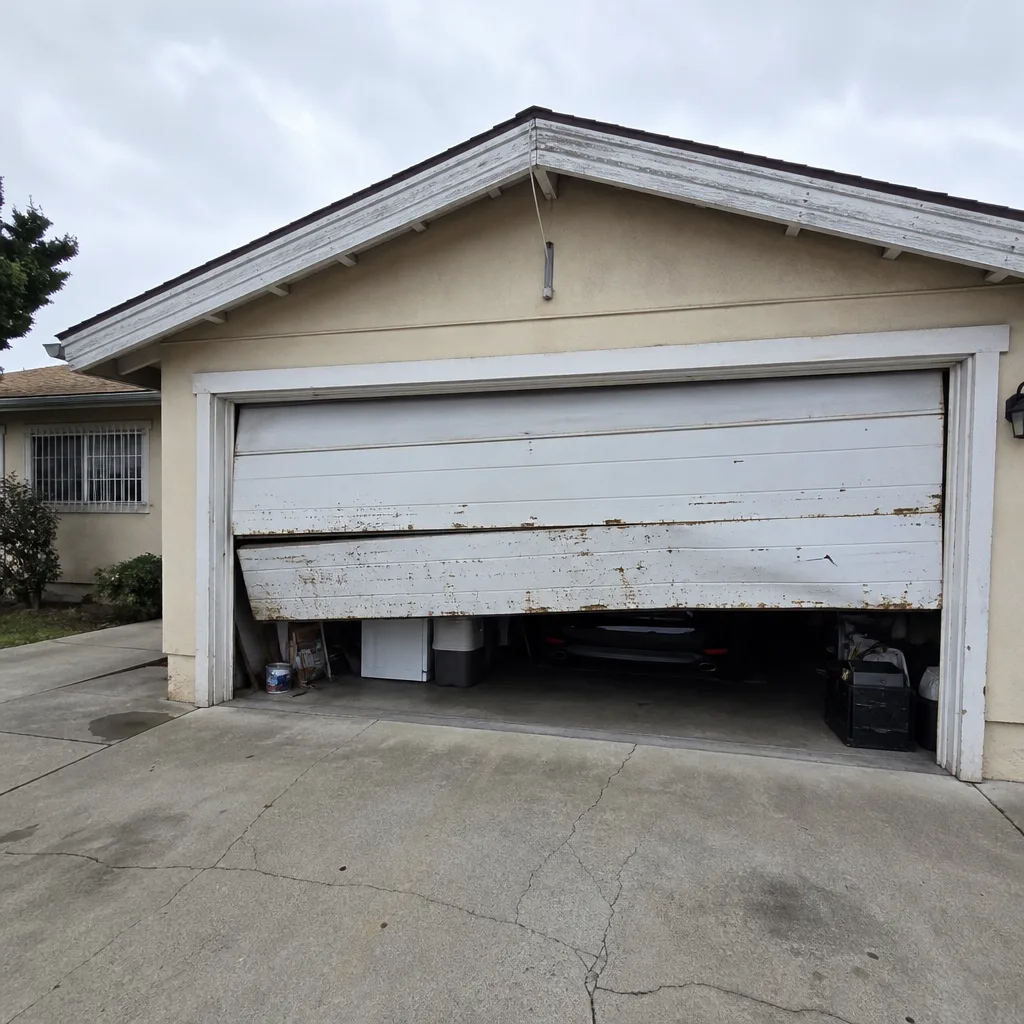 Before
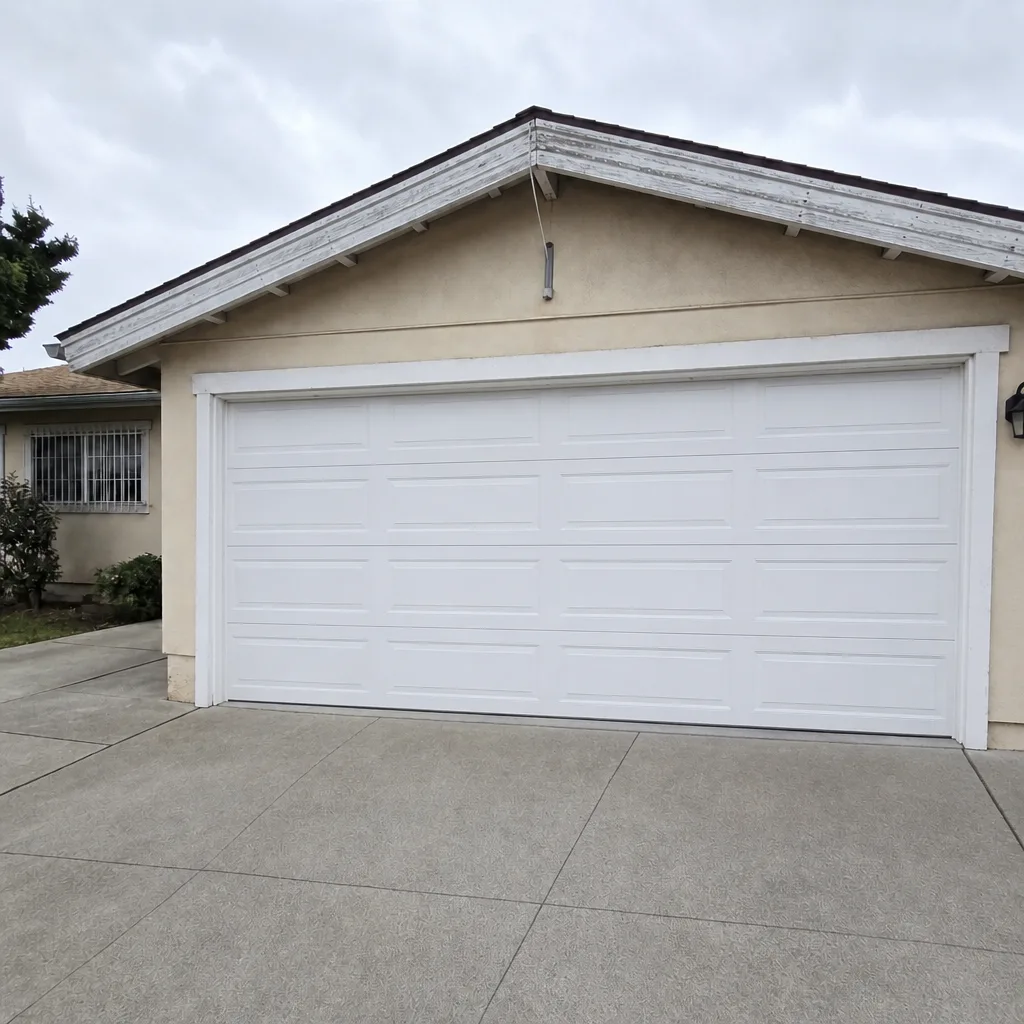 After
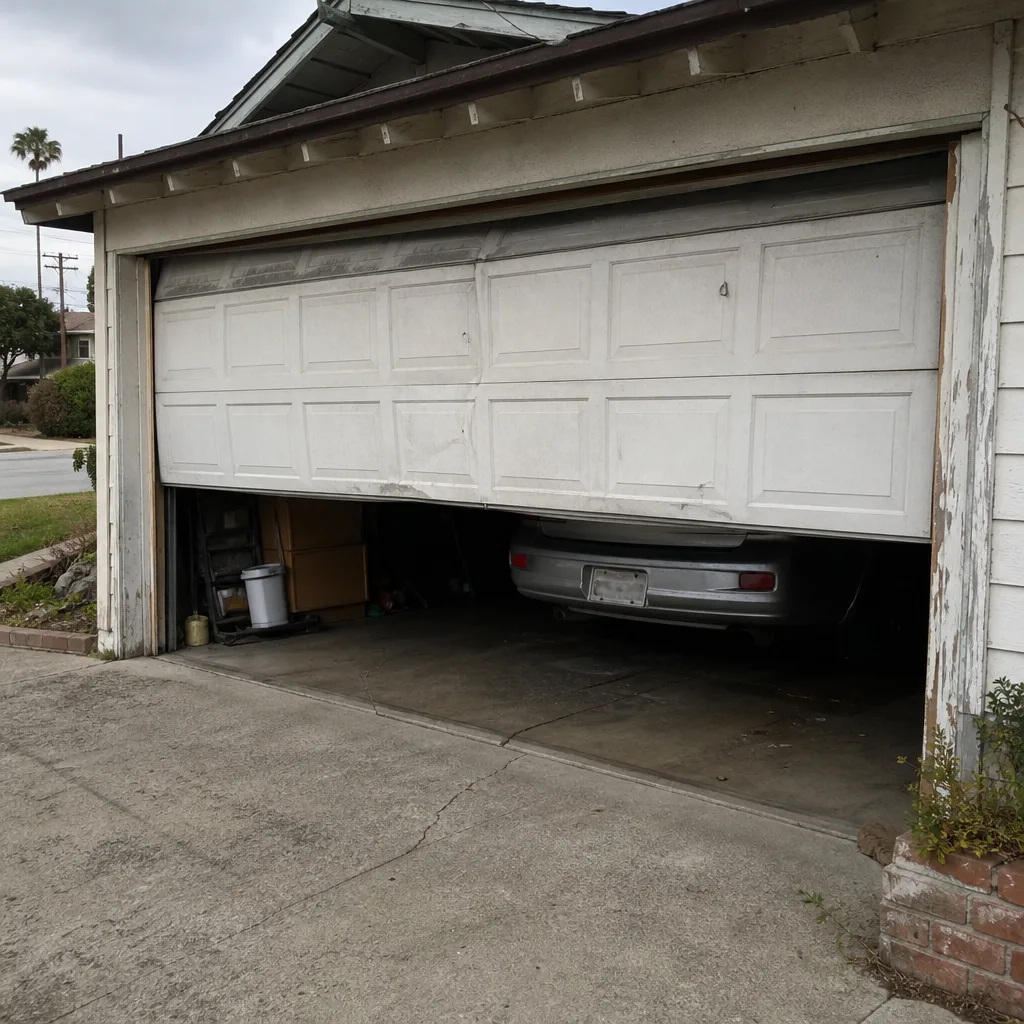 Before
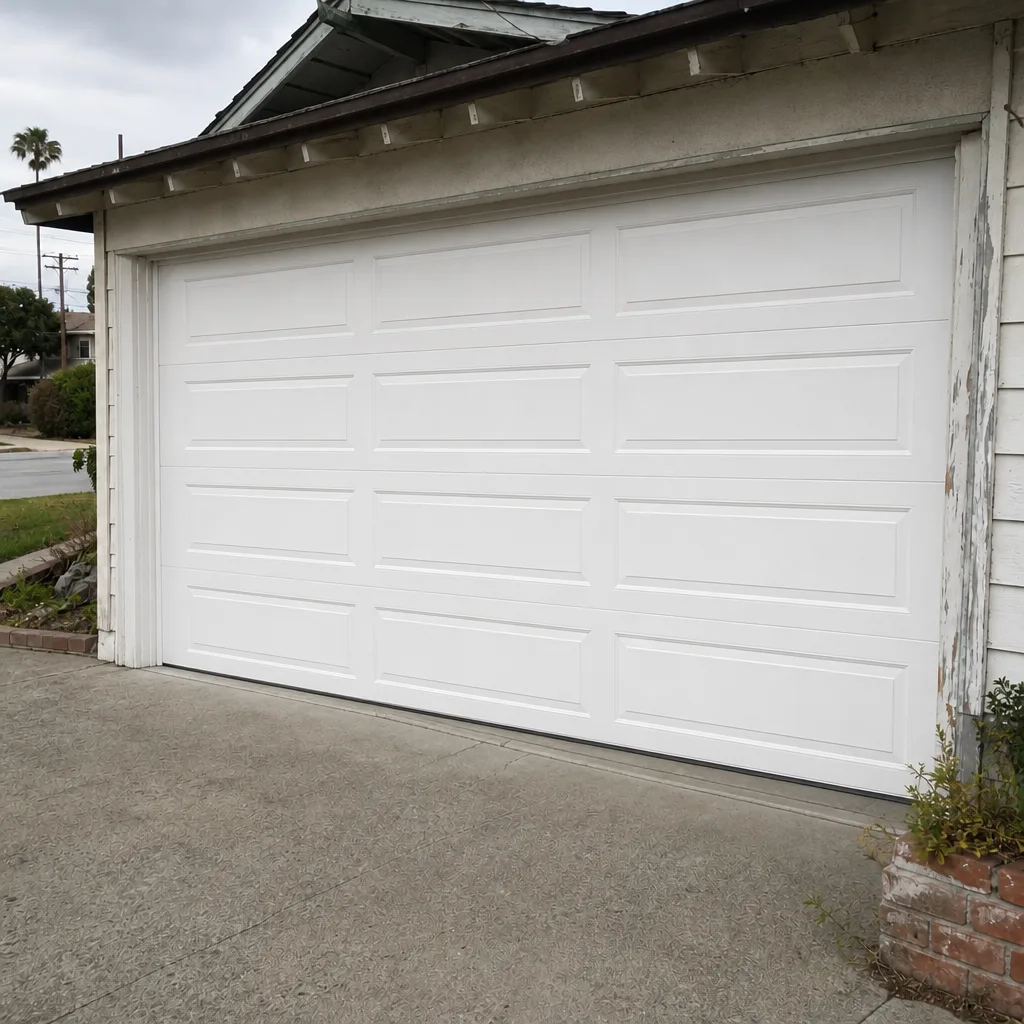 After
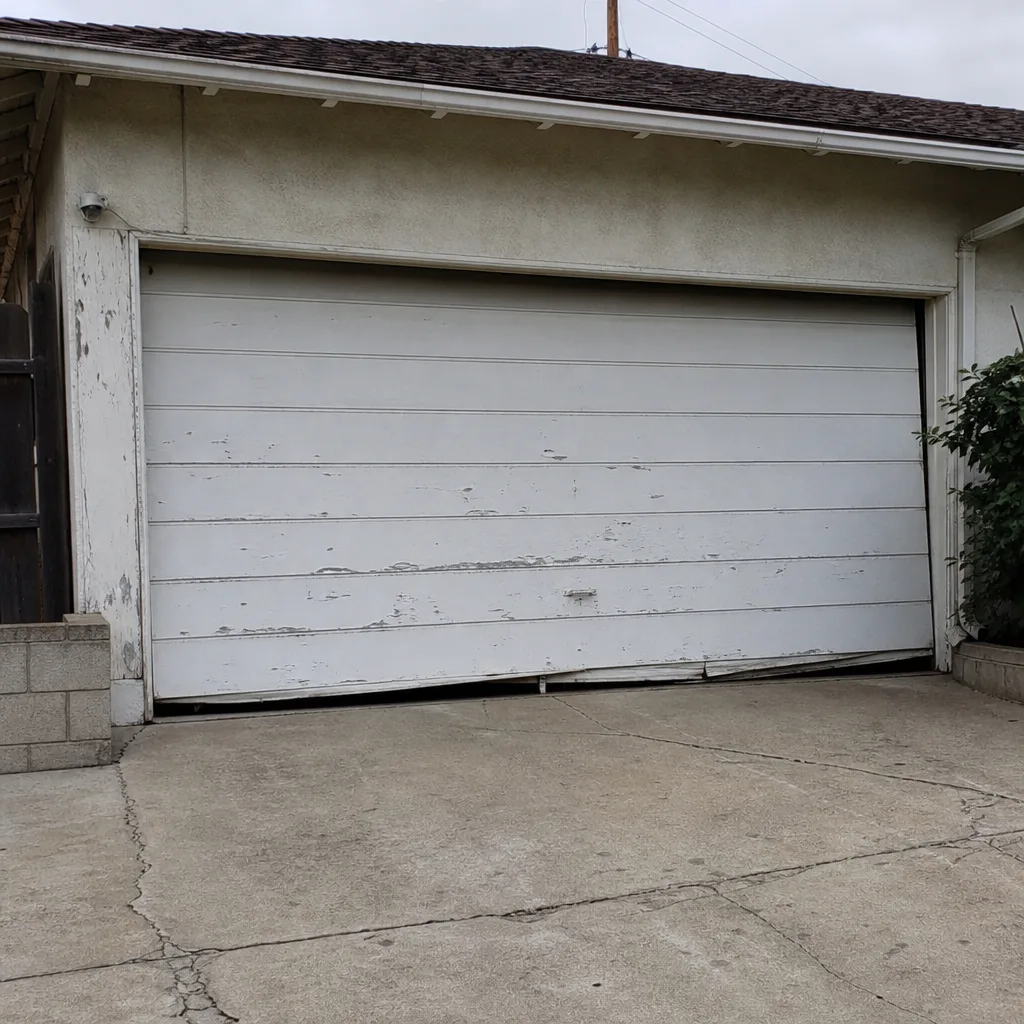 Before
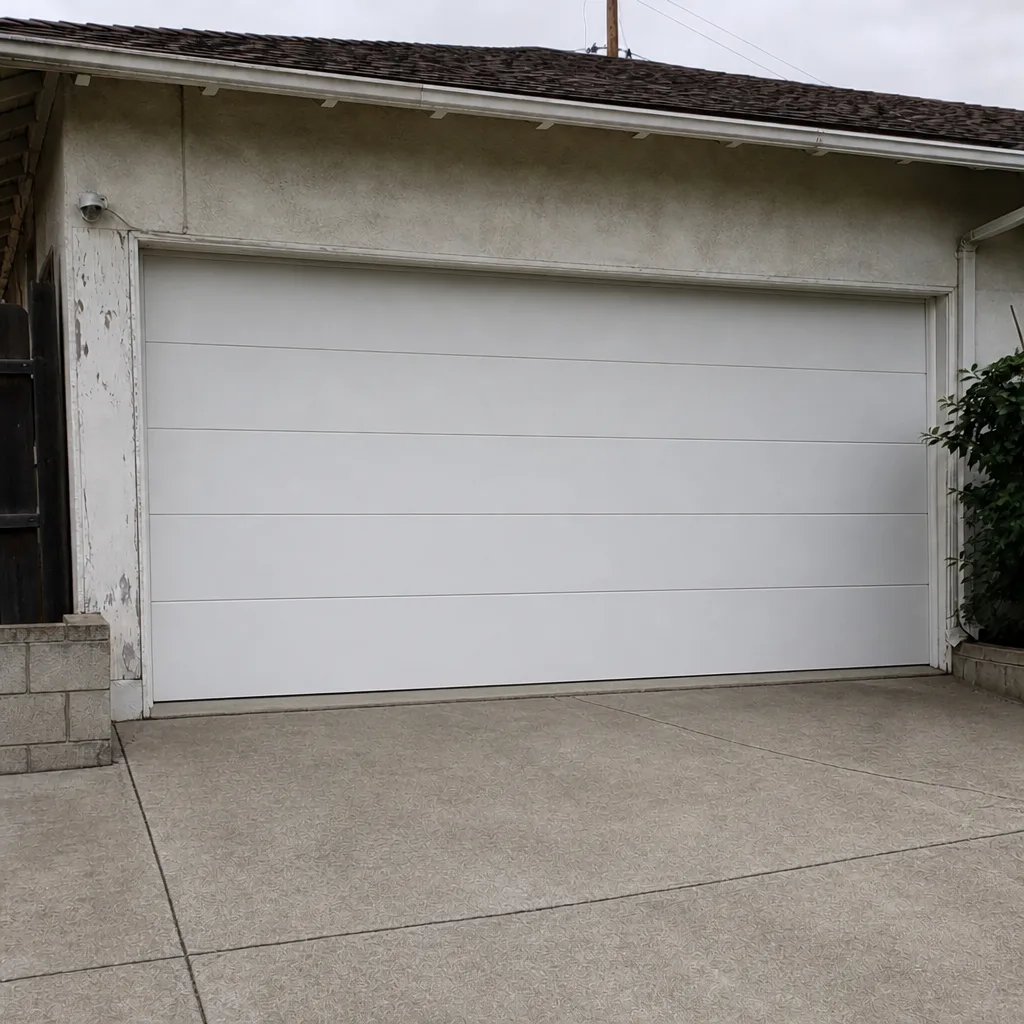 After