
Last updated November 4, 2026
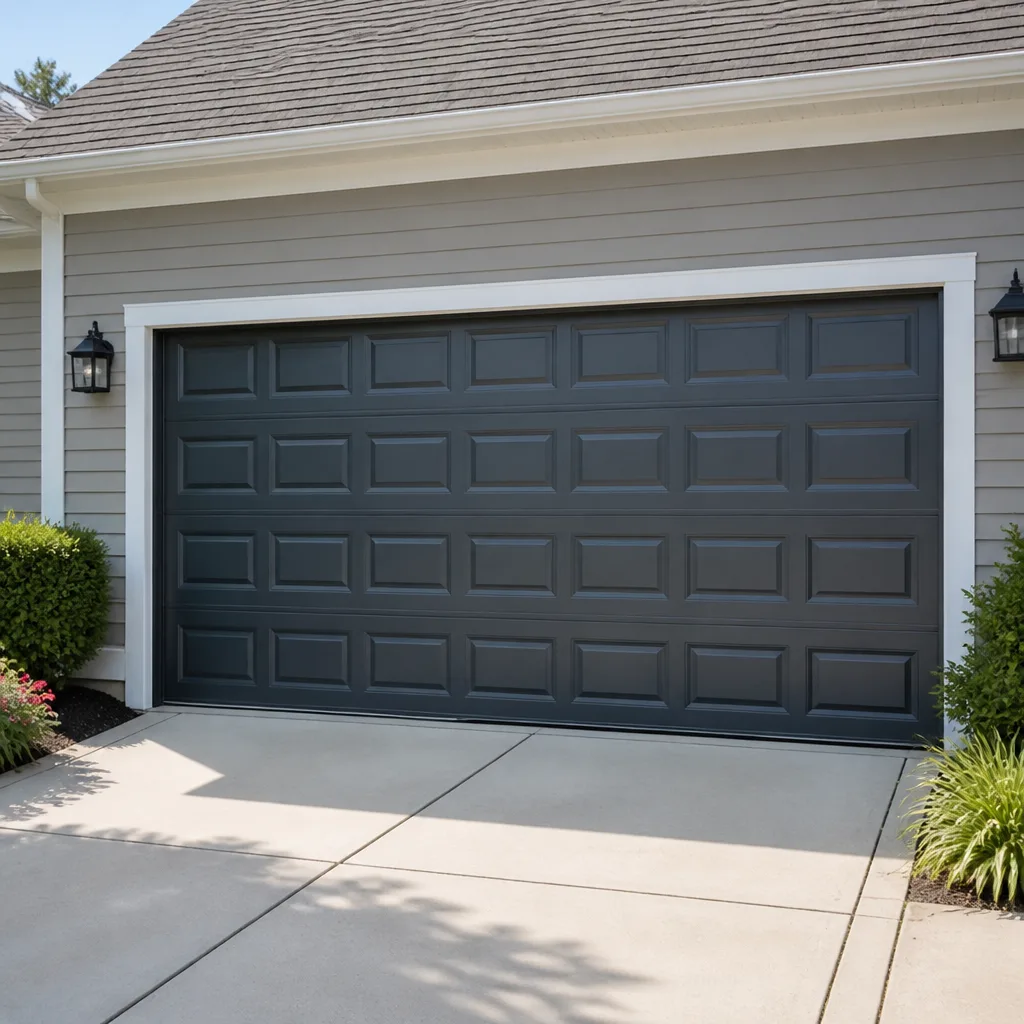 Raised-panel steel
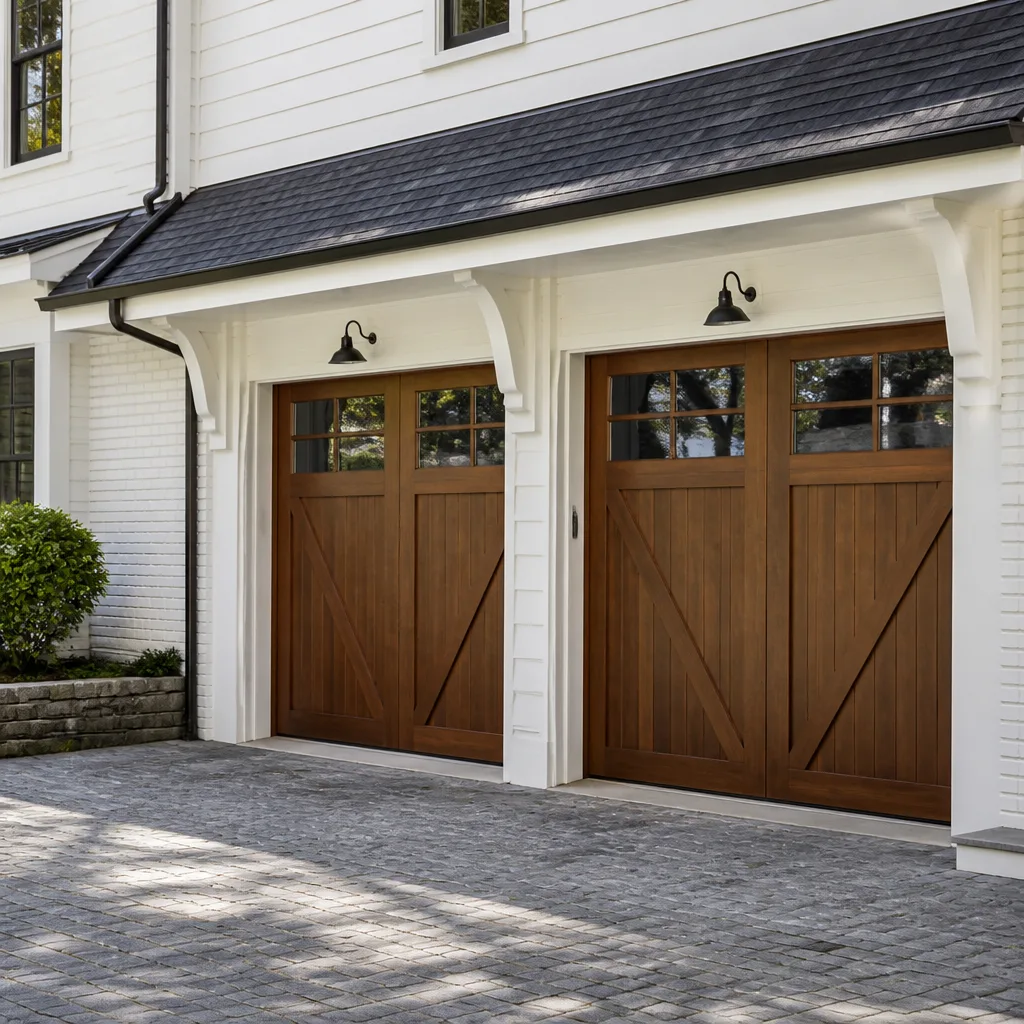 Carriage house
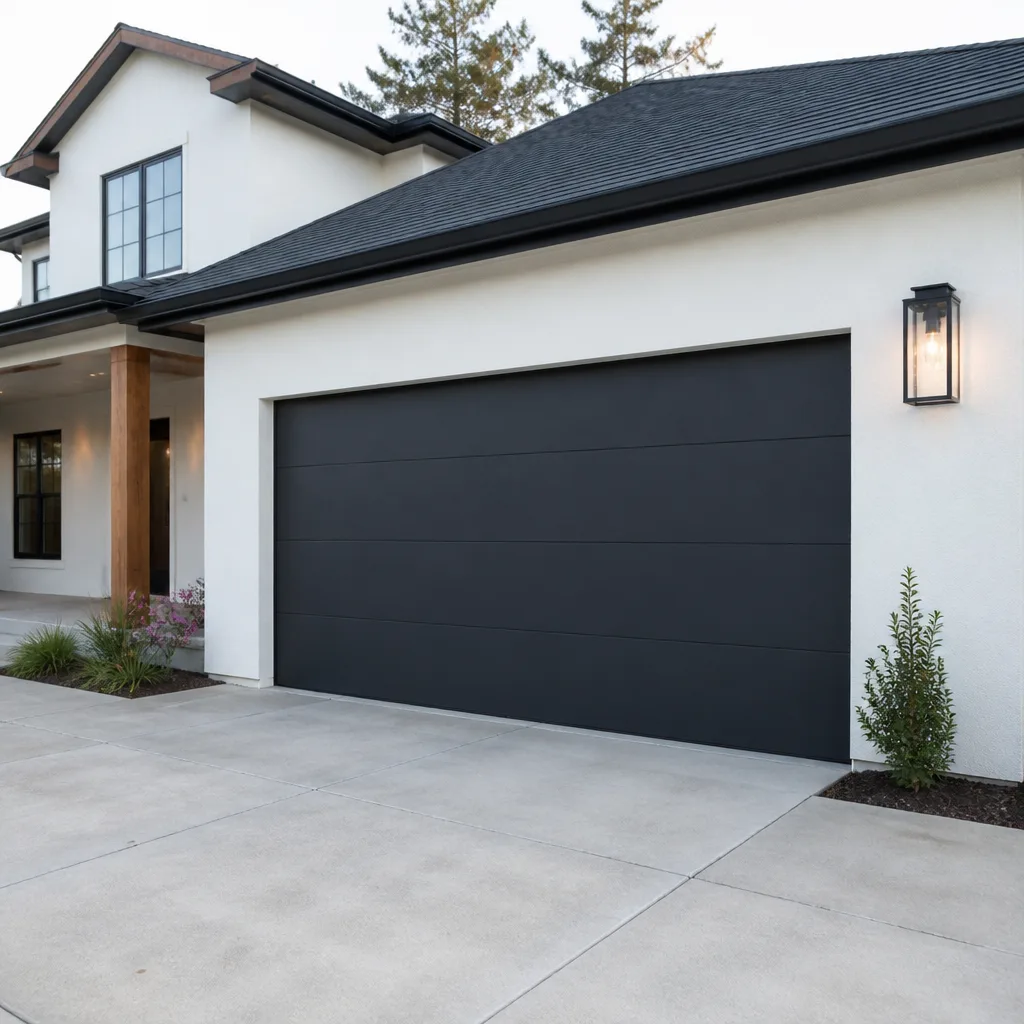 Modern flush
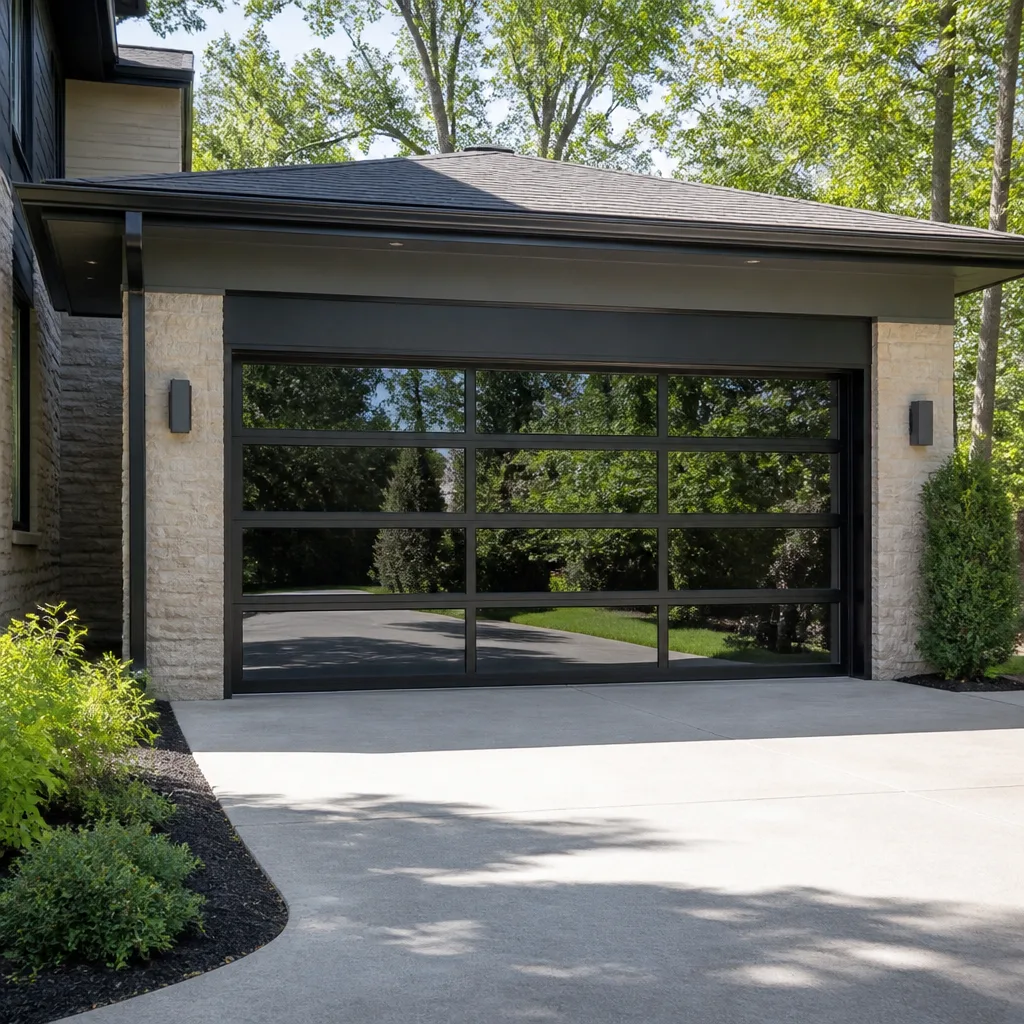 Full-view glass
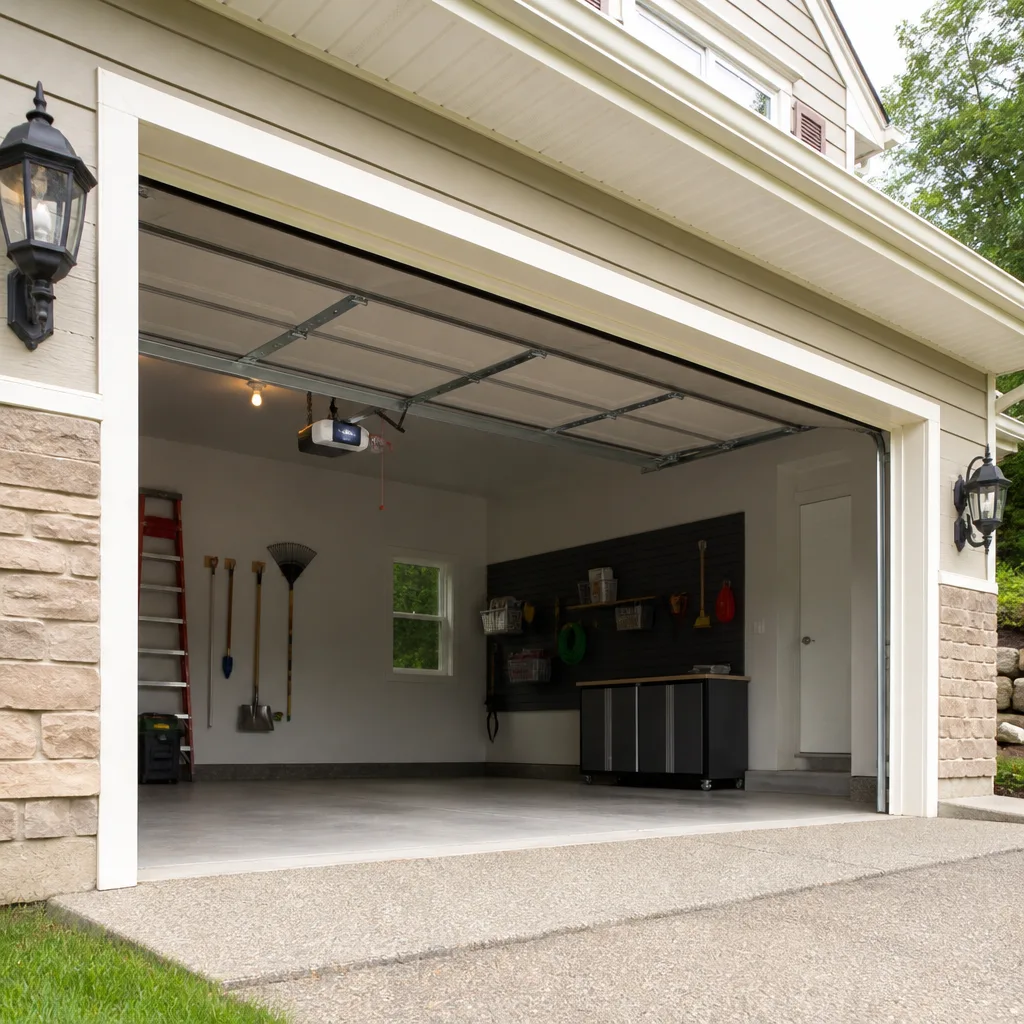 LiftMaster openers
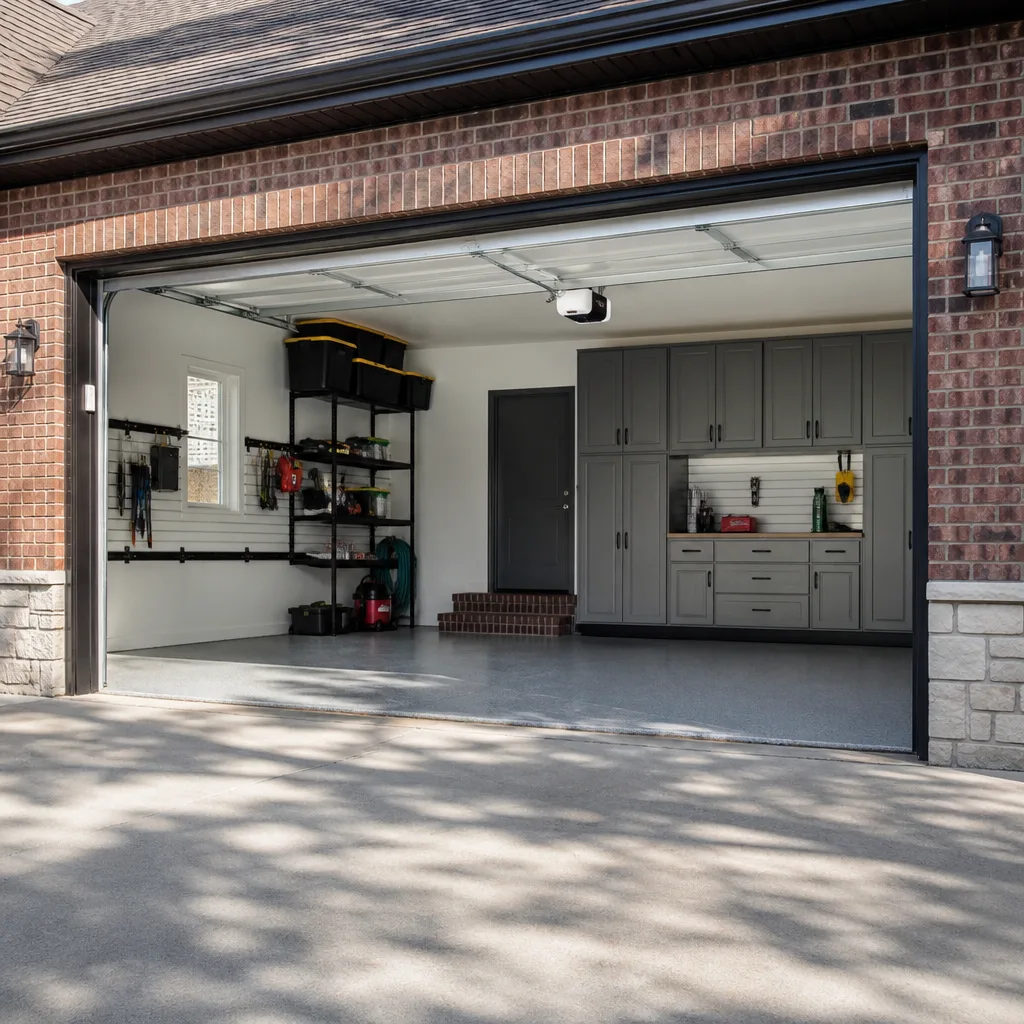 Chamberlain openers
Full 25-point door and opener safety check with every visit - springs, cables, rollers, tracks, and your LiftMaster or Chamberlain opener included
You get a price before we start. It does not change when the truck arrives.
Get your free estimateGarage Door Repair Maintenance Checklist for Rosemead Homeowners
Most maintenance checklists are built around ‘wipe it down and lubricate’ but the actual failure points on garage doors follow a predictable sequence. If you catch those failures in the right order, you prevent most emergency calls. The number one cause of a snapped torsion spring isn’t age. It’s a cable that slipped off its drum six months earlier and went unnoticed, putting uneven load on one spring until it gave out. That’s a several-hundred-dollar repair that started as a zero-dollar cable adjustment. This guide walks Rosemead homeowners through the inspection sequence we use on every door we service, ranked by what actually fails first in our local climate.
Quick Answer
A proper garage door maintenance checklist for Rosemead homes should follow the order that components actually fail: springs and cables first, rollers and hinges second, tracks and alignment third, then weatherstripping and panels. The single most important monthly task is a 60-second visual check of both torsion spring cables to confirm they’re seated in their drums. Run through the full list quarterly, lubricate moving parts twice a year with the right products, and test the auto-reverse function monthly. Most genuine issues can be spotted before they turn into same-day breakdowns.
Styles & brands we work with
- Raised-panel steel
- Carriage house
- Modern flush
- Full-view glass
- LiftMaster openers
- Chamberlain openers
Table of Contents
- The Inspection Sequence: What Fails First in Rosemead’s Climate
- Springs and Cables: The Highest-Failure Components
- Rollers and Hinges: Where Squealing Actually Comes From
- Lubrication Points: The Exact Spots and Products to Use
- The 10-Minute No-Tool Test: Balance, Limits, and Auto-Reverse
- What to Log and Photograph Each Time
- Which Tasks Void Warranties and Which Are Safe to Handle
- Common Mistakes to Avoid
- When to Call a Professional
- Frequently Asked Questions
The Inspection Sequence: What Fails First in Rosemead’s Climate
Rosemead’s inland valley climate is relatively forgiving on garage doors. We don’t deal with freeze-thaw cycles, we don’t get salt air, and hail is uncommon enough that we’d call it rare. What we do get is heat, dust, and dry air. Those three factors shape the failure sequence. Heat accelerates metal fatigue on springs. Dust settles into roller bearings and hinge pins, grinding them down over time. Dry air hardens rubber seals and weatherstripping faster than humid climates would. So the order we inspect a Rosemead door follows what we’ve seen fail most often here.
Here’s the ranked sequence, from most likely to fail to least likely:
- Torsion springs and cables – highest failure rate, especially springs over 7 years old
- Rollers and hinges – noise, binding, and eventual track wear
- Opener travel limits and force settings – drift out of spec slowly until the door reverses on its own
- Track alignment and mounting brackets – loosen over time from vibration
- Weatherstripping and bottom seal – Rosemead’s dry heat cracks rubber faster than coastal air
- Panels and paint – cosmetic first, structural only after impact damage
That sequence matters because it tells you where to spend your attention. Most Home Depot-aisle maintenance guides put lubrication first because it’s easy. It’s also the least likely to prevent a real breakdown. Start with springs and cables, work down the list, and you’ll catch the expensive failures while they’re still cheap.
Springs and Cables: The Highest-Failure Components
Every torsion spring has a finite cycle life. Manufacturers rate them for a certain number of open-close cycles, typically 10,000 on standard springs. On a Rosemead door that cycles three or four times a day, that’s roughly seven to ten years of service. When a spring reaches the end of its life, it snaps. That’s not a maintenance failure. It’s a wear component doing what wear components do. The maintenance failure that matters is the cable that slips off its drum months before the spring gives out.
Here’s what to check on every inspection:
- Cables seated in the drums: Stand inside the garage with the door closed. Look up at each side of the torsion bar. The lift cable should wrap neatly into the groove of the drum, not ride over the edge or overlap itself.
- Fraying anywhere along the cable: Run your eyes along the full length of both cables. You’re looking for broken strands, rust-colored discoloration, or a cable that looks thinner in one spot than another.
- Gap between spring coils: On the spring itself, the coils should be evenly spaced. A gap that’s wider in one section signals a spring that’s already failed internally or is about to.
- Rust or corrosion on the spring: Surface rust is normal on older springs and isn’t urgent. Deep pitting or flaking is a different story. That’s metal fatigue showing.
Safety note: torsion springs hold hundreds of pounds of tension even when the door is closed. Never attempt to adjust, remove, or reposition a spring or cable yourself. The visual inspection above is safe. Anything beyond that is a job for a trained technician with the right winding bars and experience. A spring releasing unexpectedly can cause serious injury. If you spot any of the problems above on your Rosemead door, call garage door repair before the component fails completely.
Rollers and Hinges: Where Squealing Actually Comes From
When a Rosemead homeowner tells us their garage door squeals, they usually assume the tracks need grease. Tracks almost never need grease. The noise comes from rollers and hinges. Specifically, it comes from metal rollers that have lost their internal bearings and are now scraping metal-on-metal inside the track, or from hinge pins that have gone dry and are grinding under load.
There are three roller types on Rosemead doors:
- Plastic rollers with no bearings: These are original equipment on most budget doors. They don’t roll so much as slide. They wear out fastest and get louder as they age.
- Steel rollers with ball bearings: Quieter and longer-lasting, but the bearings eventually dry out and fail. Replacement is straightforward for a technician.
- Nylon rollers with sealed ball bearings: The quietest option and the longest service life. These are what we install by default when replacement comes up.
On each inspection, check the rollers one at a time by looking at them from inside the garage. You’re checking for flat spots (the wheel isn’t round anymore), wobble (the roller isn’t tracking straight in the hinge), or visible cracks in plastic rollers. On hinges, look for looseness at the door attachment point. A hinge that’s working loose will eventually let the section drop and drag against the jamb. Hinge bolts on a Rosemead door need to stay tight, but tightening them is a safe DIY task with a socket set.
Lubrication Points: The Exact Spots and Products to Use
Lubrication is the one maintenance task every Rosemead homeowner should do twice a year. But most people do it wrong in two ways. First, they use WD-40, which is a solvent and water-displacing spray, not a lubricant. It will strip whatever grease is there and leave the component dry, making the situation worse. Second, they skip the two spots that actually matter for squealing and binding. Here’s the correct list.
Use a lithium-based spray grease or a dedicated garage door lubricant. Not WD-40, not penetrating oil, not motor oil.
- Hinge pins (all of them): Every hinge on every section has a pivot pin. A short shot of lubricant on each pin, then open and close the door once to work it in. This is the single biggest noise reducer.
- Roller bearings: If your rollers have ball bearings, a small amount on each bearing surface. Don’t coat the roller itself. You want the bearing to turn freely, not a wet roller sliding through the track.
- Torsion spring: A light coat along the full length of the spring. This does two things. It reduces friction between coils as the spring winds and unwinds, and it slows surface rust. This is the spot most people skip.
- Bearing plates at the ends of the torsion bar: There’s a bearing on each end where the torsion tube passes through the end plate. Two shots of lubricant there reduces drag on the whole system. This is the second skipped spot.
- Lock mechanism and latch: If your door has a slide lock, keep it moving freely so it doesn’t bind when you actually need it.
What you don’t lubricate: the track itself, the opener rail (on belt-drive openers), or the photo-eye lenses. The track needs to stay dry so the rollers actually roll. A greasy track just collects Rosemead dust and turns into grinding paste.
The 10-Minute No-Tool Test: Balance, Limits, and Auto-Reverse
Three functional tests tell you more about the health of your garage door system than any visual inspection. All three take under ten minutes total, and none of them require tools. Run these monthly.
Test 1: Balance test
- Close the door.
- Pull the red emergency release handle to disconnect the opener from the door.
- Lift the door manually to the halfway point.
- Let go.
A properly balanced door stays at the halfway point. It doesn’t drift up, and it doesn’t drift down. If the door drops, the springs are losing tension and the opener is now doing more work than it should. If the door rises, the springs have too much tension, which causes the opener to fight the door on the way down. Both are signs that a spring adjustment or replacement is coming. This test is safe to perform. The adjustment that fixes a failed balance test is not.
Test 2: Auto-reverse test
- Close the door completely.
- Place a 2×4 flat on the floor under the center of the door opening.
- Use the wall button or remote to close the door.
- Watch what happens when the door hits the 2×4.
The door should reverse direction within two seconds of contacting the wood block. If it doesn’t, the down-force setting on the opener is too high, or the photo-eye system isn’t working correctly. Both are adjustable on most modern openers, but force settings interact with spring balance, so if your balance test also failed, fix that first. A door that doesn’t auto-reverse is a safety hazard, especially in a household with children or pets. Get it addressed promptly.
What to Log and Photograph Each Time
You don’t need a maintenance binder, but a consistent phone-note habit makes a technician’s job dramatically faster. Here’s what to log each time you inspect your Rosemead garage door:
- Date of inspection: This alone is more than most homeowners have. It tells us how quickly a problem developed.
- Cable condition photo: Stand in the same spot each time and photograph both lift cables where they enter the drums. Side-by-side comparison over months shows wear trends that you’d never notice looking at one photo.
- Spring gap photo: A clear photo of the torsion spring from inside, showing the coil spacing. When a spring fails, that photo gap is usually wider than it was six months earlier.
- Balance test result: Note whether the door held, dropped, or rose at the halfway point.
- Auto-reverse result: Whether the door reversed on the 2×4 block or not.
- Noise notes: Where the sound is coming from. “Squeal from right side when opening” is far more useful to a technician than “the door is noisy.”
When we arrive at a Rosemead home for garage door opener repair or spring replacement, the first thing we do is look at what the owner has noticed. A homeowner who can tell us exactly when a sound started and what it sounded like six months ago gives us a diagnostic shortcut. If you’d rather not keep those records yourself, that’s fine too. We’ll diagnose from scratch on every visit. But the home that has a few photos and notes tends to get to the root of the problem faster.
Which Tasks Void Warranties and Which Are Safe to Handle
A lot of Rosemead homeowners want to handle maintenance themselves. That’s reasonable. Most of the tasks on this page are safe for a careful homeowner with basic tools. But there’s a defined line, and crossing it can void your door or opener warranty. Here’s the breakdown.
Safe for homeowners to do:
- Visual inspection of springs, cables, rollers, and hinges
- Lubrication with the correct products (as described above)
- Tightening hinge bolts and track mounting bolts
- Performing the balance test and auto-reverse test
- Photographing and logging condition changes
- Cleaning photo-eye lenses with a dry cloth
Tasks that require a professional, not because they’re hard, but because doing them wrong causes damage or voids coverage:
- Spring adjustment or replacement: Manufacturers void coverage on any spring-related claim if an unqualified person has touched the spring. The tension involved is also the most dangerous part of the entire system.
- Cable replacement or re-seating: Cables attach to the bottom brackets under spring tension. Getting one wrong means the door may not lift straight, which stresses every component.
- Track realignment: Bending a track back with a hammer is how tracks get permanently ruined. There’s a correct sequence for loosening, realigning, and re-tightening track brackets.
- Opener force and limit adjustments beyond the manufacturer’s documented homeowner adjustments: Some adjustments are homeowner-accessible on LiftMaster, Chamberlain, Genie, and Raynor units. Others require removing the opener cover, and touching those typically voids the opener warranty.
When we work on these systems in Rosemead, we’re factory-familiar with LiftMaster, Chamberlain, Genie, Raynor, and the other major brands. That matters because warranty claims, when they come up, depend on having the work done by someone who understands the manufacturer’s specifications. We work on the brand you already own, and we don’t recommend replacing a whole door when a targeted repair is the right answer. Repair or replace, we’ll tell you which one actually makes sense.
Common Mistakes to Avoid
- Lubricating the track. A greasy track collects Rosemead’s fine dust and turns it into a grinding compound. Tracks stay dry. Lubricate the rollers, hinges, and springs, never the track surface itself.
- Using WD-40 or penetrating oil on moving parts. WD-40 is a solvent. It displaces the grease that’s actually doing the job, then evaporates, leaving the part drier than before. Use lithium grease or a dedicated door lubricant.
- Ignoring a door that’s slightly crooked when it closes. A door that doesn’t meet the floor evenly on both sides is usually a cable tension imbalance or a track alignment problem. Ignoring it for months is how you end up with a snapped spring or a bent track.
- Adjusting the opener force settings to compensate for a door that’s actually unbalanced. If the door needs more force to open than it used to, the springs have lost tension. Cranking up the opener force just makes the opener work harder and masks the real problem until it fails, usually on the hottest Rosemead afternoon when you need the door most.
- Replacing one spring on a two-spring door. A matched pair is replaced as a pair. If one spring has failed, the other is at the same cycle count and will fail soon. Replacing only one leaves you with an unbalanced door and a second truck roll in the near future.
- Not testing the auto-reverse after moving into a Rosemead home. Previous owners may have adjusted or disabled safety features. Test it the first week you live there so you know what you’re dealing with.
- Leaving the emergency release pulled after a manual open. If you disconnected the opener to open the door by hand and didn’t re-engage the arm, your door will not close with the opener. It’s a simple fix, but it looks like a broken door at first glance, and it’s surprisingly common.
When to Call a Professional
Some situations are clear-cut calls to a specialist. If your balance test fails in either direction, the springs need attention, and springs are not a DIY project. If a cable is off its drum or fraying, don’t run the door again until it’s fixed. If the door is crooked when it closes, if the auto-reverse test doesn’t reverse, or if you notice a crack developing in a hinge or roller, those are all professional jobs. Garage doors are all we do, and we see these problems daily in Rosemead. A visual assessment is free. Garage Door Repair Rosemead offers free estimates across Rosemead. Call (855) 382-3118 to book one. We answer 24/7. Fast dispatch from 7am to 7pm, Sunday through Friday.
Frequently Asked Questions
Run through the visual spring and cable inspection monthly. Do the full inspection sequence, including the 10-minute functional tests, every quarter. Lubricate the hinges, rollers, spring, and bearing plates twice a year, once in spring and once in fall. Rosemead’s dry heat accelerates rubber and metal wear, so consistency matters more than the specific dates you pick.
The most common problem we see at garage door repair calls in Rosemead is a door that reverses when closing or won’t close at all. That’s usually either a photo-eye alignment issue, a failed auto-reverse setting, or a spring tension problem. Sometimes it’s all three stacked on top of each other. If your door starts reversing for no visible reason, call (855) 382-3118 for a free estimate.
Yes, and you should. Lubrication is one of the safest home maintenance tasks for a garage door. Use lithium-based spray grease on the hinge pins, roller bearings, torsion spring, and end bearing plates. Skip the track entirely and never use WD-40. If the door is still noisy after proper lubrication, the noise is coming from worn rollers or hinge bushings, and that’s a parts replacement, not a lubrication problem.
Three signs tell you a spring is nearing the end of its life. First, the door feels heavy when you lift it manually after pulling the emergency release. Second, the door drops when left at the halfway point during a balance test. Third, you see a wider gap in one section of the spring coil than in the rest. Any one of those is reason to get a professional assessment, because a failed spring means the door won’t open, and that’s usually on the morning you’re running late.
No. Routine maintenance like lubrication, inspection, and functional testing does not void warranties. What voids them is unqualified work on tension components, like springs and cables, or tampering with opener internals beyond the documented homeowner settings. If you’re unsure whether a task is safe or covered, call and ask. We’d rather tell you over the phone than have you find out after a warranty claim gets denied.
For Rosemead homeowners doing the inspection and lubrication themselves, maintenance costs about $15 to $25 for a can of proper lithium spray grease, which lasts the whole year. If you want a professional inspection and tune-up, the price is set per job by written estimate. Garage Door Repair Rosemead provides free estimates, and the price you’re quoted is the price agreed before any work starts. Call (855) 382-3118 to schedule one.
The Bottom Line
Garage door maintenance in Rosemead is mostly about looking at the right things in the right order. Springs and cables first, since that’s where failures actually originate. Rollers and hinges second, because that’s where the noise comes from. Lubrication twice a year with lithium grease on the correct points, not WD-40 on the tracks. Functional tests monthly so you catch imbalances before they become breakdowns. And a simple photo log so that when a technician does come out, the diagnostic work is already half done. Do those things consistently and you’ll avoid the emergency calls that most Rosemead homeowners only think about when the door is stuck halfway up at 7am. From a snapped spring to a full smart-opener upgrade, a little attention in the right order keeps the whole system running longer.
Written by the team at Garage Door Repair Rosemead, serving Rosemead since 2015.
See the difference
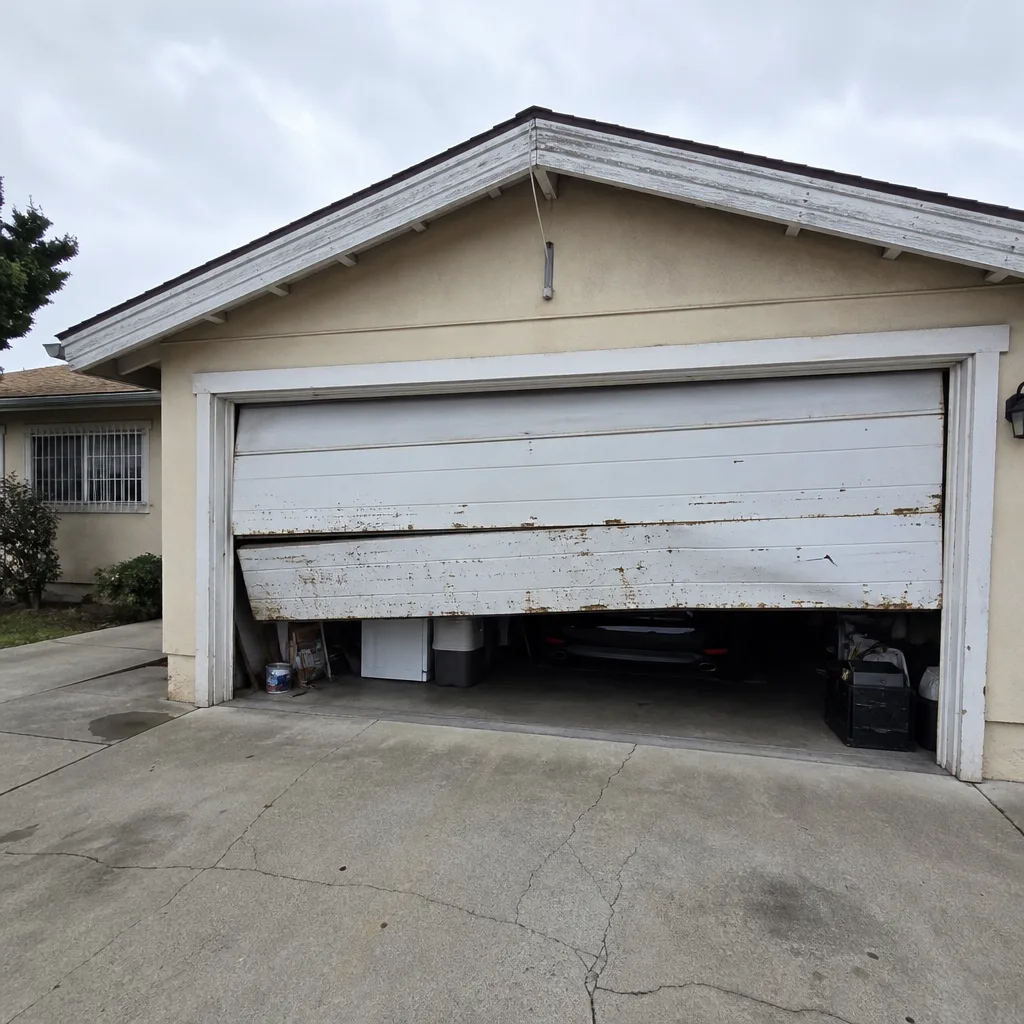 Before
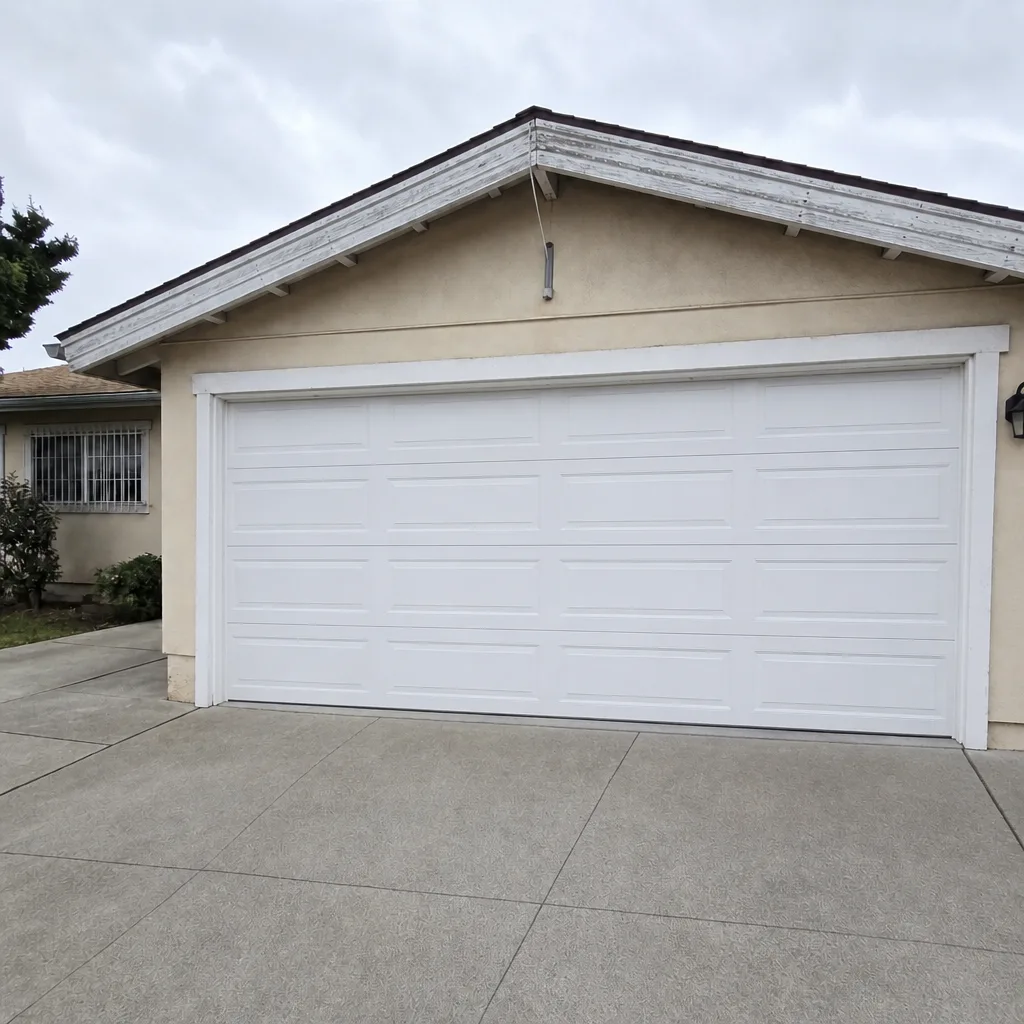 After
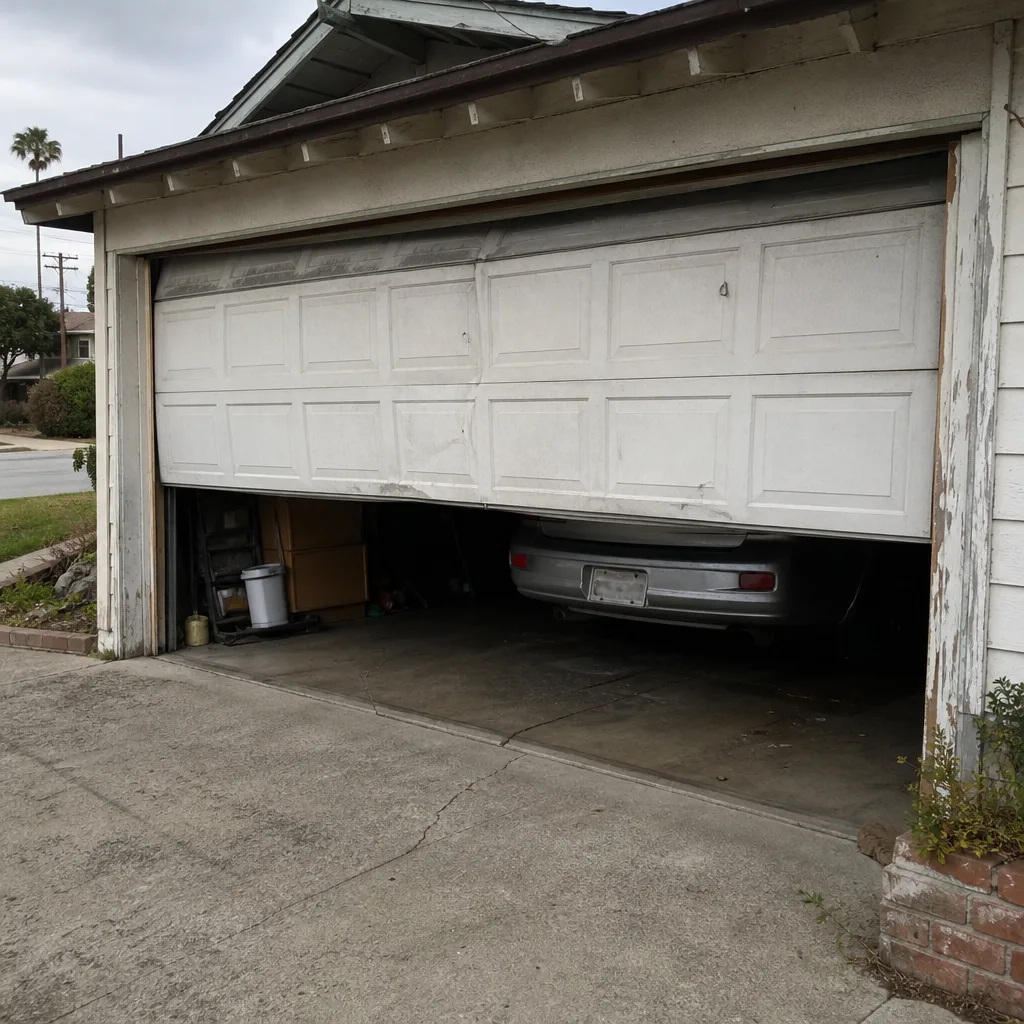 Before
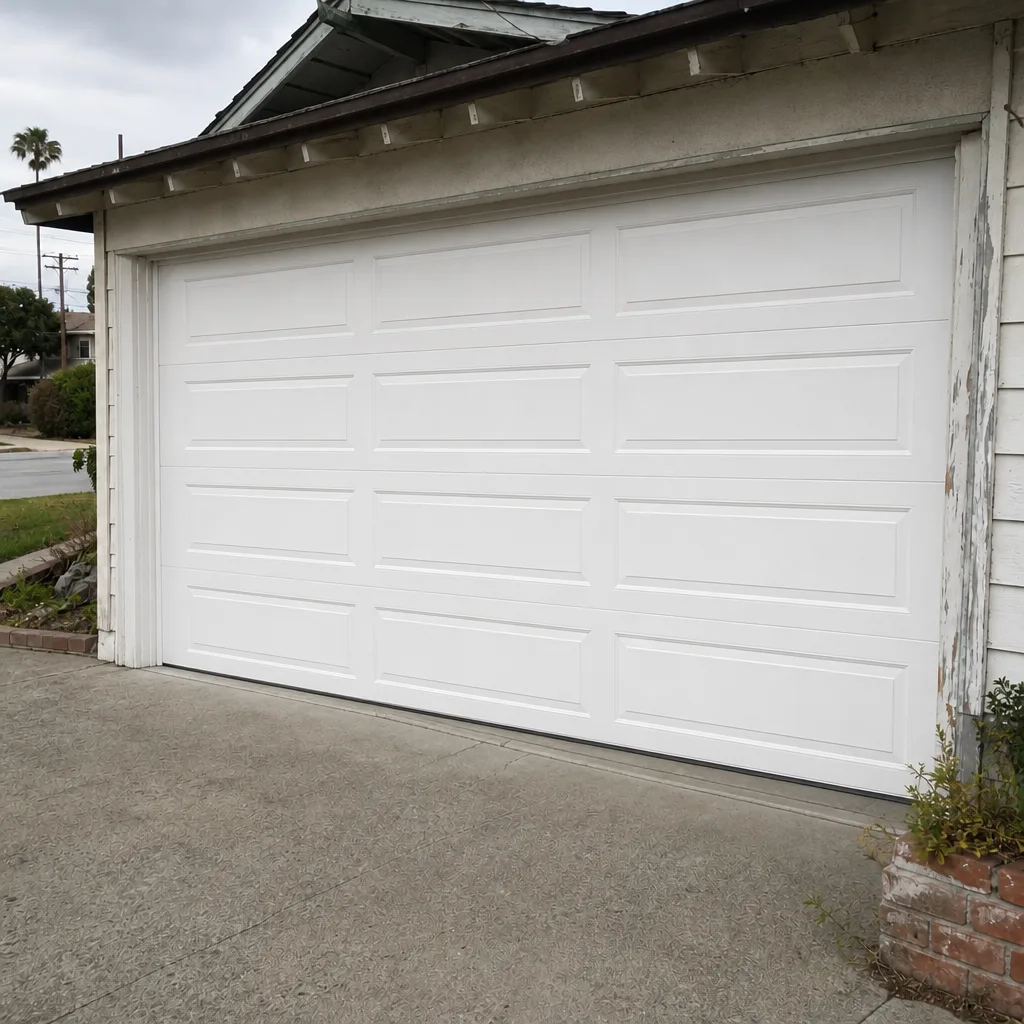 After
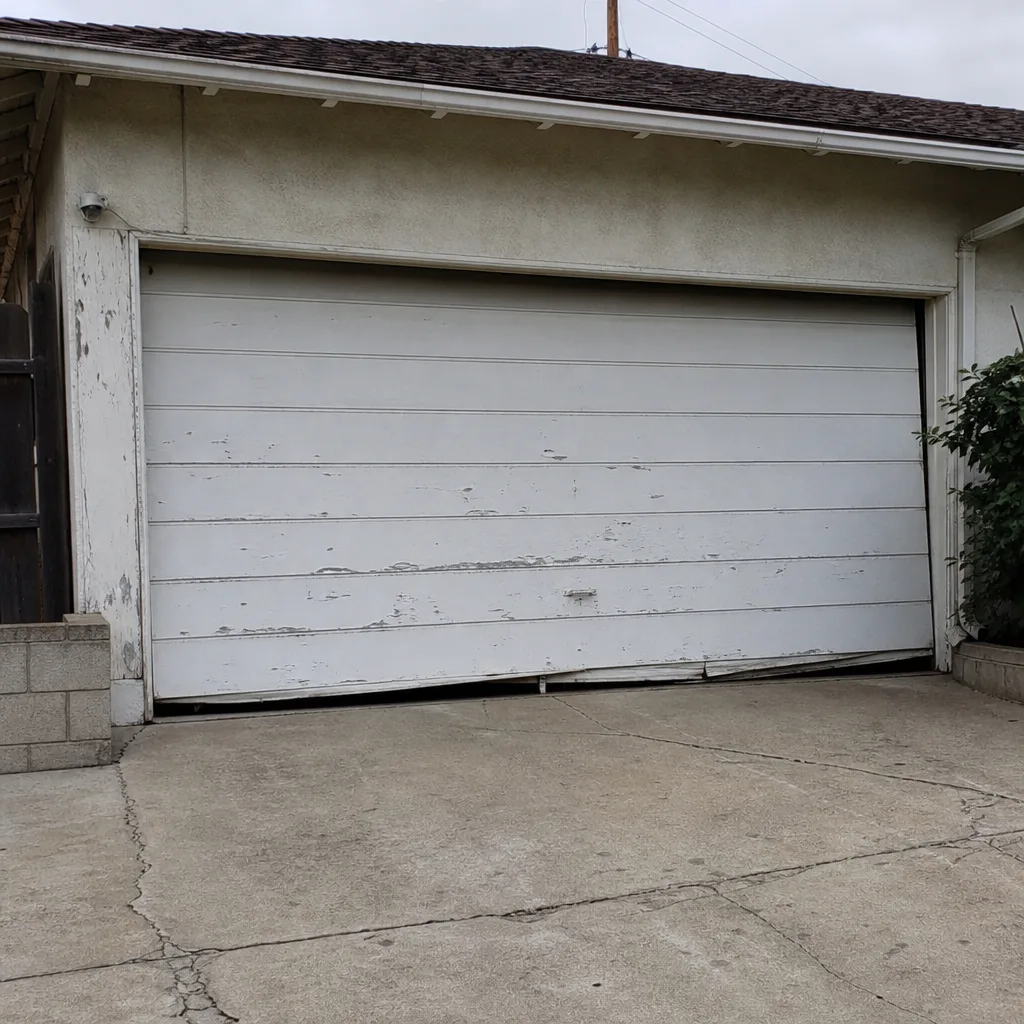 Before
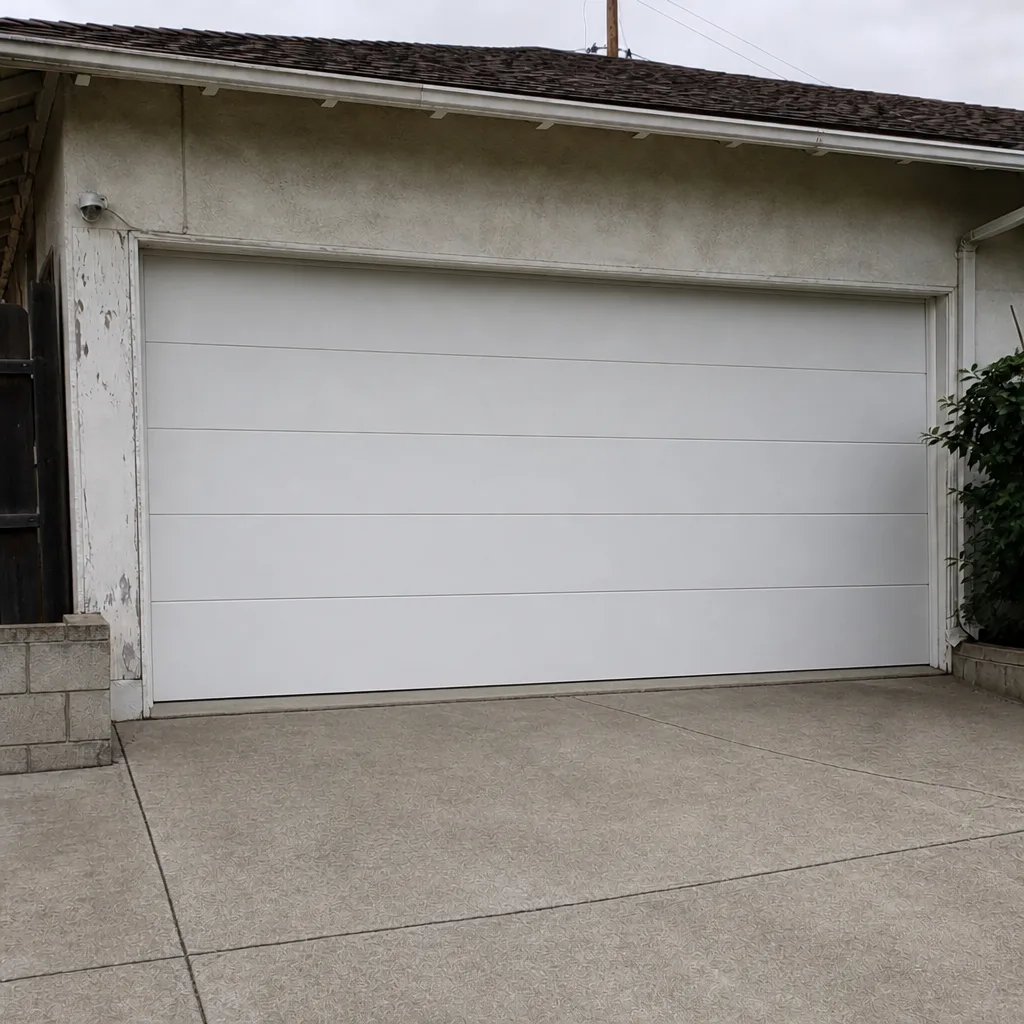 After